
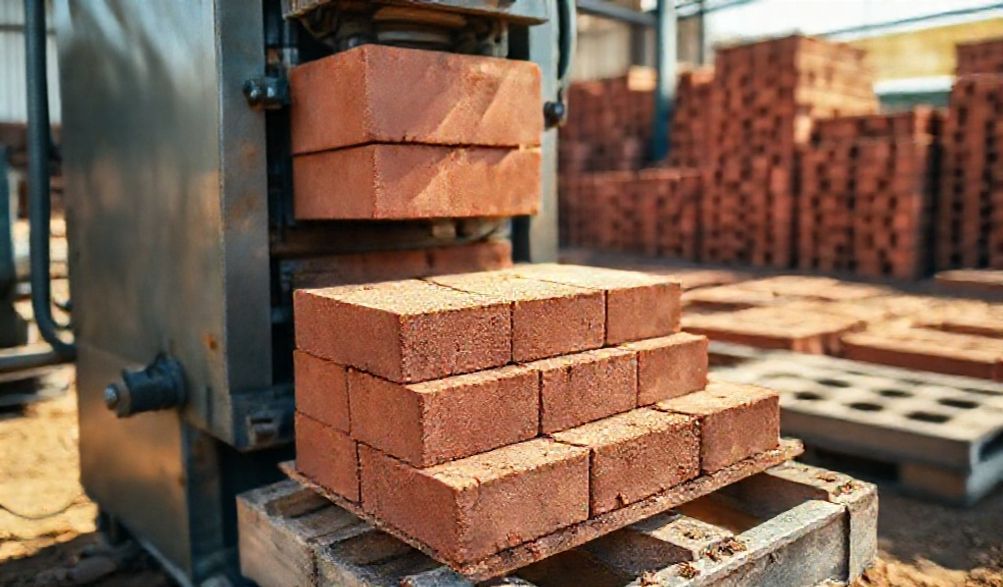
ਦੱਖਣੀ ਅਫਰੀਕਾ ਵਿੱਚ ਇੱਟ ਬਣਾਉਣ ਵਾਲੀ ਮਸ਼ੀਨਰੀ ਬਾਰੇ ਤੁਹਾਡੀ ਅੰਤਿਮ ਗਾਈਡ: ਕਿਸਮਾਂ, ਖਰਚੇ ਅਤੇ ਚੋਟੀ ਦੇ ਸਪਲਾਇਰ
ਪਰਿਚਯ
ਦੱਖਣੀ ਅਫਰੀਕਾ ਦਾ ਅਸਮਾਨ-ਕਿਨਾਰਾ ਅਤੇ ਇਸਦੇ ਉਪਨਗਰ ਨਿਰੰਤਰ ਵਿਕਾਸ ਦੀ ਅਵਸਥਾ ਵਿੱਚ ਹਨ। ਸਰਕਾਰੀ ਅਗਵਾਈ ਵਾਲੇ ਢਾਂਚਾਗਤ ਪ੍ਰੋਜੈਕਟਾਂ ਅਤੇ ਸ਼ਹਿਰੀ ਆਵਾਸ ਵਿਕਾਸਾਂ ਤੋਂ ਲੈ ਕੇ ਨਿੱਜੀ ਵਪਾਰਕ ਇਮਾਰਤਾਂ ਤੱਕ, ਭਰੋਸੇਯੋਗ ਅਤੇ ਉੱਚ-ਗੁਣਵੱਤਾ ਵਾਲੀਆਂ ਨਿਰਮਾਣ ਸਮੱਗਰੀਆਂ ਦੀ ਮੰਗ ਪਹਿਲਾਂ ਕਦੇ ਵੀ ਇਤਨੀ ਉੱਚ ਨਹੀਂ ਸੀ। ਇਸ ਇਮਾਰਤੀ ਉਭਾਰ ਦੇ ਬੁਨਿਆਦੀ ਪੱਧਰ 'ਤੇ - ਸ਼ਾਬਦਿਕ ਅਰਥਾਂ ਵਿੱਚ - ਸਾਦਾ ਇੱਟ ਹੀ ਪਈ ਹੈ। ਬਿਲਡਰਾਂ, ਠੇਕੇਦਾਰਾਂ ਅਤੇ ਮਹੱਤਵਾਕਾਂਖੀ ਉਦਮੀਆਂ ਲਈ,ਦੱਖਣੀ ਅਫਰੀਕਾ ਵਿੱਚ ਇੱਟ ਬਣਾਉਣ ਦੀ ਮਸ਼ੀਨਰੀਇਹ ਸਿਰਫ਼ ਇੱਕ ਉਪਕਰਨ ਖਰੀਦ ਨਹੀਂ ਹੈ; ਇਹ ਇੱਕ ਮਹੱਤਵਪੂਰਨ ਕਾਰੋਬਾਰੀ ਫੈਸਲਾ ਹੈ ਜੋ ਆਉਟਪੁੱਟ ਗੁਣਵੱਤਾ, ਕਾਰਜਕਾਰੀ ਕੁਸ਼ਲਤਾ, ਅਤੇ ਲੰਬੇ ਸਮੇਂ ਦੀ ਲਾਭਦਾਇਕਤਾ ਨੂੰ ਨਿਰਧਾਰਤ ਕਰਦਾ ਹੈ।
ਇਸ ਮਸ਼ੀਨਰੀ ਲਈ ਮਾਰਕੀਟ ਵਿੱਚ ਰਾਹ ਲੱਭਣਾ ਜਟਿਲ ਹੋ ਸਕਦਾ ਹੈ, ਜਿੱਥੇ ਵਿਕਲਪ ਸਧਾਰਨ ਹੱਥ ਨਾਲ ਚੱਲਣ ਵਾਲੀਆਂ ਪ੍ਰੈੱਸਾਂ ਤੋਂ ਲੈ ਕੇ ਵਿਸ਼ਾਲ, ਪੂਰੀ ਤਰ੍ਹਾਂ ਆਟੋਮੈਟਿਕ ਪ੍ਰੋਡਕਸ਼ਨ ਲਾਈਨਾਂ ਤੱਕ ਹਨ। ਇਹ ਗਾਈਡਅਨੁਭਵ, ਮਾਹਰਤਾ, ਅਥਾਰਟੀ, ਅਤੇ ਭਰੋਸੇਯੋਗਤਾ (ਈ-ਈ-ਏ-ਟੀ)ਇਸ ਦੇ ਮੂਲ ਵਿੱਚ। ਅਸੀਂ ਉਦਯੋਗਿਕ ਗਿਆਨ, ਸਥਾਨਕ ਬਾਜ਼ਾਰ ਵਿੱਚ ਵਿਹਾਰਕ ਸੂਝ, ਅਤੇ ਮੁੱਖ ਸਪਲਾਇਰ ਜਾਣਕਾਰੀ ਨੂੰ ਸੰਸ਼ਲੇਸ਼ਿਤ ਕਰਕੇ ਇੱਕ ਵਿਆਪਕ ਸਰੋਤ ਬਣਾਇਆ ਹੈ। ਭਾਵੇਂ ਤੁਸੀਂ ਸਥਾਨਕ ਮੰਗ ਦਾ ਫਾਇਦਾ ਉਠਾਉਣ ਲਈ ਇੱਕ ਬਲਾਕ ਯਾਰਡ ਸ਼ੁਰੂ ਕਰ ਰਹੇ ਹੋ ਜਾਂ ਆਪਣੇ ਮੌਜੂਦਾ ਪਲਾਂਟ ਨੂੰ ਵੱਡੇ ਪੈਮਾਨੇ ਲਈ ਅੱਪਗ੍ਰੇਡ ਕਰਨਾ ਚਾਹੁੰਦੇ ਹੋ, ਇਹ ਗਾਈਡ ਤੁਹਾਨੂੰ ਇੱਕ ਵਿਸ਼ਵਾਸਯੋਗ, ਸੂਚਿਤ ਨਿਵੇਸ਼ ਕਰਨ ਲਈ ਲੋੜੀਂਦਾ ਗਿਆਨ ਪ੍ਰਦਾਨ ਕਰੇਗੀ।
ਇੱਟ ਬਣਾਉਣ ਵਾਲੀ ਮਸ਼ੀਨਰੀ ਨੂੰ ਸਮਝਣਾ: ਦੱਖਣੀ ਅਫਰੀਕੀ ਖਰੀਦਦਾਰਾਂ ਲਈ ਮੁੱਖ ਸੰਕਲਪ
ਖਾਸ ਮਾਡਲਾਂ ਅਤੇ ਕੀਮਤਾਂ ਵਿੱਚ ਜਾਣ ਤੋਂ ਪਹਿਲਾਂ, ਇਹ ਸਮਝਣਾ ਜ਼ਰੂਰੀ ਹੈ ਕਿ ਇਹ ਉਪਕਰਣ ਕਿਵੇਂ ਕੰਮ ਕਰਦੇ ਹਨ ਅਤੇ ਗੁਣਵੱਤਾ ਵਿੱਚ ਨਿਵੇਸ਼ ਕਰਨਾ ਕਿਉਂ ਜ਼ਰੂਰੀ ਹੈ।
ਇੱਟ ਬਣਾਉਣ ਵਾਲੀ ਮਸ਼ੀਨਰੀ ਕਿਵੇਂ ਕੰਮ ਕਰਦੀ ਹੈ?
ਇਸ ਦੇ ਮੂਲ ਵਿੱਚ, ਇੱਟ ਬਣਾਉਣਾ ਇੱਕ ਸੰਘਣਾਪਣ ਅਤੇ ਢਾਲਣ ਦੀ ਪ੍ਰਕਿਰਿਆ ਹੈ। ਹਾਲਾਂਕਿ ਆਟੋਮੇਸ਼ਨ ਦੇ ਪੱਧਰ ਵੱਖ-ਵੱਖ ਹੁੰਦੇ ਹਨ, ਪਰ ਮੁੱਖ ਪੜਾਅ ਇੱਕੋ ਜਿਹੇ ਰਹਿੰਦੇ ਹਨ:
- ਮਿਕਸਿੰਗਕੱਚੇ ਮਾਲ (ਜਿਵੇਂ ਸੀਮਿੰਟ, ਰੇਤਾ, ਪੱਥਰ ਦੀ ਧੂੜ, ਅਤੇ ਪਾਣੀ) ਨੂੰ ਇੱਕ ਪੈਨ ਜਾਂ ਡਰੱਮ ਮਿਕਸਰ ਵਿੱਚ ਇੱਕ ਸਮਰੂਪ ਸੰਗਤੀ ਵਿੱਚ ਮਿਲਾਇਆ ਜਾਂਦਾ ਹੈ।
- ਮੋਲਡਿੰਗਮਿਸ਼ਰਤ ਸਮੱਗਰੀ ਨੂੰ ਇੱਕ ਸਚਿਆ ਬਕਸੇ ਵਿੱਚ ਭਰਿਆ ਜਾਂਦਾ ਹੈ ਜੋ ਇੱਟ ਦਾ ਆਕਾਰ ਨਿਰਧਾਰਤ ਕਰਦਾ ਹੈ (ਜਿਵੇਂ ਕਿ ਸਟਾਕ ਇੱਟ, ਮੈਕਸੀ, ਬਲਾਕ, ਜਾਂ ਪੇਵਰ)।
- ਕੰਪੈਕਟਿੰਗਇਹ ਮਹੱਤਵਪੂਰਨ ਕਦਮ ਹੈ। ਮਸ਼ੀਨ ਜ਼ਬਰਦਸਤ ਦਬਾਅ ਲਗਾਉਂਦੀ ਹੈ—ਅਕਸਰ ਕੰਬਣ ਨਾਲ ਮਿਲ ਕੇ—ਢਾਲੇ ਵਿੱਚ ਸਮੱਗਰੀ ਨੂੰ ਗਾੜ੍ਹਾ ਕਰਨ ਲਈ, ਹਵਾ ਦੇ ਥੈਲਿਆਂ ਨੂੰ ਖਤਮ ਕਰਦੀ ਹੈ ਅਤੇ ਢਾਂਚਾਗਤ ਸੁਰੱਖਿਆ ਨੂੰ ਯਕੀਨੀ ਬਣਾਉਂਦੀ ਹੈ।
- ਕਿਊਰਿੰਗਤਾਜ਼ਾ ਬਣਾਇਆ (ਜਾਂ "ਹਰਾ") ਇੱਟ ਪੈਲੇਟ ਜਾਂ ਜ਼ਮੀਨ 'ਤੇ ਸੁੱਟ ਦਿੱਤੀ ਜਾਂਦੀ ਹੈ। ਇਸ ਤੋਂ ਬਾਅਦ ਇਸਨੂੰ ਪੂਰੀ ਤਾਕਤ ਪ੍ਰਾਪਤ ਕਰਨ ਲਈ ਇੱਕ ਸਮੇਂ ਦੀ ਸਿਹਤ-ਪ੍ਰਾਪਤੀ ਦੀ ਲੋੜ ਹੁੰਦੀ ਹੈ, ਜੋ ਆਮ ਤੌਰ 'ਤੇ ਹਵਾ ਵਿੱਚ ਸੁੱਕਣ ਜਾਂ ਭਾਫ਼ ਨਾਲ ਸਿਹਤ-ਪ੍ਰਾਪਤੀ ਦੁਆਰਾ ਕੀਤੀ ਜਾਂਦੀ ਹੈ।
ਮਸ਼ੀਨ ਦੀਆਂ ਕਿਸਮਾਂ ਵਿਚ ਮੁੱਖ ਅੰਤਰ ਇਸ ਗੱਲ ਵਿੱਚ ਹੈ ਕਿ ਇਹਨਾਂ ਪੜਾਵਾਂ ਨੂੰ ਕਿਵੇਂ ਸੁਵਿਧਾਜਨਕ ਬਣਾਇਆ ਜਾਂਦਾ ਹੈ।
* ਮੈਨੂਅਲ: Operator-dependent for feeding, compaction (via lever), and ejection.
* ਸੈਮੀ-ਆਟੋਮੈਟਿਕ Mechanised compaction (hydraulic or vibration), often with manual feeding and product handling.
* ਪੂਰੀ ਤਰ੍ਹਾਂ ਆਟੋਮੈਟਿਕ Computer-controlled systems that automate the entire process from feeding to palletising, requiring minimal human intervention.
Key Benefits of Investing in Quality Machinery
Choosing a robust, well-engineered machine from a reputable source pays dividends far beyond the initial invoice.
- ਸਥਿਰਤਾ ਅਤੇ ਗੁਣਵੱਤਾ: Automated systems produce bricks with uniform dimensions, density, and strength, meeting SANS standards and satisfying discerning builders.
- Increased Production Speed & Efficiency: Machinery dramatically outpaces manual labour. A semi-automatic machine can produce thousands of bricks per day, maximising your output and revenue potential.
- Long-Term Cost Savings: While the upfront cost is higher than manual methods, the reduction in labour costs, waste, and rework leads to a significantly lower cost per brick over time.
- Scalability for Business Growth: Starting with a semi-automatic system allows you to meet initial demand and then add automation (like automatic feeders and stackers) as your business expands.
Types of Brick Making Machines Available in South Africa
The South African market offers a diverse range of machinery to suit every scale of operation and budget. Understanding these types is the first step in matching the right equipment to your project or business plan.
ਮੈਨੂਅਲ ਇੱਟ ਬਣਾਉਣ ਵਾਲੀਆਂ ਮਸ਼ੀਨਾਂ
- Description & Use Case: These are hand-operated presses, such as the popular “egg-layer” or static manual machines. They are ideal for very small-scale projects, community initiatives, or rural building where electricity is unreliable and capital is limited.
- ਫਾਇਦੇ:
- Very low initial investment (typically starting from R15,000 to R50,000).
- Simple to operate with minimal maintenance.
- No power required for basic models.
- ਨੁਕਸਾਨ:
- Highly labour-intensive and slow (output of 300-800 bricks per day).
- Inconsistent quality dependent on operator skill.
- ਵਪਾਰਕ ਉਤਪਾਦਨ ਲਈ ਉਚਿਤ ਨਹੀਂ ਹੈ।
ਸੈਮੀ-ਆਟੋਮੈਟਿਕ ਇੱਟ ਬਣਾਉਣ ਵਾਲੀਆਂ ਮਸ਼ੀਨਾਂ
- Description & Use Case: The workhorse of the small to medium-sized enterprise (SME) sector. These electrically powered machines automate the compaction and ejection process but may require manual feeding of raw material and removal of finished bricks. Perfect for growing block yards and contractors undertaking medium-sized developments.
- ਫਾਇਦੇ:
- Excellent balance of affordability and productivity (output of 2,000 – 10,000 bricks per 8-hour shift).
- Good brick quality and consistency.
- Lower operational skill requirement than manual machines.
- ਨੁਕਸਾਨ:
- Requires a consistent electrical supply.
- Still requires a small labour crew for operation.
- ਕੀਮਤ ਸੀਮਾ: A significant range exists based on capacity and features, generally from R150,000 to R800,000.
ਪੂਰੀ ਤਰ੍ਹਾਂ ਆਟੋਮੈਟਿਕ ਇੱਟ ਬਣਾਉਣ ਵਾਲੀਆਂ ਮਸ਼ੀਨਾਂ
- Description & Use Case: These are complete production plants. They integrate automatic material feeders, conveyors, high-pressure compaction systems, and pallet handling robots. Designed for large-scale commercial production facilities supplying major construction projects or retailers.
- ਫਾਇਦੇ:
- Very high, consistent output (10,000+ bricks per shift).
- Dramatically reduced direct labour costs.
- Superior product quality and density.
- ਨੁਕਸਾਨ:
- High capital investment (starting from R1.5 million and escalating rapidly).
- Requires significant space, three-phase power, and skilled maintenance.
- ROI is based on high, consistent utilisation.
- Specialized Machines: Interlocking, Pavers, and Kerb Machines
South Africa’s landscaping and municipal infrastructure markets drive demand for specialised products. Dedicated machines for interlocking paving bricks, kerbstones, and hollow blocks are available in semi- and fully-automatic configurations. These often feature interchangeable moulds, allowing a single machine to produce a variety of high-value products.
Key Considerations Before Buying Machinery in South Africa
A successful purchase goes beyond just selecting a machine type. These localised factors are critical for long-term success in the South African context.
Assessing Your Production Needs & Scale
Ask yourself these key questions:
* What is my target daily or monthly brick output?
* What types of bricks/blocks does my target market demand?
* Do I have the physical space (including curing area) for the machine and raw materials?
* What is my available budget, including setup and working capital?
Total Cost of Ownership: Beyond the Purchase Price
The machine’s sticker price is just the beginning. Factor in:
* ਇੰਸਟਾਲੇਸ਼ਨ ਅਤੇ ਕਮਿਸ਼ਨਿੰਗ Does the price include setup?
* Operator Training: Essential for safety, efficiency, and brick quality.
* Maintenance & Spare Parts: What is the availability and cost of wear parts like moulds, liners, and hydraulic seals? A supplier with a local parts warehouse is invaluable.
* ਊਰਜਾ ਦੀ ਖਪਤ: Higher-capacity machines require significant three-phase power.
* Local Service Support: The most important factor. Can the supplier dispatch a technician within 24-48 hours if you have a breakdown?
Raw Material Compatibility
Not all machines work optimally with all materials. Test your locally sourced materials:
* Common SA Raw Materials: River sand, crusher dust, ash, and varying qualities of clay.
* Ensure the machine’s compression system and mix requirements are suited to your material’s properties. Reputable suppliers often offer material testing.
Supplier Due Diligence: Finding a Reputable Partner
Your choice of supplier is as important as your choice of machine.
* Green Flags:
* Long-established presence in South Africa (5-10+ years).
* A physical showroom or factory you can visit.
* Willingness to provide contactable client references.
* Clear warranty terms and an advertised after-sales service department.
* Offers a live demonstration using a material similar to yours.
* Red Flags:
* Only a P.O. Box or virtual office address.
* Pressure to pay a large deposit upfront with vague delivery terms.
* No local technical support, relying on overseas call centres.
* Unrealistically low prices compared to the broader market.
Spotlight: Reputable Brick Making Machinery Suppliers in South Africa
This section provides an overview of the market landscape based on verifiable, public information. It is for informational purposes only and does not constitute an endorsement. We strongly recommend conducting your own due diligence, contacting suppliers directly, and viewing machinery in operation before making any decision.
The supplier ecosystem comprises dedicated local manufacturers and distributors of major international brands.
Criteria for this overview: Years of operation in SA, range of equipment offered, and the public presence of a service/support network.
Overview of Leading Local Manufacturers
South Africa has a robust manufacturing sector producing machines tailored for local conditions and materials.
* Example A: A well-known manufacturer based in Gauteng with over 30 years of history, producing a wide range of semi- and fully-automatic machines, from mobile block-making machines to large stationary plants.
* Example B: A KwaZulu-Natal based company specialising in hydraulic brick and block making machines, often noted for offering cost-effective solutions for small to medium enterprises.
Overview of Major International Brands with Local Support
Global leaders have established a presence in SA to serve the market, typically through dedicated distributors or subsidiaries.
* Example C: A German engineering brand, represented by a long-standing distributor in Johannesburg. They are known for high-precision, fully automatic plants for the top tier of commercial production.
* Example D: A Chinese brand with a significant global footprint, often available through multiple importers and distributors in SA. They offer a very broad range, from affordable semi-automatics to large automated lines, with varying levels of local parts and service support depending on the specific distributor.
Maintaining Your Brick Making Machinery for Longevity
Proper maintenance is the cheapest form of insurance. It ensures safety, maximises uptime, and protects your investment.
Essential Daily and Weekly Maintenance Routines
- Daily: Clean the machine thoroughly at the end of each shift, removing hardened concrete from the mould, feed hopper, and conveyor. Check hydraulic oil levels and for any visible leaks. Lubricate all moving points as per the manual.
- Weekly: Inspect moulds and wear plates for excessive wear or damage. Tighten any loose bolts and fittings. Check the condition of vibration motors and electrical connections.
Sourcing Genuine Spare Parts in South Africa
- Always try to source OEM (Original Equipment Manufacturer) parts from your supplier. They guarantee fit and performance.
- Keep a critical spare parts inventory based on your supplier’s recommendation (e.g., commonly wearing mould liners, seals).
- A strong relationship with your supplier is key for urgent parts sourcing to minimise costly downtime.
Troubleshooting Common Operational Issues
- Poor Compaction/Weak Bricks: Often caused by incorrect water content in the mix, worn moulds, or insufficient vibration/pressure. Check your mix design and machine settings first.
- Bricks Sticking in Mould: Usually indicates a dirty or damaged mould, lack of mould release agent, or an overly wet mix.
- Machine Jamming: Immediately stop the machine. This is frequently due to a foreign object in the feed hopper or an over-feed of material. Never try to clear a jam while the machine is powered on.
Frequently Asked Questions (FAQ) About Brick Making Machinery in South Africa
Q1: What is the average cost of starting a small brick making business in South Africa?
A: Costs vary widely. A basic setup with a manual machine and minimal stock might start from R50,000. A serious small-scale operation with a semi-automatic machine, a mixer, a small yard, and initial raw material stock can require capital from R500,000 to R1.5 million. A detailed business plan factoring in all operational costs is essential.
Q2: Can I get government support or financing for purchasing this machinery?
A: Potential avenues exist but require active research. Look into the Department of Trade, Industry and Competition (DTIC) incentives, SME funding programs from entities like the Small Enterprise Finance Agency (sefa), and asset finance from major commercial banks. Eligibility depends on your business structure, plan, and compliance.
Q3: How important is after-sales service, and what should it include?
A: It is critically important—often the deciding factor between a profitable operation and a stationary asset. Look for suppliers offering installation, comprehensive operator training, a clear warranty (at least 12 months on major components), and prompt technical support via phone and local agents.
Q4: What is the typical lead time for receiving machinery after ordering?
A: For common semi-automatic models held in local stock, delivery can be within 2-6 weeks. For fully automatic plants or custom configurations that are built to order or imported, lead times can extend from 3 to 6 months. Always get confirmed, written lead times in your sales agreement.
Q5: Which type of brick is most profitable to produce in the current South African market?
A: Profitability depends on local demand, competition, and your operational efficiency. Standard 6-inch hollow blocks and 50mm interlocking paving bricks consistently have high demand in both housing and landscaping. Maxi bricks are also a staple. Conduct local market research to identify gaps in supply.
Conclusion
Choosing the right ਦੱਖਣੀ ਅਫਰੀਕਾ ਵਿੱਚ ਇੱਟ ਬਣਾਉਣ ਦੀ ਮਸ਼ੀਨਰੀ is a multi-faceted decision that hinges on a clear understanding of your production goals, a realistic assessment of total costs, and, most importantly, partnering with a reputable and supportive supplier. From the manual press for community projects to the fully automated plant driving industrial supply, the right equipment is the engine of your venture.
View this purchase through a long-term lens. Investing in reliable machinery and cultivating a strong relationship with your supplier is an investment in the stability and growth of your business. Use this guide as a foundational resource for your research. Visit multiple suppliers, insist on live demonstrations, and speak to their existing clients. By applying due diligence and the insights outlined here, you can lay a solid foundation for your own success, contributing brick by brick to South Africa’s built future.
<