
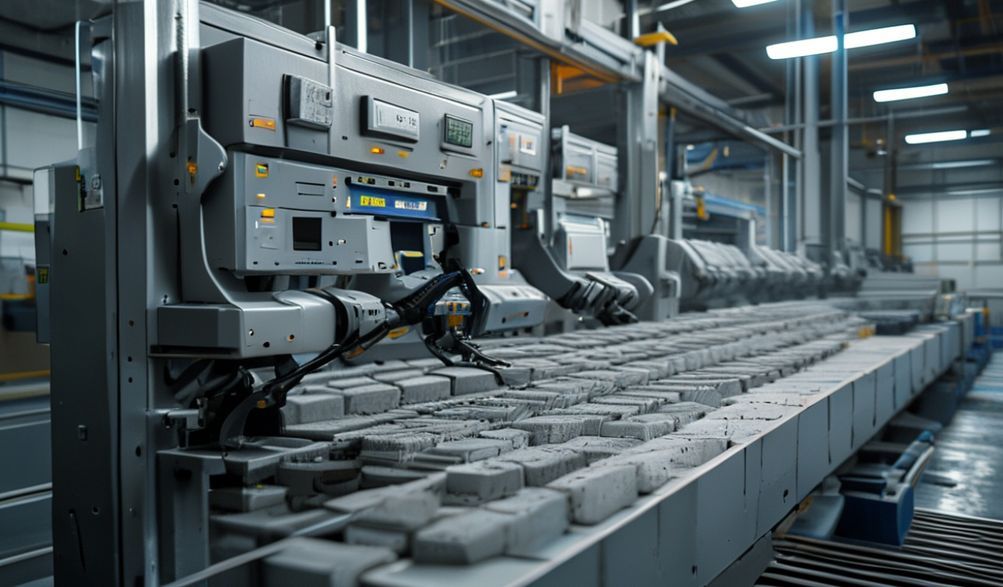
ਚੀਨ ਦੇ ਕੰਕਰੀਟ ਬਲਾਕ ਮੇਕਿੰਗ ਮਸ਼ੀਨ ਨਿਰਮਾਤਾ ਨੂੰ ਚੁਣਨ ਲਈ ਤੁਹਾਡੀ ਮੁਕੰਮਲ ਗਾਈਡ
ਪਰਿਚਯ
ਗਲੋਬਲ ਨਿਰਮਾਣ ਦੀ ਲਗਾਤਾਰ ਰਫ਼ਤਾਰ ਨੂੰ ਅਜਿਹੇ ਨਿਰਮਾਣ ਸਮੱਗਰੀ ਦੀ ਲੋੜ ਹੈ ਜੋ ਉੱਚ-ਗੁਣਵੱਤਾ ਵਾਲੀ ਅਤੇ ਲਾਗਤ-ਪ੍ਰਭਾਵੀ ਹੋਵੇ। ਇਸ ਸਪਲਾਈ ਚੇਨ ਦੇ ਕੇਂਦਰ ਵਿੱਚ ਸਾਦਾ ਕੰਕਰੀਟ ਬਲਾਕ ਹੈ, ਜੋ ਦੁਨੀਆ ਭਰ ਦੇ ਢਾਂਚਿਆਂ ਲਈ ਇੱਕ ਮੁੱਖ ਅੰਗ ਹੈ। ਇਨ੍ਹਾਂ ਬਲਾਕਾਂ ਨੂੰ ਕੁਸ਼ਲਤਾ ਨਾਲ ਪੈਦਾ ਕਰਨ ਲਈ ਭਰੋਸੇਯੋਗ, ਉੱਨਤ ਮਸ਼ੀਨਰੀ ਦੀ ਲੋੜ ਹੁੰਦੀ ਹੈ। ਉਹਨਾਂ ਕਾਰੋਬਾਰਾਂ ਲਈ ਜੋ ਆਪਣੀ ਉਤਪਾਦਨ ਸਮਰੱਥਾ ਸਥਾਪਤ ਜਾਂ ਅੱਪਗ੍ਰੇਡ ਕਰਨਾ ਚਾਹੁੰਦੇ ਹਨ, ਚੀਨ ਇਸ ਜ਼ਰੂਰੀ ਉਪਕਰਣ ਲਈ ਨਿਰਵਿਵਾਦ ਗਲੋਬਲ ਕੇਂਦਰ ਵਜੋਂ ਉਭਰਿਆ ਹੈ।
ਇੱਕ ਸਪਲਾਇਰ ਤੋਂਚੀਨ ਕੰਕਰੀਟ ਬਲਾਕ ਬਣਾਉਣ ਵਾਲੀ ਮਸ਼ੀਨ ਨਿਰਮਾਤਾਇਹ ਬਹੁਤ ਉੱਨਤ ਤਕਨਾਲੋਜੀ, ਵਿਸ਼ਾਲ ਉਤਪਾਦਨ ਪੈਮਾਨਾ ਅਤੇ ਬਹੁਤ ਹੀ ਪ੍ਰਤੀਯੋਗੀ ਕੀਮਤਾਂ ਤੱਕ ਪਹੁੰਚ ਕਰਨ ਦਾ ਇੱਕ ਸ਼ਕਤੀਸ਼ਾਲੀ ਮੌਕਾ ਪੇਸ਼ ਕਰਦਾ ਹੈ। ਹਾਲਾਂਕਿ, ਚੀਨੀ ਉਦਯੋਗਿਕ ਦ੍ਰਿਸ਼ ਦੀ ਵਿਸ਼ਾਲਤਾ ਡਰਾਉਣੀ ਹੋ ਸਕਦੀ ਹੈ। ਸੈਂਕੜੇ ਸਪਲਾਇਰਾਂ ਨੂੰ ਨੈਵੀਗੇਟ ਕਰਨਾ, ਤਕਨੀਕੀ ਨਿਰਧਾਰਨਾਂ ਨੂੰ ਸਮਝਣਾ, ਅਤੇ ਅੰਤਰਰਾਸ਼ਟਰੀ ਲੌਜਿਸਟਿਕਸ ਦਾ ਪ੍ਰਬੰਧਨ ਕਰਨਾ ਮਹਿੰਗੀਆਂ ਗਲਤੀਆਂ ਤੋਂ ਬਚਣ ਲਈ ਇੱਕ ਰਣਨੀਤਕ ਪਹੁੰਚ ਦੀ ਮੰਗ ਕਰਦਾ ਹੈ।
ਇਹ ਗਾਈਡ ਤੁਹਾਡੇ ਲਈ ਇੱਕ ਵਿਆਪਕ ਮਾਰਗ-ਦਰਸ਼ਕ ਵਜੋਂ ਤਿਆਰ ਕੀਤੀ ਗਈ ਹੈ। ਅਸੀਂ ਸਿਰਫ਼ ਡਾਇਰੈਕਟਰੀ ਸੂਚੀਆਂ ਤੋਂ ਅੱਗੇ ਵਧ ਕੇ, ਮੁਲਾਂਕਣ, ਖਰੀਦਦਾਰੀ ਅਤੇ ਭਾਈਵਾਲੀ ਬਾਰੇ ਉਦਯੋਗ-ਪ੍ਰਮਾਣਿਤ ਸੂਝ ਪ੍ਰਦਾਨ ਕਰਾਂਗੇ। ਸਾਡਾ ਟੀਚਾ ਤੁਹਾਨੂੰ ਗਿਆਨ ਨਾਲ ਸਸ਼ਕਤ ਕਰਨਾ ਹੈ ਤਾਂ ਜੋ ਤੁਸੀਂ ਇੱਕ ਸੂਚਿਤ ਅਤੇ ਵਿਸ਼ਵਾਸਪੂਰਣ ਨਿਵੇਸ਼ ਕਰ ਸਕੋ, ਜੋ ਲੰਬੇ ਸਮੇਂ ਵਿੱਚ ਤੁਹਾਡੇ ਕਾਰੋਬਾਰ ਦੀ ਉਤਪਾਦਕਤਾ ਅਤੇ ਮੁਨਾਫ਼ੇ ਨੂੰ ਵਧਾਏਗਾ।
ਚੀਨ ਤੋਂ ਕੰਕਰੀਟ ਬਲਾਕ ਮਸ਼ੀਨਰੀ ਕਿਉਂ ਸਰੋਤ ਕਰੀਏ?
Choosing to import machinery is a significant decision. Understanding the fundamental strengths of the Chinese market justifies this choice and sets the stage for a successful sourcing journey. Here’s why China remains the preferred global supplier for construction machinery.
ਉਤਪਾਦਨ ਪੈਮਾਨੇ ਅਤੇ ਮੁਹਾਰਤ ਦੀ ਵਿਰਾਸਤ
China’s title as the “world’s factory” is not an accident. It is the result of decades of focused industrial development, creating unparalleled manufacturing ecosystems.
- ਉਦਯੋਗਿਕ ਕਲਸਟਰ: The industry is concentrated in specialized regions where entire supply chains—from steel fabrication and hydraulic systems to electrical components—exist in close proximity. This clustering drives efficiency, innovation, and cost savings.
- Accumulated Knowledge: Having produced machinery for both domestic mega-projects and international markets for years, Chinese engineers have developed deep, practical expertise in designing equipment that is durable, functional, and adaptable to various global standards and raw materials.
Advanced Technology Meets Competitive Pricing
The narrative of Chinese manufacturing has decisively shifted from imitation to innovation. This evolution is clear in the block machine sector.
- Technical Sophistication: Modern machines from leading manufacturers feature Programmable Logic Controller (PLC) systems for precise operation, robust hydraulic systems for high-pressure compaction, and energy-efficient vibration motors. Many offer fully automated production lines with robotic pallet handling.
- Unmatched Value:ਦcost-effective machinery stems from massive production scales, vertically integrated manufacturing (controlling more of the supply chain), and a large pool of skilled technical labor. This allows buyers to access higher-tier technology at a fraction of the cost often found in Western markets.
Diverse Product Range for Every Business Need
Whether you are a startup entrepreneur or managing a large-scale commercial plant, China’s market has a solution.
- For Small-Scale/Startups: Manual and semi-automatic “egg-laying” block machines offer a low-investment entry point, perfect for producing blocks directly on the ground.
- For Growing Businesses: Stationary block making machines with higher output capacities and more consistent quality, often with automatic feeding and stacking systems.
- For Large-Scale Production: Fully automatic production lines that integrate mixing, conveying, molding, curing, and stacking with minimal human intervention, producing thousands of blocks per hour.
- ਵਿਸ਼ੇਸ਼ ਮਸ਼ੀਨਾਂ: Mobile block machines for on-site production, and machines capable of producing a wide array of products: hollow blocks, solid blocks, paving stones, curbstones, and interlocking bricks.
Core Criteria for Evaluating a Chinese Manufacturer
With countless options available, a systematic evaluation is your best defense against poor quality and unreliable service. Focus on these core areas to separate market leaders from mediocre suppliers.
Manufacturing Capabilities and Factory Audit Checklist
A manufacturer’s physical and technical infrastructure is the foundation of quality. You must look beyond glossy brochures.
Key Questions to Ask:
- Scale & Investment: What is the factory size and annual production capacity? How large is the dedicated Research & Development (R&D) team? A strong R&D department indicates a commitment to innovation and product improvement.
- Quality Control Process: What specific checks are performed at each stage—from incoming raw materials (steel grade, component quality) to welding, assembly, painting, and final performance testing?
- Proof of Operation: Can they provide a live video tour of the active production floor and their testing area, where machines are run under load? Do they have an in-house demo facility to test with your specific raw material mix?
Machine Quality, Specifications, and Compliance
The devil is in the details. Understanding what makes a machine durable is crucial for evaluating a ਚੀਨ ਕੰਕਰੀਟ ਬਲਾਕ ਬਣਾਉਣ ਵਾਲੀ ਮਸ਼ੀਨ.
- ਮੁੱਖ ਹਿੱਸੇ: Inquire specifically about the brands and origins of key parts. High-quality vibration motors (Italian or German brands are premium), reliable hydraulic systems (like Rexroth or Yuken), and reinforced, stress-relieved steel frames are non-negotiable for longevity.
- International Certifications: Look for valid certifications. A CE Mark indicates the machine meets EU health, safety, and environmental standards. ਆਈਐਸਓ 9001 certification shows a managed quality system. Third-party inspection reports from agencies like SGS provide unbiased verification of quality and specifications.
- Customization: Can the manufacturer adapt standard models to your voltage, pallet size, or specific block design? A flexible manufacturer is a valuable partner.
After-Sales Support and Service Network
For an international buyer, post-purchase support is not a luxury—it is a critical part of the investment. A machine breakdown without support can halt your entire business.
- Comprehensive Documentation: You should receive detailed, clear operation manuals, electrical diagrams, and parts catalogs in your language.
- Technical Guidance: Ensure they offer prompt remote support via phone, email, or video call.
- Spare Parts Policy: Check the availability and pricing of a recommended spare parts kit. How quickly can they ship common wear-and-tear items?
- On-Site Services: Clarify the cost and process for dispatching a technician to your site for installation, commissioning, and operator training. This is typically an extra, negotiated service.
Navigating the Procurement Process Successfully
Turning your selection into a successful purchase requires careful navigation of logistics, contracts, and payments. This phase is where thoroughness pays off.
Effective Supplier Sourcing and Vetting
- Initial Sourcing: Use B2B platforms like Alibaba and Made-in-China to create a longlist. However, treat these profiles as a starting point, not a vetting conclusion.
- Deep Vetting: Go beyond platform messaging. Use email and video calls for direct communication. Always request 2-3 verifiable customer references from your region or a similar market. Check the business’s official Chinese business license (营业执照).
Understanding Quotations, Logistics, and Incoterms
A clear quotation prevents misunderstandings and hidden costs.
- Decoding the Quote: A professional quote should clearly break down:
- EXW Price: The cost of the machine at the factory gate. You handle all logistics.
- FOB Price: Cost includes delivery to the Chinese port and loaded onto the ship. You handle sea freight and import.
- CIF Price: Cost includes sea freight and insurance to your nearest port. You handle import clearance.
- Inclusions: List of included spare parts, tools, and documentation.
- Logistics Partners: For FOB or EXW terms, engaging a reliable freight forwarder experienced in heavy machinery is highly recommended. They will manage shipping, customs documentation, and port logistics.
Protecting Your Investment: Contracts and Payment Terms
A detailed contract is your legal safeguard.
- Essential Contract Clauses:
- Detailed Specifications: Attach a full technical datasheet as an annex.
- Warranty: Clearly state warranty duration (typically 12 months) and what it covers.
- Payment Schedule: A common and balanced term is 30% deposit via T/T (Telegraphic Transfer), 70% balance against a copy of the Bill of Lading.
- Delivery Timeline: Include the agreed production and delivery lead time.
- Dispute Resolution: Agree on a jurisdiction for arbitration (e.g., CIETAC in China).
- Secure Payments: Use bank transfers to the company’s verified account. Utilize platform-based “Trade Assurance” programs where available, as they offer a layer of payment protection.
Spotlight on Leading Chinese Manufacturing Hubs and Technologies
Demonstrating knowledge of industrial geography and trends builds trust and helps you target your search more effectively.
Major Industrial Clusters for Construction Machinery
While manufacturers are spread across China, a few key provinces are renowned for their focus:
- Fujian Province (Quanzhou, Jinjiang): Arguably the most famous cluster for block making machines, especially for semi-automatic and automatic stationary machines. Known for a high concentration of suppliers and intense competition, which drives innovation.
- Shandong Province (Linyi, Qingdao): A major hub for all forms of heavy machinery and construction equipment, known for robust manufacturing and larger-scale industrial plants.
- ਗੁਆਂਗਡੌਂਗ ਸੂਬਾ: A leader in advanced manufacturing and electronics, home to manufacturers who often integrate higher levels of automation and smart controls into their equipment.
Innovations in Block Machine Technology
The industry is not static. Leading China concrete block making machine manufacturers are pushing boundaries:
- Full Automation & Robotics: The latest lines feature fully automated pallet circulation, robotic stackers, and automated curing rack handling, minimizing labor and maximizing output.
- IoT and Smart Monitoring: Machines equipped with sensors and IoT connectivity allow for remote monitoring of production data, machine health, and predictive maintenance alerts via smartphone or computer.
- Sustainability Focus: Machines are being designed to efficiently use industrial by-products like fly ash or slag, supporting the production of “green” building materials. Energy-saving modes and optimized hydraulic systems also reduce the environmental footprint.
Frequently Asked Questions (FAQ)
Q1: What is the typical lead time for a machine order from China?
A: Lead times vary significantly. Standard models may ship in 15-30 days. For large, fully customized automatic lines, expect 60-90 days for production, testing, and preparation for shipment. Always confirm and include this timeline in your purchase contract.
Q2: How can I verify the credibility of a manufacturer without visiting China?
A: Insist on a real-time video call and request a live walkthrough of the factory workshop (not a pre-recorded video). Ask for specific customer contacts and actually reach out to them. Request to see valid, original copies of certifications (CE, ISO) and consider commissioning a third-party pre-shipment inspection.
Q3: What are the hidden costs I should be aware of when importing?
A: Beyond the machine price, budget for: International sea freight and marine insurance, import duties and taxes (which vary by your country), customs clearance agent fees, and inland freight from your arrival port to your final site. Also, factor in costs for foundation preparation and local electrical hookup.
Q4: Do Chinese manufacturers provide installation and training?
A: Reputable manufacturers always provide detailed installation manuals and often video guides. Dispatching an engineer for on-site installation and training is a standard service, but it is an additional cost. You will typically cover their international airfare, local accommodation, daily allowance, and a service fee. This is highly recommended for complex lines.
Q5: How do I ensure I get genuine spare parts in the future?
A: Purchase the manufacturer’s recommended initial spare parts kit with your machine. Maintain a direct line of communication with their after-sales department. Always order parts using the official part numbers from your machine’s manual to ensure compatibility. Avoid sourcing generic parts for critical components.
Conclusion
ਸਹੀ ਚੋਣ ਕਰਨਾਚੀਨ ਕੰਕਰੀਟ ਬਲਾਕ ਬਣਾਉਣ ਵਾਲੀ ਮਸ਼ੀਨ ਨਿਰਮਾਤਾ is a strategic decision that will fundamentally impact your operational efficiency and bottom line. It is an investment that goes beyond the purchase of a piece of equipment; it is the initiation of a long-term partnership.
The path to success lies in diligent research and a focus on total value, not just the lowest initial price. Prioritize manufacturers who demonstrate transparency in their capabilities, have a verifiable track record of quality, and show an unwavering commitment to supporting you after the sale. By applying the criteria and processes outlined in this guide, you transform from a passive buyer into an informed partner.
You are now equipped to enter the market with confidence, ask the probing questions that matter, and ultimately, build a relationship with a manufacturer that will help you build your future—block by solid, profitable block.
Ready to Start Your Sourcing Journey? Begin by creating a detailed list of your production requirements: target output, block types, available space, and local raw materials. Use this list as your unwavering benchmark when evaluating every potential manufacturer you encounter.
<