
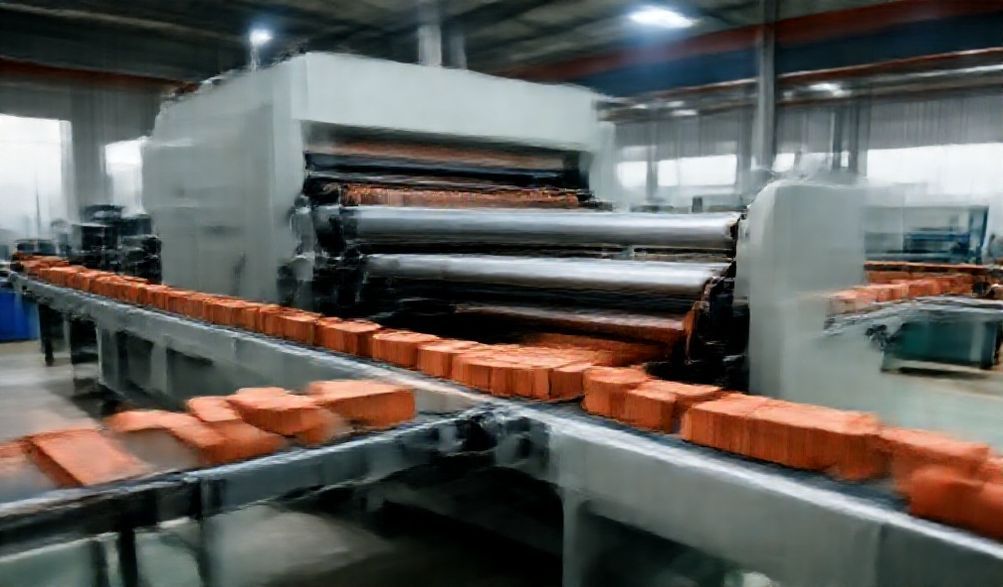
Your Ultimate Guide to Finding a Reliable Clay Brick Making Machine Manufacturer in China
ਪਰਿਚਯ
The global construction industry runs on clay bricks. As a timeless, durable, and sustainable building material, the demand for high-quality bricks is constant, fueling the need for efficient production machinery. In this landscape, China has emerged not just as a player, but as the world’s undisputed manufacturing hub for construction equipment, including clay brick making machines. The scale, technological advancement, and cost-effectiveness offered by the Chinese market are unparalleled.
However, for a buyer—whether you’re establishing a new brick plant or upgrading an existing one—navigating this vast market can be daunting. The sheer number of suppliers, the challenge of verifying quality from afar, the complexities of international logistics, and the critical need for reliable after-sales support present a significant hurdle. How do you separate the truly reputable manufacturers from the rest?
This guide is designed to be your definitive roadmap. Drawing from over a decade of analyzing industrial manufacturing trends and direct engagement with factory floors and trade networks, we provide unbiased, practical advice. Our goal is to equip you with the knowledge and checklist needed to make an informed, confident decision, turning the challenge of sourcing from China into a strategic advantage for your business.
Why Source Clay Brick Making Machines from China?
Choosing to source your machinery from China is a strategic decision backed by tangible benefits. It’s about accessing a concentrated ecosystem of innovation, efficiency, and value.
Unmatched Scale and Industrial Clusters
China’s manufacturing strength lies in its specialized industrial clusters. For clay brick making machinery, key provinces include:
- Fujian & Shandong: Known for heavy concentration of brick and block machine manufacturers, offering everything from small manual presses to massive automated lines.
- Guangdong & Jiangsu: Hubs for advanced manufacturing and technological integration, often home to companies leading in automation.
This clustering creates immense advantages for you as a buyer:
* Supply Chain Efficiency: All components—from hydraulic systems and molds to electrical panels—are readily available locally, reducing production lead times.
* Healthy Competition: A high density of manufacturers fosters competition, driving innovation and keeping prices competitive.
* Knowledge Concentration: It creates a pool of skilled labor and specialized engineering expertise focused solely on brick-making technology.
Cost-Effectiveness Without Compromising on Range
The perception of China as merely a source of “cheap” goods is outdated. Today, it is the world’s best source of cost-effective value.
- Competitive Pricing: Economies of scale and efficient supply chains allow Chinese manufacturers to offer robust machinery at a fraction of the cost of Western or Japanese counterparts.
- Vast Product Selection: You can find a machine for every need and budget:
- ਮੈਨੂਅਲ/ਸੈਮੀ-ਆਟੋਮੈਟਿਕ ਮਸ਼ੀਨਾਂ: Ideal for small-scale startups or artisanal production.
- ਪੂਰੀ ਤਰ੍ਹਾਂ ਆਟੋਮੈਟਿਕ ਉਤਪਾਦਨ ਲਾਈਨਾਂ: For high-volume output with minimal labor, featuring auto-feeding, stacking, and palletizing.
- Customizable Solutions: Machines tailored for specific brick types (hollow, interlocking, paving) or unique raw material blends.
Technological Adoption and Manufacturing Expertise
Chinese manufacturers are no longer just replicators; they are innovators. Modern Chinese clay brick making machines incorporate:
- Advanced Automation: PLC control systems for precise, repeatable operation and easy parameter adjustments.
- Energy-Efficient Designs: Optimized hydraulic systems and motor configurations to reduce long-term operating costs.
- IoT Readiness: Many new models feature connectivity options for remote monitoring of production data and predictive maintenance alerts.
- Material Science Expertise: Deep experience in designing machines that work efficiently with diverse clay types, including those with additives like fly ash or shale.
Key Factors When Evaluating a Chinese Manufacturer
With hundreds of options, a systematic evaluation is crucial. Focus on these core pillars to identify a truly reliable partner.
Manufacturing Experience and Technical Expertise
A company’s history is a strong proxy for its stability and knowledge. Prioritize manufacturers with a proven track record.
- Look for Longevity: Seek companies with 10+ years of operation. This indicates they have navigated market cycles, refined their products, and built a reputation.
- ਇਨ-ਹਾਊਸ ਆਰ ਐਂਡ ਡੀ: A dedicated research and development team is a sign of a forward-thinking company committed to improving its machines, not just assembling parts.
- Request Case Studies & Project Portfolios: A credible manufacturer will readily share details of past installations, including photos, videos, and client testimonials (with permission). This provides tangible proof of capability.
Product Portfolio and Machine Capabilities
Dig deep into the technical specifications. A quality machine is defined by its performance and adaptability.
- Core Specifications to Compare:
- ਉਤਪਾਦਨ ਸਮਰੱਥਾ: Measured in bricks per hour (e.g., 2,000 – 20,000 pcs/h). Ensure it matches your business plan.
- ਆਟੋਮੇਸ਼ਨ ਪੱਧਰ: How much manual intervention is required for feeding, stacking, and palletizing?
- ਪਾਵਰ ਦੀਆਂ ਲੋੜਾਂ: Voltage (e.g., 380V/50Hz) and total power consumption (kW).
- ਦਬਾਅ ਬਲ: The compaction force (measured in tons) is critical for brick density and strength.
- Raw Material Flexibility: Can it handle your specific clay moisture content and composition?
- Customization: A good partner will ask detailed questions about your raw materials and desired final product to recommend or customize the machine accordingly.
Quality Control and Certifications
International certifications are your first line of defense. They are not just paperwork; they represent adherence to globally recognized standards.
- Essential Certifications:
- ਸੀ ਈ ਮਾਰਕਿੰਗ: Indicates conformity with health, safety, and environmental protection standards for products sold within the European Economic Area. It’s a strong signal of safety-conscious manufacturing.
- ISO 9001: Certification for Quality Management Systems. It shows the manufacturer has standardized processes to ensure consistent product quality.
- SGS/BV Inspection Reports: While not a manufacturer’s certificate, these independent bodies can be hired to verify quality. A manufacturer familiar with working with them is a positive sign.
After-Sales Service and Support
The relationship begins, it does not end, at the point of shipment. Inadequate support can turn a great machine into a costly paperweight.
- Clear Warranty: Typically 12-18 months for major components. Understand exactly what is covered (parts, labor, shipping) and the process for claims.
- Spare Parts Availability: Ensure the supplier stocks and can quickly ship critical wear-and-tear parts (molds, seals, hydraulic cylinders). Request a spare parts list and price catalog upfront.
- ਤਕਨੀਕੀ ਸਹਾਇਤਾ What channels are available (email, WhatsApp, WeChat, phone)? Is support available in English or your local language?
- ਇੰਸਟਾਲੇਸ਼ਨ ਅਤੇ ਸਿਖਲਾਈ Will they provide comprehensive English manuals, video guides, remote video call assistance, or the option to send a technician to your site?
A Step-by-Step Sourcing Process
Follow this structured approach to minimize risk and maximize the success of your procurement project.
Step 1: Deep Research and Shortlisting
- Platforms: Use B2B platforms like Alibaba.com (look for “Gold Suppliers” or “Assessed Suppliers”) and Made-in-China.com. Use the target keyword “clay brick making machine manufacturer in china” as a starting point.
- Beyond Online: Research industry-specific trade shows like the China Import and Export Fair (Canton Fair) or Bauma China.
- Initial Filter: Create a long list of 15-20 potential suppliers. Critical Caution: Immediately disregard any supplier offering prices significantly (30%+) below the market average—this is the biggest red flag.
Step 2: Rigorous Supplier Verification
- Factory Audit: Request a recent factory audit report or, ideally, arrange a virtual video tour of their production facility and testing area. This is non-negotiable.
- Business License: Ask for their official business license (in English) and verify it through third-party services if possible.
- Client References: Ask for contact information for 2-3 previous international clients. A reputable supplier will have satisfied customers willing to vouch for them.
Step 3: Clear Communication and Quotation Analysis
- Prepare a Detailed RFQ: Your Request for Quotation should include all desired specs, desired brick samples, and raw material analysis.
- Understand Incoterms: Clarify terms like FOB (Free On Board) or CIF (Cost, Insurance, and Freight). FOB is common, where you own the goods and assume risk/cost once loaded on the ship.
- Identify All Costs: Ensure the quotation is itemized and includes: machine price, standard accessories, export packaging (robust wooden crate), documentation fees, and inland freight to the port.
Step 4: Prototype, Sample, and Contract Safeguards
- Sample Order: If feasible, order a small batch of bricks made by their machine using your clay sample (or a similar blend). This tests the machine’s output quality.
- The Contract is Key: Never proceed without a detailed, legally-vetted proforma invoice or sales contract. It must include:
- Exact technical specifications and drawings.
- Payment terms (e.g., 30% deposit, 70% before shipment).
- Delivery timeline.
- Warranty terms and scope.
- Liability clauses for delays or non-conformance.
Common Pitfalls and How to Avoid Them
The “Too Good to Be True” Price Trap
An unrealistically low price is almost always a warning. It often means:
* Inferior materials (low-grade steel, substandard hydraulics).
* Poor craftsmanship and lack of proper quality control.
* Omission of essential safety features or control systems.
* No meaningful after-sales service budget.
Solution: Establish a realistic budget based on market research and view the machine as a 10+ year investment, not a one-time purchase.
Inadequate Technical and Spare Parts Support
Stories abound of machines sitting idle for months waiting for a simple, unavailable spare part or a resolution to a technical fault.
Solution: During negotiations, explicitly agree on:
* A guaranteed spare parts supply period (e.g., 10 years).
* The maximum response time for technical inquiries.
* The process and cost for dispatching a technician if needed.
Logistics and Customs Clearance Complexities
Poor packaging can lead to damage during ocean freight. Incorrect documentation can cause costly delays at your port.
Solution:
* Insist on professional, seaworthy wooden crate packaging.
* Hire an experienced freight forwarder in your country to handle customs clearance.
* Verify the supplier will provide a complete set of export documents: Commercial Invoice, Packing List, Bill of Lading, Certificate of Origin, and any required declarations.
FAQ: Clay Brick Making Machine Manufacturer in China
Q1: What is the typical lead time for a clay brick making machine from China?
A: Lead times vary significantly. For a standard model, expect 30 to 60 days after receipt of your deposit. Fully customized or large automatic lines can take 90-120 days. Always confirm the detailed production and delivery schedule with your supplier before contracting.
Q2: Can Chinese manufacturers customize machines for my specific clay composition and brick design?
A: Yes, absolutely. Reputable manufacturers specialize in customization. The key is to provide them with as much data as possible: a detailed analysis of your raw clay, moisture content, and physical samples of your desired brick design (size, shape, density). They can often adapt molds and adjust pressure settings accordingly.
Q3: How do I handle machine installation and worker training?
A: You typically have three options:
1. Self-Installation: Using detailed English manuals and video guides provided by the manufacturer.
2. Remote Guidance: The manufacturer’s engineers guide your team via video call during installation and commissioning.
3. On-Site Technician (Recommended): For a fee, the manufacturer will send an engineer to your factory to supervise installation, conduct commissioning, and train your operators. This is highly recommended for complex automatic lines.
Q4: What are the key payment terms, and how can I ensure payment security?
A: The most common term is 30% deposit via T/T (bank wire transfer), with 70% balance paid before shipment. For added security, especially with new suppliers:
* Use Alibaba Trade Assurance if sourcing through that platform.
* Request payment via Letter of Credit (L/C), which provides bank-guaranteed terms.
* Never use non-reversible payment methods like Western Union for large transactions.
Q5: Are there reliable third parties that can inspect the machine before shipment?
A: Yes, and this is one of the most prudent steps you can take. We strongly recommend hiring an independent third-party inspection company like SGS, Bureau Veritas (BV), or Intertek. They will visit the factory, perform a pre-shipment inspection to verify the machine’s quality, functionality, and packaging against your contract, and provide a detailed report before you release the final payment.
Conclusion
Sourcing a clay brick making machine from China presents a tremendous opportunity to acquire advanced, cost-effective technology that can elevate your production capabilities. The journey, however, demands diligence, research, and a strategic approach that prioritizes partnership over mere transaction.
The path to success lies in consistently valuing a manufacturer’s demonstrated experience, technical expertise, and unwavering commitment to after-sales service above the allure of the lowest initial price. This guide serves as your actionable checklist.
We encourage you to use this framework to conduct thorough research, ask detailed and probing questions, and view your chosen manufacturer as a long-term strategic partner in growing your brick production business. Our goal has been to empower you with transparent, expert knowledge, allowing you to navigate the Chinese manufacturing landscape with confidence and secure a machine that will be a productive asset for years to come.
<