
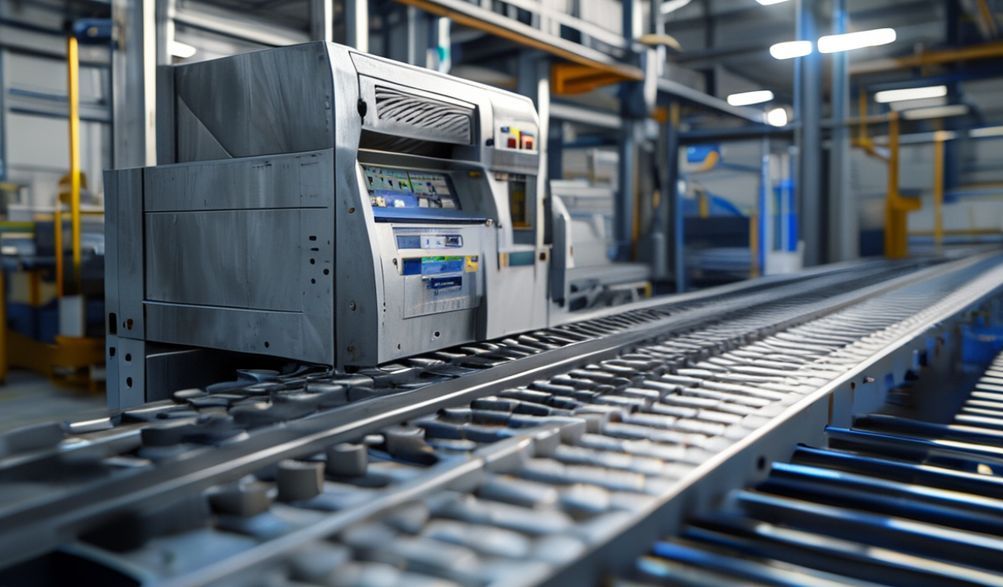
Preço da Máquina Automática de Fabricação de Blocos de Concreto: Um Guia Completo 2026 da Fábrica FUDA
Investir em uma máquina automática de fabricação de blocos é uma decisão importante, e a ampla variedade de preços pode ser confusa e avassaladora. Você não está apenas comprando uma máquina; está investindo na base do seu negócio ou projeto de construção. Navegar entre orçamentos suspeitamente baixos e cifras premium exige clareza, não suposições.
Na FUDA Fábrica de Tijolos, trazemos mais de duas décadas de experiência em engenharia. Projetamos, fabricamos e oferecemos suporte a máquinas de fabricação de blocos para clientes em seis continentes. Essa experiência prática nos deu uma perspectiva clara: um comprador bem informado faz o melhor investimento.
Este guia visa desmistificar a precificação das máquinas automáticas para fabricação de blocos de concreto. Não vamos apenas listar números. Em vez disso, explicaremos os fatores críticos que determinam o custo, transformando você de um comprador confuso em um comprador bem-informado. Nossas percepções são fundamentadas na engenharia do mundo real, na análise de inúmeros projetos de clientes e em um compromisso com a transparência.
Ao final deste guia, você entenderá como avaliar o preço em relação ao valor a longo prazo, garantindo que seu investimento esteja perfeitamente alinhado com seus objetivos de produção e orçamento.
O que é uma Máquina Automática de Fabricação de Blocos de Concreto?
Uma máquina automática para fabricação de blocos de concreto é um sistema mecanizado e totalmente integrado, projetado para produzir blocos de concreto com intervenção humana mínima. Desde a alimentação das matérias-primas (mistura de concreto) até a ejeção dos blocos acabados e curados, o processo é sequenciado e controlado por um sistema central. Isso contrasta fortemente com as máquinas manuais ou semiautomáticas, que exigem mão de obra significativa para operação e manuseio.
Componentes Principais e Sua Função (e Custo)
O preço de uma máquina é um reflexo direto de seus componentes. Entender essas partes revela por que os custos variam.
- Sistema Hidráulico (A Fonte de Energia):Este é o músculo. Cilindros hidráulicos de alta pressão fornecem a força imensa necessária para compactar o concreto em blocos densos e resistentes. A qualidade, marca e configuração de bombas, válvulas e cilindros impactam significativamente o custo e a durabilidade.
- Sistema de Vibração (Para Densidade e Resistência):Vibrações de alta frequência removem bolsas de ar e garantem que a mistura de concreto se assente completamente no molde. Os sistemas podem ser unilaterais ou mais eficientes bilaterais (vibração da cabeça de compactação e da mesa), sendo que este último contribui para um preço mais alto da máquina, mas oferece qualidade superior dos blocos.
- Painel de Controle (PLC vs. Controles Manuais):O cérebro da operação. As máquinas modernas utilizam Controladores Lógicos Programáveis (CLPs) com interfaces de tela sensível ao toque. Isso permite um controle preciso sobre o tempo de vibração, a pressão e as sequências do ciclo, garantindo consistência. As máquinas básicas podem usar controles mais simples baseados em relés.
- Sistema de Molde e Palete (Determina o Tipo de Bloco)O molde define o formato do bloco (vazado, maciço, pavimentador, intertravado). Máquinas com sistemas de troca rápida de moldes oferecem versatilidade, mas são mais complexas. O sistema de paletes, que transporta o bloco durante a cura, pode ser de retorno manual ou totalmente automático, um grande diferencial de automação.
- Sistemas de Transportadores e Empilhadeiras:Em linhas totalmente automáticas, transportadores de correia movimentam paletes brutos e blocos acabados, enquanto empilhadeiras robóticas organizam ordenadamente os produtos para cura. Esse nível de automação no manuseio de materiais aumenta drasticamente a produção e o preço.
Principais Vantagens em Relação às Máquinas Semiautomáticas e Manuais
Por que investir mais inicialmente? As vantagens se traduzem diretamente no seu lucro final.
- Maior Produção e Produção ConsistenteMáquinas automáticas operam em um ciclo contínuo, produzindo centenas de blocos a mais por hora do que os modelos semiautomáticos. Essa escalabilidade é crucial para atender a grandes pedidos.
- Qualidade e Uniformidade Superiores do Bloco PLC-controlled processes ensure every block receives identical vibration and compaction. This results in uniform dimensions, high compressive strength, and a professional finish for every single unit.
- Redução Significativa nos Custos Trabalhistas: One or two operators can manage an entire automatic line, replacing the 6-8 laborers often needed for semi-automatic production. This slashes long-term operational costs and reduces dependency on manual labor availability.
- Better Return on Investment (ROI) for Medium-Large Projects: While the initial investment is higher, the combination of lower labor costs, higher output, and premium product quality leads to a faster payback period and greater profitability for serious businesses.
Key Factors Determining Automatic Block Machine Price
The price tag is a sum of its parts and capabilities. Here are the six primary factors that determine the cost of an automatic concrete block making machine.
1. Production Capacity (Blocks Per Hour)
Capacity is the most significant price driver. Machines are typically tiered by output (based on standard 400x200x200mm hollow blocks).
- Small-scale (500-1,500 blocks/hr): Ideal for startups or specialized products. Lower initial investment.
- Medium-scale (1,500-4,000 blocks/hr): The most popular range for growing block yards and regional suppliers. Balances cost with strong production capability.
- Large-scale & Plant Solutions (4,000+ blocks/hr): These are complete production lines with integrated batching plants and automated handling. Designed for high-volume manufacturers and major infrastructure projects.
2. Nível de Automação e Tecnologia
Automation exists on a spectrum, each step adding cost and efficiency.
- Automático Básico: Machine automates the molding and compaction cycle. Pallet feeding and block removal may be manual.
- Totalmente Automático: Includes automatic pallet feeders, block ejectors, and conveyor systems to transfer blocks to the curing area. Drastically reduces manual handling.
- Computerized Plant: Incorporates an automatic batching system for mixing concrete, robotic stackers, and central computer control for the entire production flow.
3. Block Type & Mold Configuration
The product you intend to make directly influences the machine design and cost.
- Standard Hollow/Solid Blocks: Use common, widely available molds.
- Produtos Especializados: Pavers, interlocking blocks, curb stones, or custom-designed blocks require specially engineered molds and sometimes machine adjustments.
- Mold System Cost: A machine equipped with a quick-change mold system for producing multiple block types will be more expensive than a dedicated single-mold machine.
4. Machine Build Quality & Brand Value
This is where “price” separates from “cost.” Cheap machines cut corners here.
- Qualidade do Material: The grade and thickness of structural steel, the quality of hydraulic hoses and seals, and the use of reputable component brands (e.g., Siemens or Schneider for electricals, Rexroth for hydraulics) ensure longevity.
- FUDA’s Manufacturing Standards: Our machines are built with reinforced, stress-relieved frames. Critical components undergo rigorous pre-assembly testing. This upfront investment in quality prevents costly downtime and extends the machine’s operational life by years.
- Custo Total de Propriedade (CTP): A cheaper machine may have a lower sticker price but higher maintenance costs, more frequent breakdowns, and a shorter lifespan. A robust machine from a reputable brand like FUDA has a higher initial price but a far lower TCO.
5. Power Requirements & Energy Efficiency
A machine’s power rating (in kW) affects both your utility bills and the machine’s capability.
- High-capacity machines with powerful vibration motors and hydraulic systems require more electrical power.
- Modern, well-designed systems optimize energy use without sacrificing performance. An energy-efficient design is a mark of advanced engineering.
6. After-Sales Support & Service Package
A machine is a long-term partnership. The support behind it holds tangible value.
- Garantia: Comprehensive warranty terms (e.g., 1-2 years on core components) provide peace of mind.
- Training & Installation: Does the price include detailed operator training and on-site or remote installation supervision? This is critical for a smooth start-up.
- Disponibilidade de Peças de Reposição: A supplier with a global parts network ensures you won’t face months of downtime waiting for a replacement component. This logistical support is factored into the value proposition of established brands.
Price Range Breakdown for Automatic Machines
To provide a realistic framework, here are indicative price ranges for 2026. These are estimates for standard configurations; final quotes are always customized.
Entry-Level Automatic Machines
- Faixa de Preço Aproximada: $25,000 – $45,000
- Typical Specifications: Capacity of 800-1,500 blocks per hour. Often includes a basic PLC control system and manual or semi-automatic pallet handling. Ideal for producing one or two standard block types.
- Ideal Para: Small businesses, entrepreneurs entering the market, or factories focusing on a niche, specialized block product.
Mid-Range Standard Automatic Machines (Most Popular)
- Faixa de Preço Aproximada: $45,000 – $85,000
- Typical Specifications: Capacity of 1,500-3,500 blocks per hour. Features a robust PLC with touchscreen, automatic pallet return and feeding, and often a block elevator or simple conveyor. Offers good mold flexibility.
- Ideal Para: Growing block manufacturing yards, suppliers for medium-sized housing developments, and businesses looking to seriously scale production and replace semi-automatic lines.
High-Capacity Fully Automatic Production Lines
- Faixa de Preço Aproximada: $85,000 – $250,000+
- Typical Specifications: Output exceeding 4,000 blocks per hour. These are integrated systems that may include an automatic batching plant, multi-layer robotic stackers, and full conveyor line automation. Designed for continuous, unattended operation.
- Ideal Para: Large-scale block manufacturing plants, major infrastructure project suppliers, and government housing initiatives requiring massive, consistent output.
Aviso Importante: The prices above are indicative benchmarks. The final cost for your FUDA machine will vary based on the exact configuration, customizations, current raw material (steel) costs, shipping destination (FOB/CIF terms), and local customs duties. We provide detailed, no-obligation quotations tailored to your specific needs.
Beyond the Sticker Price: Calculating Your Real Investment (ROI)
A smart investment is measured by return, not just cost. Let’s analyze the full financial picture.
Initial Investment vs. Long-Term Value
Your total startup cost includes:
* Machine Cost (as quoted)
* Shipping & Insurance
* Installation & Foundation Work
* Initial Operator Training
* First Set of Spare Parts
While this is the capital outlay, the long-term value lies in years of reliable, high-output production.
Operational Cost Analysis
This is where automatic machines shine. Compare annual costs:
* Trabalho: Automatic: 2-3 operators. Semi-Auto: 6-8 operators. The savings are substantial.
* Energy: A higher-capacity machine uses more power, but its superior efficiency (more blocks per kWh) often results in a lower cost per block.
* Maintenance: A quality machine with scheduled maintenance has predictable, lower costs versus the frequent, disruptive repairs of a poorly built machine.
Revenue Potential & Payback Period
Example Model: FUDA Zenith-2000 (2,000 blocks/hr capacity).
* Shifts: 1 shift/day (8 hours) | Days/Month: 22 | Monthly Output: ~352,000 blocks.
* Conservative Revenue: (Assuming a modest profit margin per block) This model can generate significant monthly gross profit.
* Payback Period: For many of our clients, the savings on labor alone allow the machine to pay for itself within 12-24 months of operation. After that, it becomes a primary profit center.
Why Choose FUDA as Your Automatic Block Machine Supplier?
Your supplier is as important as the machine itself. Here’s what sets FUDA apart.
Proven Manufacturing Expertise & In-House R&D
With over 20 years of specialization, our in-house engineering team continuously innovates. We hold international certifications (e.g., CE, ISO) and our R&D focuses on improving energy efficiency, automation intelligence, and user-friendliness.
Quality Commitment & Robust Construction
We don’t compromise on materials. From the heavy-duty H-beam frame to the precision-machined mold boxes and branded hydraulic systems, every FUDA machine is built for a decade or more of demanding service. Each unit undergoes 48 hours of rigorous testing before shipment.
Comprehensive Customer Support Ecosystem
We sell solutions, not just hardware. Our support includes:
* Pre-Sales: Free project consultation to recommend the right model.
* Installation: Detailed layout drawings and optional engineer dispatch for supervision.
* Treinamento: Comprehensive on-site training for your operators and maintenance staff.
* After-Sales: Remote online support, a clear warranty, and a global network for spare parts supply.
Global Client Portfolio & Case Studies
FUDA machines are operating successfully from Southeast Asia to the Middle East, Africa to South America. We have supplied machines for residential developments, road paving projects, and large-scale industrial construction, earning a reputation for reliability.
Perguntas Frequentes (FAQ)
Q1: What is the cheapest price for a fully automatic block making machine?
A: While it’s possible to find machines with very low upfront prices, they often compromise on critical components like steel quality, hydraulics, and controls. This leads to frequent breakdowns, low output, and high long-term costs. We focus on providing the best valor—reliable machinery that maximizes your ROI. We offer entry-level models that are budget-friendly without sacrificing core quality.
Q2: Can I get a detailed quotation online?
A: Due to the customized nature of block production—varying block types, output goals, local power standards, and space constraints—we provide personalized quotations. Please contact our sales team via email or our website contact form with your basic requirements (desired capacity, block types, country). We will prepare a detailed, no-obligation proposal typically within 48 hours.
Q3: What is the delivery and installation process?
A: The process is streamlined: 1) We agree on final specifications and terms (FOB/CIF). 2) The machine is manufactured and tested. 3) It is disassembled, packed securely in containers, and shipped. 4) Upon arrival, our team provides detailed assembly manuals and video guides. We can also arrange for one of our engineers to supervise the installation and commissioning on-site for optimal setup.
Q4: What kind of after-sales service does FUDA offer?
A: Our service includes detailed operation and maintenance manuals, instructional videos, email and WhatsApp remote support for troubleshooting, a standard warranty on core components, and a guarantee of spare parts availability for the lifetime of the machine. We are committed to keeping your production line running.
Q5: How do I choose the right capacity machine for my business?
A: Consider your current daily demand, projected growth for the next 3-5 years, available factory space, and budget. A common strategy is to invest in a capacity slightly higher than your current needs to accommodate growth. This is exactly where our expertise helps. Share your business plan with us, and our engineers will provide a free consultation to recommend the most suitable model.
Conclusão
The price of an automatic concrete block making machine is far more than a number on an invoice; it is an investment in your business’s future productivity, scalability, and profitability. By understanding the factors that drive cost—from production capacity and automation level to build quality and support—you empower yourself to make a decision based on value, not just price.
At FUDA Brick Making Factory, we are committed to being your partner in this investment. We provide not just a machine, but a comprehensive production solution backed by decades of engineering expertise and a global support network. We believe in building machines that build businesses, reliably and profitably, for years to come.
Ready to move beyond generic price lists and get a personalized solution quote? Contact the FUDA engineering team today for a free, no-obligation consultation. Let’s discuss your project requirements and build a proposal that delivers the best value and return on investment for your specific needs.
At FUDA Brick Making Factory, we build machines to build your business.
<