
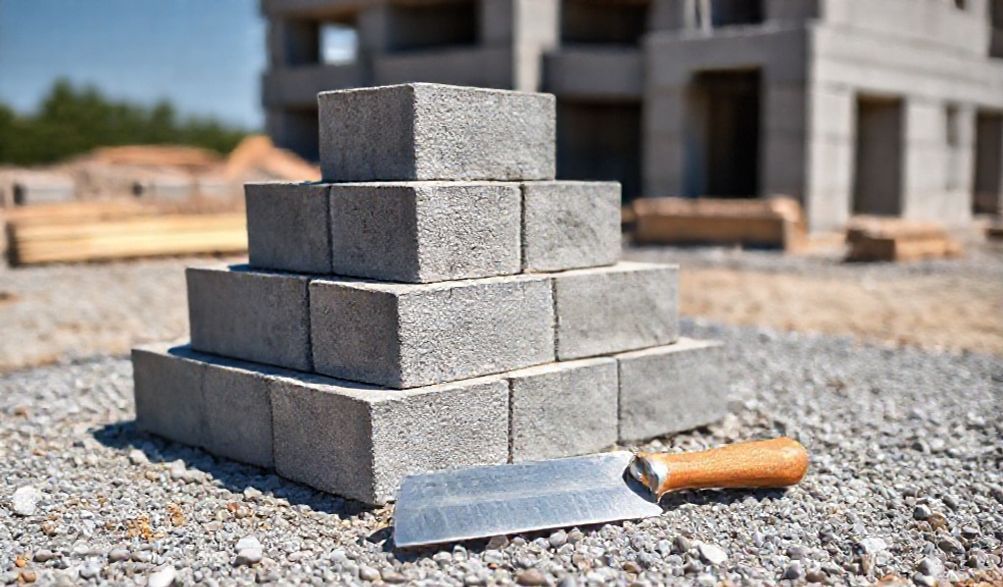
Cement Base Blocks: A Comprehensive Guide to Types, Uses, and Installation
Introdução
Planning a patio, shed foundation, or retaining wall? The unsung hero of your project might just be the humble cement base block. These sturdy, rectangular units form the critical interface between your structure and the ground, providing the stability and load-bearing capacity needed for success. Whether you’re a seasoned DIYer or planning your first construction project, understanding how to select and use these blocks is fundamental.
This guide is built on established industry standards, proven best practices, and practical knowledge. Our goal is to provide you with authoritative, trustworthy information to ensure your project is not only successful but also safe and durable. By the end, you’ll have a clear understanding of block types, proper selection criteria, a step-by-step installation roadmap, and essential maintenance tips—empowering you to make informed, confident decisions for your specific needs.
Understanding Cement Base Blocks: More Than Just Concrete
At first glance, a cement block might seem like a simple chunk of hardened material. In reality, it’s a precisely engineered building component designed for performance and reliability.
What Are Cement Base Blocks? (Definition & Core Composition)
Cement base blocks, most accurately called Concrete Masonry Units (CMUs), are pre-cast masonry units. They are manufactured from a controlled mixture of:
* Portland Cement: The binding agent that holds everything together.
* Agregados: Such as sand, fine gravel, or crushed stone, which provide bulk and strength.
* Água: Activates the cement in a chemical process called hydration.
This mix is poured into molds, compacted, and then cured—often with steam—to achieve its specified compressive strength. This manufacturing process creates a uniform, consistent product ideal for construction.
Key Advantages of Using Cement Blocks for Foundations and Bases
Why choose blocks over other methods like poured concrete? The benefits are compelling:
- Durability and Longevity: They are inherently resistant to fire, moisture, rot, and pests like termites. A properly installed block base can last for decades.
- High Load-Bearing Capacity: Designed to handle significant compressive loads, making them perfect for supporting structures from garden sheds to multi-story walls.
- Custo-Efetividade: For many small to medium-sized projects, using blocks is often more economical than arranging for poured concrete, considering material and labor costs.
- Facilidade de Instalação: Their modular nature allows for straightforward handling and placement. Mistakes can be corrected more easily than with wet concrete.
- Versatilidade: They can be used as-is, painted, stuccoed, or veneered with stone or brick for aesthetic appeal.
Common Applications and Project Ideas
The use of cement base blocks extends far beyond simple foundations. Common projects include:
* Shed Bases and Foundations: Creating a stable, level, and dry platform.
* Patio and Walkway Bases: Serving as a solid sub-base for pavers or flagstones.
* Retaining Wall Foundations: Providing the crucial buried footing for the visible wall above.
* Support Piers for Decks and Pergolas: Offering isolated, stable points of support.
* Base for Masonry Walls and Fences: Forming the first course below grade for block, brick, or stone walls.
Types of Cement Base Blocks: Choosing the Right Unit
Not all blocks are created equal. Selecting the correct type is the first critical step toward a successful project.
Solid vs. Hollow Core Blocks: A Structural Comparison
The most fundamental distinction is between solid and hollow-core blocks.
* Blocos Sólidos: Dense and heavy, they offer the highest compressive strength and are ideal for applications requiring maximum load-bearing capacity, like heavy foundation piers.
* Hollow-Core Blocks: The most common type. They have two or three vertical voids. These cores reduce weight, making them easier to handle, and provide space for inserting vertical steel reinforcement (rebar) and filling with grout for immense strength in seismic zones or for tall walls.
Standard Concrete Blocks (CMUs): Dimensions and Grades
The workhorse of the category is the standard hollow-core block, typically measuring 8 inches in height by 16 inches in length (nominal dimensions). The actual dimensions are about 7 5/8″ x 15 5/8″ to account for a 3/8″ mortar joint.
* Weight Classifications:
* Normal Weight: Made with dense aggregates like sand and gravel. Weight: ~38 lbs per standard 8x8x16 block.
* Leve: Made with expanded shale, clay, or slate. Weight: ~28 lbs. Easier to handle and offers better insulation but may have slightly lower compressive strength.
Specialty Blocks for Specific Functions
To create clean, professional results, manufacturers offer blocks designed for specific roles:
* Cap or Sill Blocks: These solid, smooth-topped blocks are used as the final course on a wall or foundation to provide a neat finish and a solid bearing surface.
* Corner Blocks: Feature a smooth, finished end on one side to create clean 90-degree corners without exposed core holes.
* Foundation/Footing Blocks: Often heavier and may have a broader base to better distribute load in below-grade applications.
Planning and Preparation: The Blueprint for Success
Rushing the preparation stage is the most common cause of project failure. Time invested here pays dividends in a straight, level, and long-lasting result.
Calculating How Many Blocks You Need
Use a simple formula:
1. Calculate the total length of your base in feet.
2. Multiply by 12 to convert to inches.
3. Divide by the length of your block (15 5/8″ for a standard block with mortar joint).
Exemplo: A 10-foot long shed base: (10 ft x 12 in/ft) / 15.625 in/block = 7.68 blocks for the first course.
Remember to calculate for all courses and always purchase an extra 5-10% to account for cuts, breakage, and mistakes.
Essential Tools and Safety Gear
Gathering the right tools before you start is non-negotiable for efficiency and safety.
* Tools: Mason’s trowel, margin trowel, 4-foot level, string line and line blocks, rubber mallet, shovel, spade, wheelbarrow, mixing hoe or mortar mixer, tape measure, chalk line.
* Safety Gear: Safety glasses, heavy-duty work gloves, sturdy boots, and a dust mask (especially when mixing dry mortar or cutting blocks). Safety is the ultimate mark of a knowledgeable builder.
Site Preparation: Excavation, Grading, and Base Material
- Mark and Call: Clearly mark your project area with stakes and string. Before any digging, call 811 to have underground utility lines marked. This free service is critical for your safety and authority as a responsible project planner.
- Excavate: Dig to a depth that accounts for your compacted base material plus the full height of your block course(s). For a shed base, this is often 6-8 inches deep.
- Install the Gravel Base: Add 4-6 inches of compactible gravel (like “¾-inch minus” or “crusher run”). Spread and compact it in 2-inch layers using a hand tamper or plate compactor. This base is essential for drainage, stability, and preventing frost heave. Use your level and a long, straight board to ensure the gravel base is perfectly level and flat.
Step-by-Step Installation Guide
With your site prepped, you’re ready to build. Patience and attention to detail are your best tools here.
Laying the First Course: The Most Critical Step
The entire project rests on this first row. If it’s not level and square, every subsequent block will compound the error.
1. Dry Layout: Place your first course of blocks without mortar on the gravel base. Check spacing and adjust your layout if needed.
2. Mix Mortar: Prepare a Type N or Type S mortar mix to a workable, “buttery” consistency—it should hold its shape on your trowel.
3. Set the Corners: At one corner, lay a 1-inch thick bed of mortar. “Butter” the ends of your first corner block and set it firmly into the mortar. Use your level to check for level side-to-side and front-to-back. Tap it gently with the rubber mallet to adjust.
4. Set the Opposite Corner: Repeat the process for the block at the far corner of the same course.
5. String a Guide Line: Run a mason’s line between the two set corner blocks, secured with line blocks. This line will guide the top outside edge of all intermediate blocks.
6. Fill the Course: Lay a mortar bed and set the remaining blocks in the first course, buttering each end, aligning them with the string line, and checking for level.
Mortar Mixing and Application Techniques
A good mortar joint is full and about 3/8-inch thick.
* Mistura: Follow the bag instructions precisely. Mix thoroughly until uniform, then let it “slake” for 5-10 minutes before a final remix.
* Aplicação: Use your trowel to place a mortar bed. For vertical joints (“head joints”), apply a generous amount of mortar to the end of the block—this is called “buttering.” Press the block into place so mortar squeezes out slightly from all joints.
Building Up: Alignment, Leveling, and Tying Courses
- Stagger Joints: Begin the second course with a half-block to create a staggered, running bond pattern. This is crucial for structural strength.
- Check Constantly: After laying each block, check for level and alignment with your string line (re-set for each course). Use the level to ensure the wall is plumb (perfectly vertical).
- Tool the Joints: Once the mortar has thumbprint hardness (about 30-60 minutes), use a jointing tool to compress and smooth the joints. This seals the surface and improves weather resistance.
- Reinforcement: For walls over 3-4 feet tall or in areas with heavy loads or seismic activity, insert vertical rebar into the hollow cores at specified intervals and fill the cores with a soupy concrete grout. Always consult local building codes.
Beyond Basics: Tips for Durability and Professional Results
To elevate your project from good to great, consider these advanced touches.
Waterproofing and Drainage Considerations
Water is the primary enemy of masonry.
* For Retaining Walls: Always install a perforated drain pipe behind the first course, surrounded by gravel, to channel water away.
* For Below-Grade Foundations: Applying a brush-on damp-proofing coating or membrane to the below-grade portion of the blocks can prevent moisture ingress.
When to Use Reinforcement (Rebar & Grout)
Reinforcement transforms a block wall into a monolithic, incredibly strong structure. Use it when:
* Building a tall retaining wall or freestanding wall.
* The structure is in a high-wind or seismic zone.
* Supporting an exceptionally heavy load (e.g., a garage).
* Local building codes require it (always check first!).
Curing and Long-Term Maintenance
- Cura: Keep fresh mortar damp for 24-48 hours by misting it lightly with water, especially in hot, dry weather. This allows it to gain strength properly.
- Maintenance: Inspect periodically for cracks or settling. Re-apply sealant to above-grade walls every few years if desired. Ensure the surrounding ground slopes away from the base to promote drainage.
Frequently Asked Questions (FAQ) About Cement Base Blocks
Q: What is the difference between cement blocks, concrete blocks, and cinder blocks?
A: “Cement blocks” and “concrete blocks” are generally used interchangeably today, though “concrete block” or “CMU” is technically more accurate, as concrete is a mix of cement and aggregates. “Cinder blocks” are an older type that used coal cinders as the aggregate. They are lighter and less strong than modern CMUs and are rarely used in new construction.
Q: Can I lay cement base blocks directly on dirt or sand?
A: We strongly advise against it. Laying blocks directly on soil or uncompacted sand leads to uneven settling, poor drainage, and failure due to frost heave in cold climates. A compacted gravel base is non-negotiable for a stable, durable foundation.
Q: Do I need to use mortar for every project?
A: It depends on the project’s structural demands. For any load-bearing foundation, wall, or pier, mortar is essential. For a single-course, non-structural garden border, dry-stacking (without mortar) may be acceptable. However, mortar significantly increases permanence, alignment, and strength, so it’s recommended for most applications.
Q: How much weight can a cement block base support?
A: Load capacity varies dramatically based on block type (solid vs. hollow), mortar strength, sub-base quality, and how the load is applied. While a single standard hollow block might support several thousand pounds in perfect compression, we strongly recommend you do not rely on generic estimates. For critical load-bearing projects like deck piers or garage supports, consult engineering tables or a licensed structural engineer.
Q: Where can I buy cement base blocks, and what is the average cost?
A: They are widely available at home improvement centers (Home Depot, Lowe’s), masonry supply yards, and landscape material suppliers. The average cost for a standard 8x8x16 hollow-core block ranges from $1.50 to $3.00, with specialty blocks and solid blocks costing more. Prices vary by region, supplier, and quantity.
Conclusion
Cement base blocks are the versatile, robust, and cost-effective backbone of countless successful construction projects. From securing a garden shed to forming the foundation of a lasting retaining wall, their value is unmatched. As we’ve outlined, your success hinges on a simple formula: choosing the right materials, executing meticulous planning and site preparation, and following proven installation techniques.
For small to medium DIY projects, this guide provides the foundational knowledge you need to proceed with confidence. However, for large-scale, load-critical, or permitted structures, the most expert advice we can give is to consult or hire a professional mason or structural engineer. Their expertise ensures your project meets all safety codes and stands the test of time.
Have a specific project in mind or a question we didn’t cover? Share your thoughts in the comments below! For more in-depth knowledge, explore our related guides on perfecting mortar mixes or advanced site preparation techniques.
<