
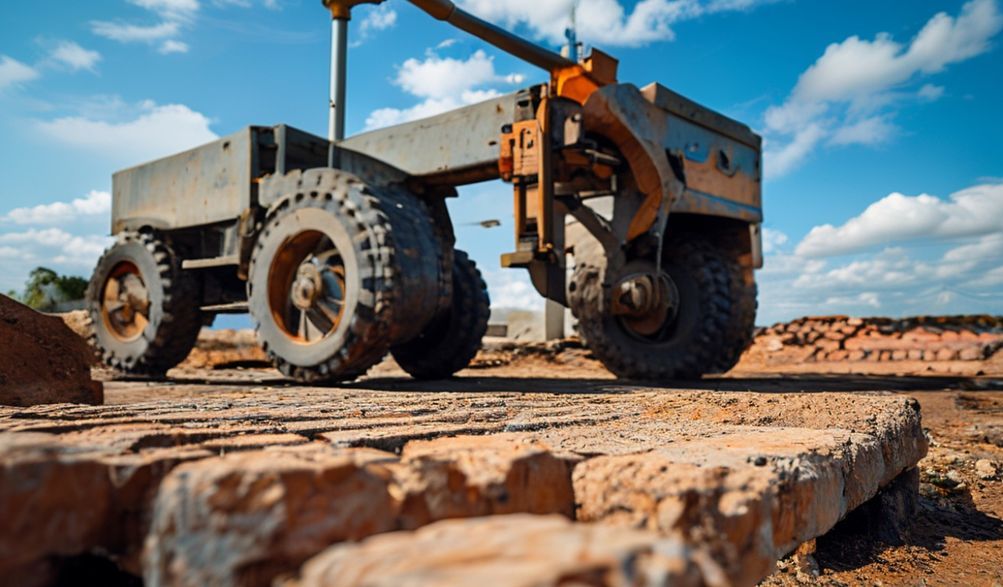
Seu Guia Completo para a Máquina de Blocos de Concreto FUDA em Uganda
Introdução
O horizonte de Uganda está se transformando. Dos agitados centros urbanos em Kampala aos municípios em crescimento por toda a nação, um boom de construção está em andamento, impulsionado pela urbanização e pelo desenvolvimento de infraestrutura. Mas esse crescimento depende de uma questão fundamental:de onde virão os milhões de blocos de construção confiáveis e acessíveis?
Por anos, construtores e empreendedores têm lidado com as limitações da produção manual de tijolos — lenta, intensiva em mão de obra e propensa a inconsistências de qualidade. A maquinaria importada frequentemente vem com preços exorbitantes, manutenção complexa e suporte local escasso. O resultado? Atrasos nos projetos, estouros de orçamento e potencial de negócios sufocado.
EntrarFodauma potência global na fabricação de maquinário de construção. Este guia se concentra naMáquina de fabricação de blocos de concreto FUDAcomo uma solução personalizada, eficiente e lucrativa para o mercado ugandense. Vamos além de discursos de vendas para oferecer uma análise abrangente e especializada, fundamentada em insights do setor e no contexto prático de Uganda. Nosso objetivo é simples: fornecer a você o conhecimento necessário para realizar um investimento confiante e informado, que impulsione seus projetos de construção ou empreendimento comercial por muitos anos.
Compreendendo a Marca FUDA e Sua Reputação na África
Antes de investir em maquinário, compreender o fabricante por trás dele é crucial. Uma máquina é um parceiro de longo prazo na sua produtividade, e a reputação da sua marca é um indicador direto do seu sucesso futuro.
Quem é a FUDA Machinery?
- Herança & Expertise:A FUDA Machinery Co., Ltd. não é uma novata no mercado. Com décadas de especialização no projeto e fabricação de equipamentos de construção, eles construíram uma reputação formidável. Seu foco principal está nas máquinas de fabricação de tijolos, blocos e pavimentadoras, que são projetadas para durabilidade e eficiência.
- Alcance Global:Embora enraizada em princípios robustos de fabricação, a FUDA possui uma presença internacional significativa. Suas máquinas estão operacionais em vários continentes, comprovando sua adaptabilidade a diversos mercados e padrões de construção.
A Pegada da FUDA no Mercado Ugandense
A FUDA não é apenas mais um nome importado em Uganda. Eles cultivaram uma presença tangível, que é um fator crítico para os compradores.
- Parcerias Locais:A FUDA estabeleceu redes com revendedores e distribuidores autorizados em toda a África Oriental, incluindo Uganda. Esses agentes locais são vitais para vendas, demonstrações e, crucialmente, suporte pós-venda.
- Histórico Comprovado:Numerosas pequenas e médias empresas (PMEs) e construtoras de maior porte em Uganda integraram as máquinas FUDA em suas operações. Seu uso contínuo e compras repetidas falam muito sobre o desempenho das máquinas e a viabilidade do serviço local.
Por que a Confiança é Importante no Investimento em Maquinário
No ambiente prático de Uganda, a confiança em uma marca de maquinário se traduz em três benefícios tangíveis:
- Serviço Pós-Venda:Você pode obter ajuda quando precisar? Uma rede de serviços local significa tempos de resposta mais rápidos para problemas técnicos.
- Disponibilidade de Peças de Reposição:Máquinas exigem manutenção. Peças de reposição genuínas e prontamente disponíveis evitam paradas dispendiosas.
- Suporte Técnico:A instalação adequada e o treinamento dos operadores garantem que você alcance a produção anunciada da máquina desde o primeiro dia.
O investimento da FUDA na presença local aborda diretamente essas preocupações, reduzindo o risco para os investidores ugandenses.
Principais Características e Especificações Técnicas das Máquinas de Fabricação de Blocos FUDA
A FUDA oferece uma variedade de máquinas projetadas para atender a diferentes escalas de operação, desde um empreendedor iniciante até uma empresa de construção estabelecida.
Tipos e Modelos de Máquinas Disponíveis
Escolher o modelo certo depende do seu capital, da produção desejada e da estratégia de mão de obra.
- Manual & Semi-Automatic Models: Ideal for small-scale contractors and startups. These models, like the QMY series, require more manual labor for feeding and block removal but have a lower initial cost. They are perfect for producing high-quality blocks for individual housing projects or small commercial builds.
- Fully Automatic Models: Suited for medium to large-scale production. Machines like the Desculpe, não consegui identificar "QFT series". Você poderia fornecer mais contexto ou o texto que gostaria que fosse traduzido? automate the entire process—mixing, molding, and stacking—using a programmable logic controller (PLC). They offer high output with minimal manual intervention, maximizing efficiency for block supply businesses or large developers.
Capacidade de Produção e Produção
Capacity is a key purchasing decision. FUDA machines are rated for impressive outputs.
- Scale Examples: A semi-automatic model might produce 800-1.500 blocos por turno de 8 horas, depending on block type and crew efficiency. A fully automatic line can produce 5,000 to 20,000+ blocks in the same period.
- Block Versatility: These machines can produce a wide array of products essential to Ugandan construction:
- Standard Hollow Blocks (4”, 5”, 6”)
- Blocos de Concreto Maciço
- Interlocking Stabilized Soil Blocks (ISSBs)
- Pavement Slabs and Kerbstones
- Project Match: This means one machine can supply everything from a single residential plot to a multi-acre commercial development.
Core Technical Advantages
What makes FUDA machines stand out in Uganda’s specific conditions?
- Construção Robusta: Built with heavy-duty steel and quality components to withstand the rigors of continuous production, ensuring a long operational lifespan.
- Eficiência Energética: Designed to operate effectively, with many models compatible with standard industrial power supplies or even generator power, a crucial consideration for areas with intermittent grid supply.
- Facilidade de Operação e Manutenção: User-friendly controls and accessible components mean your team can be trained quickly. Simplified mechanics make routine maintenance straightforward.
- Flexibilidade de Matérias-Primas: Engineered to work efficiently with locally available materials—Ugandan quarry dust, river sand, and aggregates—optimizing your input costs.
The Business Case: Cost, ROI, and Profitability in Uganda
Investing in a block making machine is a business decision. Let’s break down the financials with a Ugandan perspective.
Initial Investment and Pricing Factors
The price of a FUDA machine in Uganda varies significantly based on:
- Model & Automation Level: Manual machines start at a more accessible entry point, while fully automatic lines represent a larger, strategic investment.
- Shipping, Customs, and Local Logistics: These costs are factored into the final price quoted by local dealers.
- Dealer Markup & Support Package: A reputable dealer includes value through training, warranty, and initial support.
As a guide, expect a price range from several thousand USD for basic models to tens of thousands for high-capacity automated systems. Always request a detailed, all-inclusive quotation from an authorized dealer.
Calculating Your Return on Investment (ROI)
A simplified ROI framework helps visualize profitability.
- Estimate Daily Revenue: (Blocks produced per day) x (Selling price per block in UGX).
- Calculate Daily Operational Costs: Cement + Sand/Aggregate + Labor + Power + Miscellaneous.
- Determine Gross Daily Profit: Revenue – Operational Costs.
- Project Payback Period: (Total Machine Investment Cost) / (Gross Daily Profit).
Hypothetical Example: A semi-automatic machine producing 1,000 hollow blocks/day, sold at UGX 1,500 each, with daily operational costs of UGX 600,000, yields a gross daily profit of UGX 900,000. This could see a significant portion of the investment recouped within a year, depending on the initial machine cost and consistent operation.
Operational Costs and Efficiency
FUDA machines are designed to keep running costs low:
- Trabalho: Automating processes reduces the number of workers needed per block, lowering long-term wage expenses.
- Poder: Efficient hydraulic and vibration systems consume less electricity per block produced.
- Otimização de Materiais: Precise molding and high-pressure compaction reduce material waste, ensuring more blocks from your bags of cement.
Practical Guide: Installation, Operation, and Maintenance in Uganda
Success depends not just on buying the machine, but on implementing it correctly.
Site Requirements and Installation
- Espaço: You need a clear, level, and covered area for the machine, raw material storage, and block curing. A 100-200 sqm yard is typical for small-scale operations.
- Fundação A solid, level concrete foundation is mandatory for stable operation and vibration control.
- Poder: Ensure your site has the correct voltage and phase power supply as required by your specific model. Consult with your dealer during site planning.
- Dealer Role: A good local dealer will assist with site inspection and provide guidance or services for proper installation.
Sourcing Raw Materials Locally
The beauty of concrete block production is its use of local materials.
- Ideal Mix Ratio: A common starting mix is 1 part cement to 6-8 parts combined sand/aggregate (quarry dust). The exact ratio should be tested based on your material quality.
- Controle de Qualidade: Source sand and aggregate from reliable quarries. Ensure they are clean, free of excessive clay or organic matter, and properly graded. Test different mixes to achieve the optimal strength and finish.
Routine Maintenance and Troubleshooting
Proactive care prevents major breakdowns.
- Diário: Clean the machine thoroughly after use, especially the mold and feeding hopper. Check for loose bolts or nuts.
- Weekly/Monthly: Lubricate all moving parts as per the manual. Check hydraulic oil levels and hose connections.
- Common Issues & Fixes:
- Blocks not ejecting smoothly: Check mold alignment and lubrication.
- Inconsistent block density: Verify the raw material mix consistency and feeding quantity.
- Hydraulic pressure issues: Inspect for leaks and check oil levels.
- Crucial Advice: Always use genuine FUDA spare parts. Non-original parts may cause improper fit, reduced performance, and can void your warranty.
Comparing FUDA with Other Options in the Ugandan Market
FUDA vs. Other Imported Brands
- Price: FUDA often offers a competitive price-to-performance ratio, positioning itself between premium European brands and lower-cost, lesser-known imports.
- Service Network in Uganda: This is FUDA’s potential stronghold. Their established dealer network can be a decisive advantage over brands with no local presence, where servicing requires international calls and long part wait times.
FUDA vs. Local Fabrication/Manual Methods
- Qualidade e Consistência: FUDA machines produce uniform, high-strength blocks that meet engineering standards. Manual methods struggle with consistency, affecting structural integrity.
- Labor & Scale: A machine replaces a large manual labor team and produces exponentially more, enabling you to take on larger contracts.
- Long-Term Cost: While the initial outlay is higher, the per-block cost of machine production is lower than manual labor when scaled, offering greater profit margins.
Making the Right Choice for Your Needs
- Small Contractor / Individual: A manual or semi-automatic FUDA machine is ideal for controlling project costs and quality.
- Growing Block Supply Business: A semi-automatic or entry-level automatic model can help you scale up output reliably.
- Large-Scale Developer / Industrial Producer: A fully automatic FUDA production line is necessary for supplying major projects or dominating regional supply.
Perguntas Frequentes (FAQ)
Q1: What is the price of a FUDA concrete block making machine in Uganda?
A: Prices vary widely based on the model’s automation level and capacity. Manual machines can start from a few thousand USD, while high-output automatic lines cost significantly more. For an accurate price, contact an authorized FUDA dealer in Uganda for a detailed quotation inclusive of all local charges.
Q2: Where can I buy a genuine FUDA machine and get spare parts in Uganda?
A: Purchase only from authorized FUDA dealers or distributors. You can find these by contacting FUDA directly through their official international channels or searching for established construction machinery suppliers in Kampala and major regions. Verify their authorization to ensure you get a genuine machine with a valid warranty.
Q3: What training is provided for operating the machine?
A: Reputable local dealers typically provide basic operational and safety training upon installation. This may be conducted at your site or their facility. Ensure this training is part of your purchase agreement.
Q4: Can the machine produce different types of blocks (interlocking, pavement, etc.)?
A: Yes. The key component is the mold. FUDA machines support interchangeable molds. You can purchase additional molds for producing interlocking blocks, pavement slabs, decorative blocks, and more, making one machine highly versatile.
Q5: What kind of after-sales service and warranty can I expect?
A: Standard warranties often cover core parts for 6-12 months from the date of installation, subject to proper use and maintenance. The critical factor is the local dealer’s commitment. Clarify what on-site support they offer, their spare parts stock, and the response time for service calls before purchasing.
Conclusão
Uganda’s construction sector demands solutions that are reliable, efficient, and grounded in local reality. The FUDA concrete block making machine emerges as a compelling answer, combining robust engineering with a growing support network within the country. From its adaptability to local raw materials to its scalable models for different business sizes, it presents a clear path to improving construction quality and building a profitable enterprise.
If you are an entrepreneur looking to capitalize on the building materials deficit, or a builder seeking to control project costs and timelines, investing in a FUDA machine warrants serious consideration. It represents more than just equipment; it’s a tool for growth and quality assurance.
Take the next step with confidence. Use the knowledge from this guide to engage local authorized dealers. Request a live demonstration, ask detailed questions about service support, and get a formal quotation. See for yourself how the right machinery can lay a solid foundation for your success.
<