
Guia Completo para Máquinas de Fabricação de Blocos de Concreto Operadas por CLP e Como Escolher um Fabricante Confiável
Introdução
A paisagem moderna da construção é construída com base em velocidade, precisão e eficiência implacável. Embora a necessidade fundamental de blocos de concreto duráveis permaneça, os métodos de produção passaram por uma transformação radical. Já se foram os dias de depender exclusivamente de processos manuais intensivos em mão de obra e inconsistentes. Hoje, a vantagem competitiva pertence àqueles que aproveitam a automação, e no centro dessa revolução está a máquina de fabricação de blocos de concreto operada por CLP.
Para proprietários de negócios e gerentes de fábrica, os desafios são muito familiares: qualidade do produto flutuante levando a lotes rejeitados, custos trabalhistas crescentes, gargalos de produção imprevisíveis e frustrante desperdício de material. Esses problemas não apenas afetam a lucratividade; eles ameaçam a própria viabilidade de uma operação de fabricação de blocos em um mercado exigente.
A solução definitiva reside na automação de precisão. Uma máquina de blocos de concreto operada por CLP (Controlador Lógico Programável) não é apenas uma atualização; é uma mudança de paradigma. Ela substitui o palpite humano pela precisão digital, garantindo que cada bloco produzido na linha seja idêntico ao anterior. Este guia foi elaborado sob a perspectiva de um insider da indústria para cortar o jargão técnico e os discursos de vendas. Nosso objetivo é equipar você, o tomador de decisões, com insights práticos de especialistas para entender essa tecnologia transformadora e, principalmente, fazer uma escolha profundamente informada ao selecionar a sua.Fabricante de máquina para blocos de concreto operada por CLPEsta parceria é a base da sua futura produtividade e lucratividade.
O que é uma Máquina de Fabricar Blocos de Concreto Operada por CLP? (Desmistificando a Tecnologia)
No núcleo de seu funcionamento, uma máquina de blocos operada por CLP é uma sinfonia de mecânica robusta governada por um cérebro digital. Ela automatiza todo o ciclo de produção — desde a alimentação de matéria-prima até a ejeção de um bloco curado — com mínima intervenção humana. O resultado é um salto em consistência, produção e controle operacional que máquinas manuais ou semiautomáticas simplesmente não conseguem igualar.
Componentes Principais e Como Eles Funcionam em Conjunto
A operação física da máquina é uma maravilha da engenharia, mas sua inteligência define sua capacidade.
- O Sistema Mecânico:Isso inclui a estrutura de aço resistente, a cavidade do molde que molda o bloco, uma mesa de vibração de alta frequência para compactação, um sistema hidráulico potente para aplicar pressão e um sistema automatizado de alimentação/circulação de paletes.
- O PLC como o “Cérebro”Esta é a inovação central. O Controlador Lógico Programável é um computador de nível industrial projetado para controle de máquinas. Ele recebe entradas de vários sensores (posição, pressão, temperatura) e executa uma sequência lógica pré-programada para comandar cada ação. Controla a duração e intensidade exatas da vibração, a pressão precisa dos cilindros hidráulicos, o movimento do molde e o momento da ejeção do bloco — tudo com repetibilidade digital.
Vantagens Principais em Relação às Máquinas Convencionais
Investing in PLC automation delivers tangible, bottom-line benefits that justify the capital expenditure.
- Consistência e Qualidade Inigualáveis: The PLC eliminates human error. By controlling vibration frequency, hydraulic pressure, and cycle time to the millisecond, it ensures every block has identical dimensions, density, and compressive strength. This means fewer rejects, consistent compliance with ASTM or IS standards, and a superior product for your customers.
- Produtividade e Produção Aprimoradas: Automation enables high-speed, continuous cycles. Machines can produce anywhere from 1,500 to over 10,000 blocks per 8-hour shift (depending on model and block type), with only 1-3 operators needed for monitoring and pallet handling. This dramatically increases your production capacity.
- Eficiência Operacional e Redução de Custos: Significant reduction in direct labor costs is a major advantage. Furthermore, optimized cycles and efficient hydraulics lower power consumption per block. Precise material batching and reduced handling also minimize waste of valuable cement and aggregates.
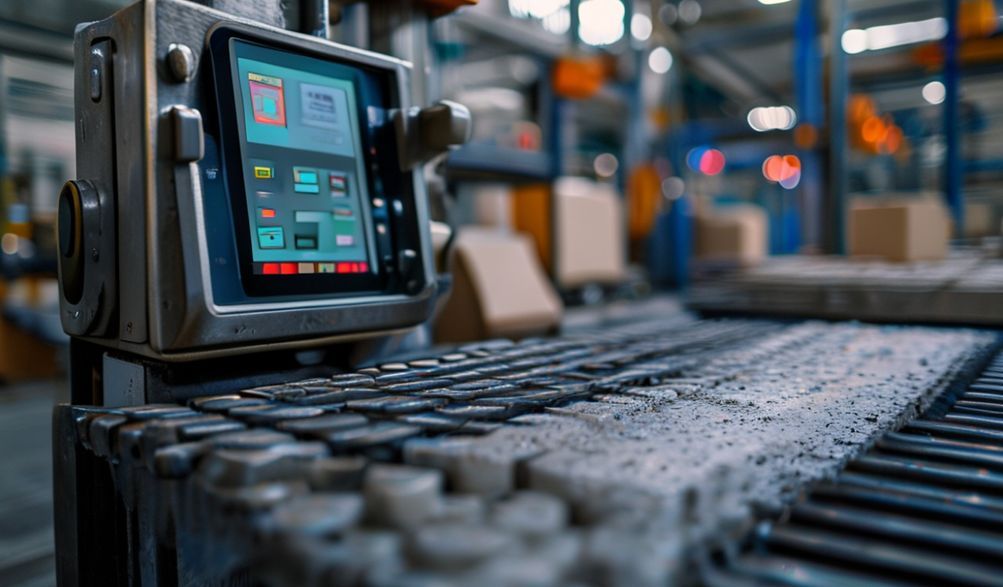
- User-Friendly Operation & Flexibility: Modern machines feature intuitive Touchscreen HMIs (Human-Machine Interfaces). Changing block types—from solid to hollow to paving stones—is often as simple as selecting a stored “recipe.” Parameters are adjusted with taps, not wrenches. Diagnostic screens and error logs simplify troubleshooting, reducing downtime.
Critical Factors When Choosing a PLC Block Machine Manufacturer
Selecting the right manufacturer is a decision that will impact your business for decades. It’s not just about buying a machine; it’s about entering a long-term partnership. Here are the non-negotiable factors to evaluate.
Proven Industry Experience & Technical Expertise
A manufacturer’s history is your first indicator of reliability.
- Look for a company with decades, not just years, of experience specifically in concrete machinery and, importantly, in integrating industrial automation.
- Evidence of Expertise is Key: They should readily provide a portfolio of global installations, detailed case studies, and testimonials. A true expert manufacturer will not just sell you a standard model but will have the engineering capability to discuss customizations for your specific raw materials or product mix.
Machine Quality, Durability, and Innovation
The machine’s construction determines its lifespan and uptime.
- Construção Robusta: Inspect the fundamentals: a reinforced steel frame, hardened and precision-machined mold components, and the use of internationally recognized hydraulic brands (like Bosch Rexroth or Parker) and industrial PLCs (from Siemens, Mitsubishi, or Allen-Bradley). These components are built for 24/7 operation.
- Compromisso com P&D: Ask about their research and development focus. Are they innovating in areas like energy recovery systems, IoT connectivity for remote monitoring, or advanced vibration technology? A manufacturer that invests in R&D is investing in your future efficiency.
Suporte e Treinamento Pós-Venda Abrangente
This is the most critical trust signal and where many low-cost suppliers fail. The best machine is useless without proper support.
- Detailed Installation & Commissioning: Expect factory-trained engineers to supervise or conduct the on-site setup and calibration.
- Thorough Operator & Maintenance Training: Training must cover both the mechanical systems and the PLC/HMI. Your team should feel confident running daily operations, performing basic troubleshooting, and understanding preventive maintenance schedules.
- Peças de Reposição Prontamente Disponíveis: Ensure they have a structured global parts supply chain or local dealerships. Quick access to genuine parts is essential to minimize costly downtime.
- Responsive Technical Support: Verify the availability of technical support—be it via a 24/7 hotline, email, or modern remote diagnostic tools that allow engineers to view your machine’s PLC data online.
Certifications, Compliance, and Safety Standards
Certifications are a manufacturer’s formal pledge to quality and safety.
- Certificações Internacionais: Prioritize manufacturers with Marcação CE (mandatory for the European market, indicating compliance with EU safety, health, and environmental requirements) and ISO 9001 certification (a globally recognized standard for quality management systems).
- These certifications demonstrate a systematic approach to manufacturing, ensuring consistency in quality and a commitment to operator safety through built-in safety interlocks and guarded moving parts.
The Manufacturer Selection Process: A Step-by-Step Guide
Navigating the selection process methodically will protect your investment and set you up for success.
Step 1: Define Your Production Requirements
Begin with an internal audit. Clearly document:
* Mix de Produtos: What types of blocks will you produce? (Hollow, solid, paver, interlocking?)
* Output Goals: What is your required daily or monthly production volume?
* Site Specifications: Available floor space, electrical power capacity, and raw material (aggregate) size.
* Orçamento: Have a clear capital expenditure range, but be prepared to evaluate total cost of ownership, not just the sticker price.
Step 2: Research and Shortlist Potential Manufacturers
Use credible sources to build your list:
* Industry directories and publications (e.g., Global Cement Magazine).
* Major international trade shows like BAUMA (Germany) or bC India.
* Recommendations from peers in the construction industry.
Red Flags to Avoid:
* Manufacturers with only a P.O. Box address or no visible factory footage.
* Unwillingness to provide client references or detailed technical documentation.
* Prices significantly lower than the market average, often indicating substandard components or no after-sales support.
Step 3: Evaluate and Compare Proposals
Create a standardized comparison matrix for all proposals. Key columns should include:
* Total Price (machine, shipping, installation, duties).
* Warranty Period and Terms (what is covered?).
* PLC & HMI Brand/Model.
* Detailed Technical Specifications.
* Outline of the proposed after-sales support and training package.
Step 4: Conduct Due Diligence (The Trust Verification)
This step separates the truly reputable from the rest.
* Request and Contact Client References: Don’t just collect names. Call or visit reference clients, especially those with a similar operational scale to yours. Ask about machine performance, reliability, and quality of support.
* Request a Factory Audit/Visit: If feasible, visiting the manufacturing facility is invaluable. You can assess their production capability, quality control checks, and workforce skill. A virtual live tour is a good alternative if travel isn’t possible.
* Review Documentation: Ask for samples of the user manual, electrical schematics, and parts catalog. Well-organized, clear documentation reflects a well-organized company.
Maximizing Your Investment: Operation and Maintenance Best Practices
Your relationship with the manufacturer continues after installation. Proper operation and maintenance are key to maximizing ROI.
Optimizing PLC Programs for Different Block Designs
The PLC’s flexibility is a major asset. Work closely with the manufacturer’s technicians during commissioning to fine-tune the “recipes” for each block type you produce.
* Small adjustments to vibration time, pressure hold duration, or lift speed can optimize block strength and surface finish based on your specific cement-aggregate mix.
Essential Preventive Maintenance Schedule
Proactive care prevents catastrophic failures.
* Daily: Check hydraulic oil levels, clean sensors, inspect for loose bolts or leaks.
* Weekly: Clean the entire machine, especially the mold area and pallet system. Check vibration motor mounts.
* Monthly: Perform a more thorough inspection of hydraulic hoses and fittings, clean the PLC cabinet filters to prevent dust ingress, and verify all electrical connections are tight.
Common PLC Alarms and Basic Troubleshooting
The HMI is your first line of defense. Familiarize your team with common alarms:
* “Low Hydraulic Pressure”: Check oil level and filters.
* “Pallet Not in Position”: Inspect the pallet feeder mechanism for obstructions or misalignment.
* “Sensor Fault”: Clean the photo-eye or proximity sensor indicated in the error message.
Understanding these basics allows your team to resolve minor issues quickly before escalating to technical support.
Perguntas Frequentes (FAQ)
Q1: What is the typical lead time for a PLC-operated block making machine from order to delivery?
A: Lead times typically range from 8 to 16 weeks. This depends on the level of machine customization, the manufacturer’s current production backlog, and shipping logistics. A professional manufacturer will provide a clear and detailed project timeline upon order confirmation.
Q2: Can I retrofit a PLC system to my existing non-automated block machine?
A: While some specialized engineering firms may offer retrofit services, it is often a complex and costly endeavor. The integration of sensors, new hydraulic valves, and controls into an old mechanical frame can lead to compatibility issues. For reliability and performance, investing in a new, fully integrated PLC-operated machine is almost always the more cost-effective and successful long-term solution.
Q3: How technically skilled do my operators need to be to run a PLC machine?
A: The PLC/HMI interface is designed for simplicity. Operators do not need advanced programming skills for daily operation. The crucial factor is the comprehensive training provided by the manufacturer. With proper training, operators with a good mechanical aptitude and attention to detail can confidently run the machine, change recipes, and perform basic diagnostics.
Q4: What is the expected lifespan of a quality PLC-operated block machine?
A: With a rigorous preventive maintenance program, a high-quality machine from a reputable manufacturer can have a productive lifespan of 15 to 20 years or more. The core mechanical structure is built to last. Over time, wear parts (like mold liners) will need replacement, and electronic components (including the PLC itself) may require updates or upgrades to newer technology.
Q5: How do I ensure I get genuine spare parts and not cheap imitations?
A: Always source spare parts directly from the original equipment manufacturer (OEM) or their officially authorized distributors. Using counterfeit or non-genuine parts can lead to premature machine failure, void your warranty, and pose safety risks. A trustworthy manufacturer will have a transparent and accessible parts supply system.
Conclusão
Choosing to invest in a PLC-operated concrete block making machine is a strategic decision to secure quality, scalability, and long-term profitability for your business. However, this guide underscores a central truth: the choice of your manufacturer is as critical as the choice of technology itself.
The right partner provides far more than a piece of equipment. They deliver a productivity partnership built on experience, expertise, and trust. They stand behind their machine with unwavering support, ensuring your operation runs smoothly for its entire lifespan. As you move forward, use this guide as your framework. Prepare your requirements, ask the detailed questions, and seek out manufacturers who can demonstrably meet the high standards outlined here. Your future in automated block production begins with that informed choice.
<