
Cement Hollow Brick Making Machine Quotes: A 2026 Buyer’s Guide & Price Breakdown
For over 15 years, our team has been on the factory floor, commissioning machines, troubleshooting production lines, and directly advising hundreds of clients on their brick-making equipment investments. We’ve seen the excitement of a new business launch and the frustration of a machine that can’t keep up with demand. This hands-on experience has taught us one critical lesson: the most important document in your purchasing journey isn’t a glossy brochure—it’s the quote.
A quote for a cement hollow brick making machine is far more than a price tag. It’s a blueprint of value, a package of specifications, service commitments, and long-term viability. An unclear or incomplete quote can lead to catastrophic cost overruns and operational nightmares. This guide is designed to demystify the entire quoting process. We’ll move beyond generic price lists to dissect the factors that verdadeiramente influence cost, empowering you to evaluate quotes like a seasoned professional and make an investment that builds the foundation of your success for years to come.
Compreendendo Máquinas para Fabricação de Tijolos Vazados de Cimento
Before you can understand a quote, you must understand the machine itself. What are you actually investing in?
O que é uma Máquina de Fabricação de Tijolos Vazados de Cimento?
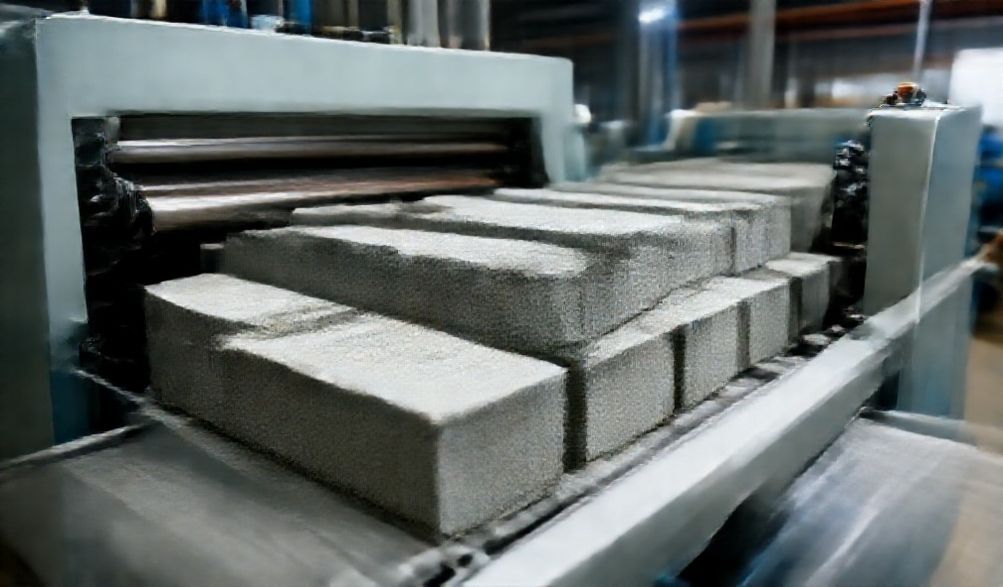
A cement hollow brick making machine is a specialized piece of industrial equipment designed to manufacture hollow concrete blocks automatically or semi-automatically. It mixes raw materials (cement, sand, stone aggregates, water), compresses the mixture into a mold under high vibration and hydraulic pressure, and then ejects a precisely formed, cured hollow block.
The advantages of these hollow bricks are the primary driver for the machine’s demand:
* Leve: Reduces structural load on buildings, allowing for cost savings in foundations and support.
* Isolamento Térmico e Acústico: The hollow cores trap air, providing excellent insulation properties.
* Eficiência de Materiais: Uses less raw material than solid blocks, lowering production costs and making them environmentally friendlier.
* Ease of Construction: Easier for masons to handle and lay, and conduits for electrical/plumbing can be run through the cavities.
Key Components and How They Impact Performance & Price
The quality and configuration of each core component are directly reflected in the machine’s quote. Here’s a breakdown:
- Misturador de Panela/Misturador de Pan: The heart of raw material preparation. A robust, evenly mixing pan mixer ensures consistent block quality. Cheap, thin-walled mixers lead to uneven mixing and rapid wear.
- Sistema de Transportador: Transfers mixed material to the mold. Belt quality and motor durability are key. A failing conveyor halts the entire line.
- Mold System (The Tooling): This defines your brick’s shape and size. High-chrome, precision-engineered molds produce blocks with sharp edges and smooth surfaces for thousands of cycles. Standard mold costs are included, but custom designs (for special textures or shapes) add significantly to the quote.
- Sistema Hidráulico: The muscle of the machine. Systems using reputable brand pumps and valves (e.g., Bosch Rexroth, Yuken) are more reliable, precise, and energy-efficient but cost more upfront than generic assemblies. This is a major differentiator in quotes.
- Sistema de Vibração: Critical for block density and strength. Systems with multiple high-frequency vibrator motors under the mold table ensure optimal compaction. The power and configuration here affect both quality and price.
- Painel de Controle: The brain. A basic relay-based system is cheaper but prone to issues. A Controlador Lógico Programável (CLP) with a touchscreen interface, while a higher line item on the quote, offers precision control, diagnostics, and much simpler troubleshooting.
- Alimentador de Paletes/Sistema de Circulação: In automatic machines, this system manages the steel or wooden pallets the blocks are formed on. Its sophistication—from manual placement to fully automated circulation—greatly impacts labor requirements and the final price.
Primary Factors Influencing Machine Quotes
When you receive two quotes with a 40% price difference, these are the factors at play.
Capacidade de Produção (Blocos Por Hora)
Capacity is the primary cost driver. Machines are engineered for specific output ranges, which dictate their size, power, and structural strength.
- Small-scale (500 – 1,500 blocks per 8-hour shift): Ideal for startups or local projects. Often manual or semi-automatic. Quote Range Influence: Lower cost due to simpler mechanics and smaller components.
- Medium-scale (1,000 – 3,000 blocks/hour): The sweet spot for growing businesses. Typically robust semi-automatic or entry-level fully automatic machines. Quote Range Influence: Higher price due to increased motor power, larger mold boxes, and more advanced hydraulics.
- Large-scale (3,000+ blocks/hour): For industrial production. Always fully automatic with sophisticated material handling and pallet circulation. Quote Range Influence: Premium pricing for complex engineering, high-grade components, and extensive automation.
Nível de Automação: Manual, Semiautomático, Totalmente Automático
- Máquinas Manuais: Operator-dependent for feeding, molding, and block removal. Cost-Benefit: Lowest quote price, but highest and most variable labor cost, lowest output.
- Máquinas Semiautomáticas: Mechanize the critical compression and vibration phases. Operators may still feed material or remove blocks. Cost-Benefit: Moderate quote. Excellent balance, offering higher, more consistent output than manual machines with a manageable investment.
- Máquinas Totalmente Automáticas: Entire process—from feeding to block stacking—is automated via PLC. Cost-Benefit: Highest initial quote. Justified by massive output, minimal labor (1-2 operators), and unparalleled consistency. ROI is calculated on scale and labor savings.
Configuração e Personalização da Máquina
A standard machine for common hollow block sizes will have a base quote. Customization adds cost:
* Moldes Personalizados: Need a unique brick profile? Mold design and fabrication are specialized, adding to the quote.
* Add-ons & Ancillaries:
* Automatic Pallet Stacker: Adds $5,000 – $15,000+ but saves significant labor.
* Color Feeder System: For producing colored face bricks.
* Automatic Curing System: Integrates steam curing chambers for faster strength gain.
Each add-on increases capability but must be evaluated for its specific ROI.
Brand Reputation and Country of Origin
- Established Global Brands (e.g., Zenith (Germany), Hess (US)): Quotes include a premium for decades of R&D, patented technology, rigorous quality control, and global after-sales networks. You’re paying for proven reliability and resale value.
- Reputable Regional Manufacturers (e.g., in India, Turkey, China): Offer highly competitive quotes. The key is identifying manufacturers with strong export histories, ISO/CE certifications, and a focus on quality components rather than just low cost. We’ve seen the best value often comes from this tier when due diligence is done.
- Low-Cost, Unbranded Manufacturers: The lowest quotes on the market. Risks include inconsistent quality, use of substandard components, little to no R&D, and potentially non-existent after-sales support. The initial savings can evaporate with the first major breakdown.
How to Get Accurate and Comparable Quotes
You can’t compare apples to apples if you only ask for “a machine price.” Follow this process.
Information to Provide Suppliers for a Precise Quote
To get a meaningful quote, send suppliers this checklist:
* Desired Brick Type/Size: Technical drawing or precise dimensions (length x width x height, web/thickness).
* Required Daily/Monthly Output: In blocks, based on realistic market demand.
* Available Factory Space & Height: Length, width, and ceiling clearance for the entire production line.
* Power Supply Available: Voltage (e.g., 380V/50Hz) and phase.
* Raw Material Specifications: Type and size of aggregates (e.g., crushed sand, 0-5mm stone).
* Local Conditions: Humidity, average temperature (affects curing).
Decoding a Quote: What to Look Beyond the Price
A professional quote should be a multi-page document. Scrutinize these sections:
1. Detailed Technical Specifications Sheet: Compare motor powers (KW), hydraulic pressure (PSI/Bar), vibration frequency (Hz), and cycle time. This is where quality is quantified.
2. Warranty Terms: Parts warranty (12 months is standard) and, crucially, labor warranty. Does the supplier cover technician travel and time for repairs?
3. Delivery Terms (Incoterms): FOB (Livre a Bordo) means the price includes delivery to the shipping port; you pay freight and insurance. CIF (Cost, Insurance, Freight) includes delivery to your nearest port. Understand exactly what you’re responsible for.
4. Instalação e Comissionamento: Is this included, offered at extra cost, or not provided? Budget $2,000-$10,000+ if not included.
5. Training Costs: Is on-site operator training part of the package?
6. Spare Parts List & Pricing: A reputable supplier will provide this. Check the cost of common wear parts like mold liners, hydraulic seals, and vibrator motors.
Red Flags in a Quote
- Vague or Missing Specifications: “Hydraulic system – 1 set” is unacceptable.
- Unusually Low Price with No Justification: If it’s 30% cheaper than all others, ask o que is different.
- Lack of a Clear Warranty: Or a warranty that requires you to ship faulty parts back to the manufacturer at your cost.
- Request for Full Payment Upfront Before Production: Standard terms are 30-50% deposit, with balance before shipment or against copy of shipping documents.
2026 Market Price Ranges and Analysis
Aviso Importante: The following are estimated price brackets in USD. Your final quote will vary based on all the factors detailed above, brand, and negotiation.
Estimated Price Brackets (USD)
- Manual / Small-Scale Machines:$8.000 – $25.000
- Semi-Automatic / Medium-Scale Machines: $25,000 – $70,000
- Fully Automatic / Large-Scale Machines: $70,000 – $250,000+
The True “Total Cost of Ownership”
The machine’s purchase price is just the entry fee. The intelligent buyer evaluates Custo Total de Propriedade (TCO):
* Custos Operacionais: Electricity consumption of motors and hydraulics. A more efficient, higher-quality machine may have a higher quote but lower daily running costs.
* Wear Parts & Maintenance: Regular replacement of molds, liners, and seals. Higher-grade parts last longer, reducing downtime and long-term parts cost.
* Custo de Tempo de Inatividade: This is the hidden killer. A machine with a 20% lower quote that breaks down frequently can cost you more in lost production than the entire price difference. A robust machine with a slightly higher quote and strong service support often has a significantly lower TCO over 5 years.
Perguntas Frequentes (FAQ)
Q1: What is the cheapest cement hollow brick machine available?
A: You can find basic manual presses online for as low as $3,000-$5,000. However, “cheapest” often translates to high risk: poor durability, inconsistent block quality, and zero technical support. The goal shouldn’t be the lowest price, but the best valor—reliable performance and support within your budget. Investing a little more upfront almost always saves money and stress later.
Q2: How long does it take to get a return on investment (ROI)?
A: This depends on your local brick selling price, operational efficiency, and machine uptime. As a simplified example: A $50,000 semi-automatic machine producing 2,000 blocks/day. If your profit per block is $0.10, daily profit is $200. Simple ROI = Investment / Daily Profit = $50,000 / $200 = 250 working days (approx. 12 months). Factor in operating costs and market demand for a more accurate figure.
Q3: Are quotes negotiable?
A: Yes, particularly for larger orders or when purchasing multiple machines. Professional negotiation focuses on value, not just haggling. You can discuss: extended warranty terms, inclusion of installation/training, a package deal on spare parts, or payment terms. Coming to the table with knowledge of the components (e.g., “Can we specify a Siemens PLC?”) makes you a more respected negotiator.
Q4: What hidden costs should I budget for?
A: Beyond the machine quote, budget for:
* Shipping, Insurance, and Customs Clearance duties/taxes.
* Factory foundation preparation (reinforced concrete slab).
* Electrical work by a licensed electrician to connect high-power equipment.
* Initial stock of raw materials (cement, aggregates).
* Operator training if not included.
Q5: Can you get a quote for a used machine?
A: You can, and it will be lower. Pros: lower initial investment. Cons: Unknown service history, potential wear, and often no warranty. If considering used, it is não negociável to:
1. Inspect the machine in person while it is running.
2. Review maintenance logs.
3. Confirm the availability of spare parts for that specific model.
4. Budget for an immediate overhaul by a qualified technician. Always get an independent mechanic’s assessment before purchase.
Conclusão
Securing the right cement hollow brick making machine is a pivotal business decision. As we’ve detailed, an intelligent purchase is not dictated by the lowest quote, but by a comprehensive analysis of what that quote represents: the synergy of components, the commitment to service, and the alignment with your specific production goals.
Your next step is to apply this knowledge. Use the supplier checklist we provided to compile your project details. Then, engage with manufacturers not just as a buyer, but as an informed partner.
We invite you to take the next step with a trusted resource. Our team, drawing on 15 years of direct industry experience, offers personalized, no-obligation consultations. Share your project parameters with us, and we will provide a transparent, detailed quote focused on your long-term productivity and profitability—because your success is the ultimate measure of our partnership.
<