
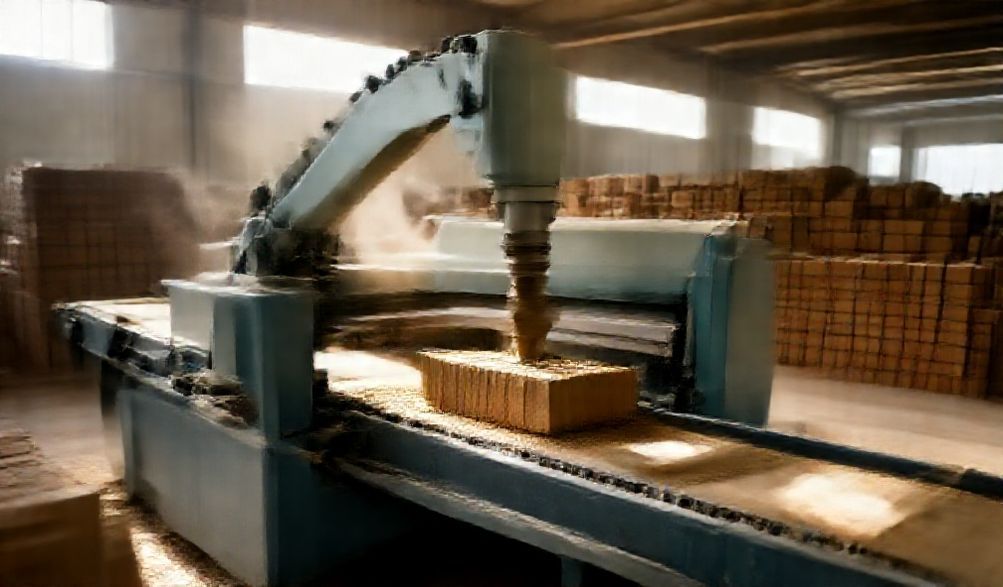
Preço da Máquina de Fabricação de Tijolos de Argila no Paquistão: Um Guia Completo pelos Especialistas da Fábrica FUDA
Introdução
O setor da construção no Paquistão está a vivenciar um crescimento sem precedentes, com a procura por materiais de construção de qualidade a disparar. No centro deste boom reside uma questão fundamental: como podem os construtores e empresários produzir tijolos fiáveis e de alta resistência de forma eficiente e rentável? A resposta aponta cada vez mais para a mecanização, mas navegar no mercado de máquinas para fabricar tijolos de argila pode ser um labirinto de especificações confusas e preços flutuantes.
Este guia abrangente elimina o ruído. Trazido a você pelos especialistas em engenharia daFábrica de Tijolos FUDAeste recurso aproveita mais de20 anos de experiência práticano projeto, fabricação e manutenção de maquinário para fabricação de tijolos em todo o Paquistão. Nossa equipe de engenheiros certificados tem estado no terreno, de Karachi a Khyber, compreendendo a argila local, os desafios regionais e o que é necessário para operar uma unidade de produção de tijolos bem-sucedida.
A sua busca por “preço da máquina de fazer tijolos de barro no Paquistão” vai além de um simples número. Trata-se de encontrar um parceiro confiável e uma máquina que represente um investimento inteligente. Este guia irá decompor de forma transparente os fatores que influenciam os custos e fornecerpreço da máquina de fabricação de tijolos de barrofaixas para 2026 e equipá-lo com o conhecimento para tomar uma decisão baseada em valor que priorize a lucratividade a longo prazo em vez do custo inicial mais baixo.
Forneceremos uma estrutura clara de custos, esclareceremos os principais recursos das máquinas e ofereceremos conselhos práticos para garantir que sua compra naFábrica de tijolos FUDAou qualquer fornecedor respeitável impulsiona o crescimento do seu negócio e contribui para construir o futuro do Paquistão com qualidade e consistência.
Compreendendo as Máquinas de Fabricação de Tijolos de Barro: Tipos e Capacidades
Em sua essência, a fabricação de tijolos transforma argila bruta em um bloco de construção padronizado e durável por meio de mistura, moldagem, secagem e queima. As máquinas modernas automatizam e aperfeiçoam esse processo, garantindo tamanho, densidade e resistência consistentes, enquanto aumentam drasticamente a produção e reduzem a dependência de mão de obra. A máquina certa para você depende inteiramente de seus objetivos e escala de produção.
Máquinas Manuais e Semiautomáticas (Investimento Inicial)
Essas máquinas representam o nível fundamental da produção mecanizada de tijolos, perfeitas para empreendedores dando seu primeiro passo.
- Descrição:Máquinas manuais exigem envolvimento significativo do operador para alimentar a argila e remover os tijolos acabados. Modelos semiautomáticos incorporam recursos como misturadores e alimentadores mecânicos ou prensagem hidráulica, reduzindo o esforço físico e aumentando a velocidade. Eles são os cavalos de batalha das operações de pequena e média escala.
- Capacidade de Saída:Geralmente produzem entre1.000 a 10.000 tijolos por turno de 8 horasdependendo do modelo e da eficiência da tripulação.
- Typical Price Range in PKR: Investment starts from around PKR 250,000 for basic manual presses and can go up to PKR 1.8 million for well-equipped semi-automatic systems with mixers and conveyors.
- Melhor Para: Startups, small-scale builders, rural development projects, and entrepreneurs with limited initial capital looking to establish a foothold in the market.
Fully Automatic Brick Making Plants (High-Volume Production)
For serious industrial output, fully automatic plants are the solution. They are integrated production lines designed for maximum efficiency with minimal manual intervention.
- Descrição: These systems automate the entire process—from raw material feeding and mixing to high-pressure molding, curing, and automatic brick stacking. They often feature Programmable Logic Controller (PLC) panels for precise operation.
- Capacidade de Saída: Designed for high-volume production, ranging from 15,000 to 50,000+ bricks per day.
- Typical Price Range in PKR: This is a significant industrial investment, with prices generally starting from PKR 2.5 million and exceeding PKR 10 million for large, customized turnkey plants.
- Melhor Para: Large construction companies, established brick kilns (bhattas), industrial zones, and any business aiming for mass production to supply major projects or the wholesale market.
Specialized Machines (Hollow Blocks, Pavers, Interlocking Bricks)
The modern construction industry demands variety. Beyond solid clay bricks, there is high demand for specialized products like hollow blocks (for lighter, insulated walls), paving bricks, and interlocking bricks for roads and landscaping.
- Product Variety: These machines use specialized molds and sometimes adjusted hydraulic systems to produce different product shapes and densities. A machine capable of producing hollow blocks, for instance, commands a different price than a standard solid brick press.
- Flexibilidade: Some advanced models from manufacturers like FUDA offer multi-purpose functionality, allowing you to change molds and produce different products, maximizing your market reach and ROI.
- Personalização: At FUDA Factory, we work with clients to configure machines that are optimized for Pakistan’s specific market demands and raw material properties.
Key Factors Influencing Clay Brick Machine Prices in Pakistan
As a factory with decades of experience, we see buyers often focus solely on the sticker price. The true cost—and value—of a brick making machine is determined by several interlinked factors. Understanding these will help you compare apples to apples.
Core Machine Specifications & Build Quality
This is where the fundamental cost is built. Superior components ensure longevity and less downtime.
- Motor Power & Brand: The heart of the machine. A reputable, energy-efficient imported motor (e.g., Siemens, WEG) costs more than an unbranded local one but offers reliability and consistent power, reducing long-term energy and replacement costs.
- Qualidade do Sistema Hidráulico: The system that applies pressing force. Machines with high-pressure, precision-engineered hydraulic pumps and valves produce denser, stronger bricks and are less prone to leaks and failures. This quality is reflected in the price.
- Frame & Mold Material: Is the frame made from standard mild steel or reinforced, high-grade steel? Are the molds fabricated from hardened, wear-resistant steel? Better materials withstand the immense pressure and abrasive clay, drastically extending the machine’s life.
- Nível de Automação: A basic relay system is cheaper. A PLC Control System adds to the initial cost but provides unmatched precision, easier operation, diagnostic capabilities, and consistent brick quality shift after shift.
Capacidade de Produção e Produção
There is a direct, non-negotiable correlation between a machine’s output potential (bricks per hour) and its price. A machine designed to produce 5,000 bricks per shift is engineered differently—with a smaller motor, less robust hydraulics, and a lighter frame—than one built to produce 20,000. The key is to match the capacity to your realistic sales projections to optimize your investment.
Raw Material Compatibility & Flexibility
Pakistani clay varies greatly from region to region—from the sandy soils of Sindh to the more loamy soils of Punjab. A machine calibrated for one type may struggle with another.
- Flexibility Cost: Machines designed with adjustable moisture mixers, variable pressure settings, and robust augers to handle a wider range of soil compositions (even mixes with fly ash or shale) often carry a premium.
- Expert Configuration: This is where FUDA’s expertise is critical. We can analyze your local clay and recommend the right machine configuration, potentially saving you from costly production issues and wasted raw materials.
After-Sales Support & Service (A Critical Cost Factor)
This is perhaps the most overlooked yet vital factor. The lowest-priced machine can become the most expensive asset you own if it breaks down and lacks support.
- The Hidden Cost of Downtime: When a machine stops, production stops. Revenue stops. Your project deadlines or customer commitments are at risk.
- Breakdown of Support Value:
- Garantia: A comprehensive warranty (1-2 years on critical parts) is a sign of manufacturer confidence.
- Peças de Reposição: Are genuine spare parts readily available in Pakistan? What is their cost and lead time?
- Technical Service: Does the supplier have trained technicians who can travel to your site for repairs and maintenance?
- Treinamento de Operador: Proper training prevents misuse and extends machine life.
- The FUDA Promise: We maintain a nationwide network of service engineers and a large inventory of critical spare parts. Our investment in after-sales support is built into our value proposition, ensuring your production line keeps running.
Realistic Price Ranges for Brick Making Machines in Pakistan (2026)
The following table provides a transparent overview of current market price brackets. Please note: These are indicative ranges for standard configurations. The final price for your specific needs from Fábrica de tijolos FUDA is subject to exact specifications, current steel and component costs, and exchange rate fluctuations. A formal, detailed quotation is always required.
| Machine Type | Key Features | Estimated Output (Bricks/8hrs) | Price Range (PKR) | Best Suited For |
| :— | :— | :— | :— | :— |
| Manual / Small Semi-Auto | Single mold, manual feeding and removal, basic hydraulic or mechanical press. | 1,000 – 3,000 | 250,000 – 600,000 | Small startups, individual builders, rural community projects. |
| Robust Semi-Auto | Multiple mold capability, integrated pan mixer or feeder, stronger hydraulic system, sturdier frame. | 5,000 – 10,000 | 700,000 – 1.8 Million | Growing brick kilns, SMEs supplying local markets, construction firms with steady demand. |
| Planta Totalmente Automática | PLC control panel, automatic material handling and stacking system, high-pressure molding, integrated curing line. | 15,000 – 40,000+ | 2.5 Million – 7 Million+ | Large-scale commercial production, suppliers to mega projects (dams, housing societies), established industrial brick manufacturers. |
Beyond the Price Tag: Ensuring a Smart Investment with FUDA
Shifting your mindset from purchase price to total cost of ownership and return on investment (ROI) is the mark of a savvy business owner.
Calculating Your Return on Investment (ROI)
A simple ROI analysis can clarify your decision. Consider:
- Custo da Máquina: Your total investment.
- Daily Production Output: How many bricks can you produce?
- Custos Operacionais: Labor (reduced vs. manual), power, raw clay, maintenance.
- Revenue: Market price per brick in your area.
Exemplo: A PKR 1 million semi-auto machine producing 6,000 bricks/day can often pay for itself in 12-18 months through increased output, labor savings, and consistent quality that commands a better market price, compared to a purely manual operation.
Essential Questions to Ask Before You Buy
Arm yourself with these questions for any supplier:
- “What is the exact warranty period and what components does it cover?”
- “Can you provide contact information for 2-3 clients in a similar business who use this model?” (This builds trust through verifiable proof).
- “Is the price inclusive of installation, commissioning, and on-site operator training?”
- “What is your average response time for service calls and the availability of critical spare parts?”
The FUDA Factory Advantage: Our Commitment to Pakistan’s Builders
Choosing FUDA is choosing a partner invested in your success.
- Demonstrated Experience: For over two decades, we have not just sold machines; we have built solutions. Our manufacturing process adheres to strict quality control protocols, and every machine is tested before dispatch.
- Authoritative Knowledge: Our engineers are problem-solvers. We understand the technicalities of soil mechanics, hydraulic engineering, and production line optimization specific to Pakistan’s environment.
- Trust Built on Relationships: Our greatest asset is our long-term client partnerships. We have numerous case studies of clients who started with a single semi-automatic machine and, with our support, expanded to full automatic plants.
- Our Service Promise: We offer 24/7 technical support, a guaranteed spare parts supply, and comprehensive training programs to ensure you get the most out of your investment from day one.
Perguntas Frequentes (FAQ)
Q1: What is the cheapest clay brick making machine available in Pakistan?
A: Basic manual brick presses have the lowest upfront cost, starting around PKR 250,000. However, we strongly advise considering durability and output. A slightly higher investment in a robust semi-automatic model often yields a much faster return and greater long-term value by reducing physical labor and increasing production consistency.
Q2: Does FUDA factory provide financing options for machine purchases?
A: Yes. We collaborate with leading Pakistani financial institutions to offer feasible lease-to-own and equipment financing plans tailored for SMEs and industrial buyers. Our sales team can guide you through the current options and eligibility criteria.
Q3: How much space and what power connection is needed for a semi-automatic plant?
A: A typical semi-automatic setup requires approximately 3,000 to 5,000 square feet for the machine, raw material storage, brick drying, and finished goods. Power requirements usually range from 15 HP to 40 HP (three-phase connection), depending on the model’s size and features. FUDA engineers conduct a complimentary pre-installation site assessment for every client.
Q4: Can your machines use the clay found in my region of Pakistan?
A: Absolutely. This is a core part of our service. We offer a free local soil analysis. Send us a sample, and our technical team will test it and recommend the optimal machine configuration or necessary mix additives to guarantee high-quality brick production from your specific clay.
Q5: What is the typical delivery and installation timeline?
A: For standard models, delivery is scheduled within 4-6 weeks after order confirmation and advance payment. Installation, commissioning, and comprehensive operator training by our expert engineers are typically completed within 5-7 working days on your site.
Conclusão
Navigating the clay bricks making machine price in pakistan landscape is about understanding that true cost is a blend of the initial investment, operational efficiency, unwavering after-sales support, and the machine’s long-term reliability. It’s an investment in your business’s productive capacity.
EmFábrica de Tijolos FUDA, we position ourselves not merely as equipment sellers, but as foundational partners in Pakistan’s construction journey. Our 20+ years of experience, authoritative technical knowledge, and unwavering commitment to service are all dedicated to one goal: your success. We are invested in building the nation’s infrastructure, one quality brick—and one successful client—at a time.
Ready to move from research to results?
Primary CTA: Contact FUDA’s Expert Engineers Today for a Free, No-Obligation Site Evaluation & Customized Quotation Tailored to Your Production Goals. Call us at [Insert Phone Number] or email [Insert Email Address].
Secondary CTA: Visit Our Factory Showroom in [Insert City, e.g., Lahore/Gujrat] to See Our Machines in Live Operation and Speak Directly with Our Technical Team.
Let’s build the future of Pakistan, together.
<