O Cenário em Evolução da Fabricação de Tijolos: Navegando na Transição para Materiais de Construção Verdes
As Forças Motrizes da Transição Verde
1.1. Pressões Regulatórias e de Certificação
Governos e órgãos internacionais estão implementando cada vez mais códigos de construção rigorosos e padrões ambientais. Regulamentações que visam emissões de carbono, consumo de energia na fabricação e o uso de conteúdo reciclado estão se tornando comuns. Além disso, sistemas de certificação de construção verde, como LEED, BREEAM e outros, concedem pontos pelo uso de materiais sustentáveis, incluindo tijolos com baixa energia incorporada, alto teor reciclado ou que contribuam para envoltórios de edifícios energeticamente eficientes. Para profissionais de compras, especificar materiais que ajudem os projetos a obter essas certificações é um serviço de valor agregado crítico. Os fabricantes são, portanto, obrigados a adaptar sua produção para atender a esses requisitos codificados, já que a não conformidade pode levar à exclusão de grandes projetos.
1.2. Demanda de Mercado e Consciência Ambiental
A demanda dos consumidores finais, desde incorporadoras comerciais até proprietários residenciais, é um poderoso motor do mercado. Há um segmento crescente de consumidores que priorizam a sustentabilidade e estão dispostos a investir em edifícios com menor pegada ambiental. Essa conscientização se traduz diretamente em especificações que contratantes e arquitetos devem seguir, que então percolam pela cadeia de suprimentos até distribuidores e produtores. O tijolo, como componente visível e substancial de uma estrutura, é cada vez mais examinado quanto aos seus atributos ecológicos. Esse impulso liderado pelo consumidor incentiva os fabricantes a diferenciar seus produtos com base em características de sustentabilidade, criando novos caminhos de marketing e vendas para revendedores.
1.3. Incentivos Econômicos e Custeio do Ciclo de Vida
O prêmio de custo inicial frequentemente associado a alguns materiais verdes está sendo equilibrado por uma análise mais ampla dos custos totais do ciclo de vida. Tijolos sustentáveis, especialmente aqueles que oferecem propriedades superiores de isolamento, contribuem para economias significativas de energia ao longo da vida operacional de um edifício. Além disso, ganhos de eficiência na fabricação — como redução no consumo de energia ou água — podem diminuir os custos de produção ao longo do tempo. Para distribuidores, entender e comunicar essa proposta de valor de longo prazo, além do simples preço unitário, é fundamental para justificar investimentos em produtos de tijolos de próxima geração.
Transformações nos Processos de Produção de Tijolos
2.1. Inovação na Aquisição de Matérias-Primas
A busca pela sustentabilidade começa na jazida de argila e no forno. A fabricação tradicional de tijolos exige muitos recursos, dependendo fortemente de argila virgem e folhelho.
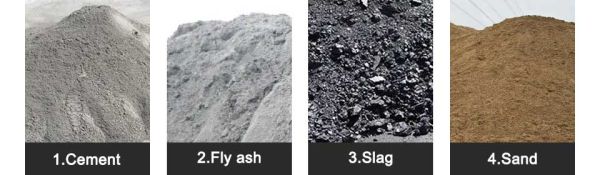
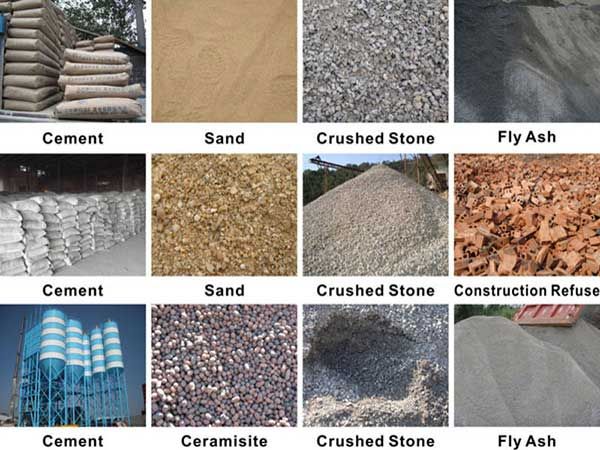
- Use of Recycled and Alternative Materials: Producers are increasingly incorporating post-industrial and post-consumer waste into their mixes. This includes materials like fly ash (a byproduct of coal combustion), recycled glass, foundry sand, and even processed wastewater sludge. These additions can reduce the need for virgin clay, repurpose waste, and sometimes enhance the brick’s properties, such as its fired strength or color variation.
- Sustainable Extraction Practices: Even for virgin clay, responsible sourcing is gaining emphasis. This involves land restoration plans, minimizing topsoil removal, and ensuring biodiversity protection around extraction sites.
2.2. Energy Efficiency and Emission Reduction in Firing
The firing process in kilns is the most energy-intensive and polluting stage of brick production, traditionally relying on fossil fuels.
- Kiln Technology Advancements: Modern tunnel kilns are being optimized for better heat recovery and circulation, drastically reducing fuel consumption. Some innovators are exploring hybrid firing systems and even fully electric kilns powered by renewable energy.
- Alternative Fuels: The substitution of coal and natural gas with biomass or biogas is a growing area of exploration. While technical challenges exist regarding consistent heat quality and emissions, successful implementation can dramatically lower the carbon footprint of fired bricks.
- Carbon Capture and Utilization (CCU): Experimental technologies are looking at capturing CO2 emissions from kiln stacks and either storing them or utilizing them in other industrial processes, pushing toward the concept of “carbon-neutral” or even “carbon-negative” bricks.
2.3. Water Conservation and Waste Management
Brick production is a significant consumer of water, primarily in the mixing and shaping stages.
- Closed-Loop Water Systems: Leading plants are implementing systems to recycle and reuse process water, dramatically reducing freshwater withdrawal and mitigating contaminated runoff.
- Zero-Waste Ambitions: The industry is moving toward models where production waste—such as unfired scrap, broken bricks, and kiln dust—is systematically recycled back into the production line. This not only minimizes landfill use but also improves raw material yield.
Emerging Categories of Sustainable Brick Products
3.1. High-Performance and Insulating Bricks
Beyond the production process, the brick itself is being re-engineered for operational sustainability.
- Improved Thermal Performance: Innovations like internal micro-porosity, special additives, and unique firing techniques are creating bricks with significantly lower thermal conductivity. These products enable builders to meet stringent energy codes without adding external insulation layers, simplifying construction and improving moisture management.
- Structural-Insulation Hybrids: Some manufacturers are developing larger-format bricks with intricate internal geometries that provide both structural support and high insulation values, effectively combining multiple building functions into a single, mortar-less unit.
3.2. Bio-Based and Non-Fired Alternatives
While not replacing traditional fired clay bricks, these alternatives are expanding the definition of “brick” in the green building material space and capturing specific market segments.
- Compressed Earth Blocks (CEBs): These are bricks made from damp soil compressed under high pressure and stabilized with a small amount of cement or lime, then cured naturally or with low heat. They have a very low embodied energy and utilize locally sourced soil.
- Bricks with Bio-Aggregates: Research is ongoing into integrating organic, renewable materials like hemp, straw, or mycelium (fungal roots) as aggregates within a mineral matrix, creating lightweight, insulating building blocks.
Implications for the Supply Chain: Distributors, Dealers, and Procurement
4.1. Evolving Product Knowledge and Specification
The role of the distributor is shifting from mere logistics to that of a technical consultant. Sales teams must now be well-versed in the environmental specifications of their brick inventory: recycled content percentages, embodied carbon data (often provided via Environmental Product Declarations or EPDs), contribution to building energy efficiency, and suitability for various green certification systems. This knowledge is crucial for supporting architects, builders, and procurement officers.
4.2. Inventory Management and Market Segmentation
The brick product line is diversifying. Distributors must strategically manage inventory to include both traditional high-demand products and newer sustainable lines. This may involve segmenting the market, identifying early-adopter architects and builders, and creating targeted marketing campaigns around the benefits of specific green brick products. Understanding regional regulatory landscapes is also vital for stocking compliant materials.
4.3. Value Proposition and Client Relationships
In a competitive market, the ability to provide a comprehensive sustainable materials solution is a powerful differentiator. Procurement professionals are under pressure to deliver on corporate sustainability goals. Distributors who can reliably supply certified, low-impact bricks and provide the necessary documentation become indispensable partners. This builds stronger, stickier client relationships based on shared values and compliance assurance.
Conclusão
The impact of green building materials on brick production is profound and irreversible. It is catalyzing a renaissance of innovation in a centuries-old industry, pushing manufacturers to clean up their processes and reimagine their products. For those in the distribution and procurement chain, this shift represents both a challenge and a significant opportunity. The challenge lies in adapting to new technical specifications, managing a more complex product portfolio, and educating the market. The opportunity, however, is far greater: to position oneself as a leader in the sustainable construction movement, to add substantive value to client projects, and to future-proof a business in an era where environmental performance is inextricably linked to commercial success. The brick is being reborn—not just as a building block, but as a building block for a greener future. Those who understand and embrace this transformation will be the ones laying the strongest foundation for growth.
FAQ (Frequently Asked Questions)
Q1: Are “green” bricks as durable and strong as traditional bricks?
A: Absolutely. In many cases, sustainable bricks meet or exceed the ASTM or equivalent standards for compressive strength, water absorption, and freeze-thaw durability that govern traditional bricks. Innovations often enhance performance; for example, some high-insulation bricks offer superior strength-to-weight ratios. Always request technical data sheets and test reports to verify performance claims.
Q2: Do sustainable bricks cost more? What is the ROI?
A: There can be a modest initial cost premium due to advanced manufacturing processes or materials. However, the return on investment (ROI) is evaluated on a total project basis. Savings arise from: 1) Reduced insulation needs for high-performance bricks, 2) Lower lifetime energy costs for the building, 3) Potential tax incentives or certification benefits, and 4) Future-proofing against tightening regulations. Distributors should focus on this holistic value story.
Q3: How can we verify the environmental claims of a brick manufacturer?
A: Look for independent, third-party verifications. The most important document is an Environmental Product Declaration (EPD), which transparently details the product’s lifecycle environmental impact. Also, check for certifications related to recycled content, energy-saving manufacturing, or contributions to green building rating systems like LEED.
Q4: Is the supply of these innovative bricks reliable and consistent?
A: As demand grows, production scalability is improving. Leading manufacturers are investing heavily in new production lines dedicated to sustainable products. While some niche or highly innovative products may have longer lead times, mainstream green brick lines are becoming steadily more available. Building strong partnerships with forward-thinking manufacturers is key for distributors to ensure reliable supply.
Q5: How do we effectively market these products to builders who are resistant to change?
A: Focus on tangible benefits beyond “being green.” Emphasize installation efficiencies (e.g., larger formats, single-layer construction), compliance with new energy codes, and appeal to eco-conscious end-clients as a selling point for their projects. Offering samples, case studies, and on-site technical support can also help overcome resistance by demonstrating practicality and performance.