
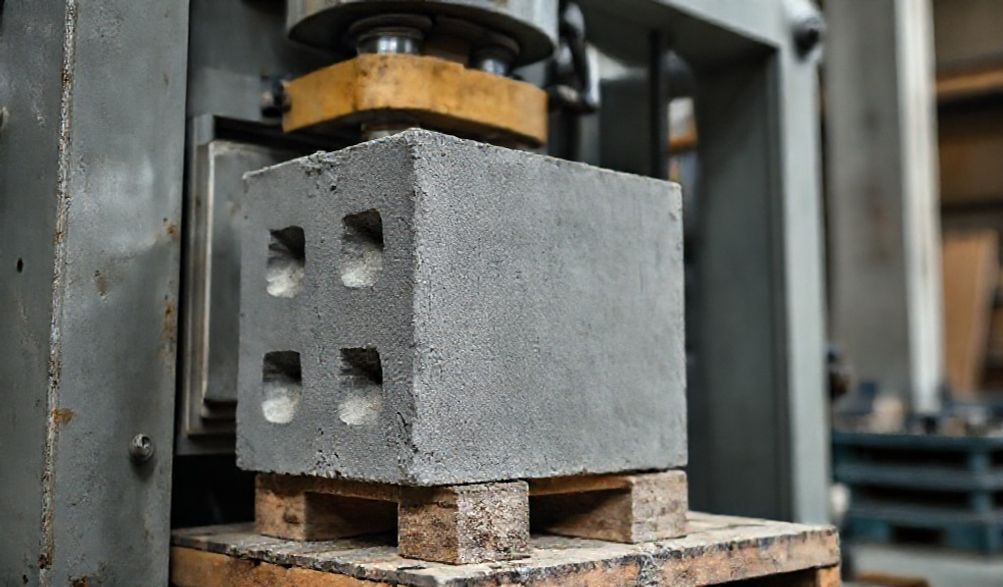
Your Ultimate Guide to Buying a Cinder Block Machine for Sale in 2024
Introdução
The global construction industry is projected to reach a staggering $15.2 trillion by 2030. At the heart of this growth lies a constant demand for reliable, affordable building materials. For contractors, builders, and entrepreneurs, sourcing consistent, high-quality cinder blocks can be a recurring challenge—marked by supply chain delays, fluctuating costs, and quality inconsistencies.
What if you could turn this challenge into a strategic advantage? Producing your own concrete masonry units (CMUs) on-site is no longer a fantasy reserved for industrial plants. With the right equipment, it’s a viable path to greater control, significant cost savings, and a streamlined project timeline. The key to unlocking this potential is investing in the right cinder block machine for sale.
This guide is not just a list of products. It is compiled from deep industry analysis, direct manufacturer specifications, and the practical, hard-won experiences of business owners. Our goal is to arm you with the expertise needed to make an informed, confident, and trustworthy purchase. We will walk you through everything: from how these machines work and the different types available, to the critical features you must consider, top brands, and essential operational tips. Let’s find the perfect machine for your specific needs.
What is a Cinder Block Machine and How Does It Work?
A cinder block machine, more accurately called a concrete block making machine, is a device designed to manufacture hollow or solid concrete blocks (CMUs) through a process of compaction and vibration. It transforms a mix of cement, aggregates (like sand, gravel, or fly ash), and water into standardized, durable building blocks.
Função Principal e Saída
The primary function is to produce uniform blocks with precise dimensions and high structural integrity. While commonly called “cinder” blocks (a legacy term from when coal cinders were used), modern machines produce concrete blocks.
- Blocos Padrão: The classic 8″ x 8″ x 16″ (nominal) block is the most common output.
- Half Blocks: Used for corners and finishing.
- Other Types: Many machines can also produce pavers, curbstones, and decorative landscaping blocks with the right molds.
Basic Operational Principles
The magic lies in a simple yet effective process:
- Mistura: Raw materials are combined in the correct ratio to create a semi-dry concrete mix (not too wet, not too dry).
- Alimentação: This mix is fed into the machine’s mold box or hopper.
- Compactação/Vibração: This is the most critical step. Powerful vibrations are applied to the mixture within the mold. This removes air pockets and compacts the material, ensuring a dense, strong block.
- Moldagem: A hydraulic or mechanical press applies pressure to form the block’s final shape, including the hollow cores.
- Cura: The freshly molded block is ejected onto a pallet or the ground to begin the curing process, where it gains strength over time.
The core takeaway: The quality of the block is directly tied to the machine’s ability to deliver consistent, high-amplitude vibration and pressure.
Types of Cinder Block Machines for Sale
Your choice here will define your production scale, labor needs, and initial investment. They fall into three main categories.
Máquinas Manuais para Fabricação de Blocos
These are human-powered, typically using a lever or pedal system to compress the mix in a single mold.
- Melhor Para: DIY hobbyists, very small-scale personal projects (like a garden wall), or entrepreneurs testing the market with an absolute minimum budget.
- Prós:
- Custo inicial muito baixo.
- Simple to understand and operate.
- No power requirements.
- Contras:
- Very low output (e.g., 100-300 blocks per day).
- Altamente intensivo em mão de obra e fisicamente exigente.
- Inconsistent block quality if operator fatigue sets in.
Máquinas Semi-Automáticas para Fabricação de Blocos
This is the sweet spot for many small to medium businesses. The core compaction and vibration are mechanized (using an electric motor), but tasks like feeding raw material and removing finished blocks are manual.
- Melhor Para: Small construction companies, block-making startups, and medium-scale production for local sales. Ideal for producing 500 to 2,000+ blocks per 8-hour shift.
- Prós:
- Excelente equilíbrio entre desempenho e acessibilidade.
- Significantly less labor-intensive than manual machines.
- Produces consistent, high-quality blocks due to mechanical vibration.
- Often mobile or easy to set up.
- Contras:
- Requires a steady crew for feeding and block handling.
- Higher upfront cost than manual machines.
Máquinas de Blocos Totalmente Automáticas
These are complete production plants. They feature computerized (PLC) controls that automate the entire process: batching, mixing, conveying, molding, curing, and stacking.
- Melhor Para: Large-scale commercial block yards, industrial suppliers, and major construction firms requiring massive, consistent output (e.g., 5,000 to 20,000+ blocks per day).
- Prós:
- Extremely high, consistent output with minimal manual labor.
- Superior consistency and quality control.
- Integrated systems save space and optimize workflow.
- Contras:
- Very high capital investment.
- Requires significant space, a strong power supply, and technical knowledge.
- Complex installation and maintenance.
Key Features to Consider Before You Buy
Looking beyond the basic type, these features will determine your long-term satisfaction and return on investment.
Capacidade de Produção (Blocos Por Hora/Dia)
Don’t just buy the biggest number. Match capacity to your realistic needs.
* Calculate: Estimate your average daily/weekly block requirement for projects or sales. Choose a machine that can meet 120-150% of that peak demand to allow for growth and maintenance downtime.
* Beware of “Peak” vs. “Sustainable” Output: A machine rated for 1,000 blocks per hour might only sustain that for short bursts. Ask for the realistic 8-hour shift output.
Machine Power and Drive Type (Electric, Diesel, Hydraulic)
This affects where you can operate and your running costs.
* Elétrico: Most common for semi and fully automatic machines. Clean, efficient, but requires reliable grid or generator power (note if it needs single-phase or three-phase).
* Diesel: Offers mobility and independence from the electrical grid. Ideal for remote sites. Higher fuel costs and noise.
* Sistema Hidráulico: Look for robust, reliable hydraulic components. A well-sealed, powerful system ensures consistent pressure and fewer breakdowns.
Mold Versatility and Customization
Your ability to produce different products defines your market flexibility.
* Moldes Intercambiáveis: Ensure the supplier offers easy-to-change molds for different block types (standard, half, paver, etc.).
* Moldes Personalizados: Some manufacturers can create molds for unique, specialty blocks, allowing you to fill niche markets.
Qualidade de Construção e Durabilidade
This is where you assess the machine’s backbone. A cheap machine will cost you more in downtime and repairs.
* Frame & Materials: Look for high-grade steel (e.g., ST52) with reinforced welding at stress points. A heavy, rigid frame absorbs vibration better.
* Sistema de Vibração: The heart of the machine. It should be mounted on strong, shock-absorbing springs or rubber pads. Ask about the power and configuration of the vibration motors.
After-Sales Support and Warranty
This is non-negotiable and a critical trust signal. A machine is a long-term partner.
* Garantia: A minimum of 12 months on parts is standard for reputable sellers. Understand what is and isn’t covered.
* Suporte Técnico: Does the supplier offer installation guidance, on-site training, or detailed manuals?
* Disponibilidade de Peças: How quickly can you get a replacement vibration motor or hydraulic seal? A local distributor with a parts inventory is invaluable.
Top Manufacturers and Brands to Trust
Navigating the market requires knowing who builds for longevity.
Established Global Brands
These companies are known for high-end, fully automatic production lines.
* Zenith (Germany): A pioneer in the industry, known for engineering excellence and fully automated plants.
* Hess Group (Germany): Another top-tier manufacturer specializing in high-output concrete product plants.
* These brands represent the premium segment, often chosen for large-scale, turnkey projects.
Reliable Regional and Local Suppliers
For most buyers of semi-automatic machines, this is the key arena. Due diligence is your most important tool.
* Research and Verify: Prioritize suppliers who demonstrate:
* Confiança: A physical address, factory, or showroom you can visit. Be wary of P.O. box-only sellers.
* Autoridade: Longevity in business (5-10+ years), industry certifications, and a focus on block-making machinery.
* Experiência: Real customer testimonials, case studies, or videos of their machines in operation. Ask for references.
Where to Find a Cinder Block Machine for Sale
Your sourcing channel impacts price, support, and risk.
Direct from Manufacturers
Ideal if you are buying multiple units or a fully automatic plant.
* Vantagens: Potential for customization, direct technical knowledge, possibly better pricing on large orders.
* Desvantagens: May involve complex international logistics; support might be from afar.
Authorized Distributors and Dealers
Often the best choice for semi-automatic machines.
* Vantagens: Local inventory for faster delivery, ability to see a demo machine, regional after-sales service and parts, understanding of local market needs.
* Desvantagens: Price may include a markup for their services.
Verified Industrial Marketplaces (Online)
Platforms like Alibaba, Made-in-China, and Thomasnet host thousands of suppliers. Extreme caution is required.
* Vetting Checklist for Online Sellers:
* Company Verification: Look for “Gold Supplier” or “Assessed Supplier” status with third-party verification reports.
* Communication: Request a video call to see the factory floor and a machine running.
* Media: Ask for real, recent photos and videos of the exact machine model, not just catalog stock images.
* Payment & Contract: Use secure payment methods (e.g., Letter of Credit, Escrow). Insist on a detailed proforma invoice and contract specifying all terms, warranties, and shipping details.
Considering Used or Refurbished Equipment
This can offer significant savings but comes with risk.
* Prós: Lower upfront cost.
* Contras: Unknown wear and tear, potential for hidden damage, likely no warranty, outdated technology.
* Inspection Checklist: If possible, inspect in person. Check for frame cracks, worn molds, leaks in hydraulic systems, and test the vibration. Review maintenance logs.
Cost Analysis and ROI Expectations
Understand the full financial picture before investing.
Breakdown of Investment Costs
- Machine Price: The base cost of the equipment.
- Ancillary Costs: Shipping, import duties (if applicable), installation, and a solid concrete foundation.
- Initial Stock: Cost for your first batch of cement, aggregates, and pallets.
Operational Costs
- Matérias-primas: Your largest recurring cost (cement, sand, gravel).
- Trabalho: Wages for operators.
- Utilities: Electricity or diesel fuel.
- Maintenance: A small but essential budget for lubricants, spare parts, and wear items.
Calculando Seu Potencial Retorno sobre o Investimento (ROI)
A simplified model:
1. Calculate your total cost per block (material + labor + utility + machine amortization).
2. Research the average selling price of a similar block in your local market.
3. Your gross profit per block = Selling Price – Cost Per Block.
4. ROI Timeframe: Divide your total investment cost by your estimated gross profit per month from block sales.
Exemplo: If you invest $10,000 and profit $2,000 per month, your simple payback period is 5 months. Scale, efficiency, and material sourcing are key profitability levers.
Essential Tips for Operation and Maintenance
Protect your investment with proper care from day one.
Proper Setup and Foundation
A machine must be installed on a perfectly level, reinforced concrete slab. An unstable base will cause misalignment, excessive wear, and poor block quality.
Raw Material Quality and Mix Ratios
The machine can only be as good as what you put into it.
* Use clean, well-graded aggregates.
* Follow a consistent, proven mix design (e.g., 1 part cement : 6 parts aggregate is a common starting point).
* Moisture content is critical; a semi-dry mix that holds its shape when squeezed is ideal.
Daily and Periodic Maintenance Schedule
Daily:
* Clean the machine thoroughly after each shift, removing all concrete residue.
* Check and tighten any loose bolts or nuts.
* Visually inspect molds for damage or wear.
Weekly/Monthly:
* Lubricate all moving parts as per the manual.
* Check hydraulic fluid levels and look for leaks.
* Inspect vibration motors and springs.
This routine prevents catastrophic failures and ensures every block you produce meets standard.
Frequently Asked Questions (FAQ)
Q1: What is the average price range for a cinder block machine?
A: Prices vary dramatically. A basic manual machine can start around $1,000. A quality semi-automatic machine suitable for a small business typically ranges from $5,000 to $25,000. Fully automatic production lines begin around $50,000 and can exceed $250,000. The final price depends on capacity, automation level, and brand.
Q2: Can I start a business with just one machine?
A: Absolutely. Many successful block yards began with a single semi-automatic machine. The key is starting with a realistic business plan, understanding your local market demand, and choosing a reliable machine that can grow with you. Don’t underestimate the need for sales and logistics planning.
Q3: What kind of space and power do I need?
A: For a semi-automatic operation, you’ll need space for: the machine itself (a 10’x10′ area), a curing area (covered and protected), and raw material storage. Power requirements are typically 3-phase electricity for motors above 5 HP, though smaller models may use single-phase. Always confirm with the supplier.
Q4: How long do cinder blocks take to cure properly?
A: Blocks are usually demolded and handled after 24 hours. However, for optimal structural strength, concrete requires a 28-day curing period. During this time, blocks should be kept moist (often by spraying with water and covering with plastic) to ensure full hydration of the cement.
Q5: How do I ensure the blocks are strong and durable?
A: Strength is a result of three factors: 1) A correct, consistent concrete mix, 2) Adequate compaction and vibration from your machine, and 3) Proper moist curing for the full 28-day period. Neglecting any of these will result in weaker blocks.
Conclusão
Choosing the right cinder block machine for sale is a significant decision that hinges on understanding your needs, the machine’s capabilities, and the reliability of your supplier. We’ve walked through the core types—from manual to fully automatic—and highlighted the must-consider features like production capacity, build quality, and, most importantly, after-sales support.
Remember, the lowest sticker price can often lead to the highest long-term cost. Prioritize Especialização by learning the production process, seek Autoridade in proven brands and suppliers with solid reputations, and establish Confiança by verifying sellers and securing concrete support agreements.
Your Next Step:
* For the serious buyer: Take your project specifications and contact 2-3 shortlisted suppliers. Request detailed quotes, warranty terms, and references from past customers in your region.
* For the planner: Map out your expected output, calculate your material sourcing, and define your space requirements before you start getting quotes.
Investing in a quality cinder block machine is more than a purchase; it’s an investment in autonomy, efficiency, and the foundation of your future growth in the ever-expanding construction landscape.
<