
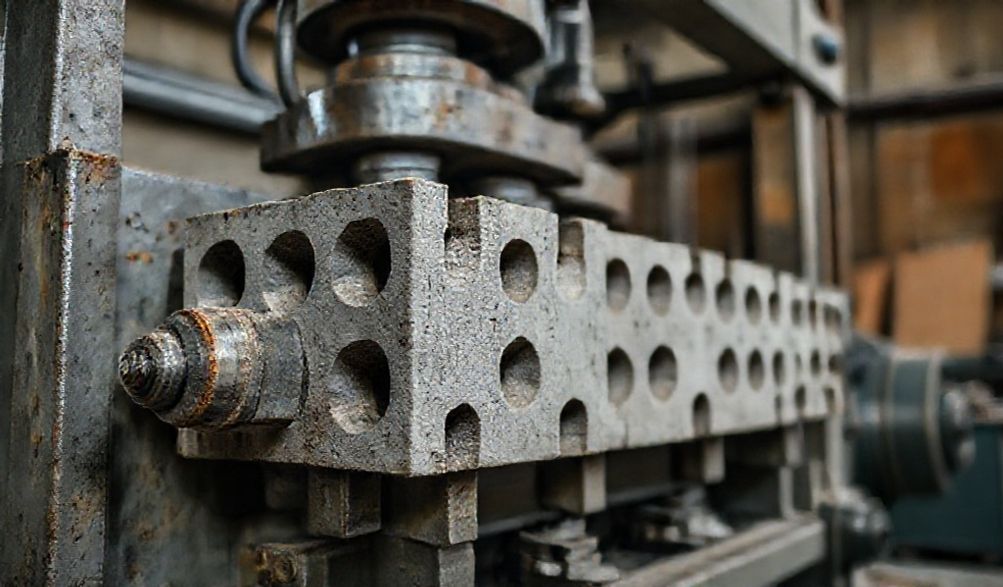
Your Complete Guide to Finding a Used Concrete Block Making Machine for Sale in the USA
Introdução
You’ve seen the opportunity. The demand for concrete blocks, pavers, and retaining walls in your region is steady. But as a small business owner, contractor, or ambitious startup, the six-figure price tag of a brand-new block making machine feels like an insurmountable wall. What if you could acquire the same productive capability for a fraction of the cost? This is the powerful appeal of the used equipment market.
Navigating the landscape of used concrete block making machines for sale in the USA, however, is fraught with challenges. The market is fragmented, listings can be vague or misleading, and the fear of buying a lemon that costs more in repairs than its purchase price is very real. How do you assess a machine’s true condition from an online ad? How can you avoid scams and ensure you’re making a sound investment for your business?
Consider this guide your trusted roadmap. Drawing on decades of collective industry experience, we’ve compiled a strategic, step-by-step process for finding, evaluating, and purchasing a reliable used concrete block machine. By following this expert advice, you can save tens of thousands of dollars, accelerate your return on investment, and make a confident, intelligent business decision. Let’s build your success from the ground up.
Why Consider a Used Concrete Block Machine?
Investing in used industrial machinery isn’t about settling for less; it’s a strategic financial decision. For many businesses, it’s the smartest path to growth and profitability.
Significant Cost Savings vs. New Equipment
The most compelling reason is straightforward: capital preservation. A new, fully automatic stationary block machine can easily cost $250,000 to $500,000+. A well-maintained used model with similar capabilities might be available for $80,000 to $150,000.
- Depreciation: New equipment loses a significant portion of its value the moment it leaves the dealer. You avoid that initial steep depreciation hit.
- Proposta de Valor: You can often acquire 70-80% of the productive capability for 30-50% of the cost of a new machine, freeing up crucial capital for other business needs like marketing, inventory, or facility costs.
Faster ROI for Startups and Small Businesses
For a new venture, minimizing the time to break even is critical. A lower initial investment means you need to produce and sell fewer blocks to cover the cost of the machine itself. This accelerated path to profitability allows you to reinvest earnings and scale your operations more quickly than if you were burdened with a massive new equipment loan.
Desempenho e Confiabilidade Comprovados
A used machine comes with a history. Unlike a new, unproven model, a used machine that has been operating successfully for years demonstrates its reliability in a real-world environment. Many older machines, especially from top-tier brands, were built with incredibly robust, over-engineered designs that stand the test of time. Simple mechanics can also mean easier maintenance and repair.
Ideal for Specific or Limited Production Needs
Not every operation needs a brand-new, high-speed production line. A used machine is perfect for:
* Custom Product Lines: Testing a new block design without tying up capital in a new machine.
* Seasonal or Contract Work: Supplementing primary production during peak periods.
* Secondary/Backup Capacity: Ensuring you never have to stop production if your main machine is down.
* Produção no Local: Using a mobile “egg layer” machine for a specific construction project.
Key Types of Used Block Making Machines in the Market
Understanding the different machine types is essential to matching the equipment to your specific business model and production goals.
Máquinas de Bloco Estacionárias vs. Móveis
This is the fundamental split in block making technology.
* Máquinas Estacionárias: These are fixed in a plant setting. Blocks are made at a central point and transported via conveyors and forklifts to a curing yard. They are designed for high-volume, consistent production (thousands of blocks per day).
* Mobile Machines (Often called “Egg Layers”): These machines move along a concrete slab, laying blocks directly on the curing floor. They are ideal for lower-volume production, on-site manufacturing, or startups due to their lower cost and simpler setup. Output is significantly less than stationary plants.
Máquinas Manuais, Semiautomáticas e Totalmente Automáticas
The level of automation directly impacts labor requirements, output speed, and price.
* Máquinas Manuais: Operated primarily by hand levers and human labor for feeding and block removal. Very low output, but also very low cost. Suitable for tiny, artisanal operations.
* Máquinas Semiautomáticas: The most common type in the used market. They use a mix of hydraulic, electrical, and manual processes. An operator may load mix and initiate cycles, but core functions like vibration and compaction are automated. Offers a great balance of output and affordability.
* Máquinas Totalmente Automáticas: Computer-controlled (PLC) systems that handle the entire process from feeding to pallet return with minimal human intervention. Deliver the highest output but are the most complex and expensive, even used.
Popular Models and Brands to Look For
Sticking with reputable brands with a history in the North American market is crucial for parts and service support.
* Melhor: The gold standard for stationary plants. Renowned for durability. Parts and technical knowledge are widely available.
* Columbia Machine: A major global manufacturer of both stationary and mobile equipment. Strong dealer network.
* Zenith: A German brand known for high-quality, innovative block making systems.
* Other Notable Names: Hess, Multibloc, Prensoland.
Critical Tip: Before falling in love with a specific used model, research the current availability and cost of its common wear parts (molds, shoes, etc.). A “great deal” on an obscure or defunct brand can become a nightmare.
Where to Find Used Concrete Block Machines for Sale in the USA
Knowing where to look is half the battle. Each source has its own advantages and risks.
Specialized Industrial Machinery Dealers
These are companies that buy, recondition, and resell used manufacturing equipment.
* Prós: Machines are often inspected, serviced, and may come with a short warranty. Dealers provide a layer of trust and handle logistics. This is the lowest-risk option.
* Contras: You pay a premium for this service. Prices will be higher than private party sales.
Online Marketplaces and Auctions (e.g., MachineryTrader, eBay, GovDeals)
These platforms offer vast selection but require due diligence.
* MachineryTrader / Rock & Dirt: Industry-specific sites with many dealer listings. Higher quality on average.
* eBay / Facebook Marketplace: Can find private sellers, but be extra cautious. Scams are more prevalent.
* GovDeals / Public Surplus: Government and municipal auctions can yield fantastic deals on well-maintained equipment from public works departments.
* Safety Tips: Always check seller ratings and history. Be deeply suspicious of listings with only stock photos. Never wire money directly without verified safeguards.
Direct from Manufacturers or Plant Closures
Sometimes you can buy straight from the source.
* Manufacturer Trade-Ins: Some manufacturers sell their own refurbished trade-in machines.
* Plant Closures or Liquidations: When a block plant shuts down, entire production lines are sold. This can be an opportunity to get a complete, matching system. Look for auction notices from industrial liquidators.
Industry Networks and Trade Associations
The best deals are sometimes never publicly advertised.
* Networking: Tap into your professional network. Let suppliers, contractors, and peers know you’re looking.
* Trade Associations: Organizations like the National Concrete Masonry Association (NCMA) are invaluable. Members often list equipment for sale to other members, creating a trusted marketplace.
The Essential Pre-Purchase Inspection Checklist
Never skip this step. A thorough inspection separates a wise investment from a costly mistake. If you cannot perform this yourself, hire a qualified mechanic or industry consultant.
Mechanical and Structural Integrity
- Quadro: Inspect for any cracks, stress fractures, or poorly executed repair welds.
- Sistema de Vibração: This is the heart of the machine. Listen for unusual noises. Check the condition of vibration motors or shafts.
- Mold and Pallets: Examine the mold cavity and pallets for excessive wear, warping, or damage. Replacing a mold can cost thousands.
- Sistema Hidráulico: Look for leaks at hoses, cylinders, and valves. Check the hydraulic fluid for contamination (metal flakes, milky appearance). Ask if the system holds pressure.
- Cores: For hollow block machines, check the core rods for wear and straightness.
Electrical and Control Systems
- PLC & Controls: Note the age and model of the Programmable Logic Controller (PLC). Are spare programs available? Is the interface functional?
- Wiring: Look for frayed, burnt, or rodent-damaged wiring in the cabinet.
- Sensors & Interlocks: Verify that safety guards and door interlocks function correctly.
Critical Wear Parts Assessment
Evaluate the condition and availability of high-wear items. The cost to replace these should be factored into your offer.
* Molds and mold liners
* Tamper shoes and heads
* Mixer blades and liners
* Conveyor belts and rollers
* Hydraulic hoses and seals
Requesting and Reviewing Documentation
The presence of good documentation indicates a well-cared-for machine.
* Service and Repair Records: These are gold. They show what has been replaced and how regularly it was maintained.
* Original Manuals and Parts Lists: Essential for future troubleshooting and ordering correct parts.
* Electrical and Hydraulic Diagrams: Critical for any electrician or mechanic who will work on the machine.
Key Questions to Ask the Seller
Come prepared with a list. The seller’s answers (or reluctance to answer) will tell you a lot.
Questions About History and Usage
- “How many production cycles or shifts has this machine run?”
- “What specific products (block size, type) was it producing?”
- “What is the primary reason for selling?”
- “Has it been in continuous use, or has it been sitting idle?”
Questions About Maintenance and Repairs
- “Can you provide the maintenance logs for the past two years?”
- “Have any major components (hydraulic pump, vibration motors, PLC) ever been rebuilt or replaced?”
- “What are the known issues or items that will need immediate attention?”
Questions About Support and Logistics
- “Is the machine under power and can we see it run a full cycle?”
- “Do you offer any technical support after the sale?”
- “Will you assist with loading onto our truck, and is a forklift/rigger available on-site?”
- “Can you recommend a source for spare parts and wear items?”
Cost Factors and Negotiation Tips
The listed price is just the starting point. Your total investment will be higher.
Beyond the Sticker Price: Total Cost of Ownership
Budget for these often-overlooked expenses:
* Immediate Repairs: Any parts identified during inspection.
* Transportation & Rigging: Can cost $2,000-$10,000+ depending on distance and machine size.
* Instalação e Configuração: Foundation work, electrical connection (may require a new 3-phase service), air line installation, and alignment.
* Replacement Wear Parts: Budget for an initial set of spare parts.
Realistic Pricing Benchmarks
Prices vary wildly, but here are general ranges for used machines in fair to good condition:
* Used Mobile “Egg Layer” Machine: $15,000 – $50,000
* Used Semi-Automatic Stationary Machine: $40,000 – $120,000
* Used Fully Automatic Stationary Plant: $100,000 – $300,000+
Research: Look at “Sold” listings on dealer websites to understand true market value.
Effective Negotiation Strategies
- Use Your Inspection: The single most powerful tool. “The hydraulic system has a major leak and the mold is at 80% wear. My offer reflects the $15,000 needed to address these items.”
- Be Ready to Walk Away: There will always be another machine. This mindset gives you negotiating power.
- Offer a Fair Price Based on Facts: Come with a reasoned offer, not a lowball. It shows you’re a serious, knowledgeable buyer.
Avoiding Common Pitfalls and Scams
A healthy dose of skepticism will protect your capital.
Red Flags in Online Listings
- Only generic stock photos are used.
- The seller refuses to provide a current video of the machine running under power.
- The description is vague (“excellent condition,” “works great”) with no specifics.
- The price is dramatically lower than comparable machines.
- The seller pressures you to make a quick decision or wire a deposit immediately.
The Importance of an In-Person or Third-Party Inspection
This cannot be overstated. Never buy a machine of this scale and complexity sight-unseen. If you cannot travel to inspect it, hire a local industrial mechanic or a consultant to do it for you. The fee ($500-$1,500) is cheap insurance against a $50,000 mistake.
Understanding “As-Is, Where-Is” Sales
This is standard language in used equipment sales. It means you are buying the machine in its present condition, from its current location, with no warranties or guarantees implied. All the more reason why your pre-purchase inspection is the only warranty you get. Get all terms—including who is responsible for loading—in writing on a bill of sale.
Seção de Perguntas Frequentes
Q: What is the average lifespan of a used concrete block machine?
A: With proper maintenance, a well-built machine from a quality brand can have a productive lifespan of 20-30 years or more. The condition when you buy it and your commitment to upkeep are the defining factors.
Q: Is it difficult to find parts for older used block machines?
A: It depends entirely on the brand. For brands like Besser and Columbia, parts support for older models is generally excellent through dealers and specialized suppliers. For obsolete or foreign brands with no US presence, it can be very difficult and expensive. Prioritize parts availability in your search.
Q: Can I see a used machine running before I buy it?
A: You should absolutely insist on it. A legitimate seller will have the machine under power and demonstrate it producing at least a few blocks. This tests the hydraulic pressure, vibration function, electrical sequences, and control system in one crucial step.
Q: How much should I budget for installation and setup?
A: Budget 10-25% of the machine’s purchase price for rigging, transportation, foundation, and electrical hookup. Get quotes from riggers and electricians antes you buy so there are no surprises.
Q: Are there financing options for used equipment?
A: Yes. Many equipment financing companies, banks, and some dealers offer loans or leases for used machinery. The age of the equipment, your business credit, and a down payment (typically 20-30%) will be key factors in securing financing.
Conclusão
Purchasing a used concrete block making machine in the USA is a significant but highly achievable step toward growing your business. The journey involves a clear understanding of your needs, knowing where to search, conducting relentless due diligence, and negotiating from a position of knowledge. By treating the process as a strategic business investment—not just a purchase—you mitigate risk and maximize your chances of success.
Remember, the used equipment market rewards the diligent. Use this guide as your checklist. Leverage expert inspections when needed, and prioritize trust and transparency in every transaction. The right machine is out there, ready to become the workhorse of your operation for years to come.
Ready to start your search? Bookmark this page as your reference. Have a specific question about a machine type or inspection tip? Share your thoughts or experiences in the comments below—let’s learn from each other’s journeys.
<