
Blocos de Terra Comprimida à Venda: Seu Guia Completo de Fornecimento e Compra
Numa era em que soluções de construção sustentáveis, duráveis e económicas não são apenas preferidas, mas essenciais, um material antigo está a viver um poderoso renascimento: a terra. Hoje, os blocos de terra comprimida (BTC) estão na vanguarda desta revolução da construção ecológica, oferecendo uma alternativa convincente ao betão e ao tijolo convencionais. Mas conhecer os benefícios é uma coisa; encontrar blocos de terra comprimida fiáveis e de alta qualidade é outra.blocos de terra comprimida à vendaé outro.
Este guia é construído sobre uma base de conhecimento do setor, insights diretos de fabricantes estabelecidos e experiência prática de construção. Vamos desmistificar os CEBs, destacar suas vantagens incomparáveis e, mais importante, fornecer um roteiro claro e acionável para encontrar e avaliar fornecedores. Seja você um construtor, arquiteto, desenvolvedor visionário ou entusiasta dedicado ao faça-você-mesmo, em busca ativa de materiais para seu próximo projeto, considere este seu recurso definitivo para realizar uma compra bem-informada e bem-sucedida.
O Que São Blocos de Terra Comprimida? Uma Abordagem Moderna de um Material Antigo
Os Blocos de Terra Comprimida são exatamente o que o nome sugere: blocos de construção feitos de solo úmido — tipicamente uma mistura de areia, silte e argila — compactados sob alta pressão mecânica. Diferentemente do adobe tradicional secado ao sol, os BTC utilizam maquinário moderno para alcançar resistência e consistência notáveis, unindo sabedoria ancestral à engenharia contemporânea.
A Ciência e o Processo por Trás dos CEBs
A magia de um Tijolo de Terra Comprimida (TCE) reside na sua simplicidade e processo. Não serve qualquer terra. A mistura ideal de solo é analisada e frequentemente modificada com uma pequena porcentagem de um estabilizante.
- Composição:O material principal é o subsolo de origem local. Um estabilizante, como 5-10% de cimento Portland ou cal hidratada, é frequentemente adicionado para melhorar a durabilidade, a resistência à água e a resistência à compressão. Isso cria um "bloco de terra comprimida estabilizado" (BTCE), o tipo mais comum para estruturas permanentes e em conformidade com os códigos.
- O Processo de Compressão:A mistura umedecida é alimentada em uma prensa hidráulica ou mecânica. Essas máquinas, como as populares prensas Auram ou Cinva Ram, aplicam uma força imensa—frequentemente medida em toneladas por polegada quadrada—para extrudar um bloco denso e coeso. Essa compressão alinha as partículas de argila, criando uma forte ligação mecânica sem a necessidade de queima, o que economiza uma quantidade enorme de energia.
Principais Propriedades e Especificações Técnicas
Ao avaliarblocos de terra comprimida à vendaCompreender suas especificações técnicas é crucial para o planejamento do projeto. As propriedades-chave incluem:
- Resistência à Compressão: Properly made SCEBs can achieve strengths ranging from 600 to 1,200 psi (pounds per square inch) or more, meeting or exceeding many conventional masonry standards (ASTM C90 for concrete block, for instance, specifies a minimum of 600 psi).
- Massa Térmica: This is a superstar feature. CEBs absorb heat during the day and release it slowly at night, naturally regulating indoor temperatures and slashing heating and cooling costs.
- Moisture Resistance: With proper stabilization and a good protective plaster or render, CEB walls are highly resistant to weather. The blocks themselves should have low erosion rates when tested (e.g., the “tube test” or “spray test”).
- Fire Rating: Earth does not burn. CEB walls typically achieve excellent fire resistance ratings, often exceeding 2 hours, as they are inherently non-combustible.
- Tamanhos e Formas: While dimensions vary by press, a common modular size is 10″ x 14″ x 4″. Many suppliers also offer half-blocks, corner blocks, and even interlocking designs that can simplify construction.
Top Benefits of Building with Compressed Earth Blocks
Choosing CEBs isn’t just an aesthetic or philosophical decision; it’s a practical one with measurable impacts on the environment, your wallet, and your long-term comfort.
Unmatched Sustainability and Low Environmental Impact
CEBs are a poster child for green construction. Their embodied energy—the total energy consumed from extraction to installation—is a fraction of that for fired brick or concrete. They utilize local soil, drastically reducing transportation emissions. At the end of their long life, they can simply return to the earth or be crushed and reused, creating a truly circular material.
Exceptional Energy Efficiency and Comfort
The high thermal mass of earth walls acts as a thermal battery. In climates with daily temperature swings, this mass absorbs excess heat, keeping interiors cool. That stored heat is then released as the air cools, warming the space. This passive regulation creates a uniquely comfortable, stable, and quiet living environment with minimal mechanical intervention.
Cost-Effectiveness Over the Building Lifecycle
While material costs can be competitive, the true savings are holistic:
* Material: Soil is often the cheapest possible base material.
* Insulation & Finishes: The thermal performance may reduce or eliminate the need for separate insulation. The block itself can be the finished wall with a simple plaster, saving on drywall, paint, or siding.
* Trabalho: The uniform size and dry-stack or thin-mortar construction methods can allow for faster wall assembly than traditional bricklaying.
* Operational: Dramatically lower lifetime energy bills are the most significant financial benefit.
Durabilidade e Integridade Estrutural
Don’t let the “earth” fool you. Well-made CEB structures are incredibly durable. Historical examples of earth construction stand for centuries. Modern SCEBs, when designed and built correctly (with proper roof overhangs and foundations), meet modern building code requirements for strength and longevity, as evidenced by their inclusion in appendices to the International Building Code (IBC) and numerous successful projects worldwide.
Key Considerations Before You Buy Compressed Earth Blocks
Jumping straight to a Google search for “blocos de terra comprimida à venda” is premature. A successful project starts with thorough groundwork.
Project Requirements: Volume, Timeline, and Specifications
- Volume: Calculate your approximate block count. A reliable supplier will help with this, but a preliminary estimate prevents sticker shock. Remember to account for waste and cuts (typically 5-10%).
- Timeline: Lead times matter. Established manufacturers may have a backlog, especially in peak building seasons. Factor in production and delivery time antes your construction start date.
- Especificações: Decide early on stabilized vs. unstabilized blocks. For almost all permanent, load-bearing structures in variable climates, stabilized blocks are the recommended choice.
Soil Testing and Site Suitability
This is non-negotiable. The soil on your site might be perfect, or it might be wholly unsuitable. A professional soil lab analysis (costing a few hundred dollars) will determine the exact clay/silt/sand ratios and recommend the correct stabilizer type and percentage. Some reputable suppliers require this test data or offer testing services themselves—a major green flag.
Local Building Codes and Permits
Engage with your local building department early. Present them with technical data sheets from your prospective CEB supplier. While progressive regions may have explicit CEB codes, others will use an “alternative materials and methods” clause (IBC Section 104.11). Having an engineer or architect experienced with earth construction on your team is invaluable for navigating this process.
How to Find and Evaluate Suppliers: “Compressed Earth Blocks for Sale”
This is the core of your sourcing mission. Your choice of supplier will directly impact the quality, cost, and success of your build.
Sourcing Options: Manufacturers, Distributors, and On-Site Production
You have three primary avenues:
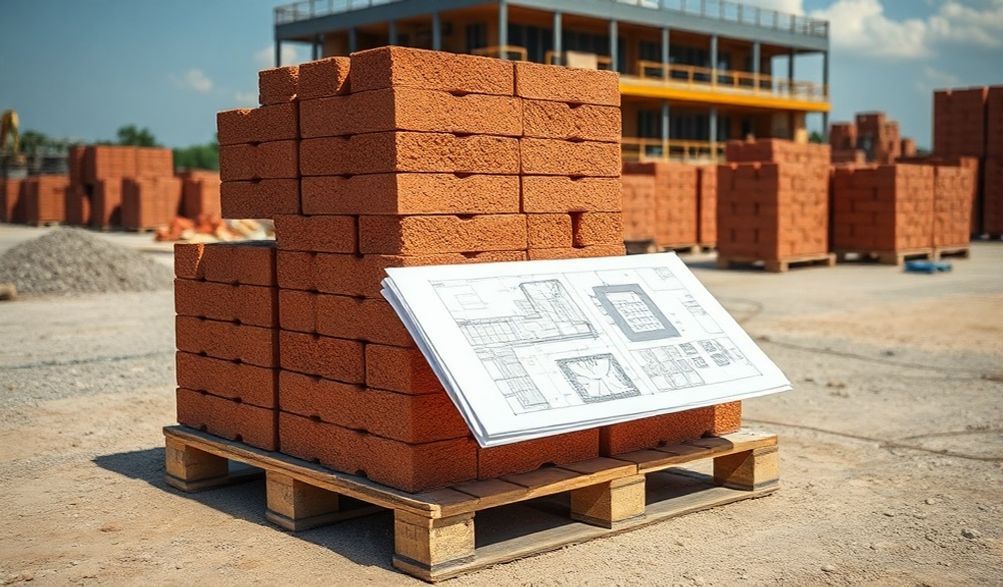
1. Dedicated Manufacturers/Plants: These facilities produce blocks in a controlled environment, ensuring consistency and quality. They deliver palletized blocks to your site. This is often the best option for larger projects and those seeking certified, code-compliant materials.
2. Mobile Press Operators: A contractor brings a press to your site and manufactures the blocks from your soil (after testing). This eliminates transportation costs for the blocks and is ideal for remote locations, but places more responsibility on the operator’s skill.
3. Distributors: Some companies act as middlemen for manufacturers, offering sales and logistics support across wider regions.
Red Flags and Green Flags in a Supplier
Establishing E-E-A-T here is critical. Trustworthy suppliers demonstrate their expertise and authority transparently.
Green Flags (Trust Signals):
* Licensing & Insurance: They operate as a legitimate, insured business.
* Promotes Soil Testing: They insist on or provide professional soil analysis.
* Provides Documentation: They readily offer technical data sheets, compressive strength test results from a third-party lab, and material safety data sheets (MSDS) for stabilizers.
* Has a Portfolio: They can show you completed projects and provide client references.
* Knowledgeable Staff: They can knowledgeably discuss soil science, compression ratios, and building details.
Red Flags (Walk Away):
* No Testing: They claim “any soil will work” or offer no testing protocol.
* Vague Answers: They cannot provide specific strength data or technical details.
* Lack of Documentation: They have no data sheets, no business address, or are evasive about their process.
* Unrealistic Claims: They promise wildly low prices or performance that seems too good to be true.
Essential Questions to Ask Before Purchasing
Arm yourself with this script when contacting suppliers:
1. “What is your standard stabilization process and percentage?”
2. “Can you provide recent compressive strength and absorption test results from an independent lab?”
3. “What is your average production capacity and current lead time?”
4. “What is your delivery range and method? Are blocks palletized and wrapped?”
5. “Do you offer technical support or guidance on mortar mixes and construction best practices?”
6. “Can you connect me with a past client who had a similar project?”
Understanding Costs: Pricing for Compressed Earth Blocks
Cost is always a factor, but with CEBs, it’s essential to look beyond the simple per-block price.
Breakdown of Cost Factors
- Tipo de Bloco: Stabilized blocks cost more than unstabilized due to the added material.
- Quantity: Significant volume discounts are common.
- Shipping/Distance: This is often the largest variable. Local sourcing is a key economic and environmental advantage of CEBs.
- Aditivos: Mineral oxides for color or additional waterproofing agents will increase the price.
Sample Price Ranges
Prices vary dramatically by region, supplier, and order size. Use these as illustrative guides only:
* Unstabilized CEBs: Typically range from $2.50 to $4.00 per block.
* Stabilized CEBs (SCEBs): More commonly range from $3.50 to $7.00+ per block.
* Delivery: Can add $0.50 to $2.00+ per block, depending on distance.
Always get itemized quotes from multiple suppliers.
The True Value: Analyzing Cost vs. Performance
When comparing to a conventional 8″ concrete block at $2-$3 each, CEBs might seem comparable or slightly higher. However, the comparison is incomplete. Factor in the CEB’s integral finish, its superior thermal performance (which may reduce insulation costs), and its potential labor savings. The long-term energy savings then tip the economic scales decisively in favor of CEBs over the lifespan of the building.
Frequently Asked Questions (FAQ) About Buying CEBs
Q1: How much do compressed earth blocks cost compared to traditional bricks or concrete blocks?
A: On a pure material basis, CEBs are often competitive with mid-range brick and concrete masonry units (CMUs). However, a CEB wall often serves as structure, insulation (thermal mass), and finish in one system. When you factor in the eliminated costs of exterior siding, interior drywall, and additional insulation, the total wall system cost can be very favorable. Their real economic advantage shines in drastically reduced lifetime energy expenses.
Q2: Can I buy compressed earth blocks for a small residential project, or is there a minimum order?
A: Absolutely. Many suppliers cater specifically to custom home builders and owner-builders. While large plants may have a pallet minimum (e.g., 500 blocks), many smaller operations and mobile press operators are happy to work on residential-scale projects. Be upfront about your project size when inquiring.
Q3: How are compressed earth blocks delivered, and what is the typical lead time?
A: Blocks are almost always delivered on wooden pallets, securely wrapped in plastic to protect them from moisture during transit. Lead time depends entirely on the supplier’s backlog and your order size. It can range from 2-3 weeks for a ready-made inventory to 8-12 weeks for a large custom order during the busy season. Plan ahead.
Q4: Do I need special skills or mortar to build with CEBs?
A: The basics are similar to masonry, making it accessible to skilled DIYers. However, specific techniques for laying, coursing, and installing bond beams are recommended. Mortar is typically a “mud” mortar made from the same screened soil as the blocks or a slightly sandier mix. Some builders use a thin, cement-based mortar for stabilized blocks. Training workshops are highly recommended for first-time builders.
Q5: Are compressed earth blocks suitable for all climates?
A: Yes, with proper design. In wet or cold climates, stabilization (usually with cement) is critical. The design must include large roof overhangs, raised foundations, and a breathable yet protective plaster (like lime-based plaster) to shield the walls from direct rain and capillary moisture. In these climates, the thermal mass benefit is particularly powerful for stabilizing indoor temperatures.
Conclusão
Compressed earth blocks present a powerful trifecta: profound environmental sustainability, exceptional building performance, and compelling long-term economics. They offer a path to creating healthy, quiet, and resilient structures with a deep connection to place. However, the success of your project hinges on one critical decision: your choice of supplier.
As this guide has emphasized, the journey to find quality blocos de terra comprimida à venda requires due diligence. Prioritize suppliers who demonstrate expertise, authority, and trustworthiness through transparency, testing, and a portfolio of success. Use the evaluation questions provided here as your checklist when requesting quotes. Your next steps are clear: begin with a professional soil test, consult with a designer familiar with earth building, and start conversations with 2-3 reputable, certified manufacturers. By investing time in sourcing the right materials from the right partner, you’re investing in the integrity and longevity of your build. The future of building is, quite literally, returning to the ground beneath our feet.
<