
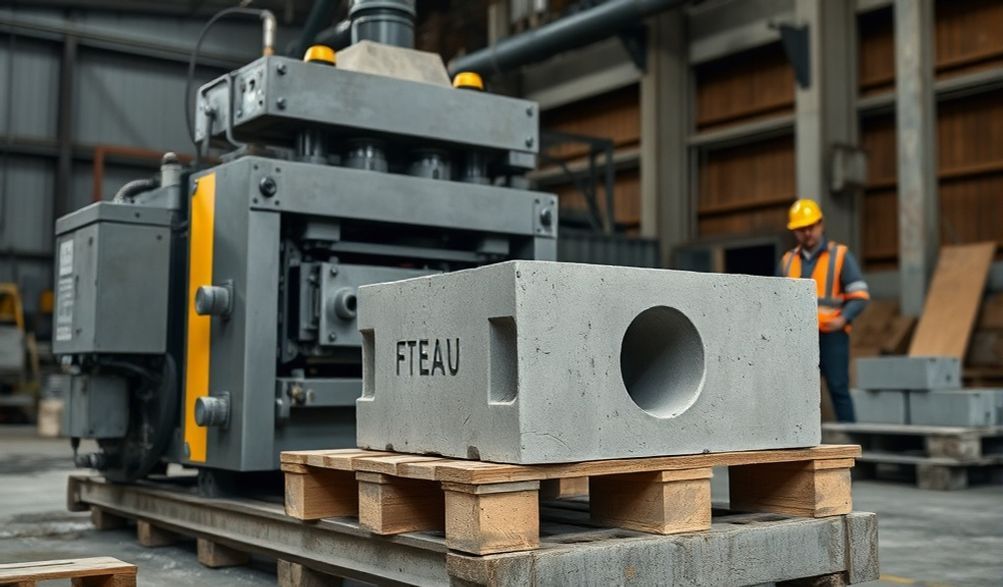
O Guia Definitivo para a Máquina de Blocos QT4: Seu Parceiro em Eficiência na Construção
No mundo da construção e da fabricação de materiais de construção, eficiência e confiabilidade são a base da rentabilidade. Para empreendedores e empresas de construção de pequeno a médio porte, encontrar equipamentos que equilibrem capacidade com custo pode ser uma tarefa assustadora. Eis a máquina de blocos QT4 — uma máquina semiautomática robusta que se tornou um padrão global para produzir blocos de concreto, pavimentadoras e meios-fios de alta qualidade. Esta máquina não é apenas um equipamento; é um parceiro estratégico para construir um negócio sustentável desde a base.
Este guia abrangente é o resultado de uma extensa análise e observação no setor de maquinário para tijolos e blocos. Vamos além das especificações básicas de venda para oferecer uma compreensão profunda e prática da QT4. Exploraremos seu coração mecânico, conduziremos você por uma operação eficiente e manutenção crítica, analisaremos seu verdadeiro valor econômico e o equiparemos com o conhecimento para selecionar a máquina certa do fornecedor adequado. Nosso compromisso é fornecer informações confiáveis e acionáveis que priorizem, acima de tudo, o sucesso operacional e a segurança de sua operação.
Compreendendo a Máquina de Blocos QT4: Especificações Principais e Design
O QT4 é classificado como uma máquina de blocos do tipo "estacionária" ou "de postura de ovos". Diferente das máquinas móveis que se deslocam pela área de produção, o QT4 permanece no lugar, produzindo blocos que são então movidos manualmente ou de forma semiautomática para uma área de cura. Esse design é a chave para sua simplicidade, durabilidade e acessibilidade.
Especificações Técnicas e Componentes Principais
Em sua essência, a QT4 é uma máquina elegantemente simples, construída em torno de alguns componentes robustos. Compreender essas partes é crucial para a operação e manutenção.
- Sistema de Energia:Normalmente disponível em configurações de motor elétrico (padrão) e motor a diesel. A opção a diesel oferece mobilidade essencial para locais sem fornecimento de energia elétrica confiável da rede.
- Sistema de Vibração:O coração da densidade do bloco. Ele emprega um potente motor de vibração equilibrado, montado em uma mesa de vibração robusta. Isso garante que a mistura de concreto seja completamente compactada para eliminar vazios e criar blocos resistentes.
- Ciclo de Produção:Um ciclo padrão — alimentação, compactação e elevação do molde — leva aproximadamente 15 a 20 segundos. Esse ritmo permite uma produção constante e gerenciável.
- Dimensões Gerais:Sua pegada compacta (geralmente em torno de 2m x 1,5m) a torna adequada para pátios de produção ou oficinas menores.
Quebra de Componentes Principais:
- Estrutura Robusta:Construído a partir de perfis e chapas de aço de alta resistência, projetado para suportar vibração e pressão constantes sem deformação.
- Sistema de Moldagem:O molde intercambiável define o formato do bloco. Moldes de alta qualidade, soldados com precisão e com revestimentos substituíveis são essenciais para a consistência do produto e uma longa vida útil.
- Sistema de ImprensaUtiliza um mecanismo mecânico ou hidráulico para aplicar pressão descendente sobre o molde durante a vibração, aumentando ainda mais a densidade do bloco e o acabamento superficial.
- Painel de Controle:Um painel simples e de fácil utilização abriga os arrancadores do motor e os controles para os sistemas de vibração e prensagem, permitindo uma operação fácil.
Produção Padrão e Tamanhos de Blocos
A verdadeira versatilidade da QT4 está na intercambialidade dos moldes. Com uma única máquina, você pode produzir um catálogo diversificado de produtos para atender às demandas do mercado.
Commonly Produced Block Types & Sizes:
* Blocos Vazados: 400x200x200mm, 400x150x200mm (standard building blocks).
* Blocos Sólidos: Various sizes for structural applications.
* Ladrilhos Intertravados: 200x100x60mm, 225×112.5x60mm, and numerous decorative patterns.
* Meios-fios e Bordas de Jardim: Standard and custom profiles.
* Formatos Especiais: Through custom molds, it can produce bricks, grass pavers, and more.
Capacidade de Produção:
* With a standard 400x200x200mm hollow block mold, the QT4 can produce approximately 2,000 – 3,000 blocks per 8-hour shift, depending on operator efficiency and workflow organization.
* Changing molds is a relatively straightforward process (taking 30-60 minutes), allowing a single operation to switch between product lines to fulfill different orders, maximizing market responsiveness.
Operational Workflow: How to Efficiently Run a QT4 Machine
A smooth operation is a profitable operation. Here’s how to run your QT4 machine efficiently from raw material to finished product.
Step-by-Step Production Process
- Preparação de Matérias-Primas: Success starts with a consistent concrete mix. A standard ratio is 1 part cement, 3 parts sand, and 3 parts aggregate (e.g., 6mm stone). Water content is critical—aim for a semi-dry mix that holds its shape when squeezed in your hand. A forced-action pan mixer is highly recommended for a homogeneous blend.
- Feeding the Hopper: The prepared mix is fed into the machine’s hopper. Consistency in the volume of each feed is key to producing blocks of uniform weight and dimensions.
- Compaction and Molding: The operator initiates the cycle. The mix is drawn into the mold cavity. The powerful vibration motor activates, simultaneously with the press head applying pressure. This dual action compacts the concrete, forcing out air and creating a dense, strong block.
- Demolding and Lifting: After vibration, the mold is lifted vertically, leaving the freshly formed block on the production pallet or directly on a concrete floor (if no pallet system is used). This “egg-laying” action gives the machine its nickname.
- Cura: The fresh blocks are carefully moved (via pallet or lifting tool) to a curing area. They must be kept moist and covered with plastic sheeting for at least 24 hours to ensure proper hydration and strength development before being air-cured.
- Stacking and Storage: After initial curing, blocks are stacked and stored for the full 28-day curing period to reach their maximum compressive strength before sale or use.
Essential Maintenance for Longevity and Reliability
Proactive maintenance prevents costly downtime and extends your machine’s life by years.
Daily Checklist:
* Clean the machine thoroughly, removing all concrete residue from the mold, table, and hopper.
* Check for loose bolts and nuts, especially on the vibration motor mounts.
* Visually inspect hydraulic hoses and connections for leaks (if applicable).
* Lubricate all moving parts (guide rods, pivot points) as per the manual.
Weekly/Monthly Checklist:
* Inspect mold liners and the press head for significant wear or damage.
* Check the tension of drive belts (on mechanical models).
* Inspect electrical connections for tightness and signs of wear.
* Verify the performance of the vibration motor.
Common Wear Parts & Troubleshooting:
* Peças de Desgaste: Mold liners, vibration motor bearings, hydraulic seals, and feed hopper scrapers are consumables. Keep spares on hand.
* Poor Block Density: Usually caused by incorrect concrete mix (too wet/dry), insufficient vibration time, or a worn vibration motor.
* Blocks Sticking in Mold: Often due to a damaged or poorly lubricated mold, or a concrete mix with too much fine sand and not enough release agent.
Analyzing the Advantages and Economic Viability
For the target market, the QT4 isn’t just a machine; it’s an accessible entry point into manufacturing with a clear path to return on investment.
Key Benefits for Small Businesses and Startups
- Baixo Investimento Inicial: The QT4 represents a fraction of the cost of a fully automatic production line, dramatically lowering the barrier to entry.
- Operational Economy: It has relatively low energy consumption and can be operated efficiently by a crew of just 2-3 people.
- Simplicity and Reliability: Its mechanical design is easy to understand, repair, and maintain, even with basic technical skills. Fewer complex electronics mean fewer things that can go wrong.
- Versatilidade Notável: The ability to quickly change molds allows a small business to serve multiple market segments—from housing construction to landscaping—with one capital investment.
Cost-Benefit Analysis and ROI Projection
While numbers vary by region, a basic ROI framework can be established:
- Calculate Fixed Costs: Include the machine price, delivery, and essential accessories (e.g., mixer, pallets).
- Calculate Variable Costs Per Block: Sum the cost of cement, aggregates, sand, labor, and power for each block produced.
- Determine Local Selling Price: Research the market price for the blocks you intend to produce.
- Project Daily/Weekly Output: Be realistic based on a single-shift, efficient operation.
- Run the Numbers:
- Gross Profit per Block = Selling Price – Variable Cost.
- Daily Gross Profit = Gross Profit per Block x Daily Output.
- ROI Timeline = Total Fixed Cost / Daily Gross Profit.
Exemplo: If your daily gross profit is $200 and your total fixed investment was $12,000, your simple payback period would be approximately 60 working days. This compelling economics is why the QT4 is a cornerstone of successful small-scale block yards worldwide.
Critical Factors for Selecting and Sourcing a QT4 Machine
Your choice of supplier is as important as your choice of machine. A reliable partner ensures long-term productivity.
Choosing the Right Supplier: A Buyer’s Checklist
- Reputation and Experience: Look for a manufacturer or exporter with a verifiable track record of at least 5-10 years. Search for independent customer reviews or testimonials.
- Serviço Pós-Venda: Confirm what support is offered. This should include:
- Detailed installation manuals and video guides.
- Availability of comprehensive operation and maintenance documentation.
- A clear spare parts catalog with pricing.
- Access to technical support (via phone, email, or WhatsApp).
- Transparency: A trustworthy supplier will readily provide:
- Machine Test Videos: Before shipment, request a video of your actual machine running a production test.
- Customer References: Ask for contact information for previous buyers in a similar region or market.
Customization Options and Accessories
To enhance productivity and product range, inquire about these common add-ons:
- Color Mixer: For producing colored paving stones.
- Automatic Feeder: A conveyor system that feeds mix into the hopper, reducing manual labor and improving consistency.
- Block Stacker: A semi-automatic device to lift and stack fresh blocks onto curing racks.
- Projetos de Moldes Personalizados: Work with the supplier to create unique block or paver designs that can give you a competitive edge in your local market.
Safety Protocols and Operational Best Practices
Ignoring safety and quality protocols risks both your personnel and your business reputation.
Mandatory Safety Procedures for Operators
- Equipamento de Proteção Individual (EPI): Safety glasses, steel-toe boots, hearing protection (vibration is loud), and heavy-duty gloves are non-negotiable.
- Lockout-Tagout (LOTO): Before performing qualquer maintenance or clearing a jam, the machine must be powered off and the control panel locked with a personal padlock to prevent accidental startup.
- Safe Material Handling: Train staff on proper lifting techniques to move blocks and raw materials, preventing back injuries.
Ensuring Consistent, High-Quality Block Production
- Mix Consistency: Religiously control the water-to-cement ratio. Fluctuations here are the primary cause of weak or cracked blocks.
- Optimal Vibration: Adhere to the recommended vibration time (usually 10-15 seconds). Under-vibration causes weak blocks; over-vibration can lead to segregation of the mix.
- Proper Curing: Do not rush this process. Keep blocks covered and moist for the first 24-48 hours. This slow, controlled hydration is what gives concrete its strength. Skipping proper curing results in permanently inferior, crumbly blocks.
FAQ: Your Questions About the QT4 Block Machine Answered
Q: What is the difference between the QT4 and a fully automatic block making machine?
A: The core difference is in automation and output. The QT4 is semi-automatic, requiring operators to move and cure the blocks it produces. A fully automatic machine integrates a pallet circulation system, stackers, and sometimes robotic arms, creating a continuous production line with much higher output (e.g., 10,000+ blocks per shift) and less manual labor, but at a cost 5 to 10 times higher than a QT4.
Q: Can the QT4 machine produce interlocking paving blocks?
A: Yes, absolutely. By simply changing the mold, the QT4 can produce various styles of interlocking paving blocks, which are highly marketable for landscaping and driveway projects. This is one of its most popular applications.
Q: What kind of after-sales support should I expect from a reputable supplier?
A: A trustworthy supplier should provide detailed installation guidance (often via video), operator training manuals, a comprehensive parts catalog with diagrams, and prompt availability of technical support via communication channels like email or messaging apps. They should also guarantee the availability of genuine spare parts for a defined period.
Q: Is it possible to run a QT4 machine without a concrete mixer?
A: While technically possible to mix manually for very small batches, it is not recommended for any serious production. A concrete mixer (pan or planetary type) is essential for achieving a homogeneous, consistent mix. Inconsistent mixing leads to weak blocks, poor surface finish, and can cause damage to the machine’s mold and vibration system over time.
Conclusão
The QT4 block machine stands as a proven and pragmatic solution for entrepreneurs and construction firms looking to enter or solidify their position in the building materials market. Its genius lies in its balanced design—offering just the right level of automation to boost productivity without introducing overwhelming complexity or cost. It empowers businesses to create essential construction materials locally, reliably, and profitably.
Ultimately, your success will hinge on a triad of factors: the inherent quality of the machine, your commitment to diligent operation and maintenance, and, critically, your partnership with a credible and supportive supplier. By applying the insights from this guide—grounded in expertise and a commitment to trustworthy information—you are well-equipped to leverage the QT4 to build a solid foundation for your business, one perfectly formed block at a time.
<