
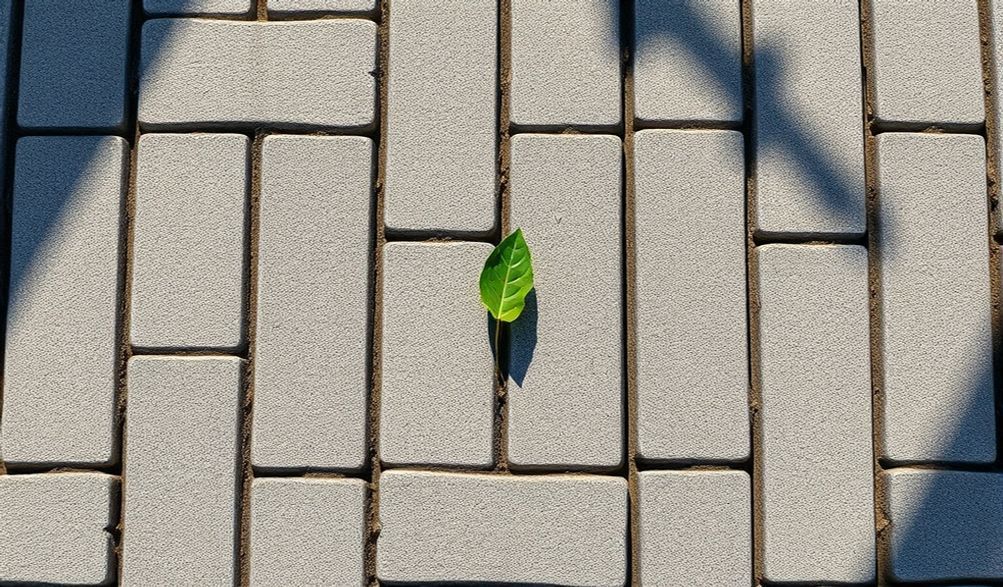
Blocos de Máquina de Intertravamento: Um Guia Abrangente sobre Tipos, Usos e Instalação
Imagine-se como proprietário de uma casa, parado na porta dos fundos, imaginando um pátio bonito e durável para encontros de verão. Ou talvez você seja um empreiteiro, encarregado de encontrar uma solução de pavimentação para um lote comercial que possa suportar décadas de tráfego intenso. Em ambos os cenários, a busca pelo material perfeito frequentemente leva a uma escolha de destaque: o bloco de concreto intertravado.
Um bloco de máquina de intertravamento é uma unidade de pavimentação de concreto fabricada com precisão, projetada para se encaixar firmemente sem a necessidade de argamassa. Isso cria uma superfície flexível, durável e frequentemente impressionantemente atraente para quase qualquer aplicação. Este guia sintetiza padrões do setor, especificações dos fabricantes e décadas de melhores práticas de profissionais de paisagismo e construção. Nosso objetivo é fornecer a você informações confiáveis e acionáveis. Exploraremos tudo, desde o processo de fabricação que confere a esses blocos sua resistência até a instalação passo a passo e os cuidados de longo prazo. Ao final, você estará capacitado a tomar decisões informadas para seu próximo projeto.
O Que São Blocos de Máquina de Intertravamento? Compreendendo o Básico
Em sua essência, um bloco de máquina de encaixe é um componente de construção de alto desempenho. Diferentemente do concreto moldado tradicional ou dos tijolos assentados manualmente, esses blocos são produtos de engenharia avançada e consistência de fabricação. Sua característica definidora é o "encaixe" — as bordas precisamente moldadas que permitem que cada unidade se conecte com as vizinhas, criando uma superfície unificada e que distribui cargas.
O Processo de Fabricação: Precisão e Resistência
A designação "feita à máquina" é fundamental. Estes blocos são produzidos através de um processo denominado vibro-compactação.
- O Processo:Uma mistura de concreto muito seca, com zero abatimento, é alimentada em um molde dentro de uma prensa hidráulica. A máquina submete a mistura a vibração intensa e milhares de quilos de pressão simultaneamente.
- O Resultado:Isso expulsa bolsas de ar e compacta o material a uma densidade extremamente alta. O bloco é então imediatamente ejetado sobre um palete de cura.
Este método contrasta fortemente com:
* Pavês Artesanais ou Pré-moldados:Frequentemente menos densa e mais variável em dimensão.
* Concreto Lançado no Local:Uma laje monolítica que é propensa a trincagem descontrolada.
O processo da máquina garante uniformidade, resistência à compressão excepcional e cor consistente em toda a espessura do bloco.
Características e Especificações Principais
Para especificar e selecionar o bloco correto, você precisa entender suas especificações técnicas.
- Tamanhos e Formas:Embora existam inúmeras formas (mais sobre isso adiante), os tamanhos nominais comuns incluem 4″x8″, 6″x6″ e 6″x9″. A espessura é crítica: 60mm (aproximadamente 2 3/8″) é o padrão para tráfego de pedestres (pátios, calçadas), enquanto 80mm (aproximadamente 3 1/8″) ou mais é necessário para garagens e áreas veiculares.
- Resistência à Compressão:Isso mede a resistência do bloco à compressão. Blocos de qualidade feitos por máquina geralmente têm uma resistência à compressão mínima de 8.000 PSI (55 MPa), superando em muito os requisitos para a maioria das aplicações residenciais e comerciais.
- Taxa de Absorção:Uma baixa taxa de absorção (abaixo de 5%) indica alta densidade, o que se traduz em melhor durabilidade, resistência ao congelamento e degelo e resistência a manchas.
- Tolerância Dimensional: Machine-made blocks have very tight tolerances (±1mm), ensuring a uniform laying surface and consistent joint spacing.
Types and Styles of Interlock Machine Blocks
One of the greatest advantages of interlocking blocks is their vast design versatility. They offer a blend of structural integrity and aesthetic freedom.
Popular Shapes and Paving Patterns
The shape of the block dictates the possible paving patterns, each with its own aesthetic and structural properties.
-
Common Shapes:
- Rectangle & Square: The workhorses, offering clean, modern lines.
- Fan & Circle Kits: Used to create radial patterns and curves.
- Cobble: Mimics the look of old-world stone.
- I-Shape & Dog-Bone: Designed for exceptional interlock, often used in high-traffic commercial settings.
-
Padrões Clássicos
- Herringbone (45° or 90°): The strongest pattern for vehicular traffic, as it provides the best lateral lock-up and load distribution.
- Running Bond: A simple, linear pattern ideal for pathways and modern designs.
- Basket Weave: Creates a classic, textured look using rectangular blocks.
Surface Finishes and Textures
The surface finish impacts both the look and the functionality of the paved area.
- Smooth: Offers a sleek, contemporary appearance.
- Textured/Tumbled: A slightly rough, antiqued surface that provides excellent slip resistance and hides minor imperfections.
- Exposed Aggregate: The surface is washed or split to reveal the natural stone within the concrete, offering a highly decorative, natural look.
- Slate-Faced or Rock-Faced: A molded texture that replicates the look of natural cleft stone.
Color Technology and Fade Resistance
Modern interlock blocks are colored using iron-oxide pigments that are integrally mixed throughout the concrete.
- Integral Color: Because the color runs through the entire block, it will not wear off. Scratches or chips are far less noticeable than on a surface-coated product.
- UV Stability: High-quality pigments are UV-stable to resist fading from sun exposure. When selecting colors, consider the long-term look: lighter colors may show stains more, while very dark colors can absorb more heat. Reputable manufacturers will offer fade warranties.
Advantages of Using Machine-Made Interlocking Blocks
Why choose interlock blocks over other paving materials? The benefits are substantial and multifaceted.
Unmatched Durability and Load-Bearing Capacity
This is their primary advantage. The high-density manufacturing process creates a product that can handle immense pressure.
- They are the standard for commercial parking lots, industrial yards, and fire lanes—applications that demand proven strength.
- When installed correctly on a proper base, an interlocking pavement system can last 25 to 40+ years, often outlasting asphalt 3-to-1 and rivaling or exceeding the lifespan of poured concrete without the unsightly cracking.
Flexibility and Low Maintenance
Unlike rigid concrete slabs, interlocking pavements are “flexible.”
- No Cracking: The system can accommodate minor ground settlement and freeze-thaw cycles by shifting slightly without cracking. The stress is distributed across thousands of individual joints.
- Easy Access & Repair: Need to access a utility line beneath? Simply remove the blocks, excavate, and replace them. A damaged block can be individually replaced without leaving a patched eyesore.
- Simple Upkeep: Maintenance primarily involves occasional re-sanding of the joints and routine cleaning.
Permeability and Environmental Benefits
Modern interlock systems can be environmentally responsible.
- Permeable Pavers: Special blocks with wider joints or open cells are filled with gravel or sand. This allows rainwater to infiltrate directly through the surface, reducing stormwater runoff, recharging groundwater, and filtering pollutants.
- Reducing Heat Islands: Lighter-colored blocks have a higher Solar Reflectance Index (SRI) than asphalt, helping to mitigate the urban “heat island” effect. Their joints also allow for some vegetation and moisture evaporation, further cooling the area.
Professional Installation: A Step-by-Step Overview
Proper installation is non-negotiable. It is the single most important factor determining the longevity and performance of your interlock pavement. A perfect block on a poor base will fail.
Critical First Steps: Planning and Base Preparation
This phase is 70% of the job. Cutting corners here is the #1 cause of failure.
- Excavation & Grading: The area is excavated to a depth that accounts for the block thickness, plus bedding sand, plus the compacted base material (typically 4-8 inches for a driveway, more for soft soil or heavy loads). A minimum 1% slope (1/4″ per foot) away from structures is established for drainage.
- Sub-Base Compaction: A granular base material (usually crushed angular stone like ASTM #2 or #3) is placed in layers (lifts) and compacted with a plate compactor or roller after each lift. This creates an unyielding, stable platform that will not settle.
Laying, Compacting, and Finishing
With a solid base, the paving process begins.
- Edge Restraint: A permanent, rigid border (concrete curb, plastic or metal edge restraint secured with spikes) is installed. This is critical to prevent the blocks from spreading outward over time.
- Bedding Sand: A 1-inch layer of coarse, concrete sand is spread and screeded level. This layer is não compacted; it provides a leveling medium for the blocks.
- Placing Blocks: Blocks are laid tightly together on the sand, starting from a fixed corner and working outwards, following the chosen pattern. Cutting is done with a hydraulic splitter or saw for clean edges.
- Compactação: A plate compactor with a polyurethane pad is run over the entire surface. This vibrates the blocks down into the bedding sand, locking them together and establishing the final level.
- Jointing Sand: Fine, dry polymeric sand is swept into all the joints. The area is compacted again, vibrating the sand deeper. Excess sand is swept away. When activated by misting with water, the polymers in the sand harden, locking the blocks in place and inhibiting weed growth and insect infiltration.
When to Hire a Professional vs. DIY
Be honest about the scope and your skills.
- DIY Candidates: A small, simple garden path or fire pit pad on stable ground can be a rewarding project for a meticulous, well-researched DIYer.
- Hire a Professional: For driveways, large patios, commercial projects, or any area with complex drainage or slopes, professional installation is a must. The equipment, knowledge of base engineering, and efficiency are invaluable.
- Vetting a Pro: Look for ICPI (Interlocking Concrete Pavement Institute) certified installers. Ask for a portfolio, check references, and ensure they offer a warranty on both materials and labor.
Applications and Design Ideas for Interlock Machine Blocks
The applications are limited only by imagination and proper engineering.
Residential Uses: From Driveways to Garden Paths
- Driveways & Parking Pads: Use 80mm+ blocks in a herringbone pattern for maximum strength. Add accent bands or borders for visual appeal.
- Patios & Pool Decks: Choose textured or tumbled finishes for slip resistance. Permeable options keep the area puddle-free.
- Walkways & Garden Paths: Create winding paths with versatile shapes and colors to complement landscaping.
- Steps, Retaining Walls, and Planters: Many block systems have complementary units for vertical applications, creating a cohesive look.
Commercial and Municipal Applications
- Shopping Centers & Plaza: Durable, attractive, and easy to maintain. Color and pattern can be used for branding and wayfinding.
- Streetscapes & Crosswalks: Used in city beautification projects for pedestrian zones, creating visually appealing and durable surfaces.
- Industrial Settings & Ports: Extremely heavy-duty blocks (100mm+) are used in logistics yards and ports to withstand constant container stacker and heavy truck traffic.
Maintenance, Care, and Long-Term Performance
A well-installed interlock system requires minimal but important care.
Routine Cleaning and Re-sanding
- Cleaning: Regular sweeping and occasional rinsing with a garden hose or pressure washer (on a wide, low-pressure setting) is usually sufficient.
- Re-sanding: Over many years, joint sand may erode. Periodically check and top up joints with new polymeric sand to maintain lock-up and prevent weed growth.
Dealing with Stains, Weeds, and Efflorescence
- Stains: For oil or grease, use a dedicated concrete degreaser or a paste of baking soda and water. For organic stains (leaves, berries), a mild bleach solution can be effective. Always test in an inconspicuous area first.
- Weeds: While polymeric sand inhibits growth, occasional weeds can be spot-treated with vinegar or a commercial weed killer. Avoid salt-based products, which can damage the blocks.
- Efflorescence: This is a harmless, temporary white powdery deposit caused by mineral salts migrating to the surface as the pavement cures and dries. It usually weathers away naturally within a year or two and can be cleaned with a commercial efflorescence remover if desired.
Repairing and Replacing Individual Blocks
This is the system’s crowning advantage. If a block is stained beyond cleaning or damaged by, for example, a dropped tool:
- Use a flat screwdriver and hammer to break apart the polymeric sand around the target block.
- Lift the block out with a pry bar or block lifter.
- Level the bedding sand beneath.
- Insert a new block and re-compact the local area.
- Re-apply polymeric sand to the joints.
Perguntas Frequentes (FAQ)
Q: How long do interlock machine block pavements last?
A: With professional installation and proper base preparation, you can expect a lifespan of 25 to 40 years or more. Their durability often surpasses that of asphalt and rivals poured concrete, but without the inevitable uncontrolled cracking.
Q: Can they be used for a driveway that holds heavy vehicles like RVs or trucks?
A: Yes, absolutely. The key is specification and installation. You must use blocks that are at least 80mm (3 1/8″) thick and ensure the sub-base is engineered and compacted for the specific load. An ICPI-certified installer can design a system for any residential vehicle.
Q: Do interlock blocks get slippery when wet or icy?
A: Blocks with textured, tumbled, or exposed aggregate finishes provide excellent slip resistance when wet. Like any hard surface—concrete, stone, or tile—they can become slick with ice. Use sand or a chloride-free ice melter for traction and de-icing.
Q: How does the cost compare to a traditional concrete slab?
A: The initial installed cost for interlocking blocks is typically higher than a basic poured concrete slab. However, when you factor in the significantly longer lifespan, minimal maintenance costs, zero repair costs for cracks (just replace a block), and the substantial increase in property curb appeal and value, interlocking pavements often provide a superior return on investment.
Q: Can I install them myself?
A: For small, non-critical projects like a garden walkway or a small patio on stable ground, a skilled and patient DIYer can achieve good results with extensive research. For any project involving vehicular traffic, drainage challenges, or large areas, the risk of costly failure is high. Professional installation is strongly recommended to guarantee performance, durability, and warranty protection.
Conclusão
Interlock machine blocks represent a powerful synergy of engineering and aesthetics. They offer unparalleled durability through their manufacturing process, remarkable flexibility as a pavement system, and a vast array of design possibilities to enhance any property. Their long-term value, ease of repair, and environmental potential make them a smart choice for both homeowners and professionals.
Remember, the success of any project hinges on two pillars: quality materials from a reputable manufacturer and expert installation by a certified professional. Use this guide as a foundational reference when consulting with suppliers and contractors. Take the next step: request physical samples to see and feel the quality, and obtain detailed quotes for your specific vision. Your perfect, enduring paved surface is within reach.
<