1. Introdução
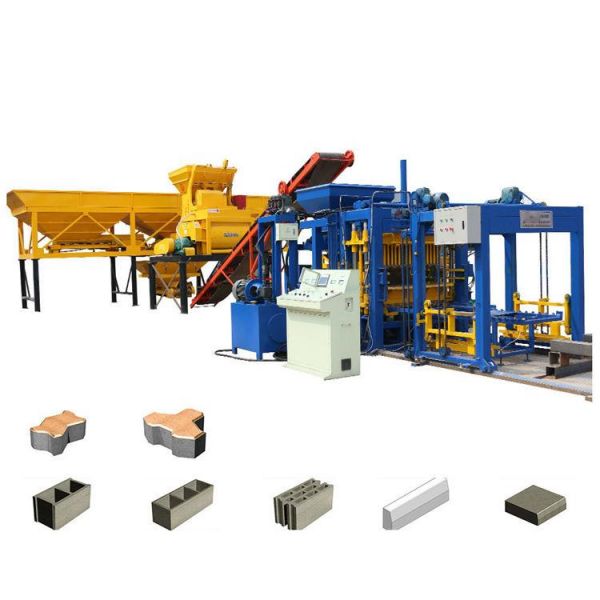
Projetadas para otimizar o processo de produção de tijolos de cimento, as máquinas automáticas de fabricação de tijolos de cimento revolucionaram a maneira como esses tijolos são fabricados. Elas eliminam as limitações da produção manual ao integrar tecnologia avançada, operações automatizadas e sistemas de controle preciso. Para distribuidores, revendedores e compradores na cadeia de suprimentos da construção civil, compreender a funcionalidade, vantagens e considerações-chave dessas máquinas é crucial. Os distribuidores precisam conhecer os pontos de venda do produto para atender às necessidades de seus clientes; os revendedores devem entender os requisitos operacionais e de manutenção da máquina para garantir um fornecimento suave aos usuários finais; já os compradores, por sua vez, precisam avaliar se a máquina está alinhada com seus objetivos de produção, orçamento e planos de negócios de longo prazo.
2. Corpo Principal
2.1 Princípio de Funcionamento da Máquina Automática de Fabricação de Tijolos de Cimento
A máquina automática de fabricação de tijolos de cimento opera por meio de uma série de etapas coordenadas que convertem matérias-primas em tijolos de cimento acabados com intervenção humana mínima. Compreender esse processo é essencial para que os profissionais possam explicar a eficiência da máquina aos clientes e garantir o uso adequado.
2.1.1 Preparação de Matérias-Primas
O primeiro passo no processo de produção é a preparação da matéria-prima, que afeta diretamente a qualidade dos tijolos de cimento finais. As principais matérias-primas incluem cimento, areia, brita, água e, às vezes, aditivos (como cinzas volantes ou escória) para melhorar o desempenho dos tijolos ou reduzir custos. As máquinas automáticas de fabricação de tijolos de cimento são equipadas com sistemas integrados de manuseio de matérias-primas, incluindo transportadores, silos de armazenamento e dispositivos de pesagem.
- Esteiras transportadorasEstes transportam matérias-primas das áreas de armazenamento para a unidade de mistura. Dependendo do projeto da máquina, os transportadores podem ser do tipo correia ou do tipo parafuso, garantindo um fornecimento contínuo e estável de materiais.
- Dispositivos de Pesagem: Precision is key here. The machine’s control system automatically measures the required quantities of each raw material based on the preset brick formula. For example, a typical formula might require 1 part cement, 3 parts sand, 4 parts gravel, and a specific amount of water. The weighing devices use load cells or other sensors to ensure accurate measurements, which prevents material waste and ensures consistent brick quality.
- Additive Integration: If additives are used, the machine’s system can also dose them accurately. For instance, fly ash, a by-product of coal-fired power plants, can be added to reduce the amount of cement needed, lowering production costs while improving the brick’s thermal insulation properties. The additive dosing unit is synchronized with the main raw material weighing system to maintain the correct ratio.
2.1.2 Mixing Process
Once the raw materials are weighed, they are transported to the mixing chamber for thorough blending. The mixing unit of an automatic cement brick making machine is designed to achieve a homogeneous mixture, which is critical for the strength and durability of the cement bricks.
- Mixing Mechanism: Most machines use a double-shaft mixer or a planetary mixer. A double-shaft mixer features two parallel shafts with paddles that rotate in opposite directions, creating a strong shearing and mixing effect. This ensures that the cement, sand, gravel, water, and additives are mixed evenly in a short time. A planetary mixer, on the other hand, has a mixing blade that rotates around its own axis while orbiting the center of the mixing chamber, covering the entire volume of the mixture and eliminating dead zones where materials might not be mixed properly.
- Water Control: The amount of water added to the mixture is strictly controlled by the machine’s PLC (Programmable Logic Controller) system. Too much water can weaken the brick’s structure, while too little can result in a dry mixture that doesn’t bind properly. The PLC system adjusts the water flow based on the moisture content of the raw materials (some advanced machines are equipped with moisture sensors to detect raw material moisture in real-time) and the preset formula, ensuring the mixture has the optimal consistency—often described as a “wet sand” texture that holds its shape when squeezed.
- Mixing Time: The mixing time is also programmable. Generally, the mixing process takes 2-5 minutes, depending on the type of raw materials and the desired mixture quality. The machine’s control panel displays the mixing time, and operators can adjust it if needed based on production feedback.
2.1.3 Molding Operation
After the mixture is ready, it is transferred to the molding unit, which is the core component of the automatic cement brick making machine. The molding process shapes the mixture into the desired brick size and shape, and applies pressure to ensure the brick’s density and strength.
- Mold Types: Automatic machines come with interchangeable molds, allowing producers to manufacture different types of cement bricks, such as solid bricks, hollow bricks, perforated bricks, and interlocking bricks. The molds are made of high-quality steel (often hardened steel) to withstand the high pressure during molding and ensure long service life. For example, a mold for hollow bricks has cores that create the holes in the brick, which reduce the brick’s weight, improve thermal insulation, and save raw materials.
- Alimentando o Mofo: The mixed material is fed into the mold cavity by an automatic feeding system. Some machines use a bucket elevator or a screw feeder to transfer the material, while others have a vibrating feeding mechanism that ensures the mold is filled evenly without gaps. The feeding system is synchronized with the molding cycle to avoid overfilling or underfilling the mold.
- Pressing Process: Once the mold is filled, the pressing head (also known as the upper punch) descends and applies high pressure to the material. The pressure applied varies depending on the type of brick and the raw material quality, typically ranging from 15 MPa to 30 MPa. High pressure ensures that the material particles are tightly packed, increasing the brick’s compressive strength. Some advanced machines use a two-stage pressing process: first, a pre-pressing stage to remove air from the mixture, and then a final pressing stage to achieve the desired density. This reduces the risk of cracks in the brick and improves its overall quality.
- Demolding: After the pressing process is completed, the pressing head retracts, and the mold’s lower punch (or ejection system) pushes the formed brick out of the mold. The demolding process is gentle to avoid damaging the brick, especially when it is still in the green (unhardened) state. The demolded brick is then transferred to the curing unit via a conveyor belt.
2.1.4 Curing Process
The curing process is essential for the cement bricks to gain strength and durability. After demolding, the green bricks are not yet fully hardened, and their strength is low. Curing provides the necessary moisture and temperature conditions for the cement in the bricks to hydrate, which is the chemical process that gives cement its strength.
- Curing Chamber: Automatic cement brick making machines are often equipped with a dedicated curing chamber or a curing line. The curing chamber is a closed environment where temperature and humidity are controlled. The ideal curing temperature is between 20°C and 25°C, and the relative humidity should be at least 90%. Some chambers use steam heating to maintain the temperature, while others use electric heaters or hot water pipes. Humidity is maintained by spraying water or using humidifiers.
- Curing Time: The curing time depends on the type of cement used and the desired strength of the bricks. Generally, cement bricks require 7-28 days of curing. For the first 7 days, the curing is critical as the bricks gain most of their strength during this period. After 28 days, the bricks reach their full compressive strength, which is typically 10-20 MPa, depending on the formula and pressing pressure.
- Automated Curing Control: The curing chamber’s temperature and humidity are monitored and controlled by the machine’s PLC system. Sensors placed inside the chamber detect the temperature and humidity levels, and the system adjusts the heating and humidifying devices accordingly. This ensures that the curing conditions are consistent throughout the process, resulting in uniform brick strength. Some advanced machines also have a curing time countdown feature on the control panel, allowing operators to track the progress of the curing process.
2.1.5 Stacking and Packaging (Optional)
Once the curing process is completed, the finished cement bricks are ready for stacking and packaging. Some automatic cement brick making machines come with an integrated stacking system, which automates this final step.
- Stacking System: The stacking system uses a robotic arm or a mechanical clamp to pick up the finished bricks from the conveyor belt and stack them on pallets. The stacking pattern can be programmed based on the brick size and the pallet dimensions, ensuring that the bricks are stacked neatly and securely. The stacking system can handle different brick types and sizes, and it can adjust the stacking height according to the user’s requirements.
- Packaging (Optional): If the bricks are intended for long-distance transportation or retail sale, a packaging system can be added. The packaging system wraps the stacked bricks on the pallet with plastic film or stretch film to protect them from damage during transportation and storage. Some packaging systems also include a labeling function, which prints and attaches labels with information such as the brick type, strength grade, production date, and batch number. This helps with inventory management and traceability.
2.2 Types of Automatic Cement Brick Making Machines
Automatic cement brick making machines come in various types, each designed to meet different production needs, site conditions, and budget constraints. Distributors, distributors, and buyers need to understand the differences between these types to recommend or select the most suitable machine for their clients or business.
2.2.1 Mobile Automatic Cement Brick Making Machine
Mobile automatic cement brick making machines are designed for on-site production, making them ideal for construction projects where transporting finished bricks from a remote factory is costly or impractical. They are compact, easy to move, and require minimal installation time.
- Design Features: These machines are mounted on a trailer or a skid, allowing them to be towed or transported by a truck to the construction site. They have a small footprint, so they can be set up in limited space. The mobile machine integrates all the key components of a stationary machine, including the raw material handling system, mixing unit, molding unit, and curing chamber (though the curing chamber may be a simple covered area on-site for small-scale production).
- Capacidade de Produção: The production capacity of mobile automatic cement brick making machines is relatively lower compared to stationary machines, typically ranging from 1,000 to 5,000 bricks per day (based on 8 hours of operation). This makes them suitable for small to medium-sized construction projects, such as residential building construction, village road construction, or small-scale infrastructure projects.
- Advantages:
- Cost Savings on Transportation: By producing bricks on-site, users can save significant costs on transporting finished bricks, which is especially beneficial for projects in remote areas where transportation infrastructure is poor.
- Flexibility: The machine can be moved to different construction sites as needed, eliminating the need to build a fixed factory.
- Quick Setup: Mobile machines can be set up and put into operation within a few hours, reducing the time between project start and brick production.
- Disadvantages:
- Lower Production Capacity: They cannot meet the high production demands of large-scale projects, such as high-rise buildings or large infrastructure projects like highways or bridges.
- Dependence on Site Conditions: The machine requires a flat and stable site for setup, and access to water and electricity. In areas with poor site conditions (e.g., uneven terrain, lack of electricity), the machine’s operation may be affected.
2.2.2 Stationary Automatic Cement Brick Making Machine
Stationary automatic cement brick making machines are designed for large-scale, continuous production. They are installed in a fixed factory or production facility and are suitable for producers who need to supply cement bricks to multiple construction projects or the open market.
- Design Features: These machines have a more complex structure than mobile machines, with separate units for raw material storage, mixing, molding, curing, and stacking. The raw material storage silos are larger, allowing for the storage of large quantities of cement, sand, and gravel. The mixing unit is more powerful, capable of handling larger volumes of raw materials. The molding unit is designed for high-speed operation, with a higher pressing pressure to produce bricks with higher strength. The curing chamber is a large, climate-controlled space that can accommodate a large number of bricks at once.
- Capacidade de Produção: The production capacity of stationary automatic cement brick making machines is much higher than that of mobile machines, ranging from 10,000 to 50,000 bricks per day (based on 8 hours of operation). Some large-scale machines can even produce more than 100,000 bricks per day when operating in multiple shifts. This makes them suitable for large-scale brick manufacturers, construction companies with multiple ongoing projects, and distributors who need to supply bricks in large quantities.
- Advantages:
- High Production Efficiency: The machine’s automated and continuous operation ensures a high output, meeting the demands of large-scale projects or bulk sales.
- Consistent Quality: The fixed and controlled production environment, along with the machine’s precise control system, ensures that each brick has consistent quality in terms of size, shape, and strength.
- Versatility: Stationary machines can be equipped with multiple interchangeable molds, allowing for the production of a wide range of brick types and sizes. They can also be integrated with other equipment, such as crushers (to crush raw materials into the required particle size) and screening machines (to remove impurities from the raw materials), further improving the production process.
- Disadvantages:
- High Initial Investment: The cost of a stationary automatic cement brick making machine is much higher than that of a mobile machine, and additional costs are required for building the factory, installing utilities (water, electricity, and compressed air), and setting up the raw material storage and handling systems.
- Long Installation Time: Installing a stationary machine requires more time and effort, including site preparation, equipment assembly, and system testing. It may take several weeks or even months to get the machine up and running.
- Less Flexibility: Once installed, the machine cannot be moved, so it is only suitable for producers who have a stable and long-term demand for cement bricks in a specific area.
2.2.3 Hydraulic vs. Mechanical Automatic Cement Brick Making Machine
Another way to classify automatic cement brick making machines is based on the power source used for the pressing process: hydraulic and mechanical.
| Feature | Hydraulic Automatic Cement Brick Making Machine | Mechanical Automatic Cement Brick Making Machine |
|---|---|---|
| Pressing Power Source | Uses hydraulic cylinders and hydraulic oil to generate pressing force. | Uses mechanical gears, flywheels, and crankshafts to generate pressing force. |
| Pressing Pressure | Can generate high and stable pressing pressure (up to 50 MPa or more), which is adjustable according to the production needs. | Pressing pressure is relatively lower and less adjustable, typically ranging from 10 MPa to 25 MPa. |
| Brick Quality | The high and stable pressure results in bricks with high density, high compressive strength, and low water absorption. Suitable for producing high-strength bricks for load-bearing walls. | Bricks have lower density and strength compared to hydraulic machines. Suitable for non-load-bearing walls or low-demand applications. |
| Production Speed | Production speed is relatively slower because the hydraulic system takes time to build up and release pressure. Typically, it can produce 10-20 brick cycles per minute. | Production speed is faster because the mechanical system operates with a continuous rotational motion. Can produce 20-30 brick cycles per minute. |
| Consumo de Energia | Higher energy consumption due to the need to power the hydraulic pump and maintain hydraulic pressure. | Lower energy consumption because the mechanical system is more efficient in converting power into pressing force. |
| Maintenance Requirements | Requires regular maintenance of the hydraulic system, including checking hydraulic oil levels, changing hydraulic oil and filters, and inspecting hydraulic cylinders for leaks. Hydraulic components are more expensive to repair or replace. | Maintenance is relatively simple, mainly involving lubricating the mechanical gears and crankshafts, and inspecting the flywheel and other moving parts for wear. Mechanical components are cheaper and easier to source. |
| Noise Level | Operates at a lower noise level because the hydraulic system produces less vibration and noise compared to mechanical gears. | Operates at a higher noise level due to the friction and vibration of mechanical components. |
| Cost | Higher initial cost due to the complex hydraulic system and high-quality hydraulic components. | Lower initial cost because the mechanical system is simpler and uses less expensive components. |
2.3 Key Advantages of Automatic Cement Brick Making Machine for Distributors, Distributors, and Buyers
Automatic cement brick making machines offer a wide range of advantages that make them a valuable investment for professionals in the construction supply chain. Understanding these advantages is crucial for distributors to market the product effectively, distributors to explain the benefits to their clients, and buyers to justify the investment.
2.3.1 Increased Production Efficiency
One of the most significant advantages of automatic cement brick making machines is their ability to significantly increase production efficiency compared to manual production.
- Reduced Labor Dependency: Manual cement brick production requires a large number of workers to handle raw material mixing, mold filling, pressing, demolding, and curing. An automatic machine, on the other hand, automates most of these processes, reducing the number of workers needed. For example, a manual production line producing 1,000 bricks per day may require 5-8 workers, while an automatic machine with the same production capacity can be operated by 1-2 workers. This not only reduces labor costs but also eliminates the risks associated with labor shortages, which is a common issue in many construction markets.
- Continuous Operation: Automatic machines can operate continuously for 8-12 hours a day (or even 24 hours a day with multiple shifts) with minimal downtime. Manual production, by contrast, is limited by worker fatigue and working hours, resulting in lower daily output. For example, a stationary automatic machine with a production capacity of 20,000 bricks per day can produce 160,000 bricks in an 8-hour shift, while a manual team may struggle to produce 5,000 bricks in the same time.
- Faster Production Cycles: The automated processes of the machine, such as raw material weighing, mixing, and molding, are much faster than manual operations. The mixing unit can blend the raw materials in 2-5 minutes, while manual mixing may take 10-15 minutes. The molding unit can complete a pressing cycle in 10-30 seconds, depending on the machine type, whereas manual pressing (using a hand press) may take 1-2 minutes per brick. This faster production cycle translates to higher output per hour, allowing producers to meet tight project deadlines.
2.3.2 Consistent Product Quality
Consistency in product quality is essential for cement bricks, as it directly affects the structural integrity and safety of construction projects. Automatic cement brick making machines ensure consistent quality through precise control and automated processes.
- Precise Raw Material Ratio: The machine’s PLC system controls the weighing of raw materials with high accuracy (typically within ±1% error). This ensures that each batch of the mixture has the correct ratio of cement, sand, gravel, water, and additives, eliminating the variations that occur in manual weighing (where workers may estimate quantities or make mistakes). Consistent raw material ratios result in bricks with uniform strength, density, and water absorption.
- Uniform Pressing Pressure: The hydraulic or mechanical pressing system of the machine applies a consistent pressure to each brick during the molding process. In manual production, the pressing force depends on the worker’s strength, leading to variations in brick density and strength. For example, a hydraulic automatic machine applying 25 MPa of pressure will produce bricks with a compressive strength of around 15 MPa consistently, while manual pressing may result in bricks with strengths ranging from 8 MPa to 12 MPa. This consistency is critical for load-bearing bricks, which must meet specific strength standards (such as ASTM C90 in the United States or GB/T 2542 in China).
- Controlled Curing Conditions: The integrated curing chamber of the automatic machine maintains stable temperature and humidity levels, ensuring that each brick undergoes the same curing process. In manual curing, bricks are often left outdoors, exposed to varying weather conditions (such as rain, sunlight, and temperature changes), which can lead to uneven curing and reduced strength. For example, bricks cured in a controlled chamber at 25°C and 95% humidity for 28 days will have a compressive strength that is 20-30% higher than bricks cured outdoors under inconsistent conditions.
2.3.3 Cost Savings
Automatic cement brick making machines offer long-term cost savings for producers, which in turn benefits distributors and buyers by providing more competitively priced bricks.
- Lower Labor Costs: As mentioned earlier, automatic machines reduce the number of workers needed for production. Labor costs typically account for 30-40% of the total production cost in manual cement brick production. By reducing the labor force by 70-80%, automatic machines can significantly lower this cost component. For example, a manual production line with 6 workers earning $15 per hour (total labor cost of $720 per 8-hour shift) can be replaced by an automatic machine operated by 2 workers (total labor cost of $240 per shift), resulting in a daily labor cost savings of $480.
- Reduced Raw Material Waste: The precise weighing and mixing of raw materials by the automatic machine minimize waste. In manual production, overfilling molds, incorrect material ratios, and uneven mixing can lead to raw material waste of up to 10-15%. With an automatic machine, waste is reduced to 2-5%. For example, if a producer uses 100 tons of raw materials per month in manual production, 10-15 tons are wasted. With an automatic machine, only 2-5 tons are wasted, saving 8-10 tons of raw materials per month. At a cost of $50 per ton of raw materials, this translates to monthly savings of $400-$500.
- Lower Maintenance Costs (in the Long Run): While the initial cost of an automatic machine is higher, its maintenance costs are lower than those of manual equipment (such as hand presses or manual mixers) in the long run. Manual equipment is prone to wear and tear due to the high physical effort required, and parts need to be replaced frequently. Automatic machines are designed with high-quality components and have a longer service life (typically 10-15 years, compared to 3-5 years for manual equipment). Additionally, the machine’s PLC system can monitor the condition of key components (such as the mixing blades, hydraulic cylinders, and molds) and alert operators to potential issues before they become major problems, reducing the need for costly repairs.
2.3.4 Versatility and Adaptability
Automatic cement brick making machines are highly versatile, allowing producers to meet the diverse needs of the construction market.
- Multiple Brick Types and Sizes: With interchangeable molds, automatic machines can produce a wide range of cement brick types, including solid bricks, hollow bricks, perforated bricks, interlocking bricks, and paving bricks. The molds can be customized to different sizes, such as standard brick sizes (e.g., 240mm × 115mm × 53mm) or non-standard sizes based on client requirements. For example, a distributor can offer clients a variety of brick options by recommending an automatic machine that can produce both load-bearing solid bricks for walls and interlocking paving bricks for driveways.
- Adaptability to Different Raw Materials: Automatic machines can handle a variety of raw materials, including different types of cement (Portland cement, fly ash cement, slag cement), sand (river sand, crushed sand), gravel (different particle sizes), and additives (fly ash, slag, lime). This allows producers to use local raw materials, which can reduce raw material transportation costs. For example, in areas where fly ash is abundant (near coal-fired power plants), producers can use fly ash as an additive to replace part of the cement, lowering production costs while utilizing a waste material.
- Adjustable Production Parameters: The machine’s PLC system allows operators to adjust production parameters, such as pressing pressure, mixing time, and curing time, to optimize the production process for different raw materials or brick types. For example, if a producer switches from using river sand to crushed sand (which has a different particle shape and moisture content), they can adjust the mixing time and water dosage to ensure the mixture has the correct consistency. This adaptability ensures that the machine can maintain product quality even when raw material conditions change.
2.3.5 Improved Safety
Safety is a top priority in any production environment, and automatic cement brick making machines offer significant safety improvements compared to manual production.
- Reduced Physical Labor: Manual cement brick production involves heavy physical work, such as lifting heavy bags of cement, mixing raw materials with shovels, and pressing bricks with hand presses. This increases the risk of work-related injuries, such as back pain, muscle strains, and joint injuries. Automatic machines eliminate most of this physical labor, as raw materials are transported by conveyors, mixing is done by the machine, and pressing is automated. Operators only need to monitor the machine’s operation and perform routine maintenance, reducing the risk of injuries.
- Safety Features: Automatic cement brick making machines are equipped with various safety features to protect operators. These include:
- Emergency Stop Buttons: Located on the control panel and at various points around the machine, these buttons allow operators to stop the machine immediately in case of an emergency (e.g., a worker’s hand getting too close to moving parts).
- Safety Guards: Covers and guards are installed around moving parts, such as the mixing blades, conveyor belts, and pressing head, to prevent operators from coming into contact with them.
- Interlock Systems: Some machines have interlock systems that prevent the machine from operating if the safety guards are open. For example, if the door of the mixing chamber is open, the machine will not start the mixing process, ensuring that operators cannot reach into the chamber while it is running.
- Overload Protection: The machine’s motor and hydraulic system are equipped with overload protection devices that shut down the machine if the load exceeds the rated capacity. This prevents damage to the machine and reduces the risk of accidents caused by equipment failure.
2.4 Factors to Consider When Selecting an Automatic Cement Brick Making Machine
Selecting the right automatic cement brick making machine is a critical decision for buyers, as it affects production efficiency, product quality, and long-term profitability. Distributors and distributors also need to understand these factors to provide accurate recommendations to their clients. The following are key factors to consider:
2.4.1 Production Capacity Requirements
The first step in selecting an automatic cement brick making machine is to determine the required production capacity. This depends on the buyer’s business goals, target market, and the demand for cement bricks in their area.
- Assessing Demand: Buyers should conduct a market analysis to estimate the demand for cement bricks. For example, if a buyer plans to supply bricks to a large-scale construction project that requires 50,000 bricks per month, they need a machine with a monthly production capacity of at least 50,000 bricks (plus a buffer to account for maintenance downtime or unexpected demand). If the buyer plans to sell bricks to local retailers and small construction companies, a lower production capacity (e.g., 10,000-20,000 bricks per month) may be sufficient.
- Matching Machine Capacity to Demand: It is important to select a machine with a production capacity that aligns with the estimated demand. Choosing a machine with a capacity that is too high can result in underutilization, leading to higher idle costs (e.g., energy costs, maintenance costs for unused components). Choosing a machine with a capacity that is too low can result in missed sales opportunities and inability to meet client deadlines. For example, a machine with a daily production capacity of 5,000 bricks (150,000 bricks per month) is suitable for a buyer with a monthly demand of 100,000-120,000 bricks, providing a buffer for unexpected demand.
- Considering Future Expansion: Buyers should also consider their future business expansion plans. If they plan to increase their market share or enter new markets in the next 2-3 years, they may want to select a machine with a higher production capacity than their current demand, or a machine that can be upgraded to increase capacity (e.g., by adding additional molds or a more powerful mixing unit). Some manufacturers offer modular automatic cement brick making machines, which allow buyers to add components as their production needs grow.
2.4.2 Quality and Durability of the Machine
The quality and durability of the automatic cement brick making machine directly affect its service life, maintenance costs, and the quality of the bricks it produces. Buyers should evaluate the machine’s build quality, component quality, and manufacturing standards.
- Build Quality: The machine’s frame and main structure should be made of high-quality steel (such as Q235 or Q345 steel) to withstand the high pressure and vibration during operation. The frame should be welded securely, with no signs of weak welds or deformation. Buyers can inspect the machine’s frame for thickness, rigidity, and surface treatment (e.g., painting or galvanizing to prevent rust).
- Component Quality: Key components of the machine, such as the mixing blades, molds, hydraulic cylinders (for hydraulic machines), and bearings, should be made of high-quality materials and sourced from reputable suppliers. For example:
- Mixing Blades: Should be made of wear-resistant steel (such as Mn13 or Cr12) to withstand the abrasion from sand and gravel. The blades should be easy to replace when they wear out.
- Molds: Should be made of hardened steel (with a hardness of HRC 50 or higher) to ensure long service life and maintain the shape and size of the bricks. The mold’s surface should be smooth to prevent the mixture from sticking.
- Cilindros Hidráulicos: For hydraulic machines, the cylinders should be made of high-precision seamless steel tubes, with a chrome-plated piston rod to resist corrosion and wear. The hydraulic seals should be from well-known brands (such as Parker or Bosch) to prevent oil leaks.
- Bearings: Should be from reputable brands (such as SKF or NSK) to ensure smooth operation and long service life.
- Manufacturing Standards: Buyers should check if the machine manufacturer adheres to international or national manufacturing standards, such as ISO 9001 (quality management system) or CE (for European markets). Machines that meet these standards are more likely to have consistent quality and reliable performance. Buyers can also ask the manufacturer for test reports or certifications to verify the machine’s quality.
2.4.3 Automation Level
The automation level of the automatic cement brick making machine varies from basic automation to full automation. The level of automation affects the number of operators needed, production efficiency, and ease of operation.
- Basic Automation: Basic automatic machines automate the core processes (mixing, molding, and demolding) but require manual intervention for raw material feeding, brick stacking, and curing. For example, operators may need to manually load raw materials into the storage silos, stack the demolded bricks onto pallets, and move the pallets to the curing area. These machines are suitable for small-scale producers with limited budgets who can afford to hire a few operators.
- Semi-Automation: Semi-automatic machines add more automated features, such as automatic raw material feeding (via conveyors from external storage), automatic stacking of finished bricks, and a semi-automatic curing system (with temperature and humidity control but manual loading of bricks into the chamber). These machines require 1-2 operators to monitor the process and perform routine tasks (such as mold changes). They are suitable for medium-scale producers who want to balance automation and cost.
- Full Automation: Full-automatic machines integrate all processes, from raw material handling to finished product packaging, into a fully automated system. They include automatic raw material storage and feeding (with silos and conveyors), automatic mixing, automatic molding, automatic curing (with a fully climate-controlled chamber and automated brick transfer), automatic stacking, and even automatic packaging. The entire process is controlled by a PLC system, and operators only need to monitor the machine via the control panel and perform maintenance. Full-automatic machines are suitable for large-scale producers with high production demands and a focus on efficiency. They require minimal labor and have the highest production efficiency but also come with a higher price tag.
2.4.4 After-Sales Service and Support
After-sales service and support are crucial for ensuring the smooth operation of the automatic cement brick making machine. Buyers should evaluate the manufacturer’s after-sales service offerings before making a purchase.
- Warranty Period: The manufacturer should provide a warranty for the machine, covering defects in materials and workmanship. The warranty period typically ranges from 1 to 3 years for the main machine and 6 months to 1 year for wearing parts (such as mixing blades and molds). Buyers should clarify the terms of the warranty, including what is covered, the duration, and the process for claiming warranty service.
- Spare Parts Supply: The manufacturer should have a reliable supply of spare parts for the machine. Wearing parts (such as mixing blades, molds, hydraulic seals, and bearings) need to be replaced regularly, and buyers should be able to obtain these parts quickly to minimize downtime. Buyers can ask the manufacturer about the availability of spare parts, the lead time for delivery, and the cost of common spare parts. Some manufacturers have local spare parts warehouses in key markets, which can reduce delivery time.
- Technical Support: The manufacturer should provide technical support to help buyers install, operate, and maintain the machine. This includes:
- Installation Support: Sending technical personnel to the buyer’s site to assist with machine installation, setup, and testing.
- Training: Providing training for the buyer’s operators and maintenance staff on how to operate the machine, adjust parameters, perform routine maintenance, and troubleshoot common issues. Training can be conducted on-site or at the manufacturer’s facility.
- Troubleshooting Support: Offering remote technical support (via phone, email, or video call) to help resolve operational issues. For more complex issues, the manufacturer should send technical personnel to the site.
- Maintenance Services: Some manufacturers offer regular maintenance services, where their technicians visit the buyer’s site to inspect the machine, perform preventive maintenance, and replace worn parts. This can help extend the machine’s service life and reduce the risk of unexpected breakdowns. Buyers can inquire about the cost and frequency of these maintenance services.
2.4.5 Cost and Budget
Cost is a key factor for most buyers, and the price of automatic cement brick making machines varies widely depending on the type, production capacity, automation level, and quality. Buyers should establish a budget and evaluate the machine’s cost-effectiveness.
- Initial Purchase Cost: The initial cost includes the price of the machine, delivery costs, installation costs, and any additional equipment needed (such as raw material crushers, screening machines, or generators for areas with unstable electricity). Mobile machines are generally cheaper, with prices ranging from $9,000 to $20,000. Stationary machines range from $10,000 to $50,000 or more, depending on production capacity and automation level. Hydraulic machines are more expensive than mechanical machines of the same capacity.
- Operating Costs: Operating costs include labor costs, raw material costs, energy costs (electricity, fuel for mobile machines), maintenance costs, and spare parts costs. Buyers should calculate the estimated monthly operating costs to determine the machine’s long-term affordability. For example, a full-automatic machine with high energy consumption may have higher monthly operating costs but lower labor costs, while a manual machine has lower initial costs but higher labor costs.
- Return on Investment (ROI): Buyers should calculate the expected ROI to determine if the machine is a worthwhile investment. The ROI is calculated by dividing the net profit generated by the machine by the initial investment cost. For example, if a machine costs $100,000 and generates a net profit of $20,000 per year, the ROI is 20%, and the payback period is 5 years. Buyers should consider factors such as production capacity, brick selling price, and operating costs when calculating ROI. A machine with a shorter payback period is more cost-effective.
2.5 Maintenance Tips for Automatic Cement Brick Making Machine
Proper maintenance is essential for extending the service life of the automatic cement brick making machine, ensuring consistent performance, and reducing the risk of breakdowns. Distributors and distributors can share these maintenance tips with their clients, and buyers can use them to develop a maintenance schedule.
2.5.1 Daily Maintenance
Daily maintenance should be performed at the start and end of each production shift to ensure the machine is in good working condition.
- Inspection of External Components:
- Check the machine’s frame, bolts, and nuts for looseness. Tighten any loose bolts or nuts to prevent vibration-related damage.
- Inspect the safety guards and emergency stop buttons to ensure they are in place and functioning properly.
- Check the conveyor belts for wear, cracks, or misalignment. Adjust the tension of the belts if necessary, and clean any debris from the belt surface.
- Inspection of Hydraulic System (for Hydraulic Machines):
- Check the hydraulic oil level in the oil tank. The oil level should be between the minimum and maximum marks on the oil gauge. Add hydraulic oil of the recommended type if the level is low.
- Inspect the hydraulic hoses and connections for leaks. If any leaks are found, replace the damaged hoses or seals immediately to prevent oil loss and system damage.
- Check the hydraulic oil temperature. The normal operating temperature is between 30°C and 60°C. If the temperature is too high (above 60°C), stop the machine and check for causes such as a dirty oil filter, low oil level, or a malfunctioning cooling system.
- Inspection of Mixing Unit:
- Check the mixing blades for wear. If the blades are worn down (e.g., the edge is rounded or there are cracks), replace them to ensure proper mixing.
- Clean the mixing chamber after each shift to remove any residual mixture. Residual mixture can harden and affect the next batch of mixing, leading to uneven mixtures and poor brick quality.
- Inspection of Molding Unit:
- Check the mold for damage, such as cracks or deformation. If the mold is damaged, replace it to ensure the bricks have the correct shape and size.
- Clean the mold cavity after each shift to remove any residual mixture. Use a soft brush or compressed air to clean the mold, avoiding sharp tools that can scratch the mold surface.
- Check the pressing head for alignment. If the pressing head is misaligned, it can cause uneven pressure on the mixture, leading to bricks with inconsistent density and strength. Adjust the alignment if necessary.
- Lubrication:
- Lubricate all moving parts, such as the conveyor rollers, mixing shaft bearings, and molding unit hinges, with the recommended lubricating oil or grease. Follow the manufacturer’s instructions on the type of lubricant and the lubrication frequency. Over-lubrication can attract dust and debris, while under-lubrication can cause increased friction and wear.
2.5.2 Weekly Maintenance
Weekly maintenance involves more in-depth inspections and tasks to prevent potential issues.
- Inspection of Electrical System:
- Check the electrical wires, cables, and connectors for damage, such as fraying or loose connections. Replace any damaged wires or cables, and tighten loose connectors to prevent electrical short circuits.
- Inspect the control panel for any error codes or warning lights. If any errors are detected, refer to the machine’s manual to troubleshoot the issue.
- Clean the control panel and electrical components to remove dust and debris, which can affect the performance of the electrical system.
- Inspection of Curing Chamber (if equipped):
- Check the temperature and humidity sensors in the curing chamber for accuracy. Compare the sensor readings with a separate thermometer and hygrometer to ensure they are working correctly. Calibrate the sensors if necessary.
- Inspect the heating and humidifying devices (such as heaters, steam generators, or humidifiers) for proper operation. Clean any filters or vents to ensure efficient heating and humidification.
- Check the chamber door seals for wear or damage. Damaged seals can cause temperature and humidity leaks, affecting the curing process. Replace the seals if necessary.
- Inspection of Stacking System (if equipped):
- Check the robotic arm or mechanical clamp of the stacking system for wear or damage. Inspect the grippers for tightness and alignment. Adjust or replace any worn parts to ensure the bricks are stacked securely.
- Test the stacking system’s operation by running a few test cycles. Ensure that the bricks are picked up and stacked correctly, with no drops or misalignments.
2.5.3 Monthly Maintenance
Monthly maintenance focuses on the machine’s key components and systems to ensure long-term reliability.
- Inspection of Main Components:
- Inspect the machine’s main motor for abnormal noise, vibration, or overheating. Check the motor’s bearings for wear and lubricate them if necessary. If any abnormalities are found, contact a professional technician to inspect the motor.
- For hydraulic machines, inspect the hydraulic pump for leaks, noise, or reduced pressure. Check the pump’s oil filter and replace it if it is dirty. The oil filter should be replaced every 3-6 months, depending on the machine’s usage.
- For mechanical machines, inspect the flywheel, crankshaft, and gears for wear, cracks, or misalignment. Check the gear oil level and replace the gear oil every 6-12 months.
- Calibration of Measuring Devices:
- Calibrate the raw material weighing devices (load cells) to ensure accurate measurements. Use standard weights to test the weighing accuracy. If the measurements are inaccurate, adjust the load cells or contact the manufacturer for calibration.
- Calibrate the water dosage system to ensure the correct amount of water is added to the mixture. Use a measuring cup to collect the water and compare it with the preset dosage. Adjust the water flow if necessary.
- Cleaning of the Entire Machine:
- Perform a thorough cleaning of the entire machine, including the raw material storage silos, conveyors, mixing chamber, molding unit, curing chamber, and stacking system. Remove any accumulated dust, debris, or hardened mixture from all components. This helps prevent corrosion, blockages, and wear.
3. Conclusion
The automatic cement brick making machine has become a game-changer in the construction industry, addressing the limitations of manual production and meeting the growing demand for high-quality, efficient, and cost-effective cement bricks. For distributors, distributors, and buyers, this machine represents a valuable opportunity to enhance their business operations, improve customer satisfaction, and increase profitability.
Throughout this guide, we have explored the working principle of automatic cement brick making machines, detailing the steps from raw material preparation to curing and stacking. We have also examined the different types of machines, including mobile and stationary models, as well as hydraulic and mechanical variants, each with its own advantages and suitability for specific applications. The key advantages of these machines—such as increased production efficiency, consistent product quality, cost savings, versatility, and improved safety—highlight their value in the construction supply chain.
When selecting an automatic cement brick making machine, it is crucial to consider factors such as production capacity requirements, machine quality and durability, automation level, after-sales service, and cost. By carefully evaluating these factors, buyers can select a machine that aligns with their business goals and long-term plans. Additionally, proper maintenance—including daily, weekly, and monthly tasks—is essential for ensuring the machine’s long service life and consistent performance.
As the construction industry continues to grow and evolve, the demand for automatic cement brick making machines is expected to increase. Distributors and distributors who understand the features and benefits of these machines can better serve their clients, while buyers who invest in the right machine can gain a competitive edge in the market. By embracing this advanced technology, professionals in the construction supply chain can contribute to the development of a more efficient, sustainable, and high-quality construction industry.
4. FAQ
4.1 What is the average production capacity of an automatic cement brick making machine?
The average production capacity of an automatic cement brick making machine varies depending on the type and model. Mobile automatic machines typically have a production capacity of 1,000-5,000 bricks per day (based on 8 hours of operation). Stationary automatic machines have a higher capacity, ranging from 10,000-50,000 bricks per day, with some large-scale models capable of producing over 100,000 bricks per day when operating in multiple shifts. The production capacity also depends on the brick size and type (e.g., solid bricks vs. hollow bricks) and the machine’s automation level.
4.2 How long does it take to install an automatic cement brick making machine?
The installation time of an automatic cement brick making machine depends on the type of machine and the site conditions. Mobile automatic machines are designed for quick setup and can be installed and put into operation within a few hours (typically 2-4 hours) after arriving at the site. Stationary automatic machines require more time for installation. Basic stationary machines may take 1-2 weeks to install, including site preparation (e.g., leveling the ground, building a foundation), equipment assembly, and system testing. Full-automatic stationary machines, which involve more complex components (such as large silos, climate-controlled curing chambers, and automated stacking systems), may take 3-4 weeks or longer to install. The manufacturer typically provides installation support to ensure the process is completed efficiently.
4.3 Can an automatic cement brick making machine produce different types of cement bricks?
Yes, most automatic cement brick making machines can produce different types of cement bricks by using interchangeable molds. The molds can be customized to produce various brick types, including solid bricks, hollow bricks, perforated bricks, interlocking bricks, and paving bricks. They can also be adjusted to different sizes, such as standard brick sizes (e.g., 240mm × 115mm × 53mm) or non-standard sizes based on specific client requirements. Changing the mold is a relatively simple process that can be completed by the machine’s operators within 30 minutes to 1 hour, depending on the mold size and complexity. This versatility allows producers to meet the diverse needs of the construction market.
4.4 What is the expected service life of an automatic cement brick making machine?
The expected service life of an automatic cement brick making machine depends on the machine’s quality, maintenance practices, and usage intensity. High-quality automatic machines (with a sturdy frame, high-quality components, and adherence to manufacturing standards) typically have a service life of 10-15 years. Wearing parts, such as mixing blades, molds, hydraulic seals, and bearings, have a shorter service life and need to be replaced regularly (every 6 months to 2 years, depending on usage). Proper maintenance—including daily lubrication, regular cleaning, and timely replacement of worn parts—can significantly extend the machine’s service life. Neglecting maintenance can reduce the service life to 5-8 years. Additionally, the machine’s usage intensity (e.g., operating 8 hours per day vs. 24 hours per day) also affects its service life, with higher usage leading to more frequent wear and tear.
4.5 What kind of after-sales support can I expect from the manufacturer?
Manufacturers of automatic cement brick making machines typically provide a range of after-sales support services to ensure the smooth operation of the machine. This includes:
- Warranty Coverage: A warranty period (usually 1-3 years for the main machine and 6 months-1 year for wearing parts) to cover defects in materials and workmanship.
- Spare Parts Supply: A reliable supply of spare parts, with many manufacturers offering local spare parts warehouses in key markets to reduce delivery time.
- Technical Support: Remote technical support (via phone, email, or video call) for troubleshooting operational issues, as well as on-site technical support for complex problems.
- Installation and Training: Assistance with machine installation and training for operators and maintenance staff on machine operation, parameter adjustment, and routine maintenance.
- Maintenance Services: Optional regular maintenance services, where manufacturer technicians visit the site to inspect the machine, perform preventive maintenance, and replace worn parts.The specific after-sales support offerings may vary by manufacturer, so it is important to clarify these details before purchasing the machine.