
The Complete Guide to China Block Making Machine Factories in 2026
Introdução
Navigating the global market for block making machinery can be a daunting task. For entrepreneurs, construction firms, and investors aiming to build or expand a profitable block production business, the decision of where to source your core equipment is paramount. You need a machine that is reliable, efficient, and offers a compelling return on investment. This is where Fábricas de máquinas de fabricação de blocos na China enter the conversation, presenting a landscape of immense opportunity tempered by significant complexity.
With thousands of manufacturers claiming to offer the best solution, how do you separate genuine industry leaders from subpar workshops? The variance in quality, pricing, and service is vast, making thorough due diligence not just advisable, but essential for your project’s success. This comprehensive guide, synthesized from years of industry sourcing expertise and deep market analysis, is designed to be your authoritative roadmap. We will cut through the noise, providing you with the actionable knowledge needed to identify a reliable factory partner, secure high-quality machinery, and build a foundation for long-term operational success.
Por que Máquinas de Blocos de Fonte da China?
The dominance of China in the global construction machinery sector is no accident. It is the result of decades of industrial development, creating an ecosystem that offers distinct advantages for international buyers. Understanding these benefits is the first step in making an informed sourcing decision.
Custo-Efetividade e Preços Competitivos
The most immediate advantage is often price. Chinese factories achieve remarkable cost-efficiency through:
- Economias de Escala: Concentrated manufacturing hubs allow for mass production of both complete machines and standardized components, driving down unit costs.
- Cadeias de Abastecimento Integradas: Proximity to raw material (steel, electronics) suppliers and component manufacturers reduces logistical and procurement expenses.
- Expertise em Manufatura: A deep pool of skilled labor and refined production processes optimize efficiency, allowing competitive pricing without necessarily sacrificing quality.
This does not mean the cheapest option is the best, but it does mean you can access advanced technology at a significantly lower capital outlay compared to many Western or regional alternatives.
Capacidades e Tecnologia de Manufatura Avançada
Gone are the days when “Made in China” implied basic, low-tech products. Leading Chinese block machine factories are at the forefront of innovation:
- They employ sophisticated CNC (Computer Numerical Control) machining centers for precision parts manufacturing.
- Automação is increasingly standard, with PLC (Programmable Logic Controller) systems managing everything from mixing and feeding to curing and stacking.
- Significant investment in R&D has led to machines that are more energy-efficient, produce higher-density blocks, and offer greater versatility in product design.
Ampla Variedade e Opções de Personalização
Whether you need to produce standard concrete hollow blocks, elegant paving stones, interlocking bricks for landscaping, or specialized clay bricks, you will find a factory that specializes in it. The Chinese market caters to all scales and niches:
- Tipos de Máquina: From small, manual or semi-automatic machines for startups to fully automatic production lines capable of outputting thousands of blocks per hour.
- Personalização: Reputable factories often offer engineering support to modify machine parameters, integrate specific mold systems, or adapt to unique local material inputs (like volcanic ash or recycled aggregates).
Mature Industrial Supply Chains
This is a critical, often overlooked advantage. Key manufacturing regions have developed clustered ecosystems. For a block machine factory in Quanzhou or Shandong, sourcing a high-quality hydraulic pump, a specific Siemens motor, or a custom-engineered mold is a matter of days, not months. This maturity ensures:
- Faster production lead times for your order.
- Easier and cheaper maintenance and repair, as replacement parts are readily available.
- Continuous innovation driven by component suppliers competing and improving their own products.
Key Factors When Evaluating a Chinese Factory
Once you understand the “why,” the “who” becomes the critical question. Evaluating a potential supplier requires a systematic approach that looks beyond glossy brochures and website claims.
Factory Credentials and Certifications
Verifying a factory’s legitimacy is your first line of defense. Essential checks include:
- Business License: Request a copy and, if possible, verify it through official Chinese business registration platforms.
- Certificações Internacionais:Procure porISO 9001 (Quality Management Systems) as a baseline. For export to many markets, Certificação CE (for Europe) is crucial, indicating the machine meets EU safety, health, and environmental requirements.
- Third-Party Reports: Factories that proactively provide SGS, BV ou TÜV inspection reports on their machines demonstrate transparency and confidence in their quality.
Production Capacity and Facility Tour (Virtual/Physical)
A factory’s physical operation tells the real story. Always insist on a live video tour—a static video can be outdated or faked.
During the tour, assess:
* Organização: Is the workshop clean and well-organized, or chaotic?
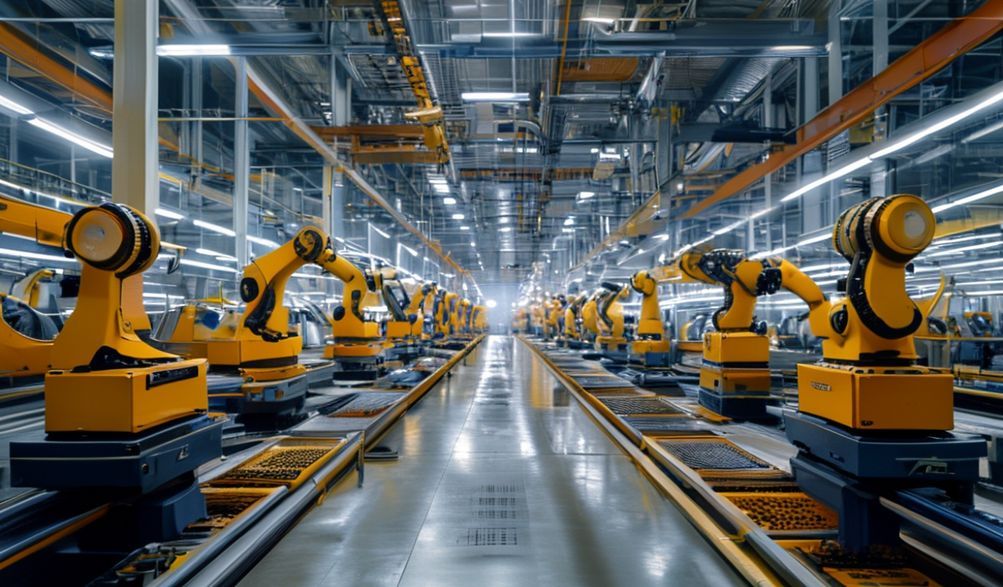
* Equipment: Do you see modern welding robots, CNC machines, and assembly lines?
* Escala: Is it a sizable facility with dedicated departments (R&D, production, QC), or a small assembly shop?
* Inventory: Are there raw materials and components in stock, indicating active production?
Quality Control Processes and Material Standards
The durability of your block machine hinges on the quality of its components and the rigor of its assembly. Ask pointed questions:
- Material Source: What grade of steel is used for the frame and mold? Which brands supply the hydraulic system (e.g., Rexroth, Yuken), electrical components (e.g., Siemens, Schneider), and PLC?
- QC Protocols: Is there in-process inspection at each stage of assembly? What tests are performed on the finished machine (pressure tests, trial runs with concrete)?
- Welding & Painting: Is welding done professionally, with post-weld treatment to prevent cracks? Is the painting process anti-rust, typically involving shot blasting and epoxy primer?
Suporte Técnico e Serviço Pós-Venda
This factor can make or break your investment. A machine is a long-term asset, and support is non-negotiable.
- Garantia: Get the exact terms in writing. A standard warranty is 12-24 months for core parts, excluding wear items like mold liners.
- Documentação Técnica: Ensure they provide comprehensive English manuals, electrical diagrams, and parts lists.
- Support Structure: Do they offer remote support via video call? What is their policy and cost for sending technicians on-site?
- Peças de Reposição: How quickly can they ship common spare parts? Do they maintain an inventory for your machine model?
Navigating China’s Major Manufacturing Hubs
China’s manufacturing is geographically specialized. Knowing which region aligns with your needs can streamline your search.
Quanzhou & Fujian Province
- Perfil: The traditional and largest cluster for block making machinery, especially for concrete block machines.
- Strengths: Unmatched variety of suppliers, highly competitive pricing, and extensive experience in export markets. Ideal for finding a wide range of semi-automatic to fully automatic machines.
- Consideração: The high density of factories means quality varies enormously, making vetting especially important.
Shandong Province
- Perfil: A hub for heavy-duty industrial machinery and engineering.
- Strengths: Factories here often excel in building robust, high-output linhas de produção totalmente automáticas and large-scale palletizing systems. They are known for sturdy construction.
- Consideração: May be less focused on smaller, manual machines. Strong focus on domestic and international large-scale projects.
Guangdong Province
- Perfil: China’s high-tech and export powerhouse, adjacent to Shenzhen and Hong Kong.
- Strengths: Factories often leverage advanced regional supply chains for electronics and automation. They tend to be very export-savvy, with strong English communication and understanding of international standards.
- Consideração: Pricing may be slightly higher than Fujian, reflecting the region’s advanced infrastructure and focus on technology integration.
How to Choose the Right Hub for Your Needs
Use this simple matrix as a starting point:
- For a Standard Concrete Block Machine on a Tight Budget: Start your search in 福建, but vet thoroughly.
- For a Fully Automated, High-Capacity Turnkey Plant: Prioritize factories in Shandong and top-tier suppliers in 福建.
- For a Machine with Advanced PLC Controls and Tech Integration: Include Guangdong-based factories in your shortlist.
- For Easiest Export Logistics (Shipping): Factories in Guangdong and coastal 福建 have direct access to major international ports.
The Sourcing Process: From Inquiry to Delivery
A successful procurement follows a logical, careful sequence. Rushing any step introduces risk.
Effective Supplier Sourcing and Vetting
- Platforms: Begin with B2B platforms like Made-in-China.comouAlibaba.com. Use filters and look for “Verified Suppliers” or “Gold Suppliers,” but remember this is a starting point, not a guarantee.
- Beyond Platforms: Search for factories with independent websites. Attend major trade shows like Bauma China (Shanghai) to meet suppliers in person—this is invaluable.
- Vetting: Apply the evaluation factors above. Contact 5-7 shortlisted factories to gauge their responsiveness and professionalism.
Communication and Technical Clarification
Clarity prevents costly mistakes.
1. Prepare a detailed Request for Quotation (RFQ). Include desired block type/size, output capacity (blocks/hour), degree of automation, power requirements, and preferred component brands.
2. Use visuals. Send diagrams, photos of the block design, or even sketches.
3. Confirm all communication is understood. Ask the sales engineer to repeat the specifications back to you.
Sample Orders, Inspection, and Negotiation
- Sample Order: If feasible, order a key component like a mold or even a small machine. It’s the best way to assess workmanship and material quality firsthand.
- Pre-Shipment Inspection: For full machine orders, hiring a third-party inspection company (like SGS or Asia Inspection) to check the machine before it leaves the factory is a wise investment. They verify quality, functionality, and packing.
- Negotiation: Negotiate on the basis of value, not just price. Discuss payment terms, warranty extensions, or inclusion of extra spare parts. Be fair—a sustainable partnership is more valuable than squeezing the last dollar.
Logistics, Shipping, and Customs Clearance
- Incoterms: Understand terms like FOB (Livre a Bordo)ouCIF (Custo, Seguro e Frete). FOB is common, giving you control over choosing your freight forwarder and insurance.
- Embalagem: Ensure the factory uses export-grade, waterproof, and shock-absorbent packaging (often a steel frame and plywood case) for ocean freight.
- Documentation: The factory must provide a clean set of shipping documents: Commercial Invoice, Packing List, Bill of Lading, and Certificate of Origin. These are vital for your customs clearance.
Common Pitfalls and How to Avoid Them
Forewarned is forearmed. Here are the most frequent mistakes buyers make.
The “Too-Good-to-Be-True” Price Trap
An offer significantly lower than the market average is a major red flag. It often indicates:
* Use of inferior, substandard materials that will fail prematurely.
* Lack of proper engineering and safety features.
* Zero meaningful after-sales service or warranty support.
* Solution: Know the market price range. If a quote seems too low, investigate the reasons aggressively.
Lack of Clear Contracts and Specifications
Verbal agreements are worthless. Everything must be in writing.
* Solution: Insist on a detailed Proforma Invoice (PI) that lists every specification, component brand, warranty term, and payment milestone. For large orders, a formal Sales Contract reviewed by a legal professional is advisable.
Overlooking Mold Quality and Compatibility
The machine presses the block, but the mold defines it. A poor-quality mold will produce defective blocks and wear out rapidly.
* Solution: Specify aço de liga de alto cromo or similar hardened steel for mold liners. Discuss mold compatibility—ensure the machine can use molds from other suppliers if needed in the future.
Inadequate Planning for Installation and Maintenance
Assuming the factory will handle everything locally can lead to downtime.
* Solution: Plan and budget for potential on-site technician costs. Have local electricians and mechanics identified. Ensure manuals are translated and understood by your operators antes the machine arrives.
Seção de Perguntas Frequentes
Q: What is the typical price range for a block making machine from China?
A: Prices vary dramatically based on specifications. A small manual/semi-automatic machine can start from $5,000 – $20,000. A standard fully automatic machine might range from 50.000 – 120.000 dólares. Large, fully integrated production lines can exceed $200,000. Key cost factors are automation level, output capacity, and the brand of core components.
Q: How can I verify if a Chinese factory is legitimate and not a trading company?
A: 1) Request a live video tour of the production floor and ask to see their raw material stock and machine assembly in real-time. 2) Check their business license—manufacturers will have a registration that includes terms like “manufacturing” or “production.” 3) Ask for verifiable client references from your region and follow up with them.
Q: What are the standard payment terms with Chinese factories?
A: The most common and balanced term is 30% deposit via T/T (Telegraphic Transfer), with 70% balance paid before shipment after you receive and approve photos/videos of the finished, packed machine. Letters of Credit (L/C) are also used for larger orders. Avoid 100% upfront payments.
Q: Do factories provide training and installation guides?
A: Reputable factories always provide detailed English operation and maintenance manuals, electrical schematics, and installation guides. Most offer free remote guidance via video call. On-site installation and training by a factory technician is typically available but is a separate, paid service (covering their flights, accommodation, and daily fee).
Q: How long is the standard warranty, and what does it cover?
A: A standard warranty is 12 months for core parts (frame, hydraulic cylinder, main shaft) from the date of shipment or commissioning. Wear parts (mold liners, seals, belts) are often covered for 3-6 months. Crucially, get the exact warranty scope, exclusions, and the claim process documented in your contract.
Conclusão
Sourcing from Fábricas de máquinas de fabricação de blocos na China represents a strategic opportunity to acquire advanced, cost-effective equipment that can form the backbone of a highly profitable business. The journey, however, demands a shift in mindset: you are not just buying a machine; you are selecting a long-term technical partner.
The key to success lies in meticulous research, rigorous factory vetting, and crystal-clear communication. Use this guide as your actionable checklist—from verifying certifications and insisting on video tours to negotiating detailed contracts and planning for after-sales support. By investing time in the selection process and prioritizing partnership over the absolute lowest price, you secure more than a piece of machinery. You secure the foundation for a productive, sustainable operation that will deliver value for years to come. The innovation and capability within China’s construction machinery sector are only growing; with the right approach, you can confidently harness this power for your success.
<