
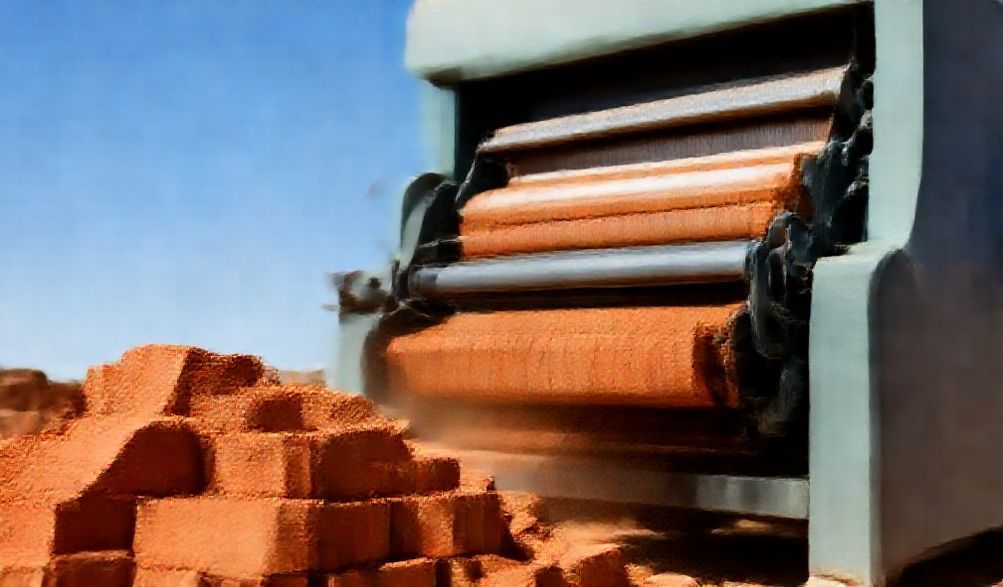
Seu Guia Completo para Comprar uma Máquina de Fabricar Tijolos na Namíbia (2026)
Introdução
A Namíbia está construindo seu futuro. Com uma taxa de urbanização anual superior a 4% e um déficit habitacional nacional significativo, a demanda por materiais de construção acessíveis e duráveis nunca foi tão alta. Para empreendedores, empreiteiros e desenvolvedores comunitários, isso apresenta uma oportunidade poderosa: assumir o controle da produção com umamáquina de fabricação de tijolos na Namíbia.
Este guia abrangente foi elaborado para ser seu recurso especializado e imparcial. Superamos abordagens genéricas de vendas para oferecer conselhos práticos e específicos para o mercado namibiano. Seja você um empreendedor iniciante em Otjiwarongo, um empreiteiro em Windhoek ou um líder comunitário na região de Kavango, compreender as nuances deste investimento é fundamental.
Ao final deste guia com mais de 1500 palavras, você terá uma compreensão clara dos tipos de máquinas disponíveis, dos principais fatores que determinam o sucesso no contexto local, de como lidar com fornecedores e custos, e do conhecimento operacional necessário para administrar um empreendimento lucrativo e sustentável de fabricação de tijolos. Vamos construir uma base sólida para sua decisão.
Por que Investir em uma Máquina de Fabricação de Tijolos na Namíbia?
Investir na produção de tijolos não se resume apenas a comprar um equipamento; trata-se de atender às necessidades fundamentais de desenvolvimento da Namíbia. É uma decisão de negócios que se alinha ao crescimento nacional, ao empoderamento econômico e à sensibilidade ambiental.
Atendendo à Demanda por Habitação e Infraestrutura
Os números falam por si. A Namíbia enfrenta um déficit habitacional estimado em centenas de milhares de unidades. Iniciativas governamentais, desenvolvimento do setor privado e uma população crescente impulsionam uma atividade contínua de construção.
* Metas de Desenvolvimento Nacional:Projetos como a Iniciativa de Habitação em Massa e a expansão urbana em andamento criam uma demanda constante por tijolos.
* Redução de Custos:Tijolos produzidos localmente podem reduzir significativamente os custos de materiais para projetos de construção, tornando a habitação mais acessível.
* Independência:A produção de tijolos no local ou regionalmente reduz a dependência de cadeias de suprimentos longas e, por vezes, pouco confiáveis, de fabricantes distantes ou importações.
Economic Advantages for Entrepreneurs
This is more than construction; it’s a viable business model.
* Profitability: Turning locally sourced raw materials (soil, sand) into a high-demand product offers strong margins.
* Criação de Empregos: A brick-making enterprise creates direct jobs for machine operators, laborers, and drivers, and indirect jobs in logistics and sales.
* Substituição de Importações: By manufacturing locally, you keep capital within the Namibian economy and build national industrial capacity.
Sustentabilidade e Benefícios Ambientais
Modern brick making can be a green enterprise.
* Materiais Locais: Utilizing on-site or nearby soil drastically cuts the carbon footprint associated with transporting heavy building materials across long distances.
* Low-Energy Options: Manual and semi-automatic machines require minimal to no electricity.
* Eco-Friendly Brick Potential: Many machines can produce Compressed Stabilized Earth Blocks (CSEB), which use a small amount of stabilizer (like 5-10% cement) to create strong, thermally efficient bricks from local soil, often without the need for high-energy firing.
Types of Brick Making Machines: Which is Right for Your Project?
Choosing the correct machine type is the most critical step. Your choice must align with your production goals, budget, and operational context.
Máquinas Manuais de Fabricação de Tijolos
These are the simplest and most accessible entry point.
* Ideal Para: Small-scale startups, community self-help housing projects, producing bricks for a single homestead or farm, and testing the market.
* Prós:
* Custo de investimento inicial muito baixo.
* No requirement for electricity or fuel.
* Fácil de operar e manter.
* Contras:
* Highly labor-intensive and physically demanding.
* Low output (typically 300-800 bricks per day).
* Brick quality can vary based on operator consistency.
Máquinas Semi-Automáticas para Fabricação de Tijolos
This category offers the best balance for many growing Namibian businesses.
* Ideal Para: Small to medium enterprises (SMEs), contractors undertaking multiple projects, and businesses looking to scale from manual production.
* Prós:
* Significantly higher output than manual machines (1,500 – 5,000 bricks per day).
* Better consistency and quality due to mechanical compaction.
* Often include a mixer or feeder, reducing manual labor.
* Contras:
* Requires a power source (electric or diesel).
* Higher upfront cost and more complex maintenance.
* Needs a dedicated operating space.
Máquinas de Fabricação de Tijolos Totalmente Automáticas
Estas são linhas de produção de nível industrial.
* Ideal Para: Large-scale commercial plants aiming to supply entire regions, major construction companies, or investors targeting high-volume contracts.
* Prós:
* Very high, consistent output (10,000+ bricks per day).
* Minimal manual labor required; highly automated processes.
* Produces uniform, high-quality bricks with precision.
* Contras:
* Very high capital investment.
* Requires reliable three-phase electricity and skilled technicians.
* Complex installation and significant space requirements.
Specialized Machines: Interlocking, Pavers, and Hollow Blocks
Consider the final product you want to sell:
* Máquinas de Tijolos Intertravados: Produce bricks that lock together without mortar, perfect for dry-stack construction. This speeds up building, saves on mortar costs, and is popular for certain housing designs.
* Paving Brick Machines: For producing hard-wearing pavers for driveways, walkways, and public spaces—a growing market in urban Namibia.
* Máquinas de Blocos Vazios: Create bricks with cavities, which are lighter, provide better thermal and acoustic insulation, and use less raw material.
Key Factors to Consider Before Buying in Namibia
Technical specifications are one thing; Namibian realities are another. These local factors will determine your long-term success.
Production Capacity & Scale
Don’t overestimate. Start with realistic, demand-driven calculations.
* Calculate Need: Estimate the bricks required for your own projects or research local market demand. A machine sitting idle is a loss.
* Plano para o Crescimento: Can the machine handle a 20-30% increase in demand? A semi-automatic machine often offers the best scalability for a growing SME.
Compatibilidade de Matérias-Primas
This is the most important technical consideration for Namibia.
* Soil Testing is Non-Negotiable: Not all Namibian soil is suitable. You must test your soil’s composition (clay, silt, sand content) for plasticity and strength.
* Stabilization is Key: Most local soils will require a stabilizer—typically 5-10% Ordinary Portland Cement (OPC) or lime—to achieve the required strength and water resistance for durable bricks, especially for load-bearing walls.
* Experiment: Plan for a testing phase to perfect your mix ratio (soil, sand, stabilizer, water) before full-scale production.
Power Source and Availability
Consider Namibia’s infrastructure.
* Elétrico: Cost-effective and clean, but reliability can be an issue outside major centers. Voltage fluctuations can damage motors.
* Diesel/Petrol: Offers independence from the grid, crucial for remote operations. Factor in ongoing fuel costs and engine maintenance.
* Hybrid Options: Some machines offer flexibility, which is a valuable hedge against power uncertainty.
After-Sales Support and Service
In the Namibian context, this factor outweighs a slightly lower purchase price.
* Local Presence: A supplier with a workshop in Windhoek, Walvis Bay, or Ongwediva can provide faster service, spare parts, and on-site training.
* Treinamento: Ensure comprehensive operator and maintenance training is included. A well-trained operator prevents costly breakdowns.
* Inventário de Peças de Reposição: Ask specifically about the availability of common wear parts (molds, springs, seals) within Namibia to avoid months-long downtime waiting for an international shipment.
Navigating the Namibian Market: Suppliers, Costs, and Logistics
Arm yourself with market knowledge to negotiate confidently and avoid pitfalls.
Sourcing Options: Local Dealers vs. International Imports
- Local Authorized Dealers:
- Prós: Easier communication, established after-sales support, faster delivery of machines and parts, understand local regulations.
- Contras: May have higher markup on machine costs.
- Direct International Import:
- Prós: Potentially lower FOB (Free on Board) price from manufacturers in China, India, or South Africa.
- Contras: High logistical complexity, hidden shipping/insurance costs, daunting customs clearance, zero local support, major warranty challenges.
Understanding the True Cost
The machine price is just the beginning. Your budget must be CIF + (Cost, Insurance, Freight to port, plus local costs):
1. Machine Price: The base cost from the supplier.
2. Envio e Seguro: To Walvis Bay or Luderitz port.
3. Desalfandegamento: Import duty, VAT (15%), and clearing agent fees. This can add 25%+ to the landed cost.
4. In-Country Transport: Heavy haulage from the port to your site.
5. Instalação e Comissionamento: Often requires a technician, which may be an extra cost.
6. Initial Raw Materials & Testing: Cost for cement, sand, and soil testing.
Tips for Vetting Suppliers and Getting Quotes
- Ask for Namibian References: A reputable supplier should gladly connect you with existing clients in Namibia. Visit their operations if possible.
- Verify Physical Address: Search for their Namibian office or workshop location.
- Scrutinize the Warranty: What is covered (parts/labor)? For how long? Who performs the service, and where?
- Request a Detailed, Itemized Quote: It should break down machine cost, shipping, and recommended spare parts. Beware of quotes that seem too good to be true.
Operating and Maintaining Your Brick Machine for Longevity
Your investment’s ROI depends on how well you operate and care for it.
Essential Best Practices for Operation
- Mix Thoroughly: Ensure raw materials (soil, sand, stabilizer) are mixed uniformly before adding water. A consistent mix is the foundation of a strong brick.
- Control Water Content: This is critical. Too little water leads to poor compaction; too much causes cracks and deformation. The mix should be moist, not soggy.
- Follow the Manual: Adhere to the manufacturer’s recommended procedures for loading, compaction, and ejection.
Routine Maintenance Checklist
Preventative care prevents catastrophic failure.
* Daily: Clean all parts thoroughly after use, especially the mold and compaction area. Check for loose bolts and nuts. Lubricate all moving parts as specified.
* Weekly: Inspect hydraulic hoses (if applicable) for leaks. Check wear parts like mold liners and tamper feet.
* Monthly: Perform a full inspection of electrical connections, motor mounts, and the structural frame.
Troubleshooting Common Issues
- Poor Compaction/Weak Bricks: Likely caused by incorrect mix (too dry, insufficient stabilizer) or worn compaction parts.
- Surface Cracks: Usually due to excess water in the mix or drying the bricks too quickly in direct, harsh sunlight. Cure bricks under a damp cover.
- Machine Jamming: Often caused by foreign objects in the mix (stones, roots) or overloading. Never force the machine; stop and clear the obstruction safely.
Frequently Asked Questions (FAQ) About Brick Making Machines in Namibia
Q1: What is the average price range for a brick making machine in Namibia?
A: Prices vary enormously. A basic manual machine can start from around NAD 15,000, a quality semi-automatic machine may range from NAD 80,000 to NAD 350,000, and fully automatic lines can cost NAD 1 million and above. Remember to budget for the total “landed and operational” cost as outlined in the guide.
Q2: Can I use Namibian soil directly, or do I need additives?
A: It is highly unlikely you can use soil directly. Nearly all soils require stabilization for durable, load-bearing bricks. A small percentage (typically 5-10%) of cement or lime is almost always necessary. Professional soil testing is your essential first step.
Q3: Are there any government incentives for starting a brick manufacturing business?
A: Potential support exists through agencies like the Namibia Investment Promotion and Development Board (NIPDB)aMinistry of Industrialisation and Trade (MIT), or the Development Bank of Namibia (DBN). These can include SME financing schemes, business development support, or export incentives. Consult directly with these institutions for current programs.
Q4: How do I handle customs clearance for an imported machine?
A: We strongly recommend employing a licensed clearing agent in Walvis Bay or Luderitz. They will handle the complex paperwork. Ensure your supplier provides a detailed pro-forma invoice, packing list, and certificate of origin to facilitate the process.
Q5: What is the typical lead time from order to installation?
A: For a machine in stock with a local dealer, it could be a few weeks. For an imported order, lead time typically involves 4-8 weeks for manufacturing, 4-6 weeks for sea freight, and 2-3 weeks for customs clearance and transport—totaling 3 to 5 months. Plan your project timeline accordingly.
Conclusão
Investir numamáquina de fabricação de tijolos na Namíbia is a strategic decision that marries opportunity with pragmatism. The path to success lies in carefully matching the machine type to your realistic production scale, prioritizing after-sales support and local service above all else, and thoroughly understanding the full spectrum of costs—from soil testing to customs clearance.
This venture is more than a purchase; it’s a step towards building Namibia’s infrastructure, empowering communities, and establishing a resilient, profitable business. By applying the insights from this guide, you are now equipped to conduct informed research, ask suppliers the right questions, and lay the groundwork for a thriving enterprise.
Your Call to Action: Start by getting your local soil tested. Then, approach multiple reputable suppliers with your project details and use this guide as a checklist to evaluate their proposals. Here’s to building a stronger Namibia, one brick at a time.
<