
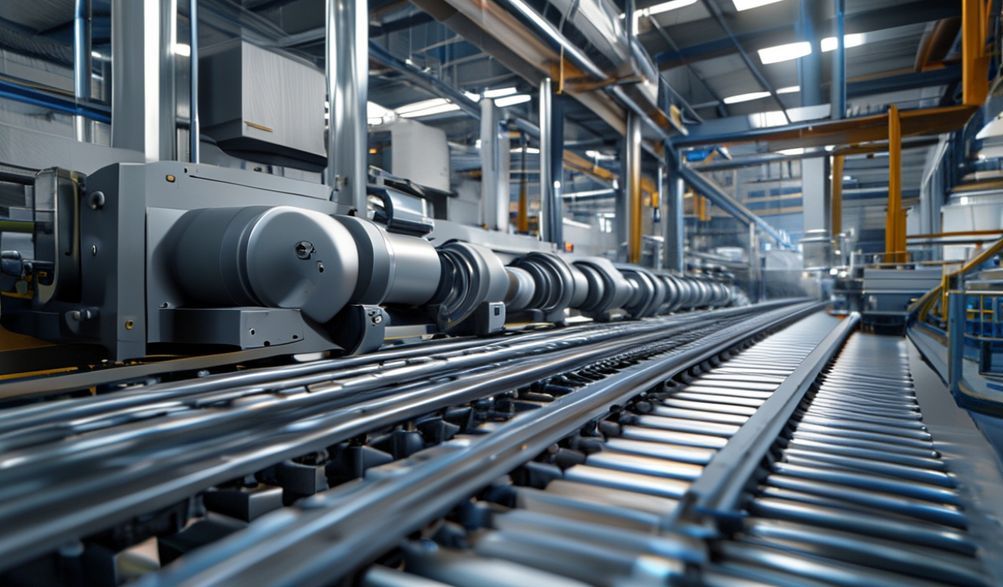
Полное руководство по машинам для производства кирпича из золы-уноса и сотрудничеству с заводом FUDA по производству блоков
Введение
Глобальная строительная отрасль переживает зеленую революцию. Знаете ли вы, что рынок экологичных строительных материалов, по прогнозам, превысит 1 триллион долларов к 2030 году? В авангарде этого перехода находятся кирпичи из золы-уноса — устойчивая альтернатива, которая быстро заменяет энергоемкие глиняные кирпичи. Однако переход на это современное решение представляет собой серьезную проблему: поиск надежного высокопроизводительного оборудования, способного превращать сырой промышленный побочный продукт в стабильные и прибыльные строительные блоки.
Традиционные кирпичные печи всё чаще подвергаются критике из-за огромных выбросов углерода, истощения плодородного слоя почвы и нестабильного качества продукции. Для предпринимателей и строительных компаний это создаёт двойную дилемму: необходимость внедрения устойчивых практик и сложности, связанные с инвестициями в автоматизированные производственные технологии. Решение заключается в мощном сочетании — современных машин для производства зольного кирпича и партнёрства с опытным производителем.
Это руководство знакомит сФабрика по производству блоков FUDAВ качестве ведущего партнера на этом пути мы предоставим авторитетное пошаговое описание технологии производства кирпича из золы-уноса — от ее неоспоримых преимуществ до тонкостей выбора оборудования и организации производства. Наша цель — вооружить вас знаниями, необходимыми для уверенных и обоснованных инвестиций, которые создадут не только конструкции, но и устойчивое будущее.
Аналитические выводы, составленные отраслевыми экспертами с более чем десятилетним опытом в области строительной техники и устойчивого производства.
Почему кирпичи из золы-уноса? Устойчивый и разумный выбор для современного строительства
Отказ от многовековых практик требует веских причин. Кирпичи из золы-уноса предлагают беспроигрышный сценарий, сочетая экологическую ответственность с превосходными техническими характеристиками.
Экологические преимущества: Строительство более экологичного будущего
Экологическая аргументация в пользу кирпичей из золы-уноса убедительна и затрагивает несколько ключевых проблем:
- Утилизация отходов:Зола-унос — это мелкодисперсный порошок, побочный продукт угольных электростанций. Её использование в производстве кирпича позволяет отвлечь миллионы тонн этого материала от свалок и золоотвалов, решая серьёзную проблему промышленных отходов.
- Снижение углеродного следа:В отличие от глиняных кирпичей, которые требуют обжига в печах при температуре выше 1000°C в течение нескольких дней, зольные кирпичи твердеют при комнатной температуре или с использованием пара. Этот процесс исключает огромное потребление ископаемого топлива и связанные с ним выбросы CO2.
- Сохранение ресурсов:Производство глиняных кирпичей приводит к истощению плодородного верхнего слоя почвы. Золо-шлаковые кирпичи не требуют глины, что сохраняет сельскохозяйственные земли и предотвращает эрозию почвы.
卓越的技术与经济优势
Помимо экологичности, эти кирпичи спроектированы так, чтобы работать эффективнее:
- Высокая прочность и долговечность:Изготовленные под высоким гидравлическим давлением, зольные кирпичи достигают отличной прочности на сжатие (часто 70-150 кг/см²), что делает их пригодными для многоэтажного несущего строительства.
- Точность размеров:Машинные кирпичи имеют одинаковый размер и форму. Это приводит к меньшему расходу раствора (экономия до 30%), более гладкой штукатурке и ускорению сроков строительства.
- Теплоизоляция:Мелкие частицы золы-уноса создают более плотную микроструктуру с низкой теплопроводностью. Здания остаются прохладнее летом и теплее зимой, что снижает затраты на энергию для систем отопления, вентиляции и кондиционирования воздуха.
- Долгосрочная экономическая эффективность:Хотя первоначальные инвестиции в оборудование являются фактором, экономия складывается из более дешевого сырья (зола-унос часто имеет низкую стоимость или предоставляется бесплатно), снижения затрат на рабочую силу благодаря автоматизации и уменьшения счетов за электроэнергию в процессе производства.
Понимание машин для производства зольных кирпичей: типы, компоненты и автоматизация
Качество вашего кирпича напрямую зависит от машины, которая его производит. Понимание технологии является ключом к выбору правильного оборудования для вашего масштаба и целей.
Основные типы станков: от ручных до полностью автоматических
- Ручные станки для производства кирпича из золы-уноса:Это машины начального уровня с рычажным управлением, идеально подходящие для микро-предприятий или общественных проектов. Они имеют низкую производительность (500-1000 кирпичей в день) и требуют значительных ручных усилий для смешивания, загрузки и извлечения кирпичей.
- Полуавтоматические станки:Эта модель среднего класса оснащена гидравлическим приводом для прессования и часто включает механический питатель. Производительность значительно возрастает (2000–6000 кирпичей в день) при лучшей стабильности качества, хотя ручная укладка на поддоны по-прежнему требуется.
- Полностью автоматизированные заводы по производству кирпича из золы-уноса:Это то место, гдеФабрика по производству блоков FUDAЭто интегрированные производственные линии с автоматической дозировкой материалов, смешиванием, транспортировкой, прессованием и укладкой. Они обеспечивают максимальную производительность (8000–30 000+ кирпичей в день), исключительную стабильность и минимальное ручное вмешательство, что делает их идеальными для серьёзных коммерческих проектов.
Ключевые компоненты надежной машины для производства блоков
A machine is only as good as its parts. Look for these critical components:
- Гидравлическая система: The heart of the machine. A robust, oil-cooled system with branded pumps and valves ensures consistent high pressure for dense, strong bricks and long-term reliability.
- Moulds and Dies: Made from high-grade, hardened steel to withstand constant abrasion. A reputable factory like FUDA will offer customizable moulds for producing solid blocks, hollow blocks, pavers, and interlocking bricks.
- Панель управления (ПЛК/Siemens): The brain of an automatic system. A Programmable Logic Controller (PLC), preferably from a brand like Siemens or Allen-Bradley, allows for precise control over pressure, cycle time, and sequences, ensuring repeatable quality.
- Conveyor Systems and Stackers: These automate the movement of raw material to the mixer and finished bricks to the curing area. They drastically reduce labor and physical strain while increasing overall line efficiency.
The Production Process: A Step-by-Step Breakdown
- Raw Material Proportioning: Fly ash (50-60%), sand/stone dust (30-40%), cement (8-12%), and water are accurately measured.
- Смешивание: Materials are blended in a pan mixer or compulsory mixer to achieve a homogeneous, semi-dry consistency.
- Компрессия и формование: The mix is fed into the machine’s chamber and subjected to intense hydraulic pressure (typically 150-200+ tons) within the mould.
- Процесс отверждения: Fresh bricks are stacked and cured. Natural curing takes 14-21 days. Steam curing in a chamber accelerates the process to 24 hours, freeing up space and speeding time-to-market.
Choosing the Right Partner: What to Look for in a FUDA Block Making Factory
Purchasing a brick making plant is a major capital investment. Your choice of manufacturer will impact your business for a decade or more. Here’s how to identify a true partner.
Hallmarks of a Reputable Machinery Manufacturer
- Proven Experience & Longevity: Look for a company with a verifiable track record of 10+ years. An established history indicates resilience and accumulated expertise.
- Внутренние НИОКР и инжиниринг: Avoid mere assemblers. A factory with its own engineering team can offer custom solutions, continuous improvements, and genuine innovation tailored to market needs.
- Quality of Materials and Build: Inspect the use of heavy-duty steel plates, welded frames, and branded components (hydraulics, PLCs, motors). The machine should feel substantial, not lightweight.
- Соответствие стандартам: Certifications like ISO (Quality Management) and CE (meeting EU health, safety, and environmental standards) are strong indicators of a systematic, quality-focused manufacturing process.
Beyond the Machine: The FUDA Factory’s Value-Added Services
The machine is just the beginning. A partner like FUDA provides critical services for your success:
- Comprehensive Technical Support: Guidance should start from plant layout planning and extend through installation and commissioning.
- Hands-On Operational Training: They should train your staff on machine operation, routine maintenance, and basic troubleshooting.
- Genuine Spare Parts & Service Network: Ensure ready availability of original spare parts and a responsive after-sales team for support, whether remote or on-site.
- Assistance with Plant Setup: Expert advice on shed design, foundation requirements, and curing yard organization can prevent costly mistakes.
Red Flags to Avoid When Selecting a Supplier
- Lack of Transparency: Unwillingness to disclose component brands, provide a detailed breakdown of the quotation, or show the actual factory floor.
- Ghost Factories: Companies with only a glossy website and no physical manufacturing facility you can visit or verify via video call.
- Weak Warranty and Service Terms: Vague warranties, no clear service level agreement (SLA), or promises that seem too good to be true.
Key Considerations Before Investing in Your Fly Ash Brick Plant
Success requires more than just a good machine. Thorough groundwork is essential.
Market and Feasibility Analysis
- Assess Local Demand: Research construction activity in your region. Engage with builders, contractors, and government housing projects to gauge demand for eco-friendly bricks.
- Secure Raw Material Supply: Establish a reliable, consistent source of good-quality fly ash (Class F or C) from a nearby thermal power plant. Test its properties for brick making.
Financial Planning and ROI
- Total Investment: Account for all costs: machine price, land, production shed, curing shed, raw material storage, electricity connection (often requiring a high-capacity transformer), and working capital.
- Profitability Calculation: Model your production cost per brick (raw materials, power, labor, depreciation) against the prevailing market sale price to understand your margins and break-even point.
- Government Subsidies: Many governments offer subsidies, tax breaks, or soft loans for eco-friendly manufacturing units. Investigate these schemes to improve your project’s financial viability.
Space, Power, and Manpower Requirements
- Land Area: A small automatic plant may require 5,000-10,000 sq. ft. for production, curing, and storage. Larger plants need significantly more.
- Power & Water: A standard automatic machine may require a 30-60 HP power connection and a consistent water source for mixing and curing.
- Manpower: A fully automatic plant might only need 4-6 skilled operators per shift for monitoring, maintenance, and handling, compared to dozens for manual production.
Frequently Asked Questions (FAQ)
Q1: What is the approximate cost of setting up a fly ash brick plant with a FUDA machine?
А: Costs vary significantly based on the level of automation and desired output capacity. A small semi-automatic setup might start around $25,000, while a high-capacity, fully automatic production line can range from $80,000 to $200,000 or more. The most accurate step is to share your production goals with FUDA’s technical team for a detailed, customized project report and quotation.
Q2: What is the daily production capacity of a standard automatic FUDA block making machine?
А: For a standard fully automatic model (like the FUDA-1080), the production capacity typically ranges from 8,000 to 12,000 bricks per 8-hour shift, depending on the block size and cycle time. Larger models are designed for capacities exceeding 20,000 bricks per shift.
Q3: How do I ensure the quality of fly ash for brick making?
А: Source fly ash directly from a reliable thermal power plant. Key quality parameters to check are Loss on Ignition (LOI) (should be below 5-6%), finenessиlime content. It is highly recommended to conduct small trial batches with your exact mix formula before full-scale production.
Q4: What kind of after-sales support can I expect from an established factory like FUDA?
А: You should expect a comprehensive package: installation supervision by an engineer, thorough training for your staff, a clear warranty on parts and workmanship (e.g., 1 year), access to remote troubleshooting via phone/video, and a protocol for dispatching service engineers if needed.
Q5: Are fly ash bricks as strong as traditional red bricks?
А: Yes, and often stronger. When produced correctly on quality machinery with the right mix design, fly ash bricks consistently achieve compressive strengths that meet or exceed those required for Class I (load-bearing) clay bricks, making them perfectly suitable for all major construction applications.
Заключение
The transition to fly ash brick manufacturing represents a strategic convergence of ecological responsibility and commercial opportunity. The advantages—from environmental conservation and superior material properties to long-term cost savings—are clear and compelling. However, the cornerstone of this venture is the machinery that brings it all to life.
Choosing robust, automated, and reliable equipment is not merely a purchase; it is the foundational investment in your plant’s productivity, product quality, and profitability. This decision underscores the critical importance of partnering with an authoritative, experienced, and trustworthy manufacturer. A Фабрика по производству блоков FUDA embodies this partnership, offering not just a machine, but a pathway to sustainable business success backed by engineering expertise and enduring support.
Take the next step with confidence.
* Primary CTA: Request a Detailed Project Report and Customized Quote from FUDA’s Technical Team.
* Secondary CTA: Download our Free Checklist: 10 Essential Questions to Ask Your Block Machine Supplier.