
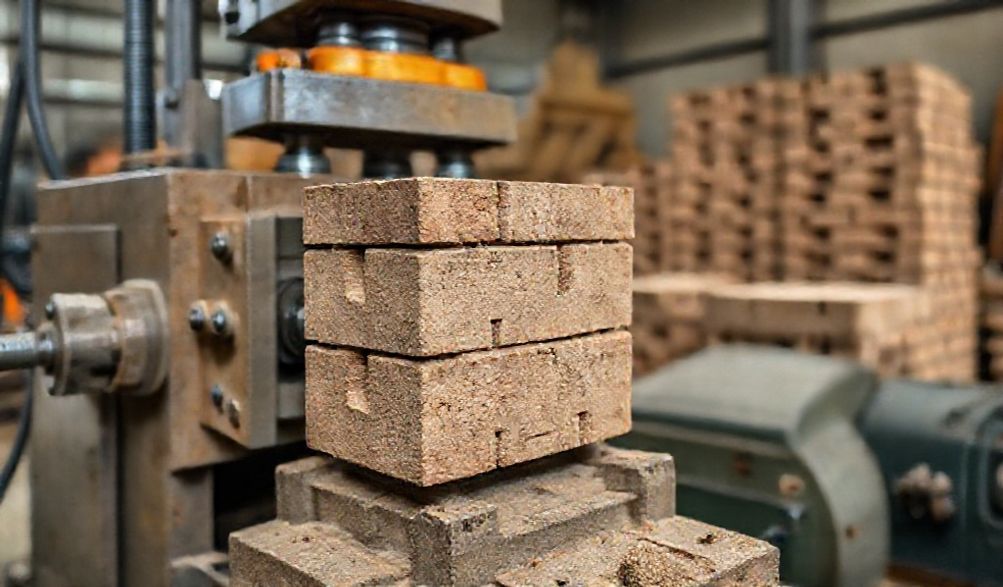
Полное руководство по автоматическим машинам для производства грунтовых кирпичей: как найти качество по низкой цене
Введение
Глобальная строительная отрасль стоит на перепутье. В условиях роста стоимости материалов и усиления экологических проблем поиск устойчивых и доступных строительных решений стал как никогда актуальным. И здесь на сцену выходит скромный земляной кирпич — строительный материал, используемый тысячелетиями, который сейчас готов к современной революции. Прессованные стабилизированные земляные блоки (CSEB) обладают выдающейся тепловой эффективностью, низкой воплощённой энергией и обеспечивают значительную экономию средств. Однако масштабирование их производства остаётся постоянной проблемой.
Проблема очевидна: традиционная ручная формовка кирпича мучительно медленна, трудоёмка и даёт нестабильные результаты. С другой стороны, полностью промышленные кирпичные заводы имеют ошеломляющую стоимость, что делает их недоступными для большинства малых и средних предприятий, строителей и проектов развития. Этот разрыв оставляет многих новаторов в тупике, не позволяя им использовать преимущества земляного строительства в жизнеспособных масштабах.
Вот где автоматическая машина для производства грунтовых кирпичей становится ключевым решением. Она представляет собой идеальный баланс между ручным трудом и промышленными затратами, предлагая революционный скачок в производительности, оставаясь при этом финансово доступным вложением. Это руководство создано, чтобы разобраться в рыночном шуме и предложить чёткий, надёжный путь к выбору подходящего оборудования.
Это руководство основано на обширных отраслевых исследованиях, технических сравнениях и практических рекомендациях по закупкам, следуя принципам E-E-A-T (Опыт, Экспертность, Авторитетность и Надёжность). Наша цель — не просто проинформировать, но и дать вам возможность сделать уверенные и разумные инвестиции. Мы поможем разобраться в процессе поиска надёжногоавтоматический станок для производства грунтовых кирпичей по низкой ценеобеспечивая получение машины, которая повышает вашу производительность, не нарушая ваш бюджет.
Что такое автоматическая машина для производства грунтовых кирпичей?
Автоматическая машина для производства грунтовых кирпичей — это механизированная система, предназначенная для прессования влажной стабилизированной почвы в высокоплотные однородные кирпичи с минимальным прямым участием человека в основном производственном цикле. В отличие от ручных методов, основанных на чистой физической силе, или полуавтоматических машин, требующих от оператора запуска каждого цикла, автоматическая система управляет последовательностью подачи, прессования и выталкивания, как правило, с помощью программируемого логического контроллера (ПЛК).
В своей основе этот процесс изящно прост и чрезвычайно эффективен. Типичная машина состоит из:
* Бункер для подачи кормаКуда загружается подготовленная почвенная смесь.
* Система сжатия:Сердце машины, использующее мощный гидравлический плунжер или механический пресс для создания огромного давления (часто 15-30 МПа) в форме.
* Формы/Штампы:Взаимозаменяемые стальные формы, определяющие форму и размер кирпича (например, замковые, прямоугольные, шестиугольные).
* Система выброса и транспортировки:Автоматически выталкивает готовый кирпич на поддон или конвейерную ленту для отверждения.
Ключевые преимущества по сравнению с ручными и полуавтоматическими методами
Переход к автоматизации приносит преобразующие преимущества:
* Значительно увеличенный объем производства:В то время как ручной работник может производить 200-300 кирпичей в день, автоматическая машина способна изготавливатьОт 1500 до 3000+ кирпичей за 8-часовую сменув зависимости от модели и времени цикла.
* Непревзойдённая стабильность:Каждый кирпич прессуется с одинаковым усилием и объёмом, что обеспечивает единообразие размеров, плотности и прочности на сжатие. Это критически важно для структурной целостности и эффективности строительства.
* Значительная экономия трудозатрат:Один или два оператора могут управлять всем производственным процессом, освобождая рабочую силу для подготовки материалов, отверждения и строительства. Это также устраняет физическое напряжение и риск травм, связанные с ручным трудом.
* Превосходная долгосрочная рентабельность инвестиций:Более высокие первоначальные инвестиции быстро окупаются за счет снижения затрат на рабочую силу, ускоренного завершения проектов и возможности брать более крупные контракты. Производимые кирпичи также обладают качеством, которое позволяет устанавливать более высокую рыночную цену.
购买前需分析的关键因素(不仅限于价格)
Сосредоточение исключительно на цене покупки — самый быстрый путь к неудачному вложению. Истинная ценность измеряется производительностью, долговечностью и общей стоимостью владения. Вот неоспоримые факторы, которые необходимо тщательно изучить.
Производственные мощности и выпуск продукции
Объем вашего проекта определяет требования к оборудованию.
* Оцените свои потребности:Рассчитайте общее количество кирпичей, необходимых для вашего проекта, и желаемые сроки. Для стабильного бизнеса делайте оценку на основе прогнозируемых заказов.
* Расшифровка спецификаций:Смотрите дальше "полностью автоматического". Ключевые метрики:Циклов в часиBricks Per Cycle. A machine with a 10-second cycle time producing 2 bricks per cycle can theoretically output 720 bricks per hour. Consider real-world factors like loading pauses.
Brick Specifications and Versatility
Your machine should align with your architectural and market requirements.
* Размер и форма: Most machines offer standard rectangular or interlocking bricks (which reduce mortar use). Crucially, check if the supplier provides options for custom molds for unique designs.
* Material Compatibility: Not all soil is equal. Discuss your local soil type with the supplier. Machines are designed for soil stabilized typically with 5-10% cement or lime. The machine should be able to handle this mix effectively.
Automation Level and Ease of Operation
“Automatic” can mean different things. Clarify the scope.
* Levels of Automation: Does “automatic” cover just the press cycle, or does it include auto-feeding of material, automatic pallet shifting, and brick stacking? More automation increases output but also cost and complexity.
* Skill Requirements: Even automatic machines need skilled oversight. Inquire about the training provided—is it just a manual, or do they offer on-site or video training? A user-friendly control panel is a major plus.
Долговечность и качество сборки машины
This is where cheap machines reveal their true cost.
* Construction Matters: Inspect the quality of the main frame (heavy-duty steel is best), the hydraulic cylinders (reputable brand names last longer), and the mold/die steel (high-chromium steel resists wear).
* The Quality-Price Link: A machine built with inferior components will have higher downtime, more frequent part replacements, and a shorter lifespan. The “low price” evaporates when facing constant repair bills and lost production.
How to Find a Reliable “Low Price” Automatic Soil Brick Machine
Finding a genuine low-price deal requires strategy, not just luck. It’s about sourcing intelligently and understanding value.
Defining “Low Price” in Context
First, reframe your thinking.
* From “Cheapest” to “Best Value”: The cheapest machine is often the most expensive over five years. Seek the best combination of reliability, performance, and support for your budget.
* Общая стоимость владения (TCO): Calculate TCO by adding:
* Purchase Price & Shipping
* Installation & Training
* Estimated Maintenance & Energy Costs
* Cost and availability of Spare Parts
A slightly more expensive machine with a robust design and local support usually has a lower TCO.
Trusted Sourcing Channels
Each sourcing path has its trade-offs.
* Direct from Manufacturers:
* Плюсы: Lowest possible price, potential for customization, direct technical communication.
* Минусы: Higher minimum order quantities (MOQs), logistical complexity, potential language barriers, and after-sales support can be distant.
* Local/Regional Distributors:
* Плюсы: Local language support, faster access to spare parts and technicians, may handle import logistics.
* Минусы: Price includes their markup, may have limited model options.
* Verified B2B Marketplaces (Alibaba, Made-in-China):
* Плюсы: Vast selection, ability to compare prices and specs easily, trade assurance programs.
* Минусы: Requires intense vetting. Vetting Tips: Look for “Gold Suppliers” or verified members with 3+ years of history. Read transaction reviews thoroughly. Use the platform’s messaging system for all communications. Always request a video of the machine in operation and a soil sample test report.
Essential Due Diligence Checklist
Before any payment, complete this expert-backed checklist to build trust with your supplier:
1. Request Certifications: Ask for ISO, CE, or other relevant machinery safety certificates.
2. Get Customer References: Ask for contact information for 2-3 previous buyers, preferably in a similar climate or region. Follow up with them.
3. Request a Site Visit (or Virtual Tour): If possible, visit an existing installation. If not, ask for a live video call to see a working machine at their factory.
4. Scrutinize Warranty & Support: A 1-year warranty on the main frame and hydraulic system is standard. Clarify what “after-sales service” includes: Is it just an email manual? Or does it include installation drawings, video guides, and remote troubleshooting via WhatsApp/WeChat?
5. Get a Detailed Proforma Invoice: Ensure it itemizes the machine, spare parts kit, mold costs, packaging, and shipping terms (FOB, CIF, etc.) clearly.
Maximizing Your Investment: Operation and Maintenance Tips
Your machine’s performance depends as much on your operation as its build quality.
Soil Preparation for Optimal Results
The machine can only press what you feed it.
* Состав почвы: Ideal soil has a mix of sand, silt, and clay. Pure clay or pure sand will not work. Simple field tests can determine suitability.
* Просеивание: Soil must be sieved (to under 5mm) to remove stones, roots, and debris that can damage the mold or cause brick defects.
* Влажность: This is critical. The soil should be damp (typically 8-12% moisture), holding together in a ball without crumbling or dripping water. Профессиональный совет: Conduct small batch tests to find the perfect moisture level for your soil mix.
* Стабилизация: Mix cement or lime thoroughly and evenly with the damp soil. Let the mix “cure” for an hour before pressing to allow the stabilizer to begin hydrating.
Routine Maintenance Schedule
Preventative care prevents catastrophic downtime.
* Ежедневно: Clean the machine thoroughly, especially the mold area. Check hydraulic oil levels and look for leaks. Lubricate all moving parts as per the manual.
* Weekly: Inspect the mold for wear or damage. Tighten any loose bolts and nuts on the frame and vibration system.
* Monthly: Check hydraulic hoses for cracks. Change hydraulic oil and filters as recommended by the manufacturer. Inspect electrical connections.
Устранение распространённых проблем
- Low Brick Density/Weak Bricks: Caused by insufficient pressure, incorrect moisture (too dry or too wet), or inadequate stabilization. Check hydraulic pressure and re-test your soil mix.
- Bricks Cracking During Ejection or Curing: Usually due to excessive moisture, insufficient compaction, or improper curing (bricks should be kept damp under cover for 7-14 days).
- Machine Jamming: Often caused by oversized material in the soil or overfilling the feed hopper. Stop the machine, clear the obstruction, and re-sieve your soil.
Frequently Asked Questions (FAQ)
Q1: What is the realistic price range for an automatic soil brick machine?
А: Prices vary widely based on capacity and features. A small-scale automatic machine can start around $5,000 – $8,000. Mid-range models with higher output and more automation typically fall between $12,000 – $20,000. Large, fully automated production lines can exceed $25,000. Always correlate price with the production specs and build quality.
Q2: Can I really get a good quality automatic machine at a low price?
А: Yes, absolutely. The key is strategic sourcing—often directly from a manufacturer with a focus on robust core engineering rather than flashy exterior panels. Prioritize machines that use reputable brand-name hydraulic components and heavy-duty steel frames. These may have a slightly higher upfront cost than the absolute cheapest but represent the true “low price” in terms of longevity and reliability.
Q3: What is the typical lead time from order to delivery?
А: For standard models, expect 30-45 days for production if not in stock. Shipping (sea freight) can take another 30-60 days depending on your destination port. Factor in time for customs clearance. Always get a detailed timeline from your supplier, including production, pre-shipment inspection, and shipping terms.
Q4: How much cement or stabilizer is needed per brick?
А: A typical range is 5% to 10% cement by volume, but this is highly dependent on your soil’s properties. Sandy soils require more stabilizer than clayey soils. We cannot overstate the importance of conducting proper soil tests or small trial batches to determine the optimal, cost-effective ratio for your specific location.
Q5: What after-sales support should I expect?
А: Comprehensive support is part of a quality purchase. You should expect: detailed installation manuals and electrical diagrams, video operation guides, a standard set of critical spare parts (seals, filters), and access to technical support via phone or messaging apps for troubleshooting. Clarify the response time and the availability of spare parts for future purchase.
Заключение
Navigating the market for an automatic soil brick machine at a low price is undoubtedly achievable, but it requires a shift from a bargain-hunting mindset to a value-investing one. By focusing on long-term productivity, durability, and total cost of ownership—rather than just the sticker price—you position yourself for sustainable success.
Use the framework outlined in this guide: thoroughly analyze your production needs, scrutinize machine quality and automation levels, conduct diligent supplier vetting, and commit to proper operation and maintenance. This disciplined approach is your blueprint for making a confident investment.
Our goal, grounded in expertise and a commitment to trustworthy advice, has been to empower you with the knowledge to ask the right questions and make an informed decision. The right machine is more than a purchase; it’s a partner in building a more sustainable and profitable future.
Ready to take the next step? We encourage you to use this guide as your checklist. For more specific guidance or to discuss your unique project requirements for a tailored machine recommendation, feel free to reach out.
<