
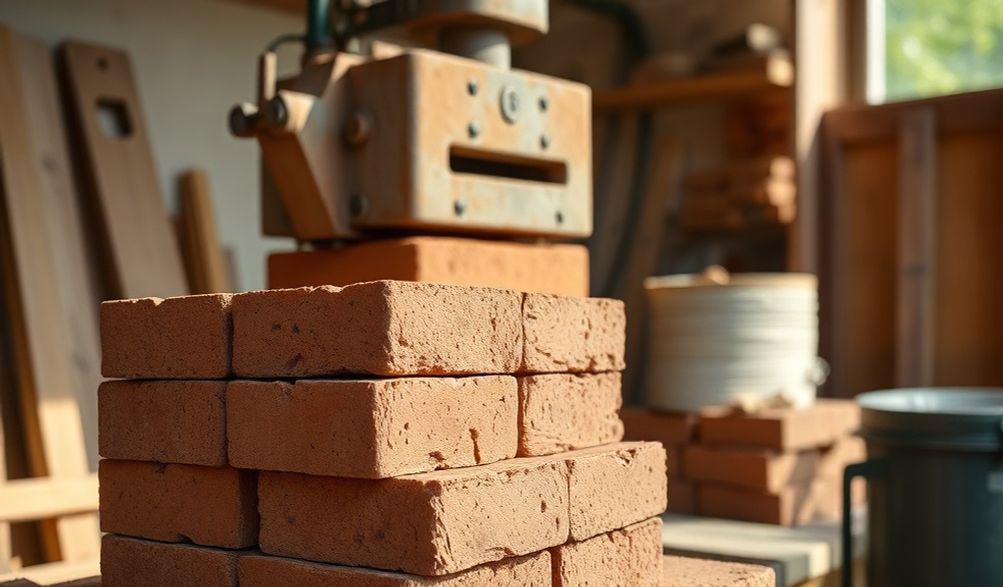
Поиск лучших недорогих машин для производства кирпича: руководство для покупателя на 2026 год
Строительство дома, возведение стены или открытие небольшого строительного бизнеса часто начинается с одного ключевого и дорогостоящего элемента: кирпичей. Но что, если бы вы могли производить собственные, высококачественные кирпичи за малую часть стоимости? Для многих первоначальная цена оборудования кажется непреодолимым барьером. Это руководство призвано изменить такое представление.
Когда мы говорим «дешевые машины для производства кирпича», мы не имеем в виду хлипкие, низкокачественные изделия, обреченные на поломку. Мы говорим оэкономичный, бюджетный и выгодныйМашины, созданные для максимизации вашей отдачи от инвестиций (ROI). Это рабочие лошадки для мелких строителей, энтузиастов DIY, владельцев приусадебных хозяйств и начинающих предпринимателей, стремящихся взять под контроль свои материальные ресурсы и затраты.
Наша цель — развеять маркетинговый шум. Опираясь на отраслевые знания и практический опыт, это руководство предлагает достоверные советы, которые помогут вам сделать осознанный, безопасный и экономичный выбор. Мы проведем вас по разным типам устройств, ключевым характеристикам, которые действительно важны, местам, где можно найти надежные модели, и основным рекомендациям, чтобы избежать дорогостоящих ошибок, способных превратить «дешевую» покупку в дорогой урок.
Понимание машин для производства кирпича: типы и технологии
Первый шаг к умной покупке — это понимание общей картины. Машины для производства кирпича классифицируются по степени автоматизации, что напрямую связано со стоимостью, производительностью и требованиями к рабочей силе.
Ручные станки для производства кирпича
Это самый фундаментальный и доступный отправной пункт в производстве кирпича.
- Описание:Работают полностью на ручной силе с помощью рычага или педали. Используют механическое преимущество для сжатия сырья (например, грунтоцемента или бетона) в форме.
- Лучше всего подходит для:Сверхмалые проекты (например, садовый сарай, небольшая стена), для увлеченных мастеров-любителей, образовательных целей или мест, где полностью отсутствует доступ к электричеству.
- Вывод и ограниченияПроизводство идет медленно, часто от 50 до 200 кирпичей в день, и требует значительных физических усилий. Качество в высокой степени зависит от техники оператора и состава материала.
Суть дела:Самые низкие первоначальные затраты и нулевые счета за энергию, но ваш труд — основной вклад. Это проверка на преданность делу.
Полуавтоматические машины для производства кирпича
Эта категория представляет собой наиболее популярный "золотой стандарт" для частных лиц и малого бизнеса, ищущих баланс.
- Описание:Эти машины сочетают ручной труд с механизированными процессами. Обычно сырьё подаётся вручную, но прессование осуществляется с помощью электродвигателя или дизельного двигателя. Некоторые модели могут быть оснащены конвейером для выгрузки готового кирпича.
- Лучше всего подходит для:Малый бизнес, проекты жилищного строительства для местных сообществ, производство средней мощности для локального снабжения, а также все, кому требуется более высокая производительность без полной автоматизации и высокой стоимости.
- Вывод и ценность:Вы можете рассчитывать на производительность от 200 до 1000+ кирпичей в час в зависимости от модели. Они значительно снижают физическую нагрузку по сравнению с ручными прессами, сохраняя при этом разумный объем капиталовложений.
Суть дела:Предлагает наилучший компромисс между стоимостью, производительностью и автоматизацией. Именно здесь большинство покупателей находят подлинную ценность.
Fully Automatic Brick Making Machines (Budget Options)
When you think “automatic,” you might think “expensive.” However, budget-friendly options exist in this space.
- Описание: These machines automate the entire process: feeding, mixing (in some models), compression, and ejection. They often use hydraulic systems for consistent, high-pressure compaction and run with minimal operator intervention.
- Лучше всего подходит для: Steady, higher-volume production for a growing construction business, block yards, or entrepreneurs supplying a local market.
- Finding “Cheap” Options: In this category, “cheap” or “affordable” typically means:
- Entry-Level Models: Smaller capacity machines with basic automation features.
- Refurbished Units: Machines that have been professionally reconditioned.
- Older/Simpler Designs: Models without the latest PLC panels but with robust core functionality.
Суть дела: Higher initial investment but the lowest labor cost per brick. For the right buyer, the ROI can be quickly realized.
Key Features to Evaluate in a Cost-Effective Machine
A low price tag is meaningless if the machine doesn’t suit your needs or breaks down in a month. Look beyond the sticker price and evaluate these critical features.
Production Capacity (Bricks Per Hour/Day)
This is the most common mistake: overbuying or underbuying.
- Match Output to Need: Are you building a single house? Supply a small development? Calculate your total brick requirement and your desired timeline. A machine producing 500 bricks per hour is overkill for a DIY garden path.
- The Pitfall of Overbuying: A larger, more expensive machine than you need drains capital, costs more to run, and may require a stronger foundation and more space. It’s a waste of resources.
- Реалистическая оценка: Be conservative in your estimates. It’s better to have a machine running at 80% capacity than one sitting idle 50% of the time.
Brick Type and Mold Versatility
Not all bricks are created equal, and not all machines can make all types.
- Распространенные виды кирпича:
- Сплошные блоки: For load-bearing walls and foundations.
- Пустотелые блоки: Lighter, use less material, excellent for partition walls.
- Взаимосцепляющиеся кирпичи: Allow for mortar-less construction, popular for landscaping and some structural uses.
- Брусчатка (Тротуарная плитка): For driveways, patios, and walkways.
- Гибкость форм. Can you change the mold to produce different brick types? How much do additional molds cost, and are they readily available from the supplier? A machine that can produce multiple products is a more versatile asset.
Power Source: Electric vs. Diesel vs. Manual
Your choice here affects long-term operating costs and location feasibility.
- Электродвигатели:
- Плюсы: Cleaner, quieter, generally lower running cost per hour, easier maintenance.
- Минусы: Requires reliable grid power or a substantial generator. Power surges can damage motors.
- Дизельные двигатели:
- Плюсы: High torque, completely mobile, ideal for remote sites with no grid connection.
- Минусы: Noisier, produces fumes, requires fuel storage, and has higher per-hour running costs (fuel + maintenance).
- Инструкция: Zero energy cost, but high “human energy” cost.
Analysis: For fixed locations with stable electricity, electric is often the most cost-effective. For field production or areas with frequent outages, diesel provides independence.
Build Quality and Durability
This is where “cheap” machines truly separate from “cost-effective” ones.
- Критические компоненты:
- Каркас и структура: Look for thick, high-grade steel (e.g., ASTM A36) with clean, robust welds.
- Hydraulic System (if applicable): Reputable brand names (like Parker, Bosch Rexroth) for pumps and valves are a good sign.
- Плесень: Should be made from hardened, high-chromium steel for longevity and a smooth brick finish.
- Как оценивать: Scrutinize product photos for weld quality and material thickness. Ask the supplier for the grade of steel used. Read reviews focusing on long-term durability.
After-Sales Support: The True Cost Saver
This is the most important feature for a budget machine.
- Why It’s Non-Negotiable: A machine will need maintenance, spare parts (like wear plates, seals, bolts), and you may need technical advice. A lack of support turns a minor, inexpensive issue into a catastrophic, machine-ending failure.
- Ключевые вопросы, которые стоит задать:
- Is a clear parts manual and circuit diagram provided?
- Каков гарантийный срок и что он покрывает?
- How quickly can you ship common spare parts?
- Do you provide technical support via phone, email, or video call?
Top Picks: Reliable & Affordable Brick Machine Models (2026)
Отказ от ответственности: The following is based on aggregated 2026 market research, consistent user feedback, and industry reputation. Models and availability vary by region. Always conduct your own due diligence to verify specifications, local supplier reputation, and after-sales terms for your specific needs.
Best Manual Press for DIYers: T-Max Manual Interlocking Brick Press
- Specs: Produces standard interlocking blocks, all-steel construction, lever-operated.
- Плюсы: Extremely simple and durable design, no power needed, very low cost, excellent for learning the basics of soil stabilization.
- Минусы: Very low output (approx. 80-120 blocks per day), physically intensive.
- Ориентировочный диапазон цен: $300 – $800.
Best Value Semi-Automatic Machine: Q Green EcoTech QT4-25S
- Specs: Semi-automatic, egg-laying type, produces hollow/solid blocks, single vibrator motor, optional pallet feeder.
- Плюсы: Excellent balance of price and capability, robust build, good output for small businesses (~1000 blocks/8hr shift), widely available with good parts support.
- Минусы: Requires manual feeding and block removal, needs a flat concrete foundation.
- Ориентировочный диапазон цен: $4,500 – $7,500.
Best Entry-Level Automatic Machine: Lontto LMT4-40
- Specs: Fully automatic, hydraulic system, programmable logic controller (PLC), can produce a wide variety of blocks and pavers.
- Плюсы: High and consistent output with minimal labor, strong after-sales network from established brand, good durability for its class.
- Минусы: Significant step up in price and complexity, requires three-phase power in most configurations.
- Ориентировочный диапазон цен: $18,000 – $25,000.
Where to Buy: Navigating Suppliers and Avoiding Scams
Your choice of supplier is as critical as your choice of machine.
Direct from Manufacturers vs. Local Distributors
- Direct from Manufacturer (Often overseas):
- Плюсы: Potentially lower factory-gate prices, access to the latest models.
- Минусы: High shipping and import duty costs, potential language/communication barriers, risky if no local support.
- Local Distributor/Agent:
- Плюсы: Easier communication, may handle import logistics, provides local spare parts and service (crucial!), understands local regulations.
- Минусы: Higher markup on the machine price.
Verdict: For your first machine or if you lack import experience, a reputable local distributor is often worth the premium for peace of mind and support.
Online Marketplaces (Alibaba, Made-in-China, etc.)
These platforms can offer great deals but are minefields for the uninformed.
- Verification is Key: Only deal with Verified SuppliersилиGold Members with several years of history. Check their transaction history and online reviews.
- Request Proof: Always ask for a video of the exact model machine running. Request a video call to see their factory floor.
- Secure Payment: Use secure methods like Alibaba’s Trade Assurance, which holds payment until you confirm satisfactory delivery. Avoid direct wire transfers for full payment.
- Understand Incoterms: Know who is responsible for shipping, insurance, and import duties (e.g., FOB, CIF, DDP). “CIF Port” does not mean delivered to your door.
Red Flags and Scam Alerts
- Prices drastically lower than every other supplier.
- A company with only a vague website and no physical address or landline number.
- Refusal to provide a real-time video call or recent production video.
- Pressure to pay 100% upfront before production.
- Email addresses that don’t match the company domain name.
Maximizing Your Investment: Operation and Cost-Saving Tips
Owning the machine is just the beginning. Proper operation defines your success.
Raw Material Preparation for Optimal Results
The machine provides pressure; your mix provides strength.
- The Recipe is King: Follow proven mix ratios for cement, sand, and aggregate (e.g., 1:3:5 for standard concrete blocks). For soil-cement blocks, the soil’s composition is critical—get it tested.
- Последовательность: Ensure your raw materials are well-mixed and have uniform moisture content. This prevents crumbling or weak spots.
- Proper Curing: Freshly pressed bricks are fragile. They must be kept damp and allowed to cure slowly for 7-28 days to reach full strength. Do not skip this step.
Routine Maintenance Checklist
Preventative care is cheap. Repairs are expensive.
- Ежедневно: Clean the machine thoroughly at the end of each shift. Check for loose bolts and nuts. Lubricate all moving parts as per the manual.
- Weekly: Inspect the mold for wear or damage. Check hydraulic hoses for leaks. Tighten all electrical connections.
- Monthly: Change hydraulic oil and filters as recommended. Perform a more thorough inspection of wear parts like liners and seals.
Calculating Your True Cost Per Brick
This formula reveals the real value of your investment.
Формула: (Machine Cost + Raw Materials + Labor + Power) / Total Bricks Produced.
- Пример: A $6,000 machine producing 100,000 bricks over its life adds $0.06 per brick in capital cost. Add raw materials ($0.15), minimal labor ($0.02), and power ($0.01). Your total cost per brick might be $0.24. Compare this to the local purchase price of $0.50 per brick, and your savings (and potential profit margin) become clear.
Раздел часто задаваемых вопросов
Q1: What is the absolute cheapest type of brick making machine?
A: Manual block presses have the lowest upfront cost, often under $1,000. However, you must honestly factor in the value of your own labor and very low production speed.
Q2: Can I really make strong, durable bricks with a cheap machine?
A: Absolutely. Brick strength primarily comes from the correct raw material mix and proper curing. A well-built, cost-effective machine applies the necessary pressure consistently. The “cheap” risk is machine breakdown, not inherently weak bricks.
Q3: Are used brick making machines a good option to save money?
A: They can be, but caution is paramount. Only consider if you or a trusted mechanic can inspect it in person. Key areas to check: frame for cracks, mold for excessive wear, hydraulic cylinders for leaks, and the engine/motor for proper operation.
Q4: What hidden costs should I budget for?
A: Always account for: international shipping and import duties (can be 30%+ of machine cost), preparing a level concrete foundation, raw material testing and storage, an initial spare parts kit, and basic tools for assembly and maintenance.
Q5: How do I choose the right brick type for my project?
A: Match the brick to the function. Use solid bricks for foundations and load-bearing walls. Hollow bricks are perfect for non-load-bearing partition walls to save weight and material. Interlocking bricks are ideal for mortar-less construction like garden walls, retaining walls, and some low-cost housing models.
Заключение
Finding the best cheap brick making machine is not about hunting for the lowest possible number. It’s a strategic balance of initial price, long-term durability, available support, and precise suitability for your goals. A truly cost-effective machine is an asset that pays for itself by granting you independence, reducing material costs, and creating opportunity.
Let this guide serve as your foundation. Use it as a checklist as you research models, connect with local users for firsthand reviews, and approach suppliers with informed, detailed questions. By prioritizing transparency, build quality, and after-sales service, you transform a simple purchase into a smart investment that builds far more than just bricks—it builds your project, your business, and your future.
<