1. Введение
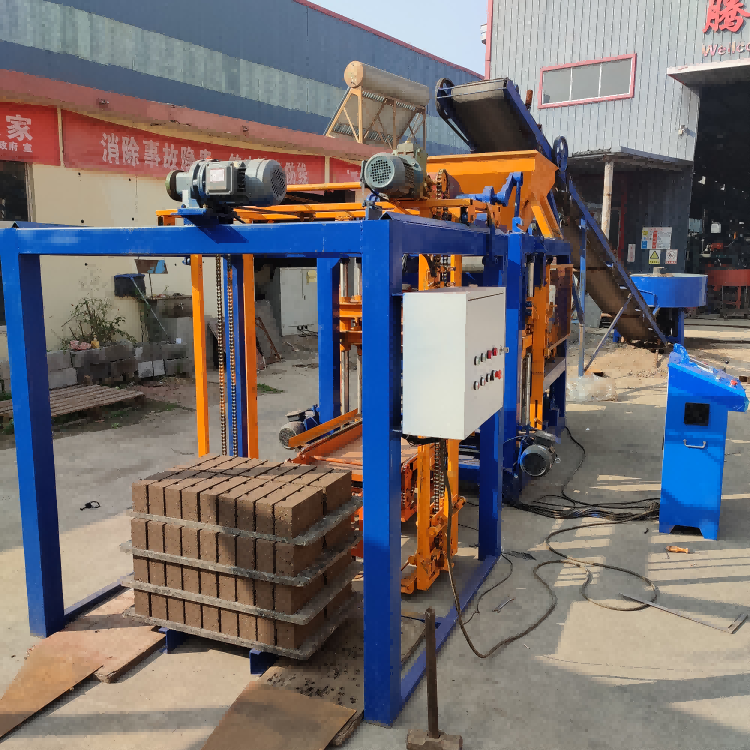
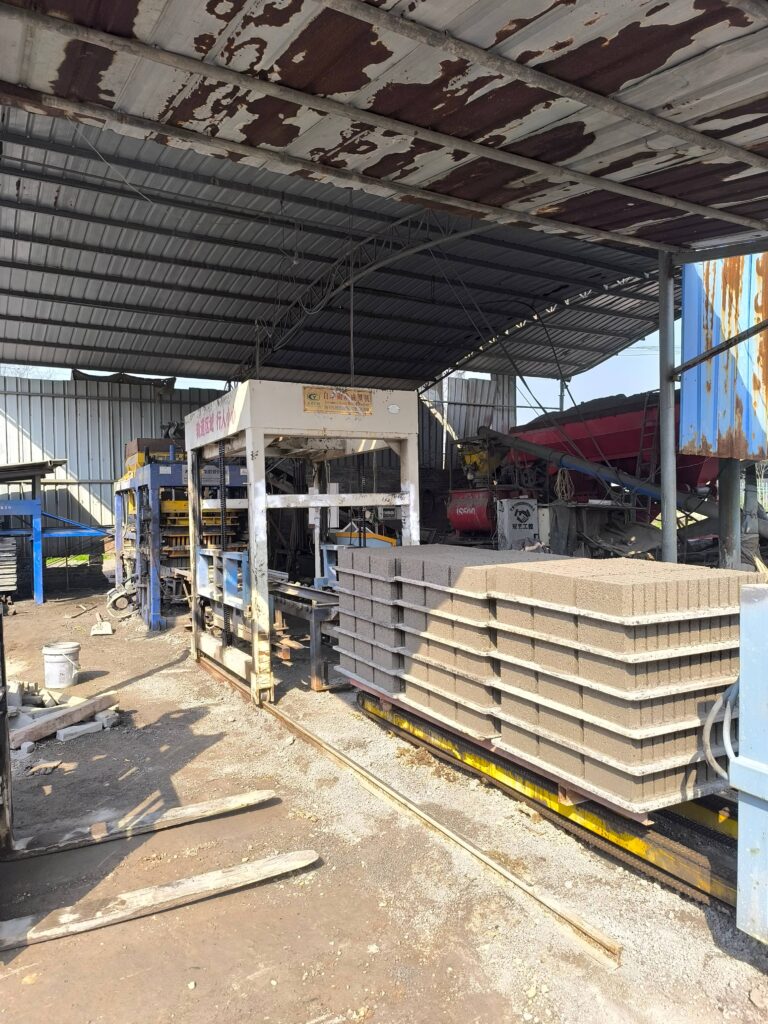
The automatic concrete brick block making machine addresses these challenges by integrating advanced automation, precision engineering, and intelligent control systems. Unlike manual or semi-manual alternatives, this equipment streamlines every stage of production—from raw material handling to finished block stacking—reducing human error and maximizing efficiency. For industry professionals, understanding this machine’s capabilities is not just a competitive advantage; it’s a necessity. Distributors need to articulate its value to clients seeking scalable solutions; distributors must grasp its operational nuances to ensure reliable supply chains; buyers need to evaluate how it aligns with their production goals, budget, and long-term growth plans. This guide delivers a detailed breakdown of automatic concrete brick block making machines, covering their core functionality, types, unique benefits, selection criteria, maintenance best practices, and more—empowering you to make informed decisions in a dynamic market.
2. Основная часть
2.1 Core Operational Principles of Automatic Concrete Brick Block Making Machines
The efficiency of automatic concrete brick block making machines stems from their synchronized, automated workflow. Every component—from raw material sensors to curing chamber controls—works in tandem to convert concrete mixtures into high-quality blocks with minimal human intervention. Understanding this process is key to explaining the machine’s reliability to clients and ensuring optimal performance.
2.1.1 Raw Material Handling and Preparation
Concrete brick blocks rely on a precise blend of cement, aggregates (sand, gravel, or crushed stone), water, and optional additives (e.g., fly ash, slag, or plasticizers). The machine’s raw material handling system eliminates the guesswork of manual preparation, ensuring consistency batch after batch.
- Storage and Conveyance: Most machines feature dedicated silos for cement and aggregates, with sealed conveyors (belt or screw-type) that transport materials to the mixing unit. This design prevents contamination (e.g., dust, debris) and ensures a continuous supply—critical for uninterrupted production. For example, a 50-ton cement silo can feed a medium-capacity machine for 3–5 days, reducing frequent material refills.
- Precision Weighing: Integrated load cells and digital scales measure each raw material to within ±0.5% accuracy, a level impossible to achieve manually. The machine’s PLC (Programmable Logic Controller) system stores pre-set formulas (e.g., 1:3:4 for cement:sand:gravel) and adjusts quantities in real time. If aggregates have high moisture content (detected via built-in moisture sensors), the system automatically reduces water dosage to maintain the ideal concrete consistency—avoiding weak, porous blocks or overly wet mixtures that stick to molds.
- Additive Integration: Additives, which enhance block strength, reduce shrinkage, or lower costs, are dosed via a separate automated unit. For instance, fly ash (a byproduct of coal power plants) can replace 15–25% of cement; the machine’s additive system ensures it is mixed evenly, preventing clumping that would compromise block quality.
2.1.2 High-Efficiency Mixing Process
The mixing stage is critical: uneven concrete mixtures lead to blocks with weak spots or inconsistent density. Automatic machines use specialized mixers designed for rapid, thorough blending.
- Mixer Types: Two common designs dominate the market: double-shaft mixers and planetary mixers. Double-shaft mixers use counter-rotating shafts with angled paddles, creating a shearing effect that breaks up lumps and distributes water evenly. They handle high-viscosity mixtures (e.g., for hollow blocks) efficiently, with a mixing time of 2–3 minutes per batch. Planetary mixers, by contrast, have a central blade that rotates around its axis while orbiting the mixer’s center—ensuring no “dead zones” where materials remain unmixed. This is ideal for mixtures with fine aggregates (e.g., for paving blocks) and takes 1.5–2.5 minutes per batch.
- Water Control: The PLC system regulates water flow via electronic valves, based on both the preset formula and real-time moisture data. Too much water weakens the concrete’s compressive strength; too little leads to dry, crumbly blocks. The machine maintains a “workable consistency”—measured by a slump test of 0–2 inches—ensuring the mixture fills molds completely without excess runoff.
- Batch Tracking: Advanced models log each batch’s mixing time, material quantities, and moisture levels. This data is stored in the PLC system, allowing operators to trace any quality issues back to specific production runs—a feature that simplifies compliance with industry standards (e.g., ASTM C90 for load-bearing blocks).
2.1.3 Precision Molding and Pressing
The molding unit is the machine’s heart, responsible for shaping the concrete mixture into blocks of consistent size, shape, and density.
- Interchangeable Molds: Machines come with a range of steel molds (hardened to HRC 55–60 for durability) that can produce solid blocks, hollow blocks, perforated blocks, interlocking blocks, or paving stones. Changing molds takes 20–45 minutes (depending on size) and requires no specialized tools—enabling producers to switch between products quickly. For example, a single machine can make 240mm×115mm×53mm solid blocks in the morning and 200mm×100mm×60mm interlocking paving blocks in the afternoon, catering to diverse client needs.
- Automated Feeding and Pressing: A vibrating feeder distributes the concrete mixture into the mold cavity, ensuring even filling (vibration eliminates air pockets that cause cracks). Once filled, a hydraulic or mechanical press applies pressure—ranging from 15 MPa to 40 MPa, depending on block type. Hydraulic presses offer gradual, uniform pressure (ideal for high-strength load-bearing blocks), while mechanical presses use flywheels for faster cycles (suited for non-load-bearing blocks). Some machines use a two-stage press: first a pre-press to compact the mixture, then a final press to achieve maximum density.
- Demolding: After pressing (which takes 10–30 seconds), the mold’s bottom plate rises, gently ejecting the “green” (unhardened) block onto a conveyor. The demolding process is synchronized with the next cycle, ensuring no production gaps. Soft rubber gaskets on the mold prevent the block from sticking, reducing waste from damaged units.
2.1.4 Controlled Curing for Strength Development
Green blocks have low strength (only 10–15% of their final strength) and require controlled curing to hydrate the cement and harden the concrete. Automatic machines integrate curing systems that eliminate the variability of outdoor curing.
- Curing Chamber Design: Most stationary machines include a climate-controlled curing chamber—an insulated space where temperature (20–28°C) and humidity (≥90%) are maintained 24/7. Smaller mobile machines may use a “curing tent” with portable humidifiers and heaters, but stationary chambers offer superior consistency. The chamber’s size matches the machine’s capacity: a 20,000-block-per-day machine typically has a chamber that holds 140,000–160,000 blocks (enough for 7–8 days of production).
- Automated Curing Cycles: The PLC system manages the curing timeline, which usually lasts 7–28 days. For the first 3 days, the chamber maintains high humidity to prevent the concrete from drying too quickly (rapid drying causes shrinkage cracks). From day 4 to day 7, humidity is gradually reduced, and temperature is slightly increased to accelerate strength gain. By day 7, blocks reach 60–70% of their final strength; by day 28, they meet full strength requirements (e.g., 10 MPa for non-load-bearing blocks, 20 MPa for load-bearing blocks).
- Block Transfer: Automated conveyors move green blocks into the curing chamber and transfer cured blocks out—eliminating manual handling that can damage delicate green blocks or scratch finished ones. Some machines use robotic arms to stack blocks in the chamber, optimizing space and ensuring uniform exposure to temperature and humidity.
2.1.5 Automated Stacking and Quality Inspection (Optional)
Once cured, blocks are ready for stacking and distribution. Many machines include optional features to streamline this final stage.
- Stacking Systems: Robotic stacking arms or mechanical clamps pick up cured blocks and stack them on pallets (standard 1200mm×1000mm pallets are common). The system can be programmed to stack blocks in specific patterns (e.g., 10 blocks per layer, 8 layers per pallet) to maximize stability during transportation. A single stacking unit can handle 500–1,000 blocks per hour, reducing labor costs and preventing injuries from heavy lifting.
- Quality Inspection Integration: Advanced models include cameras and sensors to inspect finished blocks for defects (e.g., cracks, uneven edges, or incorrect dimensions). Blocks that fail inspection are automatically diverted to a waste bin, ensuring only high-quality products reach distributors. The system logs defect rates, helping producers identify issues (e.g., a worn mold causing uneven edges) and make adjustments.
2.2 Classification of Automatic Concrete Brick Block Making Machines
Not all automatic machines are the same—different designs cater to varying production scales, site constraints, and block types. Distributors and buyers must understand these differences to match the machine to specific needs.
2.2.1 Mobile Automatic Concrete Brick Block Making Machines
Mobile machines are designed for on-site production, making them ideal for projects where transporting finished blocks is costly or logistically challenging (e.g., remote construction sites, rural housing projects).
- Design Features: Mounted on a trailer or skid, these machines are compact (typically 3m×2m×2.5m) and can be towed by a truck. They integrate a small mixer, molding unit, and basic curing tent—no permanent infrastructure required. Most run on diesel generators (for sites without electricity) or 3-phase power, and they use portable silos (5–10 tons) for raw materials.
- Производственная мощность: 800–3,000 blocks per day (based on 8-hour shifts). This is sufficient for small to medium projects, such as building 5–10 residential houses or a small community center.
- Pros:
- Eliminates block transportation costs (which can account for 15–25% of total block costs in remote areas).
- Quick setup (1–2 hours) and teardown, enabling producers to move between sites.
- Lower initial investment ($8,000–$30,000) compared to stationary models.
- Cons:
- Limited capacity—cannot meet large-scale demands (e.g., high-rise buildings, highways).
- Relies on on-site water and power; inconsistent access can disrupt production.
- Curing is less controlled (tent vs. chamber), leading to slightly lower strength consistency.
2.2.2 Stationary Automatic Concrete Brick Block Making Machines
Stationary machines are built for large-scale, continuous production. They are installed in fixed facilities (factories or production yards) and supply blocks to multiple projects or distributors.
- Design Features: These machines have a modular design, with separate units for raw material storage (large silos), mixing, molding, curing, and stacking. They require a concrete foundation (to absorb vibration during pressing) and access to 3-phase electricity, water pipelines, and compressed air. Advanced models include dust collection systems to comply with environmental regulations and reduce operator exposure to concrete dust.
- Производственная мощность: 5,000–50,000 blocks per day (8-hour shifts). High-capacity models (20,000+ blocks/day) are used by large manufacturers supplying regional construction markets.
- Pros:
- High efficiency and consistent quality (controlled curing, precise pressing).
- Versatile—can produce multiple block types with quick mold changes.
- Scalable: additional silos, mixers, or stacking units can be added to increase capacity.
- Cons:
- High initial investment ($40,000–$500,000), plus factory construction costs.
- Long installation time (2–4 weeks) and no mobility—tied to a single location.
2.2.3 Hydraulic vs. Mechanical Automatic Machines
Another key distinction is the pressing mechanism, which impacts block strength, production speed, and maintenance needs.
| Feature | Hydraulic Automatic Machines | Mechanical Automatic Machines |
|---|---|---|
| Pressing Mechanism | Uses hydraulic cylinders and oil pressure to apply force. | Uses gears, flywheels, and crankshafts for mechanical force. |
| Press Pressure | 20–40 MPa (adjustable via PLC); ideal for high-strength blocks (e.g., load-bearing). | 15–25 MPa (less adjustable); suited for non-load-bearing blocks (e.g., partition walls). |
| Block Quality | High density, low water absorption (≤8%), and uniform strength. | Lower density, higher water absorption (≤12%); acceptable for non-critical applications. |
| Production Speed | 8–15 cycles per minute (slower, due to gradual pressure build-up). | 15–25 cycles per minute (faster, due to continuous mechanical motion). |
| Energy Use | Higher (needs power for hydraulic pump); ~15–20 kWh per hour. | Lower (mechanical efficiency); ~8–12 kWh per hour. |
| Maintenance | Requires regular hydraulic oil changes (every 3–6 months) and seal inspections; parts are more expensive. | Simple lubrication of gears/bearings; parts are cheaper and easier to source. |
| Noise Level | Low (60–70 dB); suitable for urban factory locations. | High (80–90 dB); may require soundproofing. |
| Стоимость | Higher ($12,000–$50,000) | Lower ($8,000–$20,000) |
2.3 Unique Benefits for Distributors, Distributors, and Buyers
Automatic concrete brick block making machines offer value across the supply chain—from reducing operational costs for producers to ensuring reliable inventory for distributors.
2.3.1 Scalable Production for Growing Markets
For distributors and buyers, scalability is critical in a market with fluctuating demand. Automatic machines can adjust production volumes quickly:
- Variable Shifts: A single machine can run 1, 2, or 3 shifts per day, doubling or tripling output without additional equipment. For example, a 10,000-block-per-day machine can produce 30,000 blocks/day with 3 shifts—ideal for meeting sudden demand spikes (e.g., before a construction season starts).
- Modular Upgrades: Stationary machines can add components (e.g., a second mixer, extra curing chamber) to increase capacity by 50–100% without replacing the entire system. This allows buyers to start small and expand as their client base grows.
- Reduced Lead Times: Automated production cuts lead times from weeks (manual production) to days. Distributors can fulfill orders faster, improving customer satisfaction and repeat business.
2.3.2 Cost Optimization Over the Long Term
While automatic machines have higher upfront costs, they deliver significant long-term savings:
- Labor Cost Reduction: Manual production requires 6–8 workers per 1,000 blocks; an automatic machine needs 1–2 operators per 5,000 blocks. For a 10,000-block-per-day operation, this reduces monthly labor costs from $6,000–$8,000 (manual) to $1,200–$2,000 (automatic)—a 75%+ savings.
- Raw Material Efficiency: Precision weighing and mixing reduce waste from 10–15% (manual) to 2–3% (automatic). For a producer using 200 tons of raw materials per month, this saves 16–26 tons of cement and aggregates—translating to $800–$1,300 in monthly savings (at $50/ton).
- Lower Waste Rates: Automated molding and curing reduce defective blocks from 8–12% (manual) to 1–3%. Fewer defects mean fewer rejections from buyers and less material waste.
2.3.3 Compliance with Industry Standards
Modern construction projects require blocks to meet strict standards (e.g., ASTM C90 in the U.S., BS EN 771-3 in Europe, GB/T 8239 in China). Automatic machines simplify compliance:
- Consistent Quality: Precision pressing and controlled curing ensure every block meets strength, size, and density requirements. For example, a hydraulic machine producing load-bearing blocks will consistently hit 20 MPa compressive strength—critical for passing building inspections.
- Data Tracking: PLC systems log production data (batch times, material ratios, curing conditions) that can be shared with buyers or regulators to prove compliance. This is especially valuable for large infrastructure projects, where documentation is mandatory.
- Material Flexibility: Machines can use recycled materials (e.g., crushed concrete, recycled aggregates) without compromising quality—helping producers meet sustainability goals (e.g., LEED certification) and tap into eco-conscious markets.
2.3.4 Enhanced Safety for Operators
Safety is a top priority for any production facility, and automatic machines minimize risks associated with manual production:
- Reduced Physical Labor: Manual production involves heavy lifting (50–100kg of concrete per hour), shoveling, and repetitive motion—leading to back injuries, muscle strains, and carpal tunnel syndrome. Automatic machines handle material transport, mixing, and stacking, with operators only monitoring controls.
- Built-In Safety Features: Emergency stop buttons (on control panels and machine sides), safety guards (around moving parts like conveyors and presses), and interlock systems (preventing machine operation if guards are open) reduce accident risks. Some models include thermal sensors to shut down overheating motors.
- Dust and Noise Control: Stationary machines often have dust collectors to capture concrete dust (a respiratory hazard), and hydraulic models operate at low noise levels—creating a safer, more comfortable work environment.
2.4 Critical Factors for Selecting an Automatic Concrete Brick Block Making Machine
Choosing the right machine requires balancing production needs, budget, and long-term goals. Distributors can guide clients through this process, while buyers must evaluate these factors to avoid costly mistakes.
2.4.1 Align Capacity with Market Demand
The machine’s production capacity must match the volume of blocks you (or your clients) need to supply.
- Assess Demand: Conduct a market analysis to estimate monthly/annual demand. For example, a distributor supplying 5 small construction companies may need 50,000–100,000 blocks per month—requiring a machine with 2,000–3,500 blocks/day capacity. A large manufacturer supplying a city’s infrastructure projects may need 300,000+ blocks per month—requiring a 10,000+ blocks/day machine.
- Avoid Overcapacity: A machine that’s too large will sit idle, wasting energy and increasing maintenance costs. For example, a 20,000-block/day machine used to produce 5,000 blocks/day will have higher idle costs than a 7,000-block/day machine.
- Plan for Growth: If demand is expected to increase (e.g., entering a new region), choose a machine that can be upgraded (e.g., adding a second mold, expanding the curing chamber) instead of replacing it entirely.
2.4.2 Evaluate Build Quality and Component Durability
A machine’s lifespan depends on its construction and component quality. Cheap, low-quality machines may seem cost-effective upfront but require frequent repairs.
- Frame and Structure: The main frame should be made of thick steel (≥10mm) to withstand vibration during pressing. Look for welded joints (not bolts) for added strength—bolted frames can loosen over time, causing misalignment.
- Key Components:
- Molds: Hardened steel (HRC 55+) with a smooth surface to prevent block sticking. Molds should be replaceable and have a lifespan of 50,000–100,000 blocks.
- Hydraulic System (if applicable): Seals and cylinders from reputable brands (e.g., Bosch, Parker) to prevent oil leaks. Leaky hydraulics can shut down production and damage other components.
- Bearings and Gears: High-quality bearings (e.g., SKF, NSK) and gears with heat treatment to resist wear. These parts are critical for smooth operation—cheap alternatives may fail within 6–12 months.
- Manufacturing Standards: Choose machines that meet international standards (e.g., ISO 9001 for quality management, CE for safety). Compliance indicates the manufacturer follows strict production guidelines.
2.4.3 Choose the Right Automation Level
Automation levels range from basic (some manual intervention) to full (no manual steps). The right level depends on labor availability and budget.
- Basic Automation: Automates mixing, molding, and demolding but requires manual raw material feeding and block stacking. Suitable for small producers with access to cheap labor ($5,000–$10,000 machines).
- Semi-Automation: Adds automatic raw material feeding (conveyors from silos) and semi-automatic stacking. Requires 1–2 operators. Ideal for medium-scale producers ($13,000–$30,000 machines).
- Full Automation: Integrates automatic feeding, mixing, molding, curing, stacking, and quality inspection. Operated via a touchscreen PLC, with minimal human input. Suitable for large-scale producers with high labor costs ($20,000–$50,000 machines).
2.4.4 Prioritize After-Sales Support and Spare Parts Availability
Even the best machines need maintenance—reliable after-sales support is critical to minimizing downtime.
- Warranty Coverage: Look for a warranty of 1–3 years for the main machine and 6–12 months for wearing parts (molds, seals, bearings). Clarify what’s covered: some manufacturers exclude damage from improper use, while others offer full coverage for defects.
- Spare Parts Supply: The manufacturer should have a local or regional spare parts warehouse. Wearing parts (e.g., mold inserts, hydraulic seals) should be available within 1–3 days—delays can stop production for weeks. Ask for a list of common spare parts and their costs to budget for replacements.
- Technical Support: The manufacturer should offer remote support (phone, email, video call) for troubleshooting and on-site support for complex issues (e.g., hydraulic system repairs). Some manufacturers provide training for operators and maintenance staff—ensuring your team can handle routine tasks.
2.4.5 Calculate Total Cost of Ownership (TCO)
Upfront cost is just one part of the equation—TCO includes operating costs, maintenance, and energy use.
- Initial Cost: Mobile machines ($8,000–$30,000), stationary mechanical machines ($40,000–$200,000), stationary hydraulic machines ($60,000–$500,000).
- Operating Costs:
- Energy: $0.5–$2 per hour (diesel for mobile, electricity for stationary).
- Labor: $10–$20 per hour per operator (fewer operators for higher automation).
- Raw Materials: $0.1–$0.3 per block (varies by cement/aggregate costs).
- Maintenance Costs: 2–5% of the initial cost per year (e.g., $1,000–$5,000 for a $50,000 machine). This includes oil changes, spare parts, and annual inspections.
- ROI Calculation: Estimate how long it will take to recoup the initial investment. For example, a $50,000 machine that saves $10,000/month in labor and waste will have a 5-month ROI—an excellent investment.
2.5 Maintenance Best Practices to Extend Machine Lifespan
Proper maintenance ensures the machine operates efficiently, reduces downtime, and extends its lifespan (from 5–8 years to 10–15 years). Distributors can share these tips with clients, while buyers should implement a regular maintenance schedule.
2.5.1 Daily Maintenance Tasks
Perform these tasks at the start and end of each shift to catch small issues before they escalate.
- Inspect External Components:
- Check for loose bolts (especially on the frame and mold) and tighten them.
- Inspect safety guards and emergency stop buttons—ensure they are intact and functional.
- Clean conveyors and feeders to remove concrete buildup (buildup can cause jams).
- Hydraulic System Check (Hydraulic Machines):
- Check hydraulic oil level (should be between minimum and maximum marks on the tank).
- Inspect hoses and connections for leaks—replace damaged hoses immediately.
- Check oil temperature (normal range: 30–60°C). Overheating indicates a problem (e.g., clogged filter, low oil level).
- Mixer and Mold Maintenance:
- Clean the mixer chamber after each shift to remove hardened concrete (use a chisel or high-pressure water, but avoid damaging the mixer blades).
- Inspect mixer blades for wear—replace if edges are rounded (worn blades cause uneven mixing).
- Clean the mold cavity with a soft brush to remove concrete residue—residue can distort block shape.
2.5.2 Weekly Maintenance Tasks
These tasks focus on deeper inspections and component care.
- Lubrication:
- Lubricate all moving parts (conveyor bearings, mixer shafts, mold hinges) with lithium grease or machine oil (follow the manufacturer’s recommendations). Over-lubrication attracts dust; under-lubrication causes wear.
- For mechanical machines, check gear oil level and add oil if needed.
- Electrical System Check:
- Inspect wires and connectors for damage (fraying, corrosion) and tighten loose connections.
- Clean the PLC control panel with a dry cloth—dust can cause electrical shorts.
- Test sensors (moisture, temperature, pressure) to ensure accurate readings.
- Curing Chamber Maintenance:
- Clean humidity sensors and calibrate them with a portable hygrometer.
- Inspect heating and humidifying units for clogs (e.g., mineral deposits in humidifier filters) and clean them.
- Check chamber door seals—replace if worn (worn seals cause temperature/humidity leaks).
2.5.3 Monthly Maintenance Tasks
These tasks ensure long-term reliability and performance.
- Calibrate Weighing Systems:
- Use standard weights to test the raw material scales. Adjust the load cells if readings are off (inaccuracy leads to poor block quality).
- Calibrate the water dosage system—use a measuring cup to verify water volume matches the PLC setting.
- Inspect Critical Components:
- For hydraulic machines, replace the hydraulic oil filter (clogged filters reduce pressure and damage the pump).
- For mechanical machines, inspect flywheels and crankshafts for cracks—use a magnifying glass to check for hairline fractures.
- Inspect molds for wear or deformation—replace if blocks are inconsistent in size.
- Full Machine Cleaning:
- Perform a deep clean of all components, including silos, conveyors, and the curing chamber. Remove all concrete buildup, dust, and debris.
- Paint exposed steel parts (e.g., frame, silos) to prevent rust—especially in humid environments.
3. Conclusion
The automatic concrete brick block making machine is more than just a piece of equipment—it’s a strategic asset for distributors, distributors, and buyers in the construction industry. By automating production, it solves the core challenges of manual methods: inefficiency, inconsistent quality, and high labor costs. For distributors, it’s a product that meets clients’ growing demand for scalable, reliable solutions. For buyers, it’s an investment that reduces operational costs, improves product quality, and positions their business for growth.
Throughout this guide, we’ve explored the machine’s operational principles—from raw material precision to controlled curing—showing how each stage contributes to consistent, high-quality blocks. We’ve also broken down the different machine types (mobile vs. stationary, hydraulic vs. mechanical) to help you match the right model to specific needs, and outlined critical selection factors to avoid costly mistakes. Additionally, maintenance best practices ensure the machine delivers long-term value, extending its lifespan and minimizing downtime.
As the construction industry continues to prioritize speed, sustainability, and compliance, the demand for automatic concrete brick block making machines will only grow. Distributors who can educate clients on these machines’ benefits will stand out in a competitive market. Buyers who invest in the right machine will not only meet current demand but also adapt to future market changes—whether that’s scaling production, adding new block types, or complying with stricter environmental standards.
In short, the automatic concrete brick block making machine is a cornerstone of modern construction production. By understanding its capabilities and integrating it into your business strategy, you can drive efficiency, reduce costs, and build a more resilient, profitable operation.
4. FAQ
4.1 What is the difference between a concrete brick block machine and a cement brick machine?
While the terms are often used interchangeably, concrete brick block machines typically produce larger, heavier blocks (e.g., 240mm×115mm×90mm) using a higher proportion of aggregates (sand, gravel) and less cement. These blocks are used for structural applications (walls, foundations). Cement brick machines often produce smaller, lighter bricks with more cement, used for non-structural applications (partition walls, decorative elements). However, most modern automatic machines can produce both—with mold changes and formula adjustments—so the distinction is less about the machine and more about the end product.
4.2 How much space is required to install a stationary automatic concrete brick block making machine?
Space requirements depend on the machine’s capacity and automation level:
- Small stationary machines (5,000–10,000 blocks/day): Need 200–300 square meters (includes silos, mixer, molding unit, small curing chamber, and stacking area).
- Medium stationary machines (10,000–20,000 blocks/day): Need 300–500 square meters.
- Large stationary machines (20,000+ blocks/day): Need 500–1,000+ square meters (includes multiple silos, large curing chambers, and automated stacking systems).Additionally, you’ll need space for raw material storage (e.g., 100–200 square meters for aggregate piles) and office/maintenance areas.
4.3 Can automatic concrete brick block making machines use recycled materials?
Yes—most machines can incorporate recycled materials into the concrete mixture, as long as the materials are properly processed:
- Recycled aggregates: Crushed concrete from demolished buildings or roads can replace 20–50% of natural aggregates (sand, gravel). The machine’s mixer and mold can handle these materials, though you may need to adjust the mixing time to ensure even blending.
- Fly ash/slag: These industrial byproducts can replace 15–30% of cement, reducing costs and carbon emissions. The machine’s additive system ensures they are mixed uniformly.
- Plastic fibers: Small plastic fibers (from recycled plastic) can be added to improve block tensile strength—ideal for paving blocks.Always test recycled materials in small batches first to ensure they don’t compromise block quality (e.g., strength, durability).
4.4 What is the average energy consumption of an automatic concrete brick block making machine?
Energy consumption varies by machine type and capacity:
- Mobile machines: 5–10 kWh per hour (if electric) or 2–4 liters of diesel per hour (if using a generator).
- Small stationary mechanical machines (5,000–10,000 blocks/day): 8–12 kWh per hour.
- Small stationary hydraulic machines: 12–15 kWh per hour.
- Large stationary hydraulic machines (20,000+ blocks/day): 20–30 kWh per hour.For a machine running 8 hours/day, 25 days/month, this translates to 1,000–6,000 kWh per month. Energy costs can be reduced by using energy-efficient motors (IE3 or IE4) and scheduling production during off-peak hours (if electricity rates are time-based).
4.5 How long does it take to train operators to use an automatic concrete brick block making machine?
Training time depends on the machine’s automation level:
- Basic/semi-automatic machines: 1–2 days of training. Operators learn to load raw materials, monitor the mixing/molding process, and perform basic maintenance (cleaning, lubrication).
- Full-automatic machines: 3–5 days of training. Operators learn to use the PLC touchscreen (adjusting formulas, monitoring production data), troubleshoot common issues (e.g., mold jams, sensor errors), and coordinate with maintenance teams.Most manufacturers provide on-site training as part of the purchase package. For ongoing skill development, some offer refresher courses or online tutorials. It’s also recommended to assign 2–3 operators per machine to ensure coverage during shifts and reduce reliance on a single person.