
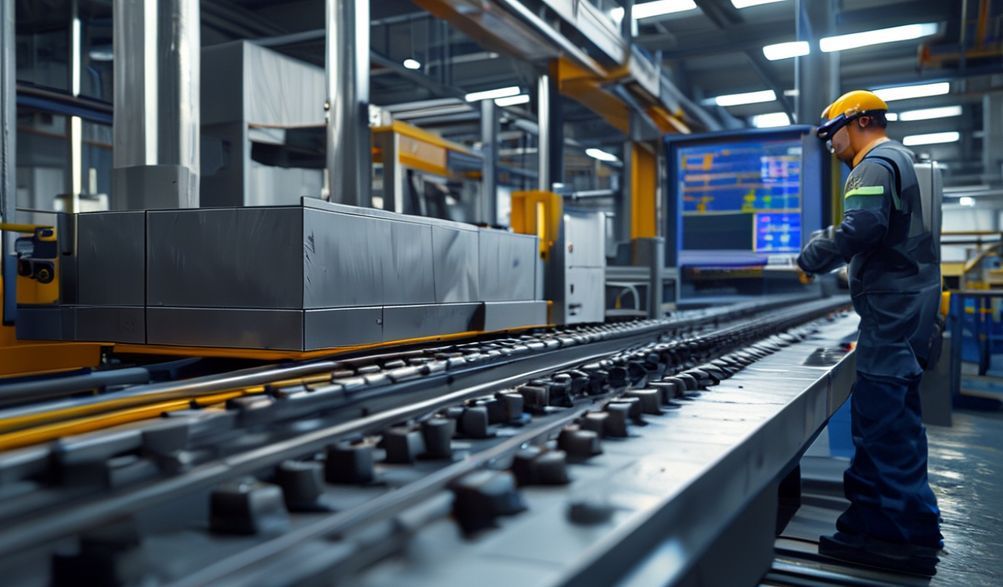
Что определяет цену машины для производства блоков? Экспертное руководство от завода FUDA.
Если вы ищете машину для производства блоков, вы, вероятно, столкнулись с ошеломляющим разбросом цен. Предложения могут отличаться на десятки тысяч долларов, что оставляет вас с одним ключевым вопросом:为什么制砖机价格差异如此之大?
Самый дешевый вариант — это выгодная покупка или скрытая головная боль в будущем? Не является ли самая дорогая машина избыточной для ваших нужд? Как покупатель, ваша цель не просто найти оборудование — а сделать стратегические инвестиции, которые будут обеспечивать прибыль и рост на долгие годы вперед.
ВФабрика по производству блоков FUDAМы привносим в этот диалог более чем двадцатилетний опыт прямого производства. Мы не просто продаем оборудование; мы разрабатываем производственные решения, которые внедряются и пользуются доверием по всему миру. Наш опыт показывает, что осведомленный покупатель — это успешный покупатель.
Это подробное руководство раскроет принципы ценообразования оборудования для производства блоков. Мы выйдем за рамки базовой стоимости и разберем ключевые факторы — от базовой конструкции и уровня автоматизации до долгосрочной поддержки — которые определяют реальные затраты. К концу вы поймете не толькоценникноценностное предложениеза ним, давая вам возможность принять уверенное и прибыльное инвестиционное решение.
Основные факторы, влияющие на цену станка для производства блоков
Первоначальное предложение, которое вы получаете, является результатом ряда важных инженерных и коммерческих решений. Понимание этих составляющих позволяет сравнивать предложения на равных условиях и выявлять реальную ценность.
1. Тип станка и производственная мощность
Это самый фундаментальный фактор, определяющий стоимость. Тип станка определяет его роль в вашем производстве — от простого инструмента до полноценной производственной системы.
-
Ручной против полуавтоматического против полностью автоматического:
- Ручные станки:Они управляются ручными рычагами для формовки и снятия. Это самый доступный вариант для начала работы, подходящий для очень небольших проектов или стартапов с достаточным количеством рабочей силы. Цена низкая, но так же низки производительность и стабильность результатов.
- Полуавтоматические станки:Это оптимальный вариант для многих растущих предприятий. Цикл формования блоков автоматизирован (часто с помощью гидравлического пресса), но перемещение и укладка блоков выполняются вручную. Они обеспечивают значительный рост производительности по сравнению с ручными машинами при умеренном повышении цены.
- Полностью автоматические машины:Это полные производственные линии. Они объединяют автоматическую подачу материала, формование, отверждение, укладку и палетирование под централизованным управлением ПЛК. Цена здесь наивысшая, но они обеспечивают максимальную производительность, стабильность и эффективность труда. Это инвестиция в масштабируемую производительность.
-
Выходная мощность (блоков в час):
Цена напрямую зависит от производительности. Машина, производящая 1 000 стандартных блоков в час (как нашаФУДА ФДМ-1000сконструирована иначе — с меньшими двигателями, более лёгкой рамой и упрощёнными системами — по сравнению с линией, рассчитанной на 10 000 блоков в час (как нашаФУДА FDL-10KБолее высокая производительность требует более надежных компонентов, мощной гидравлики и сложных систем управления, что увеличивает стоимость. -
Тип и размер блока:
Не все блоки созданы равными. Форма и механизм машины, необходимые для стандартного пустотелого блока, менее сложны, чем для брусчатки с замковым соединением, бордюрного камня или специализированной формы, такой как газонный блок.- Машины, способные производить несколько типов блоков с быстрой заменой форм, часто стоят дороже благодаря своей гибкой конструкции.
- Более крупные и плотные блоки требуют большего усилия прессования, что влечёт за собой необходимость в более мощной гидравлической системе и прочной раме, что влияет на цену.
2. Уровень автоматизации и технологий
«Интеллект» и уровень интеграции машины являются основными факторами, влияющими на её стоимость. Именно за точность, надёжность и долгосрочную перспективу вы платите.
-
Системы управления: The machine’s brain.
- Basic machines may use simple relay logic. They are cheaper but harder to troubleshoot and offer less control.
- Modern machines from reputable factories like FUDA use PLC (Programmable Logic Controller) systems, often with a touchscreen HMI (Human-Machine Interface). This premium adds cost but delivers precise control over vibration time, pressure, and cycle speed, easy diagnostics, and programmable recipes for different block types.
-
Material Handling Integration:
A standalone block maker is one cost. Integrating it into a seamless system is another.- Add-ons like automatic pan mixers, conveyor belts, batching plants, and robotic pallet stackers significantly increase the total price but transform your operation from manual batch production to continuous, streamlined manufacturing.
-
Энергоэффективность:
Advanced engineering can reduce long-term operating costs. Machines with variable-frequency drives (VFDs) on motors, optimized hydraulic circuits, and heat-recovery systems may have a higher upfront cost. However, they dramatically reduce electricity consumption, which is a major operational expense, improving your Total Cost of Ownership (TCO).
3. Build Quality & Component Sourcing
This is the “hidden” factor that separates a disposable machine from a decade-long workhorse. Two machines may look similar in a brochure, but their longevity and performance will be worlds apart.
-
Каркас и структура: The machine’s skeleton must withstand constant, high-vibration stress. FUDA machines use heavy-duty, reinforced steel plates and robotic welding to ensure structural integrity. A lighter, cheaper frame will flex and degrade, leading to misalignment and breakdowns.
-
Основные компоненты: The brands matter.
- Using premium, internationally recognized components (e.g., Siemens or Mitsubishi PLCs, Schneider electrics, Rexroth or Yuken hydraulics) ensures reliability, performance, and global serviceability. These come at a higher cost.
- Machines built with generic, no-name parts are cheaper initially but pose a much higher risk of failure and difficulty sourcing replacements.
-
Mold Quality & Durability:
The mold is the heart of the block shape. Standard steel molds wear quickly, especially with abrasive aggregates, leading to frequent, costly replacement and deteriorating block quality.- FUDA uses high-chromium alloy steel molds, hardened through specialized heat treatment. While more expensive upfront, they can last for millions of cycles, maintaining precise block dimensions and delivering a vastly lower cost per block over time.
Beyond the Sticker Price: The FUDA Value Proposition
Choosing a supplier based solely on the lowest initial quote is the most common and costly mistake in this industry. The true value of your investment is defined by what happens послепродажа.
1. Comprehensive After-Sales Service
A machine is useless if it’s not running. FUDA’s support structure is designed to maximize your uptime and return on investment.
- Установка и ввод в эксплуатацию: We don’t just ship a “machine-in-a-box.” Our optional service package includes sending our expert engineers to your site for professional installation, calibration, and commissioning to ensure the machine runs optimally from day one.
- Программы обучения: We provide hands-on training for your operators and maintenance staff. A well-trained team can prevent issues, perform basic upkeep, and recognize early warning signs, which is invaluable for productivity.
- Warranty & Spare Parts Network: A clear, comprehensive warranty provides peace of mind. More importantly, FUDA maintains a global inventory of genuine spare parts. Quick access to the right part minimizes costly downtime, protecting your production schedule.
2. Customization & Solution Design
Your local conditions are unique. FUDA acts as a partner, not just a vendor.
- Tailored to Your Needs: Our engineers will consult on your specific raw materials (e.g., fly ash, slag, local aggregate size). We can adjust mixers, vibration systems, and pressure settings to ensure you produce high-quality blocks from what you have available.
- Factory Layout Support: We offer guidance on designing an efficient production floor plan, considering the flow from raw material to finished block storage. This holistic approach ensures you get the most out of your machinery investment.
3. Total Cost of Ownership (TCO) vs. Initial Price
This is the most critical financial concept for a machinery buyer.
- TCO = Initial Purchase Price + Operating Costs (Energy, Labor) + Maintenance & Repair Costs – Residual Value.
- The Investment Case: A FUDA machine may have a higher initial price than a low-quality alternative. However, its higher build quality leads to less frequent breakdowns (lower repair costs). Its energy-efficient design reduces power bills. Its higher productivity and automation lowers labor costs per block. Its longer lifespan (10+ years) and durability give it a higher residual value.
- When calculated over 5-10 years, the machine with the lowest TCO is almost always the better-built, higher-productivity machine from a reputable factory like FUDA.
Navigating Your Purchase: A Step-by-Step Guide
Armed with the knowledge above, you can approach your purchase strategically.
1. Define Your Business Requirements
Start internally. Answer these questions clearly:
* What is my target daily/weekly production volume?
* What specific block types and sizes do I need to produce?
* What is my available factory space and ceiling height?
* What is my realistic budget range (consider financing)?
* What are my local costs for labor and electricity?
2. How to Compare Quotes Effectively
When quotes arrive, look beyond the bottom line.
* Red Flags to Avoid: Vague specifications (“hydraulic system”), no list of component brands, prices that seem unrealistically low, and pressure to decide immediately.
* Key Comparison Actions:
* Create a spreadsheet. List each quoted model and compare specifications line-by-line: capacity, motor power, hydraulic pressure, component brands, mold material, etc.
* Compare warranty length and scope. What is covered? What is the process?
* Clarify what is included in the price (FOB? CIF? Installation?).
3. The Importance of Factory Visits & References
If possible, visit the manufacturer’s factory. At FUDA, we welcome clients to see our production process, quality control, and R&D facilities firsthand.
* Ask for and contact references from past clients in a similar region or business. Inquire about machine performance, reliability, and the quality of after-sales support.
Раздел часто задаваемых вопросов
Q1: What is the starting price for a basic blocks making machine from FUDA?
А: Prices are highly configuration-dependent. A small manual or semi-automatic machine can start in the range of $5,000 – $20,000. Mid-range semi-automatic to automatic models typically range from $25,000 – $80,000. Large, fully integrated automatic production lines are a significant investment starting from $100,000+. Contact our team with your specific output and automation needs for a precise, no-obligation quote.
Q2: Does the quoted price include installation and training?
А: FUDA believes in transparent pricing. Our standard FOB (Free On Board) quote includes the machine, a set of standard spare parts, and operation/maintenance manuals. On-site installation, commissioning, and comprehensive training are offered as a highly recommended, value-added service package. This ensures your investment is fully optimized from the first day of operation.
Q3: How long does a FUDA blocks machine typically last?
А: With proper operation and routine maintenance using genuine FUDA parts, our machines are engineered for a minimum lifespan of 10-15 years. The robust construction of the frame and critical components is designed for industrial endurance, providing a stable return on investment over the long term.
Q4: Can you customize a machine for a specific block design?
А: Absolutely. Customization is one of our core strengths. Whether you have a unique paver design, a special hollow block dimension, or need to use a particular raw material mix, our engineering team can design custom molds and adjust machine parameters. Simply share your block sample or technical drawing with us for a feasibility study.
Q5: What payment terms does FUDA offer?
А: We offer secure, standard international trade terms suitable for machinery export, including Telegraphic Transfer (T/T) and Letter of Credit (L/C). Specific payment schedules (e.g., deposit before production, balance before shipment) can be discussed and agreed upon based on the total order value and project scope.
Заключение
As we’ve explored, the “blocks making machine price” is not a single number but a synthesis of capacity, technology, quality, and long-term partnership. It represents the balance between your immediate investment and your future profitability.
At FUDA Block Making Factory, we invest in engineering excellence, premium components, and unwavering customer support. We believe our role is to be a partner in your growth, ensuring the machine you buy today becomes the foundation of your success for the next decade.
Ready to get a transparent, detailed quotation tailored to your specific project goals?
Contact FUDA’s engineering sales team today with your production requirements for a personalized consultation.
Want to explore our models in detail first?
Download our comprehensive machine catalog and technical specification sheets to compare features and capacities at your own pace.