
Экономические показатели и модели роста в строительстве
Строительный сектор Кении сохраняет среднегодовые темпы роста на уровне 6-8% в течение последних пяти лет, значительно опережая общее экономическое развитие. Эта динамика обусловлена несколькими ключевыми факторами: ежегодный прирост населения более чем на 2%, рост уровня урбанизации свыше 4% в год и устойчивые государственные инвестиции в развитие инфраструктуры. Программа доступного жилья, являющаяся краеугольным камнем "Большой четверки" Кении, предусматривает строительство более 500 000 жилых единиц, создавая значительный спрос на стандартизированные строительные материалы. Параллельно проекты транспортной инфраструктуры, включая Найробийскую скоростную автомагистраль, расширение железной дороги стандартной колеи и многочисленные инициативы по модернизации дорог, требуют постоянных поставок качественных блоков и материалов для мощения. Эти макроуровневые изменения создают благоприятную среду для поставщиков каменной кладки, хотя успешное проникновение на рынок требует понимания региональных особенностей и сегментации клиентов.
Нормативная среда и требования соответствия
Кенийский рынок функционирует в рамках всё более структурированной нормативной базы, которая существенно влияет на спецификации оборудования и деловые операции. Национальное управление строительства (NCA) обязывает регистрировать и классифицировать строительных специалистов и предприятия, создавая стандарты качества, которые распространяются и на поставщиков материалов. Кенийское бюро стандартов (KEBS) обеспечивает сертификацию продукции через знаки стандартизации, особенно для материалов, используемых в государственных проектах. Экологические нормы, регулируемые Национальным управлением по охране окружающей среды (NEMA), всё больше ограничивают традиционные методы производства глиняных кирпичей, поощряя внедрение альтернативных технологий с использованием устойчивых материалов, таких как зола-унос и карьерная пыль. Недавние поправки к строительным нормам подчеркивают сейсмостойкость в определенных регионах, требуя точных размеров блоков и стабильной прочности на сжатие, что может гарантировать только качественное оборудование. Понимание этих регуляторных факторов необходимо для продвижения оборудования, которое обеспечивает соответствие требованиям и доступ на рынок.
Технические характеристики и эксплуатационные особенности
Силовые системы и адаптация энергетики
Разнообразие энергетической инфраструктуры Кении требует тщательного учёта энергопотребления оборудования в различных рабочих условиях. В то время как городские центры, такие как Найроби и Момбаса, пользуются относительно стабильным электроснабжением от сети, сельские и пригородные районы сталкиваются с частыми перепадами напряжения и отключениями. Успешные конфигурации оборудования обычно включают несколько вариантов электропитания, в том числе:
- Возможности подключения к трехфазной сети (400В/50Гц)
- Совместимость интегрированных генераторов с автоматическими переключателями резерва
- Энергоэффективные конструкции с частотно-регулируемыми приводами
- Гибридные солнечные решения для удалённых объектов
Оборудование с потреблением 15-75 кВт·ч демонстрирует оптимальную эксплуатационную экономику, обеспечивая баланс между производственной мощностью и затратами на электроэнергию, которые в среднем составляют 15-20 кенийских шиллингов за кВт·ч для промышленных потребителей. Техника, оснащённая системами коррекции коэффициента мощности и защиты от скачков напряжения, характеризуется значительно более низким уровнем отказов и затратами на обслуживание.
Оптимизация производственных мощностей и выпуска продукции
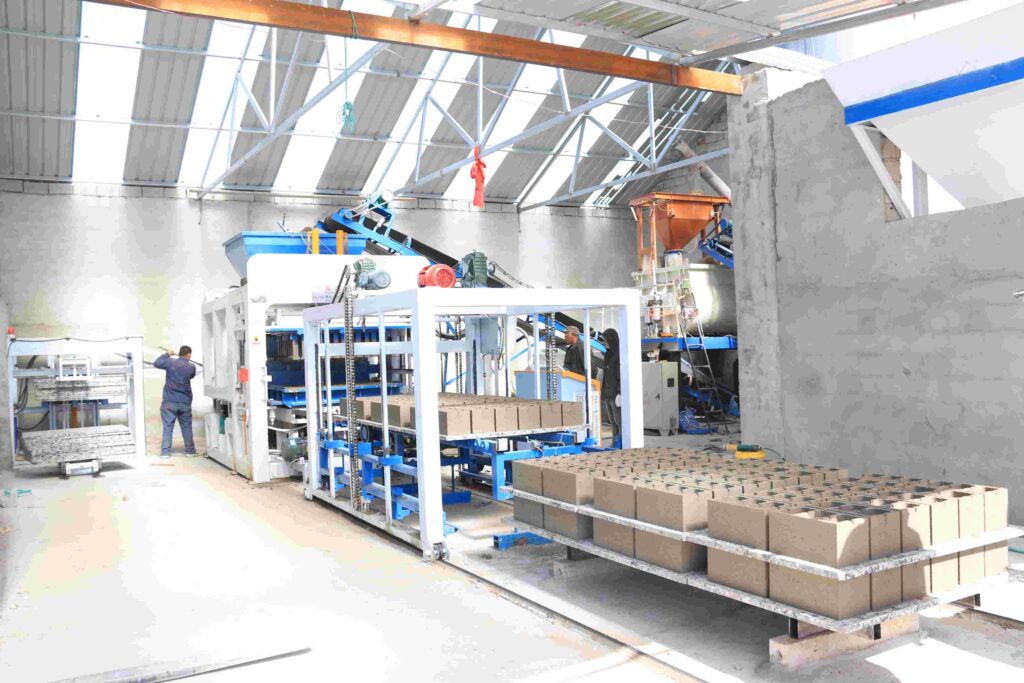
Анализ рынка выявляет различные уровни производства, соответствующие разным бизнес-моделям и объемам инвестиций. Начальные ручные и полуавтоматические машины, производящие 800–3000 блоков в день, обслуживают мелких подрядчиков и индивидуальных предпринимателей и обычно требуют 3–6 операторов. Средние автоматические установки, выпускающие 3000–12 000 блоков в сутки, ориентированы на стабильные блоковые дворы и строительные компании, поставляющие материалы для нескольких проектов, и часто управляются персоналом из 2–4 человек. Высокопроизводительные полностью автоматизированные заводы, производящие более 12 000 блоков за смену, предназначены для производителей промышленного масштаба, обслуживающих крупные инфраструктурные проекты и экспортные рынки, и часто включают роботизированную обработку и компьютеризированный контроль качества. Наиболее успешные поставщики оборудования предлагают модульные конструкции, позволяющие наращивать мощность по мере расширения бизнеса, что защищает первоначальные инвестиции и поддерживает траектории роста.
Развитие дистрибьюторской сети и проникновение на рынок
Channel Partner Selection and Management
Building effective distribution channels requires systematic evaluation of potential partners across multiple criteria. Successful market entrants typically implement a phased approach beginning with strategic partners in Nairobi and Mombasa before expanding to secondary markets in Kisumu, Nakuru, and Eldoret. Key selection parameters include:
- Demonstrated technical capability and workshop facilities
- Financial stability and creditworthiness
- Existing customer relationships and market reputation
- Service delivery capacity and spare parts management
- Alignment with supplier quality standards and business ethics
Structured partner agreements should clearly define performance expectations, territorial rights, support responsibilities, and exit clauses while allowing flexibility for local market adaptations.
After-Sales Service Infrastructure and Support Systems
The development of robust after-sales support capabilities represents a critical competitive differentiator in the Kenyan market. Service network planning must account for geographic challenges and infrastructure limitations, with strategic placement of service centers within 4-8 hours of major customer concentrations. Comprehensive support systems typically include:
- Central spare parts depot in Nairobi with regional satellite inventories
- Mobile service units equipped for on-site repairs and maintenance
- Technical hotline with multilingual support capacity
- Preventive maintenance contracts with guaranteed response times
- Operator training programs conducted quarterly
Implementation of digital platforms for service request management, parts ordering, and technician dispatch significantly improves service efficiency and customer satisfaction metrics.
Strategic Market Positioning and Competitive Analysis
Value Proposition Development and Customer Education
Successful market positioning requires translating technical specifications into tangible customer benefits aligned with local business priorities. Equipment reliability must be demonstrated through performance guarantees backed by local reference cases showing minimum 85% operational availability. Return on investment calculations should incorporate local cost structures including labor rates (KES 500-1,200 daily), material costs (KES 4,000-8,000 per cubic meter of aggregate), and energy expenses. Customer education initiatives prove particularly effective when combining technical training with business development guidance, covering topics like production costing, quality management, and market identification. Demonstration centers in strategic locations provide powerful platforms for building customer confidence through hands-on experience and visible performance validation.
Financing Solutions and Market Expansion
Addressing the financing challenge dramatically expands the addressable market beyond cash purchasers. Successful suppliers typically develop multiple financing pathways including:
- Partnerships with local banks for equipment loans with 30-40% down payment
- Supplier-supported installment plans with 6-24 month terms
- Leasing arrangements through specialized financial institutions
- Microfinance linkages for small-scale entrepreneurs
- Government program alignments for affordable housing suppliers
Collaboration with development institutions like the Kenya Industrial Estates and Youth Enterprise Development Fund creates additional channels for reaching underserved market segments while supporting social development objectives.
Заключение
The Kenyan brick and block making machinery market presents substantial opportunities for suppliers who combine quality equipment with deep market understanding and sustainable business practices. Success requires balancing technical excellence with practical adaptability, addressing both immediate production needs and long-term business growth requirements. The convergence of infrastructure development, urbanization trends, and regulatory evolution creates favorable market conditions that will likely persist through the medium term. Equipment suppliers who invest in developing strong local partnerships, robust support infrastructure, and flexible business models will be best positioned to capitalize on these opportunities. The market’s ongoing maturation towards higher quality standards and more sophisticated production methods ensures continued demand progression from basic equipment to comprehensive production solutions. Strategic market entry and systematic expansion, guided by local intelligence and customer-centric approaches, will yield sustainable growth in this promising East African market.
Frequently Asked Questions (FAQ)
Q1: What are the typical installation and commissioning requirements for block making machines in Kenya?
А: Professional installation requires a level concrete foundation of specified thickness (usually 150-300mm), adequate power connection with proper earthing, and compressed air supply where applicable. Commissioning typically takes 3-5 days including machine assembly, power connection, test runs, and operator training. Suppliers generally provide detailed site preparation guidelines and conduct pre-installation inspections. Most reputable suppliers include basic installation in equipment pricing while complex foundations and special power requirements may incur additional costs.
Q2: How does equipment performance vary with Kenya’s diverse raw material qualities?
А: Equipment performance is significantly influenced by raw material characteristics including aggregate hardness, moisture content, and particle size distribution. Machines with adjustable vibration frequency (40-70 Hz) and pressure settings (100-300 kN) handle material variations most effectively. Successful operations typically implement strict material screening and consistent mix proportions. Equipment with wear-resistant components and easy adjustment mechanisms maintains better performance with variable material qualities. Most suppliers offer material testing and machine calibration services during commissioning.
Q3: What warranty and service level agreements are typical in the Kenyan market?
А: Standard warranties typically cover manufacturing defects for 12 months from commissioning, excluding wear parts and damage from improper operation. Comprehensive service agreements usually guarantee 48-hour response times for major breakdowns and include quarterly preventive maintenance visits. Emergency support contracts with 24-hour response commitments are available in major urban centers. Many suppliers offer extended warranty options covering specific components for up to 36 months, with pricing typically ranging 5-15% of equipment value annually.
Q4: How does Kenyan climate and altitude affect equipment operation and maintenance?
А: High altitude locations (1,500-2,500 meters above sea level) may require adjustments to combustion engines and compression ratios. Coastal regions with high humidity necessitate enhanced corrosion protection, particularly for electrical components and hydraulic systems. Dusty conditions in arid areas demand improved filtration systems for hydraulics and enhanced bearing protection. Equipment designed with tropicalized components, UV-resistant materials, and adequate cooling capacity demonstrates superior performance across Kenya’s diverse climatic conditions.
Q5: What training and knowledge transfer do successful equipment suppliers provide?
А: Comprehensive training programs typically include 5-7 days of initial training covering operation, routine maintenance, basic troubleshooting, and safety procedures. Advanced technical training for maintenance staff extends 10-14 days focusing on hydraulic systems, electrical controls, and mechanical adjustments. Many suppliers now offer mobile-based learning modules for ongoing skill development. Successful knowledge transfer programs combine theoretical understanding with practical hands-on experience using actual production materials, with competency assessment and certification upon completion.
