
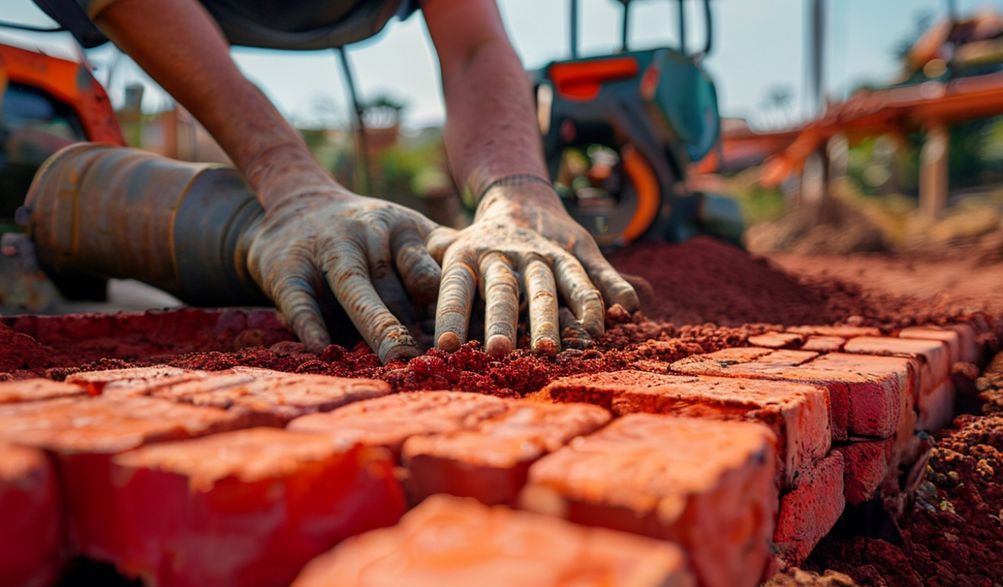
Цена на машину для производства блоков с замковым соединением в Кении 2026: Полное руководство для покупателей
Введение
Строительный сектор Кении переживает бум, ежегодные темпы роста которого стабильно опережают экономику в целом. В центре этого расширения лежит активный поиск инновационных, экономически эффективных и экологичных строительных материалов. Именно здесь появляются блоки с замковым соединением — технология, меняющая представления о строительстве. Однако ключом к этой инновации является машина для их производства, и понимание необходимых инвестиций — это первый решающий шаг.
Традиционное производство кирпича часто ассоциируется с высокими трудозатратами, длительными сроками изготовления и значительным ущербом для окружающей среды. Сцепляющиеся кирпичи, не требующие раствора для укладки, представляют собой убедительное современное решение. Однако выбор подходящей машины для их производства на рынке может оказаться сложной задачей, учитывая разброс цен от нескольких тысяч до миллионов кенийских шиллингов.
Это всеобъемлющее руководство создано, чтобы развеять путаницу. Мы не просто перечислим цены — мы предоставим вам аналитическую основу для их понимания. Собранный на основе обширного исследования рынка, прямого взаимодействия с отраслью и практических инсайтов, этот пост станет вашим надежным источником информации. Мы изучим технологию, разберем факторы, влияющие на стоимость, предоставим реалистичные ценовые диапазоны на 2026 год и снабдим вас знаниями, чтобы сделать продуманные инвестиции, соответствующие целям вашего проекта и бизнес-видению.
Технология взаимосвязанных блоков
Что такое блокирующиеся кирпичи и как они работают?
Взаимосцепляющиеся кирпичи, точнее называемые стабилизированными грунтовыми блоками (ССБ), представляют собой спрессованные земляные блоки с уникальной системой выступов и пазов. Эта конструкция позволяет им соединяться, как элементы пазла, что исключает необходимость использования влажного раствора при возведении стен.
- The Benefits Are Clear:
- Скорость: Walls go up 2-3 times faster than with conventional bricks.
- Экономия затрат: Significant reduction in material costs (no sand or cement for mortar) and labor.
- Сила: High compression yields a dense, durable block with consistent quality.
- Устойчивое развитие: Uses locally available soil (often 90-95% of the mix), minimizes cement use, and has a low carbon footprint.
- Теплоизоляция: The earth composition provides natural temperature regulation, keeping interiors cooler.
The Role of the Machine in Stabilized Soil Block (SSB) Production
The interlocking bricks machine is the engine of this process. Its primary function is to compress a mixture of damp soil (with specific clay/silt/sand ratios) and a small percentage of stabilizer—usually cement (5-10%) or lime—into a high-density block.
- Основной процесс: The machine applies immense pressure, either manually via a lever or automatically via a hydraulic system, to compact the mixture within a mold. This compression creates a strong, interlocking block that cures through drying rather than firing, saving energy.
Key Factors Determining Interlocking Bricks Machine Price in Kenya
The price tag on a machine is a direct reflection of its capabilities and build. Understanding these variables will help you decode any quotation you receive.
Производственная мощность (блоков в час/день)
This is the most significant price driver. Output dictates the machine’s scale and complexity.
* Ручные прессы: Produce 100-500 blocks per day. Low output, lowest price.
* Полуавтоматические станки: Produce 300-1,500 blocks per day. Moderate output, mid-range price.
* Полностью автоматические машины: Produce 2,000-10,000+ blocks per day. High output, premium price.
Machine Type and Operation Mode
- Manual Presses (e.g., Makiga): Operated by hand levers. Ideal for very small-scale projects, NGOs, or individual homes. Prices are lowest, but physical labor is high.
- Electric/Petrol/Diesel Powered Machines: These power the compression mechanism.
- Электрический: Cleaner, quieter operation for areas with stable grid power.
- Petrol/Diesel: Offers mobility and independence from the electrical grid, crucial for remote sites. Fuel costs add to operational expenses.
- Hydraulic vs. Mechanical Systems: Hydraulic systems (using fluid pressure) offer smoother, more powerful compression and are common in semi and fully automatic machines. Mechanical systems (lever-based) are simpler and cheaper.
Brand, Origin, and Quality of Build
- Locally Fabricated Machines: Kenyan fabricators offer significant advantages in price, easier communication, and faster access to spare parts and service. Quality can vary, so due diligence is key.
- Imported Brands (China, India, etc.): Often introduce advanced technology and high-volume capacity. However, prices are higher, and you must factor in longer lead times for spare parts, potential language barriers, and the reliability of local Kenyan after-sales support.
Level of Automation and Features
A basic block press is just the start. Added features increase price but also efficiency:
* Integrated Pan Mixers: Ensure consistent, homogenous mixing of soil and cement.
* Конвейерные ленты: Automate the movement of raw material or finished blocks.
* Programmable Logic Controllers (PLC): Allow for automated, precise operation in high-end models.
* Multiple Mold Options: The ability to quickly switch between different block designs (e.g., straight, corner, half-blocks).
Supplier and After-Sales Service
A machine is a long-term investment. A supplier who offers robust after-sales support adds immense value that justifies a potentially higher initial price.
* Гарантия: Look for at least a 1-year warranty on major components.
* Обучение: On-site training for your operators is non-negotiable.
* Техническая поддержка Access to a technician for troubleshooting, either on-site or via phone.
* Spare Parts Inventory: A supplier with a local stock of common wear-and-tear parts (like seals, molds, and hydraulic hoses) will minimize your downtime.
Detailed Price Breakdown of Interlocking Bricks Machines in Kenya (2026)
Please note: The following are estimated price ranges for 2026 based on current market trends, inflation, and forex projections. Always get multiple, detailed quotations from suppliers.
Entry-Level / Manual Machines Price Range
- Price Bracket: KES 15,000 – KES 70,000
- What You Get: These are purely manual lever-operated presses. Brands like Makiga are popular in this category. Ideal for personal projects, community initiatives, or micro-enterprises testing the market. Daily production is limited by operator stamina.
Mid-Range / Semi-Automatic Machines Price Range
- Price Bracket: KES 80,000 – KES 500,000
- What You Get: This is the most dynamic segment, featuring diesel, petrol, or electric-powered machines. They often include a hydraulic system and a basic mixer. Output is suitable for small to medium-sized construction businesses, real estate developers, and block supply ventures. You can expect better consistency and less physical labor than manual presses.
High-Capacity / Automatic Machines Price Range
- Price Bracket: KES 500,000 – KES 3,000,000+
- What You Get: These are industrial-grade plants designed for large-scale commercial production. They feature high levels of automation (PLC controls), integrated mixing and conveying systems, and very high output. The target market includes large block manufacturing yards, county government projects, and major contractors.
Важное предупреждение: Final prices are subject to foreign exchange rates (for imported machines), supplier location within Kenya, specific configuration choices, and negotiation. The prices above are guides—your actual quote may vary.
Beyond the Machine: Calculating Your Total Investment
The machine’s sticker price is just the beginning. A realistic budget accounts for the entire ecosystem of production.
Hidden and Operational Costs to Consider
- Миксер: If not included, a good pan mixer can cost KES 30,000 – KES 150,000.
- Transport & Installation: Factor in delivery costs and any site preparation or foundation work.
- Сырье: Budget for soil testing (recommended), cement (5-10% of mix), and possibly color pigments.
- Power/Fuel: Calculate daily diesel, petrol, or electricity consumption.
- Труд: Wages for machine operators, mixers, and block handlers.
- Maintenance: Set aside a monthly budget (e.g., 5-10% of machine cost annually) for routine servicing and spare parts.
Analyzing Return on Investment (ROI)
A simple ROI framework can guide your decision:
1. Calculate Total Investment: Machine price + all setup and operational costs for the first month.
2. Determine Production Capacity: Blocks per day your machine can realistically produce.
3. Set Your Sale Price: Research the market price per interlocking block in your region (typically KES 25 – KES 50 per block).
4. Project Monthly Revenue: (Daily Output x Sale Price x Working Days).
5. Subtract Monthly Operational Costs (materials, labor, power, etc.) from revenue to get net profit.
6. Break-Even Point: Divide your Total Investment by your estimated Monthly Net Profit. This gives you the number of months to recover your initial outlay.
How to Choose the Right Machine for Your Needs in Kenya
Assess Your Project Scale and Business Goals
Спроси себя:
* How many blocks do I need per day for my current project?
* Is this a one-off project or an ongoing business?
* What are my growth plans for the next 2-3 years?
* What is my total available budget (including hidden costs)?
Source Reputable Suppliers in Kenya
- Where to Look: Industrial areas in Nairobi (Athi River, Ruiru), Mombasa, and Kisumu. Online platforms like Jiji.co.ke or Kenya Industrial Research and Development Institute (KIRDI) directories can be starting points.
- Red Flags: Suppliers with no physical address, who refuse a demonstration, offer prices drastically below market average with no explanation, or cannot provide references or clear warranty terms.
The Essential Pre-Purchase Checklist
- Insist on a Live Demo: See the machine running, preferably with your own soil sample.
- Get Customer References: Talk to past buyers about their experience with the machine and the supplier’s service.
- Review Warranty & Support: Get warranty terms in writing. Clarify what is covered, for how long, and the process for technical support.
- Compare Total Cost of Ownership: The cheapest machine may have the highest maintenance costs and shortest lifespan. Factor in durability and part availability.
Frequently Asked Questions (FAQ) on Interlocking Bricks Machine Prices in Kenya
Q1: What is the cheapest interlocking bricks machine available in Kenya?
А: The cheapest options are manual lever presses, which can start from around KES 15,000. However, remember that “cheapest” also means the highest physical labor input and the lowest output. It’s a trade-off suitable for very small-scale applications.
Q2: Can I get a quality machine under KES 100,000?
А: Absolutely. In this range, you can find robust manual presses and some small, basic semi-automatic models (often petrol-powered). “Quality” here means a well-fabricated machine with good welding, standard mold sizes, and availability of spare parts from the supplier.
Q3: Are imported machines better than locally made ones in Kenya?
А: Not necessarily “better,” but different. Imported machines may offer more advanced technology for high-volume production. Locally fabricated machines excel in ease of service, customization for local soils, and faster part replacement. The best choice depends on your specific needs for output, technology, and support.
Q4: Besides the machine price, what legal requirements are there in Kenya?
А: You will need a business license from your county government. If you are contracting, registration with the National Construction Authority (NCA) is mandatory. Also, ensure your production site complies with local land-use and environmental guidelines.
Q5: Where can I get training on operating and maintaining the machine?
А: A reputable supplier should provide comprehensive on-site training upon installation. For broader skills, consider short courses in construction technology offered by institutions like the National Industrial Training Authority (NITA) or technical training colleges.
Заключение
Investing in an interlocking bricks machine in Kenya is a strategic decision that hinges on much more than just the initial price tag. As we’ve explored, the final cost is a symphony of factors: production capacity, level of automation, build quality, and, critically, the reliability of the supplier’s after-sales service. The “right” machine isn’t the most expensive one; it’s the one that perfectly aligns with your project’s scale, your business ambitions, and your total budget.
We recommend viewing this purchase not as an expense, but as a foundational business investment. Prioritize long-term reliability and support over short-term savings. Use this guide as your benchmark when engaging with suppliers, asking the right questions, and scrutinizing quotations. By doing so, you position yourself not just as a buyer, but as a savvy entrepreneur building for the future of Kenya’s construction landscape.
Have experiences or more questions about interlocking bricks machines in Kenya? Share your thoughts below—let’s continue building this knowledge base together. Our commitment remains to provide accurate, deeply researched, and practical information to empower your decisions in Kenya’s vibrant building sector.
<