Введение в технологию производства мобильных кирпичей
В меняющемся глобальном строительном ландшафте доступность и операционная гибкость стали столь же ценными, как и объем производства. На сцену выходит машина для укладки кирпича — категория оборудования, отличная от крупных стационарных заводов, предназначенная для производства на месте и децентрализованных моделей изготовления. Эта техника, характеризующаяся портативностью и простотой эксплуатации, представляет собой значительную рыночную возможность для дистрибьюторов, ориентированных на малые и средние предприятия (МСП), сельских застройщиков и строительные проекты, сфокусированные на сообществах.
Подробный анализ технологии укладки кирпичных машин
1.1 核心运行机制与显著特征
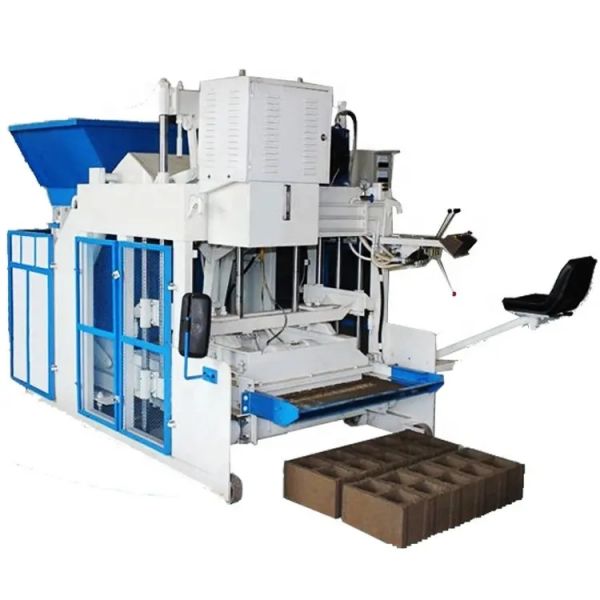
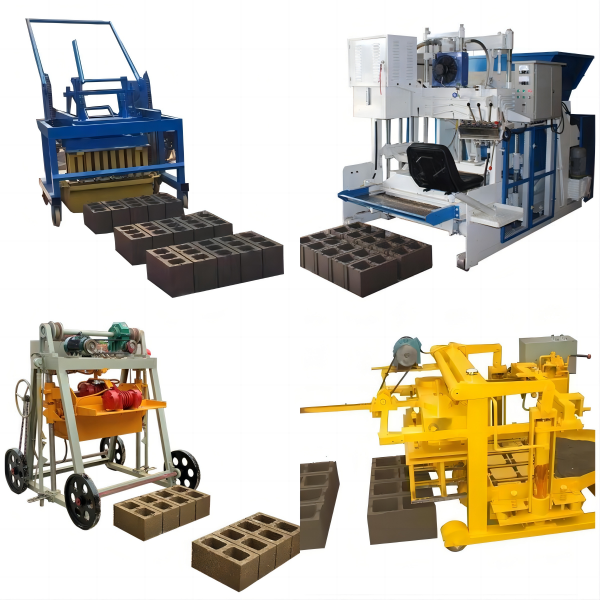
В отличие от полностью автоматизированных аналогов, машина для укладки кирпича работает по принципу локализованного, партионного производства. Её отличительной чертой является мобильность; всю установку можно легко перемещать по строительной площадке или на новый объект, часто без необходимости разборки.
- Процесс «Укладки» Разъяснен:Термин "укладка" используется в прямом смысле. Машина устанавливается на выровненную поверхность или подготовленную бетонную плиту. Оператор заполняет камеру формы подготовленной бетонной смесью. Затем приводится в действие механический рычаг или компактная гидравлическая система, создающая значительное давление для уплотнения материала. После формирования кирпича машину поднимают или откатывают, "укладывая" свежесформованный сырец непосредственно на грунт в точном месте его твердения. Это исключает необходимость в сложных конвейерных системах или роботах для паллетирования.
- Упрощение обработки материалов и рабочих процессовПроизводственный процесс линейный и несложный. Сырье (цемент, грунт или песок) смешивается в центральном, часто ручном, бетоносмесителе. Затем смесь транспортируется к месту расположения машины. Цикл заполнения, уплотнения и укладки повторяется, при этом машина движется назад по прямой линии, оставляя за собой готовые кирпичи. Этот метод значительно сокращает необходимость транспортировки кирпичей перед отверждением, оптимизируя рабочий процесс на месте.
- Ключевые компоненты дизайна:Архитектура машины прочна, но проста. Обычно она состоит из прочной стальной рамы, прецизионно изготовленной формовочной камеры (часто способной производить несколько кирпичей за цикл), механизма уплотнения (ручного, механического или гидравлического) и простой системы выталкивания. Конструкция отдает приоритет долговечности и простоте использования, а не сложной автоматизации, что обеспечивает машине длительный срок службы и минимальное количество точек технического обслуживания.
1.2 市场定位与理想应用场景
Машина для укладки кирпича занимает особую и важную нишу в строительной экосистеме, обслуживая сегменты, где крупные заводы непрактичны или нерентабельны.
- 农村和偏远地区建设的冠军:В регионах со слаборазвитой инфраструктурой или ограниченным доступом к централизованным поставщикам кирпича эта машина позволяет наладить местное производство. Сообщества могут изготавливать собственные строительные материалы, используя местную почву или песок, что способствует самообеспечению и значительно сокращает транспортные расходы.
- Двигатель малого предпринимательства:Для индивидуальных предпринимателей низкие капиталовложения, необходимые для станка по укладке кирпича, представляют собой привлекательную бизнес-возможность. Один человек может организовать небольшой кирпичный двор, производя кирпичи по запросу для местных застройщиков жилья, проектов по возведению ограждений и небольших коммерческих сооружений, создавая тем самым устойчивое микро-предприятие.
- Решение для производства по требованию на месте:Для строительных проектов, где точное количество кирпичей неизвестно или где выгодно производство по принципу "точно в срок", эта машина является идеальным решением. Она позволяет подрядчикам производить кирпичи непосредственно на строительной площадке, обеспечивая идеальное соответствие партий кирпичей для одного проекта, а также устраняя проблемы с отходами материалов и их хранением.
- Специализированные приложения и ликвидация последствий стихийных бедствий:Его портативность делает его подходящим для производства специализированных кирпичей для ландшафтного дизайна, садовых дорожек и малой инфраструктуры. Кроме того, в сценариях восстановления после стихийных бедствий эти машины могут быть быстро развернуты для местного производства строительных материалов, ускоряя восстановительные работы.
1.3 Стратегические преимущества для дистрибьюторов и конечных пользователей
Комерческая привлекательность машины для укладки кирпича основана на низких барьерах для входа и высокой операционной гибкости.
- Минимальные первоначальные капитальные затраты: This is the most significant advantage. The cost of a single laying brick machine is a fraction of that of a semi- or fully-automatic system, making it an accessible product for a vast segment of the market. For distributors, this means a larger potential customer base and faster sales cycles.
- Unmatched Operational Flexibility and Low Overhead: The machine does not require a dedicated factory shed or a permanent concrete foundation. It can operate in open spaces, requiring only a source of raw materials and a few square meters of level ground. This results in extremely low setup and overhead costs for the end-user.
- Reduced Reliance on Complex Logistics and Energy Grids: Since production is decentralized and the bricks are cured in place, the complex logistics of transporting fragile green bricks are eliminated. Furthermore, most models are entirely mechanical or use low-power hydraulics, making them suitable for operation in areas with unreliable or no electricity.
- Robust Construction and Ease of Maintenance: With fewer moving parts and no sophisticated electronics, these machines are inherently durable. Maintenance is straightforward, often requiring only basic tools and mechanical knowledge. This translates to high machine uptime, customer satisfaction, and a lower burden on the distributor’s after-sales service network.
1.4 Critical Technical and Commercial Evaluation Parameters
For a distributor or procurement manager, assessing the quality and suitability of a laying brick machine requires a focused set of criteria.
- Production Output and Cycle Time: Output is measured in bricks per day rather than per hour. A critical metric is the cycle time—how long it takes to produce one batch of bricks (e.g., 3-5 bricks) and reposition the machine. A faster cycle time directly increases daily yield.
- Build Quality and Material Specifications: The quality of the steel used in the frame and mold determines the machine’s longevity. The hardness and precision of the mold liners are crucial for producing bricks with consistent dimensions and smooth surfaces. A robust vibration system (if present) ensures proper compaction.
- Versatility in Product Output: Many modern laying-type machines come with interchangeable molds. A single base unit can potentially produce solid blocks, hollow blocks, and paving stones. This versatility increases the value proposition for the end-user, allowing them to serve diverse customer needs.
- Ergonomics and Operator Safety: The design should prioritize operator safety and ease of use. Features like ergonomic lever handles, safety guards on moving parts, and a design that minimizes strenuous lifting are important differentiators that reduce the risk of workplace injury and operator fatigue.
Заключение
The laying brick machine is a testament to the principle that appropriate technology can be as transformative as high-tech solutions. It democratizes the production of construction materials, placing the capability to manufacture bricks directly into the hands of small entrepreneurs, rural communities, and pragmatic contractors. For distributors and B2B stakeholders, this segment represents a dynamic and resilient market less susceptible to the economic fluctuations that can affect large-scale industrial projects. By understanding the unique operational logic, target applications, and commercial drivers of the laying brick machine, businesses can effectively cultivate a valuable and growing customer base, providing them with the tools to build not just structures, but sustainable local economies.
Frequently Asked Questions (FAQ)
Q1: What is the primary difference between a “laying” machine and a “stationary” block making machine?
A: The core difference lies in mobility and brick handling. A laying machine is mobile, compacting and then ejecting bricks directly onto the ground for curing. A stationary machine is fixed in place, requiring a system to transport the freshly molded (green) bricks to a separate curing area, often involving pallets, racks, or conveyor belts.
Q2: What is the typical production output a single operator can achieve with a manual laying machine?
A: Output is highly dependent on the operator’s efficiency and the machine’s cycle time. A skilled operator using a manual machine producing 3-4 bricks per cycle can typically manufacture between 500 and 1,000 bricks in an 8-hour workday. Hydraulically-assisted models can increase this output.
Q3: Are the bricks produced by these machines of sufficient quality for permanent residential construction?
A: Yes, provided the correct raw material mix and compaction pressure are used. The bricks must be properly cured, typically by keeping them moist and covered for a minimum of 7-14 days. It is recommended that sample bricks be tested for compressive strength at a local laboratory to ensure they meet regional building standards.
Q4: What kind of raw material mix is required for optimal performance?
A: These machines are versatile but work best with a semi-dry concrete mix. A common ratio is 1 part cement to 6-8 parts of a well-graded aggregate (such as a mix of sand and fine gravel). The mixture must have just enough moisture to hold its shape when compacted but not be wet or sloppy.
Q5: What does the typical after-sales support package for this category of machine include?
A: A comprehensive support package should include detailed operational manuals, a set of basic tools, and a starter kit of critical wear parts (like replacement mold liners or seals for hydraulic models). Additionally, suppliers should offer remote troubleshooting support and ready access to a catalog of spare parts.
Q6: Can these machines be easily exported and used in different international markets?
A: Absolutely. Their simple design, lack of dependency on specific voltage standards, and robust construction make them ideal for export. The main considerations are ensuring the accompanying documentation is in the local language and that the distributor has a clear understanding of the local demand for specific brick sizes and types to supply the correct molds.