
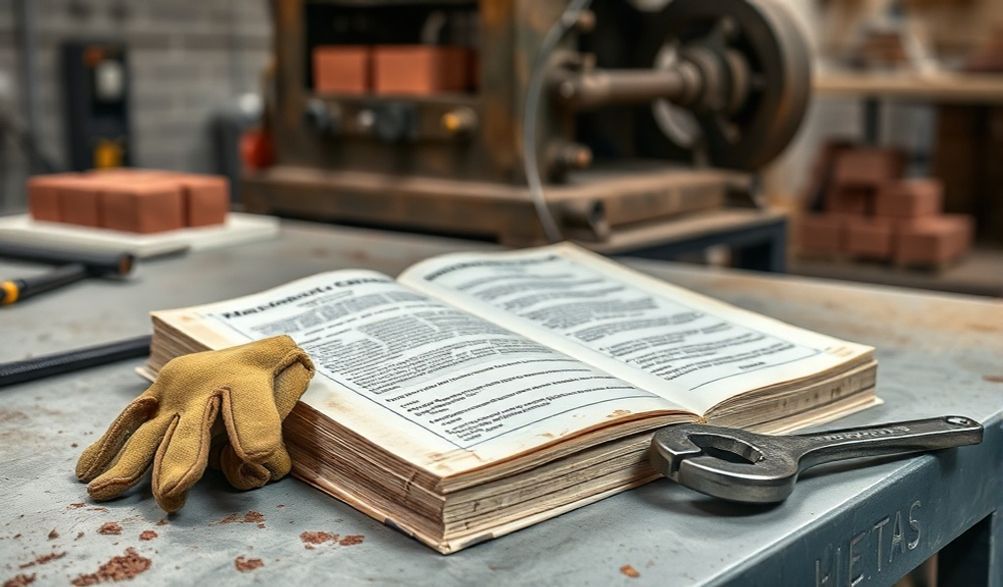
Полное руководство по эксплуатации, обслуживанию и устранению неисправностей оборудования для производства кирпича
Представьте: понедельник, утро на вашей небольшой строительной площадке. Крупный заказ на пустотелые блоки должен быть выполнен к среде. Ваша машина для производства кирпича, сердце всего производства, внезапно начинает выдавать треснувшие, бракованные блоки. Вы останавливаете её в надежде на быстрый ремонт. Тянетесь за инструкцией, но обнаруживаете лишь выцветшую, плохо переведённую копию, в которой не хватает половины страниц — или, что ещё хуже, она бесследно исчезла. Начинаются часы дорогостоящего простоя и лихорадочных телефонных звонков.
Эта ситуация встречается чаще, чем кажется, и она высвечивает критически важный, часто упускаемый из виду актив: руководство по эксплуатации оборудования для производства кирпича. Это далеко не просто брошюра, заброшенная в ящик стола. Подробное руководство — это ваша дорожная карта к безопасности, производительности и рентабельности. В нём закодирована экспертиза производителя, ведущая вас от настройки до остановки и через каждый важный промежуточный этап.
Составленное на основе лучших отраслевых практик, стандартов технической документации и опыта опытных специалистов, это исчерпывающее руководство поможет вам понять, найти и освоить руководство по эксплуатации вашего оборудования для производства кирпича. Будь вы новый оператор, опытный мастер или владелец бизнеса, стремящийся защитить значительные инвестиции, считайте это руководство вашим незаменимым спутником в работе с самым важным документом на вашем предприятии.
Почему руководство по эксплуатации вашего станка для производства кирпича не подлежит обсуждению
Представьте ваше руководство как ДНК вашего оборудования. Это не просто дополнительная документация; это фундаментальный документ, который гарантирует, что ваша техника работает так, как задумано. Пренебрежение им — это риск для безопасности, качества и вашей прибыли.
Безопасность прежде всего: предотвращение несчастных случаев и травм
Оборудование для производства кирпича связано со значительным усилием, высоким давлением, движущимися частями и часто электрическими системами. Раздел безопасности в руководстве является обязательным к исполнению.
- Процедуры блокировки/маркировки (LOTO).Это непреложное правило для любого технического обслуживания или устранения замятий. В руководстве указаны конкретные точки изоляции энергии (электрической, гидравлической), чтобы гарантировать невозможность случайного запуска машины. Опытные операторы отмечают, что строгое соблюдение процедуры LOTO — это самый эффективный способ предотвратить катастрофические травмы.
- Средства индивидуальной защиты (СИЗ):Это выходит за рамки касок и сапог. Ваше руководство укажет необходимое СИЗ для конкретных задач, например, защитные очки при очистке зоны формы или средства защиты слуха при длительном воздействии вибростола.
- Выявление опасностей:На четких схемах будут обозначены опасные зоны машин, зоны защемления, поверхности с высокой температурой и участки возможного обратного удара. Крайне важно ознакомиться с ними до начала работы.
Максимизация эффективности и качества продукции
Правильно работающая машина — это прибыльная машина. Руководство предоставляет точный рецепт для оптимальной производительности.
- Правильная настройка для обеспечения согласованности:Даже миллиметровое смещение формы или конвейера может привести к несоответствию размеров кирпичей. В руководстве приведены пошаговые процедуры выравнивания и юстировки.
- Соотношения смешивания материалов:Качество вашего кирпича начинается со смеси. Руководства содержат подробные рекомендации по соотношению цемента, заполнителя и воды, которое часто корректируется в зависимости от климата или типа кирпича (например, сплошного или фигурного мощения).
- Руководства по калибровке:Ключом к идеальной плотности и прочности кирпича являются настройки давления прессования и амплитуды вибростола. В руководстве приведены базовые калибровочные данные, которые служат отправной точкой для точной настройки с учётом ваших конкретных материалов.
Защита ваших инвестиций: долговечность и гарантия
Регулярный уход предотвращает крупные поломки. Ваше руководство — это план планового технического обслуживания, который защищает ваши капиталовложения.
- Предотвращение крупных поломок:Мелкие плановые задачи предотвращают крупные дорогостоящие поломки. По результатам семинаров часто отмечают, что более 50% серьёзных отказов гидравлических систем связаны с недостаточной или неправильной смазкой — простой рутинной операцией, предусмотренной инструкцией.
- Графики смазки:Таблица смазки в руководстве — это золото. В ней точно указано, какой тип смазки или масла использовать, на каком узле и как часто (например, каждые 8 часов, еженедельно, ежемесячно). Использование неподходящей смазки может быть столь же вредным, как и её полное отсутствие.
- Сохранение гарантии:Производители требуют подтверждения планового технического обслуживания в соответствии с руководством для выполнения гарантийных обязательств. Тщательно заполненное руководство служит доказательством ответственного владения и может сэкономить тысячи рублей на отклоненных претензиях.
Decoding Your Manual: A Section-by-Section Breakdown
A good manual is logically structured. Knowing what’s in each section helps you find information quickly when you need it most.
Technical Specifications and Machine Overview
This is your machine’s ID card. Before you even plug it in, understand its capabilities and limits.
- Understanding Specs: Know your machine’s production capacity (bricks per hour), power requirements (voltage, phase, amperage), and physical dimensions. This prevents electrical overloads and ensures you have adequate space.
- Identifying Components: Familiarize yourself with the names of all major parts: the feed hopper, the mixing chamber, the mould or die, the compression head (hydraulic or mechanical), the vibration table, the conveyor system, and the control panel. Clear communication with a technician starts here.
Step-by-Step Operational Instructions
This is the core workflow. Do not rely on “how the last guy did it.”
- Startup and Shutdown Sequences: These are checklists designed to ensure the machine is in a safe state. They often include checking oil levels, ensuring the mould is clean and clear, and running initial tests.
- Workflow for Different Bricks: Switching from solid blocks to hollow blocks usually requires adjustments. The manual will detail steps for changing moulds, adjusting feed rates, and altering compression settings for each product type.
The Maintenance Bible: Schedules and Checklists
This section turns reactive repairs into proactive care.
- Task Frequency: Tasks are typically broken into:
- Ежедневно: Cleaning the mould, checking for loose bolts, visual inspection of hoses and belts.
- Weekly: Lubricating all specified points, checking hydraulic fluid levels, inspecting electrical connections.
- Monthly/Seasonal: More in-depth checks of wear parts like mould liners, compression seals, and vibration motor mounts.
- Visual Aids: Look for lubrication diagrams (often a numbered diagram of the machine with a corresponding chart) and exploded views that show how components fit together.
Troubleshooting Guide: Diagnosing Common Issues
This is your first line of defense when something goes wrong. A well-structured guide uses a logical flow:
- Symptom: (e.g., “Bricks have poor surface finish or are crumbling”).
- Possible Cause: (e.g., “Insufficient vibration time,” “Low moisture content in mix,” “Worn mould faces”).
- Solution: (e.g., “Increase vibration timer setting,” “Adjust water ratio,” “Inspect and replace mould wear plates”).
Common issues covered include: poor compaction, cracking (from demoulding too early or incorrect mix), machine jams, and hydraulic pressure loss.
Parts Catalog and Exploded Diagrams
This is essential for efficient repairs and ordering.
- Identifying Parts: Every component has a part number. When ordering, always use this number, not just a description. A “hydraulic seal” is generic; part number “HS-2047-A” is exact.
- Using Exploded Diagrams: These diagrams show how an assembly (like the entire compression unit) fits together, which is invaluable during reassembly after a repair.
What to Do If You’ve Lost Your Manual (And How to Find Any Manual)
Don’t operate in the dark. A missing manual is a solvable problem.
Contacting the Manufacturer or Dealer Directly
This is the most reliable and safest method.
- Why It’s Best: You get the original, up-to-date document specific to your machine’s serial number, which may include important technical updates or safety bulletins.
- Information to Have Ready: Locate the machine’s model and serial number plate (usually on the main frame). Have your purchase date and dealer information handy. Manufacturers often keep digital records and can email a PDF.
Reputable Online Resources and Digital Archives
Use caution, but know that some resources exist.
- Exercise Caution: Never use a manual for a different model, even from the same brand. A slight difference in the hydraulic system or control logic can lead to unsafe operation or damage.
- Vetting Online PDFs: If you find a manual online, cross-check the model number, revision date, and publisher. Look for uploads from official dealer websites or recognized industry portals over anonymous file-sharing sites.
Creating Your Own Supplemental Operational Guide
Become an expert on your specific machine.
- Document Quirks: Does Machine #3 need an extra 5 seconds of vibration for perfect paving bricks? Note it down. This builds invaluable institutional knowledge.
- Maintenance and Repair Log: Use a logbook or digital spreadsheet to record every service, oil change, part replacement, and unusual event. This history is priceless for diagnosing recurring issues and proving maintenance for warranty or resale.
Expert Tips for Using Manuals Effectively
Knowledge is only powerful when applied. Here’s how to make your manual work for you.
Beyond the Book: Practical Operator Wisdom
- Keep It Accessible: Store the physical manual in a clear, weatherproof binder near the machine control station. Всегда keep a digital backup (PDF) on a yard computer and in the cloud. Laminating frequently used pages, like the lubrication chart, is a pro move.
- Train Your Team: The manual shouldn’t be one person’s secret. Conduct regular training sessions on basic safety procedures, startup/shutdown checklists, and simple troubleshooting. A team that understands the “why” behind the rules is a safer, more efficient team.
When to Call a Professional
The manual empowers you, but it also has limits. Recognizing them is a sign of expertise, not weakness.
- Know the Limits: The manual is designed for use by qualified personnel. If a problem involves complex electrical diagnostics, major hydraulic system overhauls, structural welding, or any issue you don’t feel 100% confident addressing, stop.
- Sourcing Technicians: For major issues, contact your dealer or the manufacturer. They can dispatch factory-trained technicians with the right tools, software, and genuine parts. When hiring an independent technician, ensure they have experience with your specific brand and model, and provide them with your manual.
Frequently Asked Questions (FAQ)
Q1: My manual is in a foreign language. What are my options?
А: First, contact the manufacturer or your local dealer; they may have an official translated version. For critical safety and operational sections, consider using a professional technical translation service. Avoid relying solely on automated online translators for technical terms, as they often make dangerous errors.
Q2: Are manual instructions for similar models from the same brand interchangeable?
A: No. This is a critical point. Even small variations in model numbers can indicate differences in hydraulic pressure ratings, electrical controls, or safety interlocks. Using the wrong manual can lead to incorrect settings, unsafe operation, and voided warranties. Always use the manual specific to your machine’s model и serial number.
Q3: How often should I refer to the manual if I use the machine daily?
А: Think of it as a living document. Refer to it daily for the startup/shutdown checklist, weekly for lubrication tasks, and any time you change the product type, hear an unfamiliar noise, or see a warning sign. Regular consultation prevents drift from standard procedures.
Q4: Can I perform major repairs myself using just the manual?
А: The manual provides guidance, but major repairs (e.g., rebuilding a hydraulic pump, replacing a main bearing, rewiring a control panel) require specific technical skills and tools. For these tasks, the manual should be used byилиin direct consultation with a certified technician to guarantee safety and correct repair.
Q5: The troubleshooting guide doesn’t list my specific problem. What’s next?
А: 1) Safely power down and lock out the machine. 2) Review your maintenance log for any related issues. 3) Contact your dealer or the manufacturer’s technical support. Have your model number, serial number, and a detailed description of the symptom (including any error codes) ready. Do not attempt forced or improvised fixes.
Заключение
Your brick making machinery manual is far more than a booklet—it is the single most important tool for ensuring safe, efficient, and profitable operation. It is the culmination of the manufacturer’s expertise, a guide for daily routines, a shield for your warranty, and your first responder in a breakdown.
Responsible machinery ownership hinges on respecting the knowledge encoded in those pages and knowing when to supplement it with professional experience. Don’t let it gather dust in an office.
Your call to action is simple: Locate your manual today. Review the safety and maintenance sections. Ensure it is clean, accessible, and part of your team’s daily ritual. Bookmark this guide as your companion resource for understanding and leveraging that vital document to its fullest. Your safety, your machine’s longevity, and your bottom line will thank you.
<