
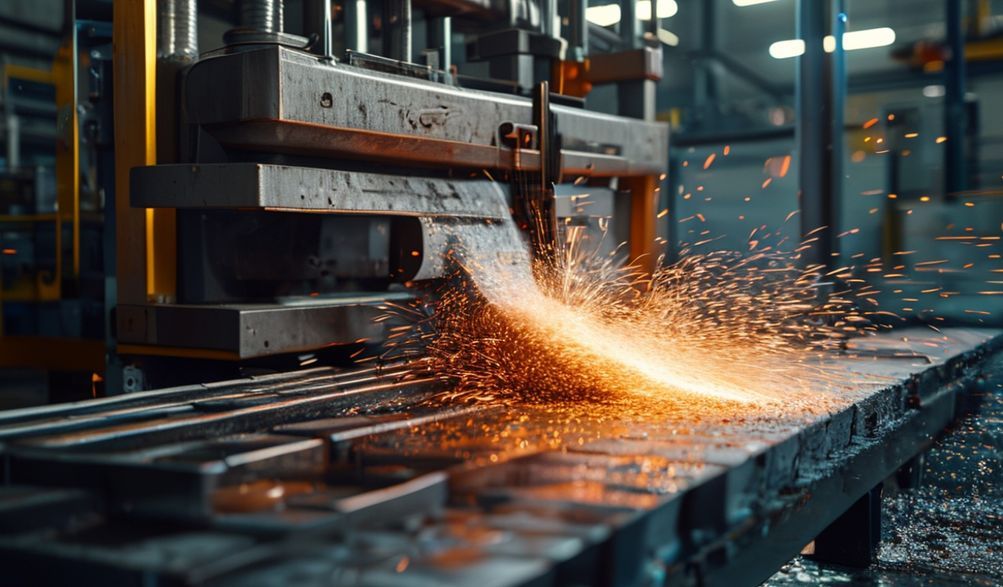
Полное руководство по машинам для производства цементных бетонных блоков: типы, процесс и выбор
Введение
Ориентироваться в мире строительной техники может быть непростой задачей. Для профессионалов, стремящихся производить прочные, стабильные и экономически эффективные строительные материалы, сердцем производства часто является машина для изготовления цементных бетонных блоков. Это не просто покупка; это ключевое вложение в эффективность и качество ваших строительных проектов или производственного бизнеса.
Опираясь на десятилетия совокупного опыта в строительных технологиях и эксплуатации оборудования, это всеобъемлющее руководство призвано раскрыть суть данной необходимой техники. Мы выйдем за рамки рекламных буклетов, чтобы предоставить авторитетные и достоверные сведения о принципах работы этих машин, существующих разновидностях и полном производственном процессе.
Будь вы предприниматель, открывающий производство блоков, менеджер проекта, закупающий оборудование для масштабной застройки, или инженер-строитель, стремящийся понять особенности производства на объекте, этот ресурс предназначен для вас. Наша цель — вооружить вас практическими знаниями, необходимыми для принятия взвешенного решения, гарантируя достижение оптимальной производительности, высочайшего качества блоков и высокой отдачи от ваших инвестиций.
Понимание машин для производства цементно-бетонных блоков
Прежде чем переходить к техническим характеристикам и поставщикам, важно сформировать прочное базовое понимание того, что представляют собой эти машины и как они работают.
Что такое машина для производства бетонных блоков?
По своей сути, машина для производства бетонных блоков — это устройство, предназначенное для изготовления бетонных блоков путем уплотнения смеси цемента, заполнителей и воды в форме определенной конфигурации и размера. Эти блоки — включая пустотелые, полнотелые, тротуарные и блоки с замковым соединением — являются основными строительными элементами (в прямом и переносном смысле) современного строительства, используемыми для возведения стен, мощения дорожек, подпорных конструкций и многого другого.
Эволюция от ручного труда к автоматизированной технике произвела революцию в строительной отрасли. Современные машины превращают сырье в точные, высокопрочные блоки с поразительной скоростью и стабильностью — достижение, невозможное при ручном производстве в больших масштабах. Автоматизация является ключевым фактором, обеспечивающим доступность, экономичность и структурную надежность бетонной кладки по всему миру.
Ключевые компоненты и принцип их работы
While models vary in complexity, most block making machines share these essential components:
- Хоппер:Точка входа для сырой бетонной смеси.
- Миксер: Often integrated or separate, it ensures a homogeneous blend of cement, sand, aggregate, and water.
- Плесень или смерть: The cavity that gives the block its shape (hollow, solid, etc.). This is the machine’s most customizable part.
- Vibrator: High-frequency vibrators compact the concrete mix within the mold, removing air pockets and ensuring density.
- Гидравлическая система: Provides the immense pressure needed for compaction and ejects the finished block from the mold. It’s the “muscle” of the machine.
- Панель управления: The “brain,” ranging from simple switches to advanced Programmable Logic Controller (PLC) systems that manage the entire production cycle.
Упрощенный производственный цикл:
1. Кормление:Подготовленная бетонная смесь подается в бункер машины.
2. Уплотнение: The mix is transferred into the mold, where simultaneous vibration and hydraulic pressure compress it.
3. Курение: The green (freshly molded) block is ejected onto a pallet and moved to a curing area to gain strength.
4. Выброс: The machine lifts the mold, leaving a perfectly formed block ready for curing. The cycle then repeats.
Types of Concrete Block Making Machines
Selecting the right type of machine is your first major decision. The choice hinges on your required output, budget, and level of automation.
Ручные, полуавтоматические и полностью автоматические машины
- Ручные станки: Operated primarily by hand levers and human labor for feeding and ejection. They have the lowest output and are labor-intensive but are very low-cost and ideal for very small-scale projects or startups with minimal capital.
- Идеально подходит для: Community projects, remote locations with no power, producing a few hundred blocks per day.
- Полуавтоматические станки: These strike a balance. Key processes like vibration and compaction are powered (often by hydraulics or electricity), but the movement of blocks and raw materials may require manual intervention. They offer a significant boost in output over manual machines with a moderate investment.
- Идеально подходит для: Small to medium-sized businesses, block manufacturers supplying local markets.
- Полностью автоматические машины: The pinnacle of efficiency. These computer-controlled systems automate the entire process—from feeding and mixing to molding, ejection, and pallet stacking. They require minimal human oversight and deliver the highest, most consistent output.
- Идеально подходит для: Large-scale manufacturing plants, high-volume infrastructure projects, and businesses focused on maximum productivity and ROI.
Стационарные vs. Мобильные установки для производства блоков
- Стационарные блок-машины: These are fixed installations, typically found in a dedicated factory or plant. They are heavy-duty, high-output machines designed for continuous production in one location. They require a solid concrete foundation and proper utility hookups.
- Плюсы: Higher production capacity, greater durability, suitability for full automation.
- Минусы: Not portable, higher initial setup cost and infrastructure needs.
- Мобильные блок-машины (тип "несушка"): These self-contained units produce blocks directly on the ground at the job site. After compacting the block, the machine moves forward, “laying” the blocks in rows like a chicken laying eggs.
- Плюсы: Eliminates block transportation costs, perfect for on-site construction, lower foundation requirements.
- Минусы: Generally lower output than large stationary plants, blocks cure on-site which can be weather-dependent.
Machine Classification by Output Block Type
Most machines are versatile, but they are often categorized by their primary output:
* Машины для производства пустотелых блоков: The most common type, designed to produce blocks with cavities. These cavities reduce weight, improve insulation, and allow for rebar and grout in construction.
* Solid/Paver Block Making Machines: Used for producing dense, solid blocks for paving, flooring, and applications requiring high compressive strength and wear resistance.
* Interlocking Block Making Machines: Specialized machines that produce blocks with designed ridges and grooves. These blocks lock together without mortar, enabling faster, dry-stack construction ideal for retaining walls and certain building systems.
The Complete Block Manufacturing Process
A quality machine is only one part of the equation. Understanding the full process is essential for producing blocks that meet strength and durability standards.
Step 1: Raw Material Selection & Proportioning
The quality of your blocks starts here. A standard mix includes:
* Цемент: The binding agent. Ordinary Portland Cement (OPC) 43 or 53 grade is common.
* Агрегаты: A blend of fine (sand) and coarse (gravel or crushed stone) aggregates. They must be clean, hard, and free of impurities.
* Вода: Should be clean and potable.
A typical mix ratio by volume might be 1 part cement : 3-6 parts aggregates, with water making up about 7-10% of the total weight. Precise proportioning using weigh batching is critical for consistent strength.
Step 2: Mixing and Feeding
The goal is a uniform, cohesive mix. Pan mixers or planetary mixers are commonly used to ensure every particle of aggregate is coated with cement paste. An under-mixed or over-mixed batch will lead to weak or cracked blocks.
Step 3: Molding and Compaction
This is where the machine performs its magic. The mix is fed into the mold. The vibrator consolidates the mix, and the гидравлическое давление compacts it further. Sufficient “hold-down” time under pressure is crucial to form a dense, non-layered block with sharp edges and high early strength.
Step 4: Curing and Drying
Freshly molded “green” blocks are fragile. Curing is the controlled process of maintaining moisture and temperature to allow the cement to fully hydrate and gain strength.
* Steam Curing: In kilns or chambers, blocks gain high strength in 12-24 hours. Industry best practice for rapid turnaround.
* Water Sprinkling: Blocks are kept wet under cover for 7-14 days. A cost-effective, common method.
* Air Curing: Simply allowing blocks to cure in ambient conditions, which takes the longest (28 days for full strength).
How to Choose the Right Machine for Your Needs
This is the critical application of your knowledge. Asking the right questions will lead you to the perfect machine.
Оценка ваших производственных потребностей
Start by answering these questions:
* What is my target daily or monthly output (in number of blocks)?
* What types and sizes of blocks do I need to produce? (e.g., 4″, 6″, 8″ hollow blocks, pavers)
* Is this for a specific project with a defined end date, or for an ongoing business?
* What is my available space, power supply (single-phase or three-phase?), and workforce?
Critical Machine Specifications to Evaluate
Look beyond the brochure headline. Scrutinize:
* Время цикла: How many seconds for one complete cycle?
* Blocks Per Cycle: How many blocks of your desired size are produced each cycle?
* Требуемая мощность: Does it match your available electrical supply?
* Универсальность форм How easy and costly is it to change molds for different products?
* Качество сборки: Inspect the thickness of steel plates, the quality of hydraulic cylinders, and the brand of electrical components.
Budgeting: Machine Cost vs. Total Investment
The machine’s price tag is just the beginning. Your total investment includes:
* Foundation & Installation: Especially for large stationary machines.
* Вспомогательное оборудование: Mixer, conveyor, pallets, curing racks/kiln.
* Операционные расходы: Electricity, labor, routine maintenance, spare parts.
* Raw Material Inventory: Initial stock of cement and aggregates.
A cheaper machine with poor durability or no service support will cost you far more in downtime and repairs than a slightly more expensive, reliable model.
Supplier Selection and Key Questions to Ask
Your supplier is a long-term partner. Vet them thoroughly:
* Ask for: Customer references, especially those in your region.
* Request: A live or recorded demonstration producing the block type you need.
* Verify: Warranty terms, availability of spare parts, and the existence of local technical support.
* Inquire: About training for your operators. A well-trained operator is a key asset.
Maintenance, Safety, and Best Practices
Protecting your investment and your team is non-negotiable.
Essential Routine Maintenance Checklist
- Ежедневно: Clean the machine thoroughly, check hydraulic oil levels, inspect molds for wear or concrete buildup, lubricate moving parts.
- Weekly: Check and tighten all bolts and nuts, inspect vibrator mounts, clean the hydraulic oil filter.
- Monthly: Perform a comprehensive check of the hydraulic system, electrical connections, and wear parts.
Common Operational Issues and Troubleshooting
- Плохое уплотнение/Слабые блоки: Check vibration efficiency, pressure settings, and concrete mix consistency (too dry or too wet).
- Blocks Sticking in Mold: Mold may need cleaning, lubrication, or be damaged. Concrete mix may be too wet.
- Dimensional Inaccuracies: Worn mold liners, improper machine leveling, or inconsistent feed material.
Operator Safety Protocols
- Mandatory Gear: Safety glasses, steel-toe boots, hearing protection, and gloves.
- Machine Guarding: Never operate with safety guards removed.
- Procedures: Follow lock-out/tag-out procedures during maintenance. Keep hands clear of moving parts during operation.
The Future of Block Making Technology
The industry is not standing still. Staying informed about trends can future-proof your investment.
Trends in Automation and Smart Controls
The integration of PLC systems and the Internet of Things (IoT) is rising. Imagine machines that self-diagnose issues, send maintenance alerts to your phone, optimize cycle times in real-time, and track production data for detailed analytics. This isn’t science fiction; it’s the next wave of manufacturing efficiency.
Sustainability in Block Production
Eco-conscious construction is driving innovation:
* Адаптация материала Modern machines are being designed to effectively handle recycled materials like fly ash, slag, and recycled concrete aggregate, reducing the carbon footprint of blocks.
* Эффективность использования ресурсов: Newer models focus on energy-efficient motors and designs that minimize water use, with some systems incorporating water recycling from the curing process.
Раздел часто задаваемых вопросов
Q1: What is the average production capacity of a standard automatic block making machine?
А: Capacities vary widely based on model and block size. A standard single hopper automatic machine can produce between 3,000 to 5,000 hollow blocks (e.g., 8x8x16 inch equivalent) in an 8-hour shift. Larger, fully automated plants with multi-layer pallet systems can exceed 10,000 blocks per shift.
Q2: Can one machine produce different types and sizes of blocks?
А: Absolutely. The key is the mold system. Most machines allow for mold changes. Ensure the machine you select has a compatible and readily available mold for each block type you wish to produce. Changeover can take from 30 minutes to a few hours.
Q3: What is the typical lead time for setting up a block manufacturing plant after machine purchase?
А: After the machine order is placed (manufacturing lead time can be 4-12 weeks), you need 2-4 weeks for site preparation: pouring a solid foundation, installing utilities, assembling the machine, commissioning, and training operators. Having a ready site is critical to avoid delays.
Q4: How important is after-sales service when purchasing a machine?
А: It is arguably as important as the machine itself. Reliable technical support, a local stock of spare parts, and accessible training are essential for minimizing costly downtime and ensuring your machine operates at peak efficiency for its entire lifespan. Always prioritize suppliers with a strong service reputation.
Q5: What are the most common mistakes first-time buyers make?
А: The top pitfalls include: underestimating power and space requirements; focusing solely on the cheapest machine price while ignoring long-term durability and service costs; failing to test the machine with their own local raw materials; and not planning adequately for curing and storage space, which is often larger than the machine footprint itself.
Заключение
Choosing and operating a cement concrete blocks making machine is a significant technical and financial decision. It requires balancing upfront costs with long-term productivity, and machine specifications with real-world operational knowledge. By thoroughly understanding the types of machinery available, the science behind the block manufacturing process, and the critical factors in selection and maintenance, you position yourself—and your project or business—for success.
Remember, the most profitable and efficient operations are built on a triad: the right machinery, high-quality raw materials, and skilled, safety-conscious operation. For projects of substantial scale or complexity, we strongly recommend consulting directly with established industry experts or reputable manufacturers to validate your plans. Their hands-on experience can provide the final layer of assurance for your investment.
<