1. Эволюция сырья: от первичной глины к разнообразным потокам отходов
Традиционно кирпичные машины создавались для постоянства — обработки однородной первичной глины или сланца с предсказуемой влажностью и размером частиц. Будущая машина должна стать сложным интегратором материалов, предназначенным для обработки неоднородности.
1.1. Расширение спектра используемых отходов
Будущие механизмы будут откалиброваны для переработки отходов, выходящих далеко за рамки нынешнего ограниченного использования золы-уноса или пылевидного угольного топлива.
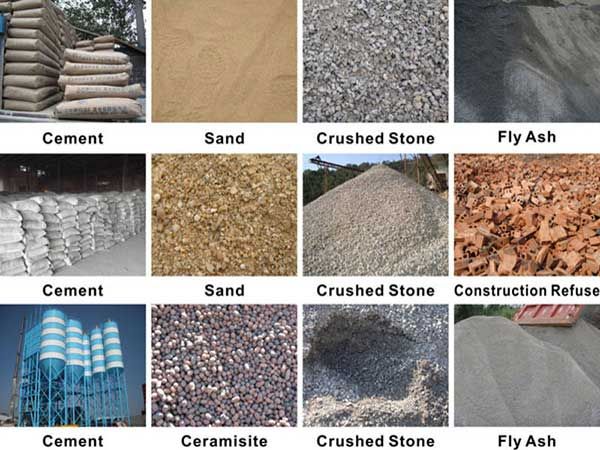
- Строительные отходы и отходы сноса (СОиОС).Это крупнейший по объёму поток отходов во многих регионах. Современные машины будут интегрировать системы для переработки дроблёного бетона, кирпича, плитки и стекла в инженерные заполнители, переходя от низкопроцентного наполнителя к высокопроцентному первичному сырью.
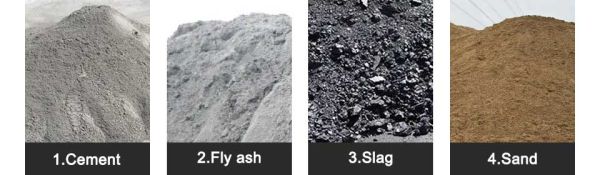
- Промышленные побочные продукты:Шлак сталеплавильного производства, формовочный песок, стеклобой и неопасные минеральные шламы станут стандартными исходными материалами. Машинам потребуется работать с веществами, имеющими различный химический состав и реакционную способность.
- Муниципальные и биомассовые отходы:Обработанные и переработанные фракции твёрдых коммунальных отходов, такие как зола от сжигания мусора (IBA), а также стабилизированные органические материалы из сельского хозяйства (например, зола рисовой шелухи, солома) или очистки сточных вод (биотвёрдые вещества), представляют собой новую область извлечения ресурсов, требующую точной обработки для обеспечения целостности и безопасности продукции.
1.2. Технические и регуляторные драйверы
Это расширение обусловлено целями по сокращению отходов на свалках, жестким углеродным налогом на добычу первичного сырья и экологическими сертификатами для зданий, которые поощряют высокое содержание вторичных материалов. Оборудование, обеспечивающее соблюдение этих требований, добавляет прямую ценность производителю, а следовательно, и дистрибьютору.
2. Ключевые инновации машинного оборудования, обеспечивающие диверсификацию отходов
Для превращения разнородных отходов в однородный высококачественный продукт потребуется коренная переработка машин в нескольких ключевых подсистемах.
2.1. Модули углубленной предварительной обработки и перемещения материалов
Машина будущего начинается задолго до этапа формовки.
- Intelligent Sorting and Beneficiation: On-site or integrated pre-processing lines will employ AI-powered vision systems and sensors (e.g., NIR, XRF) to automatically sort and classify incoming waste streams by composition, color, and particle size, ensuring consistent feedstock quality.
- Micro-Grinding and Particle Engineering: High-precision grinding mills will be able to tailor the particle size distribution of diverse waste materials to optimal levels for binding and strength development, whether for hydraulic, geopolymer, or ceramic bonding.
- Moisture and Contaminant Control: Advanced drying, washing, and electrostatic separation systems will remove deleterious substances (e.g., metals, organics, soluble salts) and standardize moisture content, a critical variable for stable extrusion or pressing.
2.2. Adaptive Mixing and Binding Systems
The heart of the machine will become a dynamic chemical reactor.
- Multi-Component Dispensing and In-Line Analysis: Precision dosing systems will meter not just water, but a range of proprietary activators, stabilizers, or binders (alkaline solutions for geopolymerization, lime, cementitious agents) in response to real-time chemical analysis of the waste feedstock mix.
- Rheology Management: Mixers will adapt their energy input and sequence based on the rheological properties of the ever-changing waste blend, ensuring a homogeneous, workable mix for molding without blockages or excessive wear.
2.3. Flexible Molding and Curing Technologies
A one-size-fits-all mold and kiln will become obsolete.
- Modular, Rapid-Change Mold Systems: To accommodate products ranging from standard bricks to large-format blocks made from lightweight waste composites, mold systems will allow for quick changes in size, shape, and surface texture.
- Low-Energy and Chemical Curing Chambers: For non-fired bricks (e.g., geopolymer, cement-stabilized), machines will incorporate controlled-temperature steam curing chambers or atmospheric curing zones with humidity control. For fired products, kiln inlets will be adapted to handle potential off-gassing from organic waste components safely.
3. Product Implications: Performance, Aesthetics, and Market Value
The output of these advanced machines will not be a compromised “green” product, but a performance-engineered material with unique selling points.
3.1. Enhanced and Tailored Material Properties
- Structural and Insulative Hybrids: By combining different wastes, machines can produce bricks with customized thermal and acoustic insulation properties integrated directly into the unit, reducing on-site labor.
- Improved Durability Characteristics: Certain waste streams can enhance resistance to sulfates, acids, or freeze-thaw cycles, opening up new applications in harsh environments.
- Consistency and Reliability: The core technological challenge is to use automation and process control to deliver batch-to-batch consistency from variable inputs—a key requirement for structural certification and distributor confidence.
3.2. Aesthetic Diversity and Branding Opportunities
Waste-derived bricks will move beyond a generic “eco-look.”
- Color and Texture from Feedstock: The inherent color of glass, ceramics, or specific mineral wastes can create unique aesthetic profiles without added pigments.
- “Source-Verified” Product Lines: Distributors could market lines tied to specific, local waste streams (e.g., “Urban Ore” bricks from local CDW), appealing to regional sustainability narratives and reducing transport carbon footprint.
4. Strategic Implications for the Distribution and Procurement Chain
This technological shift will fundamentally alter roles and create new business models.
4.1. The Rise of the Regional “Urban Quarry” Model
Manufacturing will move closer to both waste sources and markets. Smaller, highly automated plants processing local waste streams could emerge, reducing logistics costs for both raw materials (waste) and finished goods. Distributors may evolve into partners who help secure local waste supply agreements.
4.2. Redefining Value and Cost Structures
- New Economics: The cost model shifts from virgin material procurement + energy to waste tipping fee revenue + processing cost + binder/activator cost. This can lead to significant insulation from commodity price volatility for virgin clay or fuel.
- Premium for Performance: Products must be sold on their technical merits—insulation value, durability, lightweight properties—and their environmental credentials (verified recycled content, low embodied carbon).
4.3. Essential Knowledge and Partnership Evolution
- From Logistics to Technical Sales: Sales teams must understand material science basics, environmental product declarations (EPDs), and new installation guidelines for novel products.
- Supplier as Solutions Partner: The relationship with machinery manufacturers and brick producers will deepen. Distributors will need partners who provide not just machines or bricks, but the total process know-how and technical support to bring a waste-derived product line to market successfully.
Заключение
The trajectory is clear: brick manufacturing machinery is evolving from a device that shapes earth into a sophisticated platform for urban and industrial metabolism. Its future capability to utilize a vast array of waste materials is not a speculative possibility but an engineering inevitability, driven by environmental necessity and economic opportunity. For distributors and procurement specialists, this represents a paradigm shift. The future portfolio will consist of engineered material solutions with documented origins and performance, sourced from regional material flows. Success will depend on embracing this complexity, developing new technical competencies, and positioning one’s business at the intersection of waste management and high-performance construction. The machine of tomorrow will close the material loop, and the supply chain must be ready to circulate within it.
FAQ (Frequently Asked Questions)
Q1: Will bricks made from complex waste streams meet national structural building codes and standards?
А: Absolutely. This is a non-negotiable prerequisite for commercial adoption. Leading machinery and process innovators design their systems specifically to produce bricks that meet or exceed ASTM, EN, or other relevant standards for compressive strength, durability, and safety. The key is rigorous third-party testing and certification for each product formulation. Distributors must insist on seeing these certification documents before taking on a new product line.
Q2: How does the variability of waste input affect product consistency and quality assurance?
А: This is the central technological challenge. The advanced pre-processing, sensing, and adaptive mixing systems described are precisely designed to mitigate variability. By characterizing the feedstock in real-time and automatically adjusting the recipe and process parameters, modern machines can produce a consistent output from a variable input. Quality assurance is embedded in the process through continuous monitoring, not just final product inspection.
Q3: Are there any long-term durability or environmental risks (e.g., leaching) with bricks made from novel waste materials?
А: Responsible manufacturers conduct extensive long-term leaching tests (e.g., TCLP, SPLP) to ensure no harmful substances leach from the finished product. The binding processes—particularly high-temperature firing or geopolymerization—often encapsulate potential contaminants within a stable mineral matrix. Distributors should request and review this leachate testing data and ensure products have relevant environmental certifications.
Q4: What will be the impact on production speed and lead times?
А: Initial processing of waste streams may add steps, but overall, highly automated integrated plants are designed for efficiency. Some curing methods, like ambient geopolymer curing, can be faster than traditional kiln firing. Lead times may initially be influenced by the logistics of securing consistent waste feedstock, but the production machinery itself will be engineered for high throughput of its designed feedstock mix.
Q5: As a distributor, how do we start preparing for this shift towards waste-derived bricks?
А: Begin with education and strategic positioning:
- Market Intelligence: Track policy on landfill bans, recycled content mandates, and carbon pricing in your regions.
- Technical Training: Educate your team on the science behind geopolymer and other alternative binding technologies.
- Supplier Dialogue: Engage with your manufacturing partners on their R&D roadmaps for waste integration. Seek pilot projects for new product lines.
- Client Education: Start conversations with architects and contractors about the future of recycled content, showcasing your firm as a forward-thinking knowledge leader in sustainable materials.