
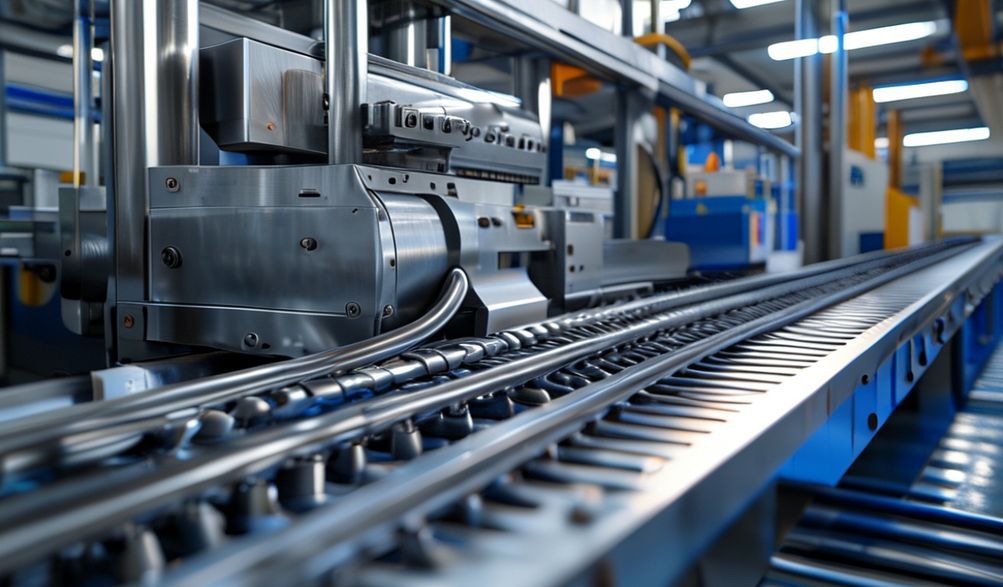
Your Guide to Choosing a Trusted Hydraulic Block Making Machine Supplier
Введение
In the world of modern construction, the strength of a building begins long before the foundation is poured. It starts in the block yard, where precision, pressure, and reliability transform raw materials into the building blocks of our infrastructure. At the heart of this process is the hydraulic block making machine—a significant capital investment that can define the quality, efficiency, and profitability of your operation for a decade or more.
Yet, here lies a critical oversight many buyers make: focusing solely on the machine’s specifications while underestimating the entity behind it. The truth is, your choice of hydraulic block making machine supplier is a decision that carries equal, if not greater, weight than the machine model you select. A poor partnership can lead to a cascade of problems: crippling downtime due to a lack of technical support, hidden costs from inferior components, and a machine that fails to adapt to your evolving market needs.
This guide is designed to shift your perspective. We move beyond basic brochures and price tags to provide a comprehensive framework for vetting suppliers. Built on industry insights and a deep understanding of the total value chain, this post will equip you to identify a partner who embodies reliability, technical expertise, and true long-term partnership value—a supplier who ensures your investment is a foundation for growth, not a source of constant frustration.
Почему ваш выбор поставщика важнее, чем вы думаете
Purchasing a hydraulic block machine is not a simple transaction; it’s the beginning of a long-term technical relationship. The supplier you choose becomes an extension of your operational team, directly impacting your daily productivity and bottom line. Let’s break down why this partnership is so pivotal.
Beyond the Machine: The Total Cost of Ownership (TCO)
The initial purchase price is just the entry ticket. The real cost of your machine is measured over its entire operational life—a concept known as Total Cost of Ownership (TCO).
- Initial Purchase vs. Long-Term Costs: A machine with a lower upfront cost but built with sub-standard hydraulic pumps or controllers will inevitably lead to higher expenses. These manifest as frequent breakdowns, expensive emergency spare parts, and excessive energy consumption.
- The Role of a Quality Supplier: A reputable supplier minimizes your TCO by investing in quality engineering. They use durable, brand-name components that ensure longevity and energy efficiency. Their machines are designed for maintainability, reducing both downtime and the cost of routine service. In essence, they charge for value that saves you money for years to come.
Technical Support & After-Sales Service: Your Project’s Safety Net
When your machine stops, your production line stops, and revenue evaporates. Exceptional after-sales service is your insurance policy against this risk.
- Comprehensive Support Cycle: A true partner provides end-to-end support. This includes detailed site planning assistance, professional on-site installation, thorough operator and maintenance training, and readily available troubleshooting.
- The Spare Parts Lifeline: Perhaps most critically, they guarantee access to genuine spare parts. A supplier with a centralized, well-managed parts inventory can ship a critical component in days, not months, turning a potential disaster into a minor hiccup.
- The Cost of Poor Service: Without this safety net, you are left to manage complex machinery alone. Operational risks skyrocket, leading to project delays, contractual penalties, and a damaged reputation.
Innovation and Adaptability: Future-Proofing Your Investment
The construction industry is not static. New materials, evolving design trends, and the push for sustainability demand adaptability.
- Adapting to Change: Can your machine produce new, popular block designs? Can it efficiently handle eco-friendly mixes like high-fly ash or recycled aggregate content? A forward-thinking supplier designs machines with this flexibility in mind.
- A Partner in Progress: Such a supplier doesn’t just sell you a machine for today’s needs; they offer a platform for tomorrow’s opportunities. They provide guidance on mold customization and can often retrofit automation solutions to enhance your productivity down the line. This future-proofing protects your investment from premature obsolescence.
Key Criteria for Evaluating a Hydraulic Block Making Machine Supplier
Armed with an understanding of почему the supplier matters, let’s explore как to evaluate them. Use these criteria as your due diligence checklist.
Proven Experience and Industry Reputation (E-E-A-T: Experience & Authoritativeness)
Track record is the most reliable predictor of future performance. Look for evidence of deep, specialized experience.
- Assessing Track Record: Don’t just note the number of years in business. Examine their project portfolioиclient testimonials. Do they have successful installations in environments similar to yours? Case studies are gold—they demonstrate applied problem-solving.
- Specialization is Key: Prioritize suppliers who specialize in hydraulic block machinery over general industrial equipment dealers. Specialists possess deeper application knowledge, from concrete mix design to curing processes, ensuring the machine is optimized for your specific output.
Technical Expertise and Manufacturing Standards (E-E-A-T: Expertise)
The devil is in the technical details. A supplier’s manufacturing philosophy directly dictates the machine’s quality.
- Look for These Indicators:
- Внутренние исследования и разработки (НИОКР): Signals a commitment to innovation and continuous improvement.
- Международные сертификации: ИСО 9001 certification indicates a robust quality management system. Маркировка СЕ (for exports to many regions) shows compliance with stringent health, safety, and environmental standards.
- Качество компонентов: Ask specifically about the brands of the core hydraulic system (pumps, valves, cylinders), PLC controller, and electrical components. Renowned brands equate to reliability.
- Возможность настройки: Can they modify machine parameters or provide custom molds for your unique block designs? This tests their engineering depth.
Transparency and Communication (E-E-A-T: Trustworthiness)
Trust is built on clarity and honesty. A trustworthy supplier has nothing to hide.
- Clear, Detailed Quotations: A professional quote should itemize the machine, optional accessories, shipping terms (e.g., FOB, CIF), and warranty conditions—with no hidden fees.
- Responsive Communication: They should be prompt and clear in answering questions, whether via email, phone, or video call. Willingness to share technical drawings, performance data sheets, and manuals is a positive sign.
- Realistic Performance Data: Be wary of suppliers who inflate production capacity (e.g., “10,000 blocks per day” without stating cycle time, mold cavity count, and operational efficiency factors). Honest suppliers provide realistic, achievable figures.
Comprehensive Service Ecosystem
The best suppliers offer a full-service ecosystem that supports you at every stage.
- Ideal Service Offerings Include:
- Pre-Sales: Site planning and factory layout consultancy.
- Installation: Supervised commissioning by factory-trained engineers.
- Обучение: Comprehensive programs for machine operators and maintenance staff.
- Post-Sales: Clear warranty terms, readily available maintenance contracts, and access to local or regional service technicians for swift support.
Red Flags: When to Walk Away from a Supplier
Recognizing warning signs can save you from a costly mistake. Consider these serious red flags.
Vague or Unverifiable Claims
If a supplier is reluctant to provide concrete evidence of their claims, proceed with extreme caution.
- They cannot provide verifiable client references upon request.
- They have no clear physical factory address or refuse to offer a virtual or in-person factory tour.
- They are hesitant to share detailed technical specifications or component origin information.
Pressure Tactics and Unrealistically Low Prices
A price that seems “too good to be true” almost always is. This is a major industry red flag.
- High-pressure sales tactics urging an immediate deposit.
- A final price significantly lower (e.g., 30-40%) than other detailed quotations for a similar specification. This typically indicates:
- Use of inferior, non-branded components.
- Copycat engineering with no R&D investment.
- A complete lack of after-sales service budget.
Lack of Technical Depth
Your sales contact should be able to bridge the gap between commercial and technical discussions.
- Inability to answer detailed questions about:
- Hydraulic operating pressure and system design.
- Type of control system (PLC brand, interface, programmability).
- Mold mounting system and changeover process.
- Recommended raw material specifications and mix designs.
Questions to Ask Your Potential Supplier (A Must-Read Checklist)
Come to negotiations prepared. These questions will separate the marketers from the true partners.
Questions About the Machine & Technology
- “What is the specific hydraulic system working pressure (in bar/psi), and who manufactures the key components (pumps, control valves, cylinders)?”
- “Can the machine be easily adapted for different block sizes and shapes? What is the standard mold changeover procedure and typical time required?”
- “What is the expected net output (e.g., solid blocks, hollow blocks) per 8-hour shift under standard conditions? What are the key factors that influence this output?”
Questions About Support and Logistics
- “What is included in your standard warranty? What is explicitly excluded? What is the step-by-step process for making a warranty claim?”
- “Do you provide on-site installation and training? If so, what is the exact scope, duration, and are there additional costs for travel and accommodation?”
- “What is your typical lead time for supplying critical spare parts (e.g., a main hydraulic pump or PLC module) to my region?”
Questions About Their Business
- “Can you provide direct contact information for 2-3 clients in a country/region similar to mine who are using the same or a comparable model I am considering?”
- “Do you have a service engineer or technical support contact who can communicate proficiently in my language for urgent issues?”
FAQ: Hydraulic Block Making Machine Suppliers
Q1: What is the main advantage of a hydraulic block making machine over a vibration-based machine?
А: Hydraulic machines use immense, controlled pressure to compact the concrete mix, resulting in blocks with higher density, superior compressive strength, and a smoother surface finish. They excel with semi-dry mixes, offer greater versatility in product design, and typically operate with lower noise and vibration levels than intense vibration-based systems.
Q2: Should I always choose the supplier with the lowest price?
А: Emphatically, no. The lowest price often correlates with the highest Total Cost of Ownership (TCO). Savings on the purchase price are frequently wiped out—and exceeded—by costs from unexpected breakdowns, inefficient energy use, scarce spare parts, and a complete lack of technical support. Invest in value, not just a machine.
Q3: How important is it that the supplier offers custom mold design?
А: It is crucial for business growth and differentiation. The ability to produce unique interlocking blocks, paving stones, or architectural facades allows you to capture niche markets and higher margins. A supplier with strong in-house mold design and manufacturing capability is a significant value-added partner.
Q4: What are the key certifications I should look for in both the supplier and the machine?
А: For the supplier, ISO 9001:2015 certification is a strong indicator of a systematic approach to quality management. For the machine, the CE Mark is essential for most international markets, demonstrating compliance with EU safety, health, and environmental protection standards. Always check for any mandatory local safety certifications in your country.
Q5: Can a good supplier help with factory layout and production line design?
А: Absolutely. The best suppliers act as consultants. They can advise on optimizing the entire production flow—from raw material storage and batching, to block production, curing (rack or chamber), and palletizing. This holistic approach ensures you maximize the output and efficiency of your machine investment.
Заключение
Selecting a hydraulic block making machine supplier is one of the most strategic decisions you will make for your construction materials business. It is a choice that reverberates through your product quality, operational efficiency, and financial profitability for years to come.
This guide has moved beyond simple features and price to highlight the core attributes of a true partner: demonstrable Экспертиза in engineering and application, proven Опыт backed by client success stories, Авторитетность as a specialist in the field, and unwavering Доверие in all communications and dealings.
As you move forward, use the provided checklist and evaluation criteria as your roadmap. Conduct thorough due diligence, ask the hard questions, and prioritize long-term partnership value over short-term price savings. Your future productivity depends on it.
Ready to take the next step? Use this guide as a framework to systematically evaluate your options. For a detailed supplier comparison sheet or to discuss your specific project requirements with an industry specialist, reach out to our team today.
<