
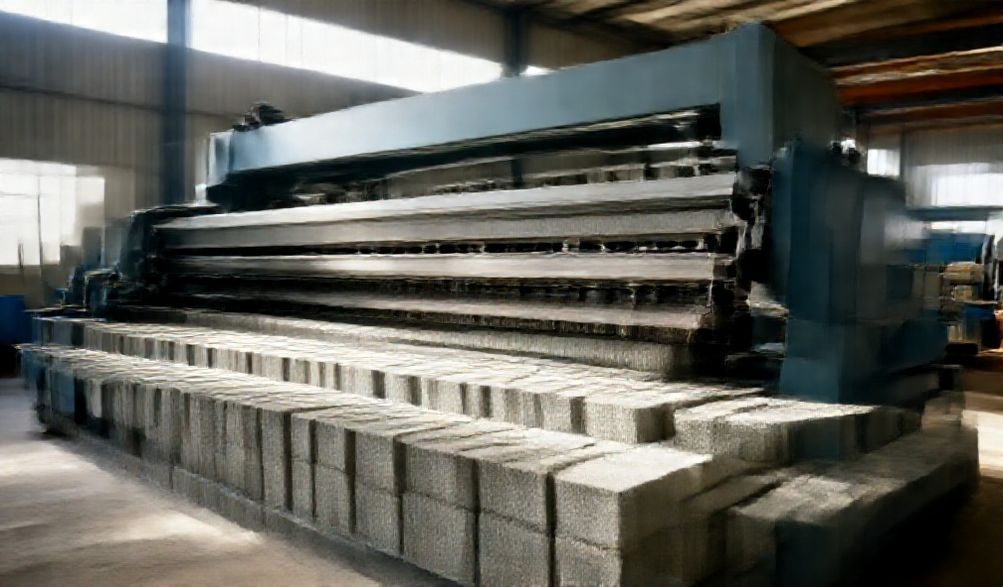
Your Ultimate Guide to Cement Brick Making Machines in South Africa | FUDA Block Making Factory
Введение
South Africa’s construction sector is a cornerstone of its economic development, with major infrastructure projects and a constant demand for housing driving growth. At the heart of every build, from a humble home to a towering skyscraper, lies a fundamental component: the brick. For builders, contractors, and ambitious entrepreneurs, the ability to produce high-quality, consistent bricks on-demand isn’t just an advantage—it’s a game-changer. This is where investing in a reliable cement brick making machine becomes a critical business decision.
Navigating the market for this essential machinery, however, can be complex. This comprehensive guide is designed to demystify cement brick making machines for the South African context. We’ll explore how they work, the different types available, and the key features you must consider to ensure a wise investment. Furthermore, we will highlight why Фабрика по производству блоков FUDA has emerged as a trusted partner for professionals across South Africa, providing robust, efficient machinery engineered for local challenges.
By the end of this guide, you will have the practical knowledge needed to select the perfect machine for your scale, understand the setup process, and feel confident in making an investment that builds not just structures, but also a sustainable business.
This guide is compiled based on extensive industry expertise and technical knowledge to help you navigate your investment with clarity and confidence.
Понимание машин для производства цементных кирпичей
Before diving into specifications and models, it’s crucial to understand what these machines do and the core benefits they offer. A cement brick making machine automates and streamlines the process of transforming raw materials—cement, sand, stone aggregate, and water—into precise, durable building blocks.
Как работают машины для производства цементных кирпичей?
The process, though sophisticated in automation, follows a logical sequence:
- Смешивание: Raw materials are fed into a mixer to create a homogeneous, semi-dry concrete mix. The consistency of this mix is vital for the quality of the final brick.
- Формование: The mixed concrete is transferred into a mold box. The mold defines the brick’s shape, size, and pattern (e.g., hollow block, solid block, paver).
- Уплотнение: This is the most critical phase. The machine applies intense vibration and hydraulic pressure to compact the concrete within the mold. This removes air pockets and ensures the brick achieves its required density and strength.
- Выброс и отверждение: The freshly formed (or “green”) brick is ejected from the mold onto a pallet or directly onto a curing rack. The bricks then need to cure, typically for several days, to reach their full structural strength.
This process varies significantly based on the level of automation:
* Ручные станки: Require operator effort for mixing, feeding, and compaction (often via a lever).
* Полуавтоматические станки: Use mechanical or hydraulic systems for compaction and ejection, but require manual feeding of raw materials and removal of finished bricks.
* Полностью автоматические машины: Integrate conveyors and programmable logic controllers (PLCs) to automate the entire cycle from mixing to stacking, requiring minimal human intervention.
Key Benefits of Using a Dedicated Brick Making Machine
Investing in a dedicated machine offers tangible advantages over manual methods or purchasing bricks:
- Последовательность и качество: Machines produce bricks with uniform size, shape, and density. This leads to stronger structures, less mortar use, and a more professional finish.
- Экономическая эффективность: While there’s an upfront cost, producing your own bricks drastically reduces long-term expenses compared to buying retail or relying on intensive manual labor.
- Speed & Scalability: Machines can produce hundreds or thousands of bricks per hour, allowing you to meet tight project deadlines and scale production up or down based on demand.
- Универсальность: With interchangeable molds, a single machine can produce a variety of products—hollow blocks for construction, solid blocks for foundations, and interlocking pavers for landscaping—maximizing your market potential.
Виды машин для производства кирпича, доступные в Южной Африке
The South African market offers a range of machines to suit every budget and business scale. Choosing the right type is your first major decision.
Ручные станки для производства блоков
- Идеально подходит для: Start-ups, very small-scale projects, community initiatives, and part-time production.
- Плюсы:
- Lowest initial investment cost.
- Simple operation with minimal technical knowledge required.
- Low maintenance and no dependence on electricity.
- Минусы:
- Очень трудоемкий и физически тяжелый.
- Very low output (typically 100-500 blocks per day).
- Inconsistency in brick quality if operator technique varies.
Полуавтоматические станки для изготовления блоков
- Идеально подходит для: Small to medium-sized construction businesses, block yards, and entrepreneurs looking to establish a serious production facility.
- Плюсы:
- Excellent balance between output, cost, and automation.
- Significantly reduces manual labor compared to fully manual machines.
- Good production capacity (e.g., 500 – 2,000 blocks per 8-hour shift).
- More consistent quality due to mechanical compaction.
- Минусы:
- Requires operator to feed materials and remove finished bricks.
- Dependent on a power source (electric or diesel).
Полностью автоматические машины для производства блоков
- Идеально подходит для: Large-scale commercial block manufacturing plants, major construction companies supplying multiple sites, and industrial operations.
- Плюсы:
- Very high output (thousands of blocks per hour) with minimal labor.
- Exceptional consistency and programmable precision.
- Integrated systems for mixing, conveying, and stacking.
- Highest long-term profitability for high-volume production.
- Минусы:
- Highest initial capital investment.
- Requires significant space, stable power supply, and technical know-how.
- More complex maintenance requirements.
Key Features to Consider When Choosing a Machine
Beyond the type, scrutinizing these features will ensure your machine meets your specific needs and stands the test of time in the South African environment.
Производственная мощность (блоков в час)
Don’t just buy the biggest machine. Match the output to your realistic demand.
* Calculate Needs: Estimate your current and near-future project requirements or market sales.
* Buffer for Growth: Choose a machine with 20-30% extra capacity to handle growth without immediate re-investment.
* Shift Work: Remember, capacity is per hour. A semi-automatic machine running two shifts can often match the daily output of a more expensive, underutilized automatic machine.
Brick Type and Size Versatility
Your machine’s potential is defined by its molds. Ensure it can produce the products your market demands:
* Пустотелые блоки: The standard for load-bearing walls.
* Сплошные блоки: Used for foundations, paving, and heavy-duty applications.
* Брусчатка: Highly popular for driveways, walkways, and landscaping.
* Curb Stones & Special Shapes: For niche markets and municipal contracts.
* Ключевой вопрос: Does the supplier (like FUDA) offer a wide range of standard and custom molds?
Power Source (Electric, Diesel, Hybrid)
This is a critical consideration given South Africa’s energy landscape.
* Электрический: Cleaner, quieter, and generally lower operating cost, but vulnerable to load-shedding.
* Дизель: Fully independent of the grid, ideal for remote sites or as a load-shedding backup. Higher fuel cost and noise.
* Hybrid/Convertible: Some machines offer the flexibility to switch between power sources, providing valuable operational resilience. This is a highly sought-after feature locally.
Build Quality and Durability
The machine must withstand constant vibration and pressure. Look for:
* Прочный каркас: Heavy-duty steel construction to prevent flexing and misalignment.
* High-Quality Hydraulics: Reliable pumps, cylinders, and valves from reputable brands.
* Wear-Resistant Parts: Critical components like mold liners, vibrator shafts, and pallets should be made from hardened or specially treated materials for long life.
After-Sales Support and Service
Это не обсуждается. A machine is a long-term investment, not a disposable item.
* Local Spare Parts: Confirm that wear-and-tear parts are readily available within South Africa to avoid months of downtime waiting for international shipments.
* Техническая поддержка Does the supplier offer installation guidance, troubleshooting, and operator training?
* Гарантия: Clear, comprehensive warranty terms are a sign of a manufacturer’s confidence in their product. Always read the fine print.
Why Choose FUDA Block Making Machines for the South African Market?
Selecting a supplier is as important as selecting the machine. FUDA Block Making Factory has built its reputation on understanding and serving the unique needs of the African market.
Engineered for Durability and Performance
FUDA machines are not lightly adapted imports. They are designed from the ground up for the rigors of block production:
* Reinforced Structure: Extra bracing and heavy-gauge steel in high-stress areas ensure longevity.
* Precision Vibration Systems: Optimized for the “semi-dry” concrete mix method, ensuring perfect compaction and superior brick strength.
* Quality Component Sourcing: Utilization of internationally recognized brands for hydraulics and electrical systems where it counts.
Adaptability to Local Conditions
FUDA understands that South Africa is not a one-size-fits-all market.
* Material Compatibility: Machines are calibrated to work efficiently with locally available cement and aggregates.
* Климатические соображения: Designs account for dust, heat, and variable operating conditions common in South Africa.
* Power Flexibility: Many models offer diesel or hybrid options, providing a practical solution for businesses impacted by power instability.
Comprehensive Support from FUDA
FUDA’s commitment begins after the sale, which is the true mark of a trustworthy partner.
* Detailed Documentation: Clear manuals for operation, maintenance, and troubleshooting.
* Обучение: Guidance provided to ensure your team can operate the machine safely and efficiently.
* Spare Parts Network: A dedicated supply chain for critical spare parts within South Africa to minimize your downtime.
* Technical Assistance: Access to technical experts for ongoing support.
Cost-Effective Investment with Proven ROI
A FUDA machine is positioned as a productivity partner. The focus is on Общая стоимость владения—lower maintenance costs, higher uptime, and reliable output translate into a faster and more sustainable return on your investment. Testimonials from local businesses often highlight the machine’s reliability and the company’s supportive role in their success.
Setting Up Your Brick Production Operation
Proper setup is key to unlocking your machine’s full potential and ensuring a smooth, safe operation.
Site Requirements and Preparation
- Космос: Allow ample space for the machine, raw material storage, brick curing, and finished product storage. A covered area is ideal to protect the machine and allow production in all weather.
- Flooring: A level, solid concrete floor is essential to keep the machine stable during operation.
- Power & Water: Ensure your electrical supply matches the machine’s requirements. A reliable water source for mixing is also critical.
- Ventilation: Good airflow aids in the curing process and provides a better working environment.
Sourcing Raw Materials in South Africa
Consistent brick quality starts with consistent raw materials.
* Цемент: Source from reputable manufacturers. Check for the SABS mark to ensure quality standards.
* Агрегаты: Use clean, well-graded river sand and crushed stone. The size and cleanliness of your aggregate significantly affect brick strength and surface finish.
* Storage: Keep cement dry (on pallets under tarpaulin) and protect aggregates from contamination.
Basic Maintenance for Longevity
A simple routine prevents major breakdowns:
* Daily: Clean the machine thoroughly after use, especially the mold and feed hopper. Check for loose bolts or nuts.
* Weekly: Lubricate all moving parts as per the manual. Inspect hydraulic hoses for leaks.
* Monthly: Check wear parts like mold liners and vibrator mounts. Test safety features.
FAQ Section
Q: What is the approximate price range for a cement brick making machine in South Africa?
А: Prices vary dramatically based on type and automation. Manual machines can start from around R20,000, semi-automatic models often range from R150,000 to R500,000, and fully automatic production lines can start from R1 million and go upwards. The best approach is to contact a supplier like FUDA with your specific output and product requirements for an accurate quote.
Q: Can FUDA machines produce interlocking paving bricks?
А: Absolutely. Many FUDA block making machines are designed with versatility in mind and can be fitted with molds for producing high-quality interlocking paving bricks, a hugely popular product for domestic and commercial landscaping across South Africa.
Q: What kind of after-sales service can I expect in South Africa?
А: A reputable supplier should provide a clear warranty, access to a local inventory of common spare parts, and responsive technical support. Always confirm the details of the service network, training offered, and parts availability до finalizing your purchase. FUDA prides itself on establishing this essential support structure for its clients.
Q: How do I calculate the ROI (Return on Investment) for a brick making machine?
А: Use this simple framework: 1) Calculate your machine’s daily output potential. 2) Determine your selling price per brick. 3) Subtract your cost of raw materials per brick and operational costs (labor, power). 4) The daily profit multiplied by your working days gives an annual figure. Compare this to the total cost of the machine, setup, and any financing to estimate your payback period.
Q: Are there any specific certifications or standards I should look for?
А: For the bricks you produce, the SABS mark (SANS 1215) is a key quality benchmark for the construction industry. For the machinery itself, look for international manufacturing standards like CE, which indicate adherence to safety and quality protocols during production.
Conclusion
Choosing the right cement brick making machine is a foundational decision for any construction-related business in South Africa. It requires careful consideration of your production needs, market demands, and the practical realities of the local operating environment. By understanding the types of machines available, the critical features that matter, and the importance of unwavering after-sales support, you can make an investment that pays dividends for years to come.
FUDA Block Making Factory stands ready to be more than just a supplier. With machinery engineered for durability and performance, adapted for local conditions, and backed by a commitment to comprehensive support, FUDA provides a partnership built on reliability. Investing in the right equipment is the first step toward building your success.
Ready to transform your construction project or business? Contact FUDA Block Making Factory today for a personalized consultation and a quote tailored to your specific production needs in South Africa.
<