
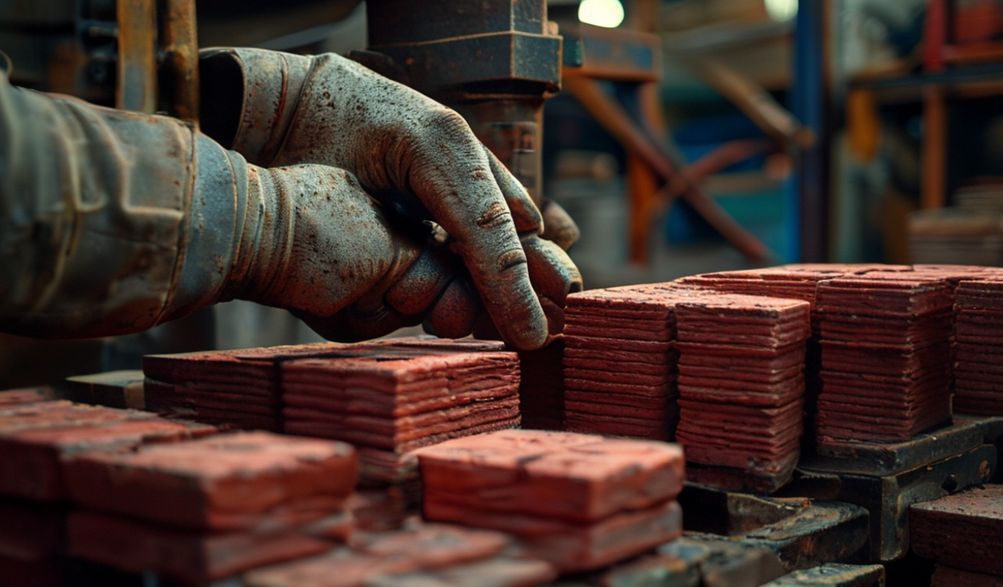
Ingamba y’ingenzi yo Gukoresha Imashini z’Amatafari: Mu ruganda rwa FUDA rukora Amatafari
Intangamarara
Hagati y’isi yose, ibikenewe by’ibikoresho by’ubwubatsi bifite agaciro, bizana kandi bitazimangara, biri ku ngingo nziza cyane. Mu gihe ubwubatsi bwa none bukoresha ikoranabuhanga, amatafari asanzwe aracyari ingenzi mu iterambere, akunzwe kubera ubushyuhe bukomeye, ubuzima bw’igihe kirekire, no kuboneka mu karere. Nyamara, igiciro cyinshi n’imihindagurikire y’ikirere bituruka mu gukora amatafari mu nganda bishobora kuba ikibujije. Aha ni ho ikoranabuhanga rishya, rigaragara rikora uruhare.
Mashini y’amatafari iboneka nk’igisubizo cy’ingenzi, ishirahamwe neza ubuhanga bwa kera n’ubukorikori bwa modire. Ishoboza abacuruzi bato, porogize z’abaturage, n’ibigo by’ubwubatsi byashya gukora amatafari y’ikizamuranga aho bubatsirwa, bigabanya ibiciro kandi byiyongere kwishingikiriza ku bwabo. Ariko gutsinda bigenwa n’ikintu cy’ingenzi: ikizamuranga n’ubwizigamire bw’ayo mashini ubwayo.
Injira mu ruganda rwa FUDA rwubaka amatafari. Hamaze imyaka ibarizwa mu bumenyi bwo gutunganya, FUDA yiyemeje kuba umwe mu batanga ibikoresho byubaka amatafari byihuse kandi bikomeye. Icyo bategereje ni ukutunganya ibikoresho byubaka amatafari bikomeye kandi byoroheje gukoreshwa, bigatuma baba inshuti yizewe y'abubatse ku isi yose.
Iyi rwunganira ikorera nk’inyandikorugero yawe yuzuye. Tuzasobanura neza ubu bucuruzi, dusuzume inyungu z’ingenzi ziburanga, tukazanatwara mu ndaUru ruganda rwubaka rwa FUDAibikorwa byacu bikurikira ubwiza, kandi tugutanga inama z’ingenzi zo guhitamo no gukoresha ibikoresho byawe. Intego yacu ni ugutanga ibisobanuro by’abahanga, bigaragara, bireba uko ibikoresho by’ubwoko bwizamashini yo kubaka amatafariBishobora guhindura ibikoresho by'ingenzi amahirwe.
Ni iki cyuma cyubaka? Gusobanukirwa Tekinoroji
Mu mizi wayo, mashini y’ubumba y’amatafari ni ikinyabiziga gikoreshwa n’abantu cyangwa se gifite sisitemu ya moteri y’amashanyarazi, gihingurwa kugirango gihindure ibikoresho by’ibanze kugira ngo bibe amatafari y’umwimerere. Iyo mashini ihindura uburyo bwa kera bwo gukora amatafari ku maboko, bwabaga butinda kandi budasobanutse, ikoresheje uburyo bwa lever cyangwa flywheel buha ingufu zihuje, bukora amatafari y’umwimerere buri gihe.
Umurimo n'Uburyo Bwo Gukora
Uburyo bwo gukora bukorwa mu buryo bworoshye ariko bukaba bwa nyambere cyane. Ibikoresho byo mu ruganda—urugero: ubutaka, ibumba, cyangwa uruvange rwa sima—bishyirwa mu mafuro. Nyuma, umukozi akoresha sisitemu y’imashini, ikurura ingufu zikomeye zo gukanyaga ibyo bikoresho mu buryo bworoshye mu gishushanyo cya nyambere. Nyuma yo gukanyagurwa, amatafari mashya akuraho, yiteguye gupfundikwa no gukora. Ubu buryo buhuza ubushobozi bw’umuntu n’ingufu z’imashini.
Ibice By’ingenzi n’Inshingano Zabyo
Ubushobozi bwa mashini yo gukora amatafari bushingiye ku ngufu z’ibigize iyo mashini. Dore ibintu bituma mashini ikora neza:
- IkadiriUmugongo w'umashini. Imiterere y'amashashi y'icyuma ikomeye (nk'iyo ikoreshwa na FUDA) ihangana n'ingorane zikomeye zo gukora, ikumira kugonda kandi ishimangira ukurikirana mu myaka y'akazi.
- Ikimenyetso/Mupfure:Iyi mwobo ihinduranya isobanura imiterere n'ingano y'ibumba (kizira, igikomere, gihuza). Gukoresha ibikoresho by'ubukorikori mu buryo bwerekeye ni ngombwa kugirango ibumba bivemo neza kandi bigumane mu ngingo zabyo.
- Uburyo Bwo Gufumbika:Iyi ni umutima w'umashini. Irashobora kuba sisitemu ya lever ihamye, flywheel yo kongera ingufu, cyangwa jakiyi ya hydroliki. Sisitemu iyi ihindura umuhate w'ibikorwa mu mbaraga zihagije zo gukora amatafari y'umukara.
- Hopper: The chamber that holds and guides the raw material into the mold. Its design affects feeding efficiency and material flow.
Ideal Raw Materials for Manual Brick Pressing
Not all soil is created equal. The right material mix is crucial for producing strong, durable bricks.
- Soil Types: A mix containing 25-30% clay and 70-75% sand/silt typically works well. The clay acts as a binder, while the sand reduces shrinkage and cracking.
- Stabilized Mixes: Adding a small percentage (3-10%) of cement or lime to soil creates “stabilized compressed earth blocks,” which gain significant strength and water resistance.
- Material Prep: Soil should be sieved (to under 5mm) and mixed at optimal moisture content (often called “the plastic state”)—damp enough to bind, but not wet. This ensures maximum compaction in the press.
Why Choose a Hand Brick Machine? Advantages and Applications
In an age of automation, the manual brick press holds its ground with unique, compelling benefits that make it the smart choice for a wide range of scenarios.
Guhindura mu Kinyarwanda: "Gukoresha amafaranga mu buryo budashoborwa gusesagurwa ku batangije ndetse n'abikorera bito n'abakiriye"
For new entrepreneurs or small construction firms, capital is key. Hand brick machines offer a compelling financial proposition.
- Gahunda yo Gutangira nke: They cost a fraction of a fully automatic brick plant, dramatically lowering the barrier to entry.
- Ibiciro Bikabije Byo Gukoresha: Requiring no electricity or fossil fuels, the primary running cost is labor. This makes production costs predictable and manageable.
Flexibility and Portability
These machines are the epitome of adaptable, on-demand production.
- Site Independence: Operate anywhere—a remote village, a backyard, or an urban plot. All you need is a level ground and raw materials.
- Product Flexibility: By simply swapping out the mold, a single machine can produce different brick sizes, styles, or even paving slabs to meet specific project demands.
Sustainable and Community-Focused Building
The hand brick machine aligns perfectly with modern sustainable and social development goals.
- Low-Carbon Footprint: It enables the use of locally sourced, often on-site materials, virtually eliminating the transport emissions associated with purchased bricks.
- Economic Empowerment: It creates local jobs and fosters entrepreneurship, allowing communities to build their own homes, schools, and businesses using local resources and labor.
Inside the FUDA Brick Making Factory: A Commitment to Quality
Choosing a machine isn’t just about specs; it’s about trusting the manufacturer behind it. Let’s explore what sets the Uru ruganda rwubaka rwa FUDA apart.
FUDA’s Manufacturing Expertise and Experience
FUDA isn’t a generic machinery supplier. They are specialists with a deep, practical understanding of brick production. With years of focused operation, their expertise is baked into every machine. Their factory is equipped with dedicated production lines for manual presses, implementing strict quality control at each stage—from steel cutting to final assembly and testing. This dedicated R&D focus leads to continuous improvements in lever geometry, mold design, and user ergonomics.
The FUDA Hand Brick Machine Product Line
FUDA offers a range of machines designed for different outputs and materials. Common models include:
- Manual Clay Brick Presses: Designed for high-pressure compression of soil and clay mixes, producing solid, load-bearing bricks.
- Concrete Block Makers: Heavier-duty models capable of producing both solid and hollow concrete blocks with the addition of a vibrator.
Key features that define FUDA machines include reinforced box-section steel frames, precision-machined and heat-treated molds for longevity, and ergonomic designs that reduce operator fatigue, thereby increasing daily output potential.
From Factory to Site: FUDA’s Support System
FUDA’s relationship with a customer doesn’t end at the sale. They ensure the machine reaches you ready to work.
- Global Logistics: Machines are securely packaged and shipped worldwide, with documentation support for smooth customs clearance.
- Comprehensive Support: Buyers receive detailed operation manuals, instructional videos, and clear diagrams. Crucially, FUDA maintains an inventory of standard spare parts—like molds, wear plates, and pins—ensuring you can maintain your machine for its entire lifespan.
How to Select the Right Hand Brick Machine for Your Project
Making an informed choice requires a clear assessment of your needs and a careful evaluation of your options.
Gusuzuma Ibisabwa bya Serivisi zawe
Start by answering these key questions:
- What is your target output (bricks per day or hour)?
- What type and size of brick do you need to produce?
- How many operators will be available?
- Where will the machine be located, and what are the material sources?
Critical Machine Specifications to Compare
When comparing models, focus on these technical details:
- Pressure Capacity: Measured in tons or MPa. Higher pressure generally yields stronger, denser bricks.
- Igihe cyo gukora How long it takes to produce one brick. This directly impacts potential daily output.
- Mold Compatibility: Check what standard and custom mold sizes are available.
- Machine Weight & Footprint: Determines portability and the space needed for operation.
Quality Indicators: What to Look For in a Supplier
Hano ni hoE-E-A-T (Experience, Expertise, Authoritativeness, Trustworthiness) becomes critical. Use FUDA as a benchmark:
- Reputation & Longevity: Prefer established manufacturers with a track record.
- Transparency: A trustworthy supplier will readily provide factory photos, product test videos, and material certifications.
- Evidence of Expertise: Look for detailed technical documentation, case studies, or customer testimonials.
- After-Sales Commitment: The willingness to provide spare parts lists, manuals, and support contact information is a strong trust signal.
Maximizing Your Investment: Operation, Maintenance, and Profitability
A quality machine is the foundation, but proper operation and care determine your long-term success.
Best Practices for Efficient Operation
Follow this streamlined workflow for optimal results:
- Gutegura Ibikoresho: Sieve soil to remove stones and debris. Mix stabilizer (if used) thoroughly and achieve optimal moisture content.
- Gutanga ibiryo & Ugutunganya: Fill the hopper consistently. Operate the lever or flywheel with a steady, full stroke to ensure uniform pressure.
- Guhagarika no Gukoresha: Place ejected bricks carefully on pallets for curing. Avoid stacking them until they have gained initial strength.
- Gukora: Keep bricks moist (by covering with plastic sheeting) for several days to allow cementitious reactions to complete, dramatically increasing final strength.
Simple Maintenance Routine for Longevity
A few minutes of care prevents days of downtime.
- Buri munsi: Clean excess material from the mold, hopper, and ram. Check for loose bolts.
- Buri cyumweru: Apply grease to all moving pivot points and lubrication points as per the manual.
- Periodically: Inspect the mold for wear and check the frame for any signs of stress.
Business Considerations: Cost Analysis and ROI
Understanding your numbers is key to profitability.
- Cost per Brick: Calculate: (Cost of Raw Materials + Labor Cost per Day) / (Bricks Produced per Day). The machine cost is amortized over its lifetime.
- Profit Margin: Subtract your cost per brick from your local selling price. Even a small margin, multiplied by high volume, creates a viable business.
- Key Profit Drivers: Sourcing low-cost or free local materials, training efficient operators, and producing a consistent, high-quality product that commands a good market price.
Bibazo Byinshi Byibazwa (FAQ)
Q1: How many bricks can a manual hand brick machine produce in a day?
A: Output varies by model, operator skill, and workflow organization. A single-operator machine like those from FUDA can typically produce between 800 to 2,500 solid bricks in an 8-hour workday. With a well-organized team handling material prep and brick handling, output can reach the higher end of this range.
Q2: Can I use a hand brick machine for concrete hollow blocks?
A: Standard manual presses are optimized for solid bricks. However, specific semi-automatic models from manufacturers like FUDA incorporate vibration and higher pressure, making them suitable for producing high-quality hollow concrete blocks. It’s essential to choose the machine designed for your desired product.
Q3: What is the lead time and how does shipping from the FUDA factory work?
A: For standard models, FUDA often has ready stock or a short production lead time. Shipping is typically arranged via sea freight for cost-effectiveness, with machines securely packed in wooden crates. The exact timeline and cost depend on the destination port. Contacting the FUDA sales team directly will get you a precise quote and estimated schedule.
Q4: Are spare parts readily available?
A: This is a crucial consideration. Reputable manufacturers like FUDA design their machines with standard, replaceable components. They maintain an inventory of common wear parts such as mold liners, compression rams, and pins, ensuring you can perform maintenance and avoid prolonged downtime.
Q5: What training is required to operate the machine?
A: The operation is fundamentally simple and designed for intuitive use. Comprehensive instruction manuals and video guides are provided. The core training involves learning the correct material mix, mastering the compression stroke rhythm, and understanding the curing process—all of which FUDA’s resources clearly explain.
Ibyo byose
The hand brick machine stands as a powerful testament to appropriate technology—simple, affordable, and profoundly impactful. It democratizes brick production, turning local resources into building blocks for homes, businesses, and community development. As we’ve explored, the success of such a venture hinges not just on the concept, but on the engineered quality and reliability of the equipment you choose.
Investing in a well-designed machine from an experienced and trustworthy manufacturer like the Uru ruganda rwubaka rwa FUDA is the definitive first step. It mitigates risk, ensures consistent product quality, and provides the peace of mind that comes with professional support and available spare parts. This foundation allows you to focus on what matters: building your project and growing your business.
Ready to turn your vision into reality? Take the next step with confidence. Contact the expert team at the FUDA Ikigo Gikora Amatafari today for a personalized consultation, detailed machine specifications, and a transparent quote tailored to your specific project needs and location.
<