
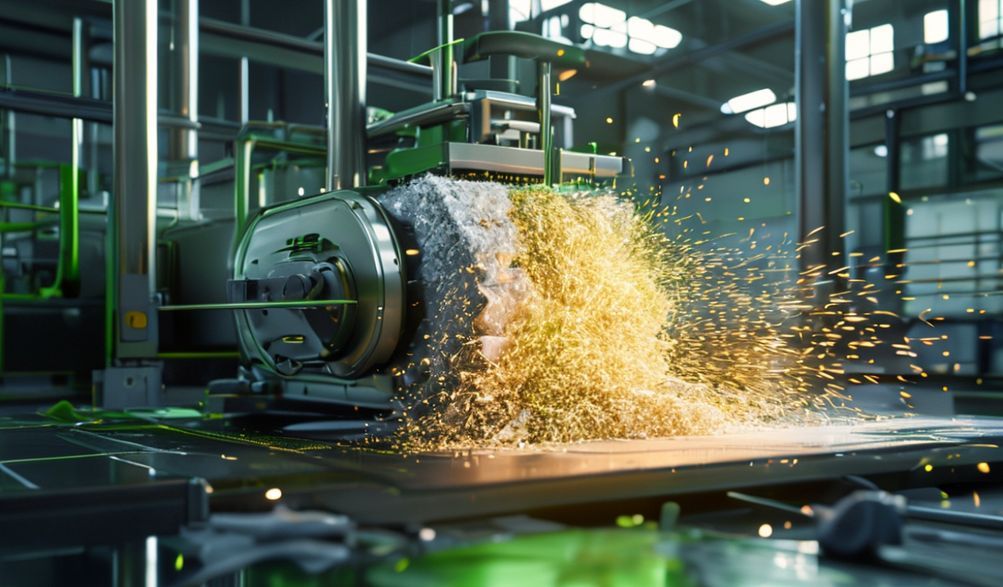
The Ultimate Guide to Paper Brick Maker Machines: Innovation from FUDA Block Making Factory
Our planet is drowning in paper. From offices and schools to packaging and publications, global paper waste constitutes a staggering 26% of total landfill mass. Simultaneously, the construction industry grapples with the environmental toll and rising costs of traditional materials like fired clay and concrete. What if one innovative technology could address both these pressing challenges? Enter the paper brick maker machine—a transformative piece of equipment that turns a ubiquitous waste stream into viable, sustainable building blocks.
This guide delves into the mechanics, benefits, and practicalities of paper brick production. We’ll explore how this technology works and why it represents a significant step toward a circular economy. Furthermore, we’ll anchor our discussion in the expertise of established machinery manufacturers, with a specific focus on the engineering prowess of the Umusozi wa FUDA wubaka amabuye. By marrying sustainable vision with industrial-grade engineering, companies like FUDA are making this green technology robust, reliable, and accessible.
In this comprehensive resource, you will learn:
* The core technology and different types of paper brick maker machines.
* The compelling environmental and economic benefits they offer.
* What to look for when selecting a machine, emphasizing supplier reliability.
* The practical applications and important limitations of paper bricks.
* How legacy manufacturers bring critical durability and support to this innovative field.
Let’s explore how waste is being reimagined into building materials.
What is a Paper Brick Maker Machine? Defining the Technology
A paper brick maker machine is a specialized device designed to process waste paper into dense, compact bricks or blocks suitable for construction. It automates and refines a simple principle: using compression and binding agents to give shredded paper pulp structural integrity. The end goal is to create a uniform, durable product that can replace or supplement traditional bricks in specific applications.
Umurimo Nshingiro n'Uburyo
The transformation from newspaper to building block follows a systematic, though variable, process:
- Collection & Shredding: Waste paper (newspaper, cardboard, office paper) is collected, sorted, and fed into a shredder or hydropulper.
- Pulping: The shredded paper is soaked in water to break down the fibers, creating a slurry or pulp. This can be done in large mixing tanks.
- Gukomatanya: This is the critical stage where binders are added to the pulp. Common binders include Portland cement, clay, lime, or natural adhesives like starch. The mixture determines the brick’s final strength, water resistance, and fire retardancy.
- Gukora & Gukandamiza: The wet pulp mixture is fed into molds within the machine. A high-pressure mechanism—hydraulic, mechanical, or manual—then compresses the mixture, forcing out excess water and air to form a dense block.
- Drying/Curing: The freshly pressed bricks are removed from the molds and left to air-dry or cure. Bricks with cement binders require a curing period to gain strength, similar to concrete.
The final product is a lightweight, often fibrous-looking brick with notable insulating properties. Its strength is sufficient for many non-structural uses, providing a tangible second life for paper waste.
Ubwoko bw'Imashini: Kuva ku Manini Kugeza ku Zikora Byikoresho
The scale of operation dictates the type of machine required:
- Imashini Zikoreshwa mu Gukanda mu Maboko. These are simple, hand-operated lever presses. Ideal for small-scale, community-led projects, DIY enthusiasts, or educational purposes. They have very low output but are affordable and require no power.
- Imitungo Imigendeshwa n'ikiremwamuntu: These electrically or hydraulically powered machines automate the compression cycle, significantly increasing production speed and consistency. An operator typically feeds the mold and removes the finished brick. This is a popular choice for small to medium enterprises (SMEs) and social enterprises.
- Imiyoboro Yikora Yuzuye Itunganya: For industrial-scale production, fully automated systems handle pulping, mixing, molding, compression, and stacking with minimal human intervention. These lines, offered by factories like FUDA, represent the high-capacity end of the market, capable of producing thousands of uniform bricks per day.
Key Benefits of Using a Paper Brick Machine
Adopting paper brick technology isn’t just an ecological statement; it delivers tangible, multifaceted advantages.
Environmental and Sustainability Advantages
- Kuzamura Imyanda: Directly reduces landfill burden by valorizing a major waste stream.
- Kugabanya Imyuka Ihumanya Ikirere Production requires significantly less energy than firing clay bricks or producing concrete blocks, which are carbon-intensive processes.
- Kurengera Ibikoresho Preserves topsoil (used for clay bricks) and reduces quarrying for aggregates. The process also uses less water than traditional brick-making in many cases.
- Circular Economy Model: Embodies the “waste-to-resource” principle, closing the loop on material lifecycles.
Economic and Practical Benefits
- Ultra-Low-Cost Raw Material: Waste paper is often free or available at a very low cost, drastically reducing the primary input expense.
- Decentralized Production: Manufacturing can be set up locally, reducing transportation costs for materials and creating local jobs.
- Kugabanya umutwaro w'ubwubatsi Paper bricks are up to 50% lighter than clay or concrete blocks, potentially allowing for simpler, less expensive foundation designs.
- Built-In Insulation: The cellulose fiber matrix creates excellent thermal and acoustic insulation properties, leading to energy savings in buildings.
- Ubworoheri bwo Gukoresha: They are easier to cut, shape, and handle on-site compared to heavier traditional bricks.
Inside the FUDA Block Making Factory: Expertise in Machinery Manufacturing
Innovation is most effective when built on a foundation of proven expertise. This is where the role of an established manufacturer becomes critical.
FUDA’s Legacy in Block Production Technology
Umusozi wa FUDA wubaka amabuye is not a newcomer to construction machinery. With a legacy built on manufacturing robust and reliable machines for producing conventional concrete blocks, paving stones, and interlocking bricks, FUDA has deep-rooted knowledge in compression mechanics, mold design, and production line engineering. This history is crucial because a paper brick maker, at its core, is a precision compression device. The engineering principles of durability, force distribution, and mold integrity are directly transferable. Choosing a supplier with this background means investing in a machine built with construction-grade principles, not just a conceptual prototype.
Engineering Excellence: Design and Durability Features
When a factory like FUDA applies its expertise to paper brick machinery, several key features stand out:
- Ubwubatsi Bw'ibikorwa Bikomeye: Use of high-grade steel plates and reinforced frames to withstand constant pressure cycles without deformation.
- Sisitemu za Hidroliki Zigenga: For automatic models, reliable and calibrated hydraulic systems ensure consistent pressure is applied every cycle, guaranteeing uniform brick density and strength.
- Hardened Steel Molds: Molds are engineered for precise dimensions and treated for wear resistance, ensuring long life and consistent brick shape.
- Low-Maintenance Design: Focus on serviceability and the use of standard, readily available components for hydraulic and electrical systems.
- Comprehensive Support:Theguhizwa of a supplier like FUDA is demonstrated through detailed technical documentation, clear warranties, availability of spare parts, and potential access to training—essential for operational success.
How to Choose the Right Paper Brick Maker Machine
Selecting the correct machine is a strategic decision. Here’s a framework to guide your evaluation.
Assessing Your Production Needs and Scale
Begin by asking:
* What is my target output (bricks per hour or per day)?
* What is the consistent, local supply of waste paper?
* Is this for a social project, a small business, or an industrial operation?
* What is the available space, power supply, and workforce?
Critical Machine Specifications to Evaluate
- Pressure Capacity: Measured in tons or PSI. Higher pressure generally yields denser, stronger bricks.
- Ubushobozi bwo Gukora Imiterere Ibyahinduka: Can the machine produce different brick sizes and shapes? Does the supplier (like FUDA) offer custom mold design?
- Ingufu n'ikoranabuhanga Decide between manual, electric, or hydraulic operation based on your scale and budget.
- Igihe cyo gukora How many bricks can be produced per hour? This defines your production capacity.
- Akanyamunwa: Ensure the machine fits your allocated workspace, including room for raw material storage and brick drying.
The Importance of Supplier Reliability & After-Sales Support
This cannot be overstated. The machine is a long-term investment.
* Ubuhamya bw'ibikorwa byagenze neza: Prioritize manufacturers with a demonstrable history, like a Umusozi wo gukora amabuye with years of experience.
* Serivisi yo Nyuma yo Kugurisha: Confirm the availability of installation guidance, operational training, and troubleshooting support.
* Warranty & Parts: Understand the warranty terms and the logistics for obtaining spare parts. A reliable factory will have a system for this.
* Technical Transparency: A good supplier will provide clear specifications, material lists, and safety guidelines.
Applications and Building with Paper Bricks
Understanding where and how to use paper bricks is key to successful projects.
Ideal Construction Use Cases
- Non-Load-Bearing Walls: Perfect for interior partition walls, dividing rooms in homes, offices, or workshops.
- Insulating Infill: Used within a timber or steel frame structure, where the frame carries the load and the bricks provide insulation and cladding.
- Temporary & Low-Rise Structures: Ideal for garden walls, sheds, greenhouses, storage units, and exhibition booths.
- Soundproofing Barriers: Their acoustic properties make them suitable for interior walls in recording studios or noisy environments.
Limitations and Important Considerations
Honesty is vital for safety and satisfaction. Paper bricks have limitations:
* Load-Bearing Capacity: They are not suitable for foundation work or primary load-bearing walls in multi-story buildings without specific engineering.
* Moisture Sensitivity: While binders like cement improve resistance, prolonged exposure to water can degrade them. They must be protected from the elements.
* Essential Weatherproofing: In exterior applications, a breathable yet protective render, plaster, or cladding (like wood or siding) is mandatory to shield them from direct rain and moisture.
* Local Building Codes: Always consult with local authorities to ensure the use of paper bricks complies with regional building regulations.
Bibazo Byinshi Byibazwa (FAQ)
Q1: Are paper bricks strong enough for real construction?
Yes, but within specific parameters. Cement-bound paper bricks can achieve compressive strengths suitable for non-load-bearing applications (e.g., interior walls, infill). They are a viable construction material but are not a direct, like-for-like replacement for structural clay or concrete bricks. Proper design is essential.
Q2: How much paper waste is needed to produce a brick?
It varies by brick size and density. As a rough estimate, approximately 1.5 to 2 kilograms of loose waste paper can be compressed into a standard-sized brick (similar to a clay brick) when mixed with a binder.
Q3: What binders are used with the paper pulp?
The most common are Portland cement (for strength and moisture resistance), clay (a natural, low-cost option), and sometimes natural starches or lime. Cement is popular for permanent structures, while clay or starch may be used for more temporary or ecological builds.
Q4: Can a FUDA paper brick machine be customized?
Reputable manufacturers like Umusozi wa FUDA wubaka amabuye often provide customization options. This can include tailoring the machine’s production capacity, brick dimensions, mold shapes, and even the degree of automation to fit specific project requirements. It’s best to inquire directly with their engineering team.
Q5: What is the typical ROI (Return on Investment) for such a machine?
ROI depends heavily on local factors: the cost of waste paper (often negligible), the market price of alternative bricks, your production scale, and labor costs. A small semi-automatic machine for a community project may pay off in saved material costs quickly. For a commercial operation, a detailed business model factoring in all inputs, machine cost, and output value is necessary.
Ibyo byose
The paper brick maker machine stands at the intersection of environmental stewardship and practical innovation. It offers a compelling pathway to reduce waste, lower construction costs, and create energy-efficient buildings. This technology proves that sustainability and practicality can be engineered together.
However, the success of any such venture hinges on the quality and reliability of the equipment. This is where the expertise of an established Umusozi wo gukora amabuyenkamweFUDA becomes invaluable. Their legacy in precision machinery manufacturing provides the engineering foundation necessary for durable, efficient, and productive paper brick production. Partnering with a trustworthy manufacturer ensures you receive not just a machine, but the technical support and reliability needed for long-term success.
We encourage you to use this guide as a starting point. Research further, connect with manufacturers to request detailed specifications, and consider initiating a pilot project. By exploring paper brick technology, you’re not just building structures—you’re helping to build a more sustainable and resource-smart future.
<