
The Ultimate Guide to Brick Automatic Pressing Machines: Efficiency, Types & Selection
Intangamarara
The global brick market, projected to exceed $3 trillion by 2030, is undergoing a seismic shift. This growth is driven not by traditional, laborious methods, but by a relentless push for efficiency and sustainability. For decades, manufacturers have grappled with the inherent challenges of manual brick production: inconsistent quality, staggering labor costs, high material waste, and production speeds that simply can’t meet modern demand. In an era calling for smarter, greener construction, these traditional methods are becoming a liability.
Injira umwanzuro wihariye:mashini y'ikomatanyamabuye y'ibumba itunganya. This sophisticated piece of industrial engineering is revolutionizing how we produce the fundamental building blocks of our world. It represents the critical pivot from artisanal craft to precise, high-volume manufacturing.
This comprehensive guide is designed to cut through the technical noise. Synthesizing deep industry knowledge, operational experience, and current market trends, we provide a definitive resource for manufacturers, builders, and entrepreneurs. Our purpose is to equip you with the insights needed to make a confident, informed decision about this pivotal investment. By the end of this article, you will understand not just how an automatic brick press works, but also its profound benefits, the key criteria for selecting the right model for your business, and the future trends shaping this dynamic industry.
Ni iki gikoresho cya Brick Automatic Pressing Machine? Tekinoroji yo mu gifunguru yasobanuwe
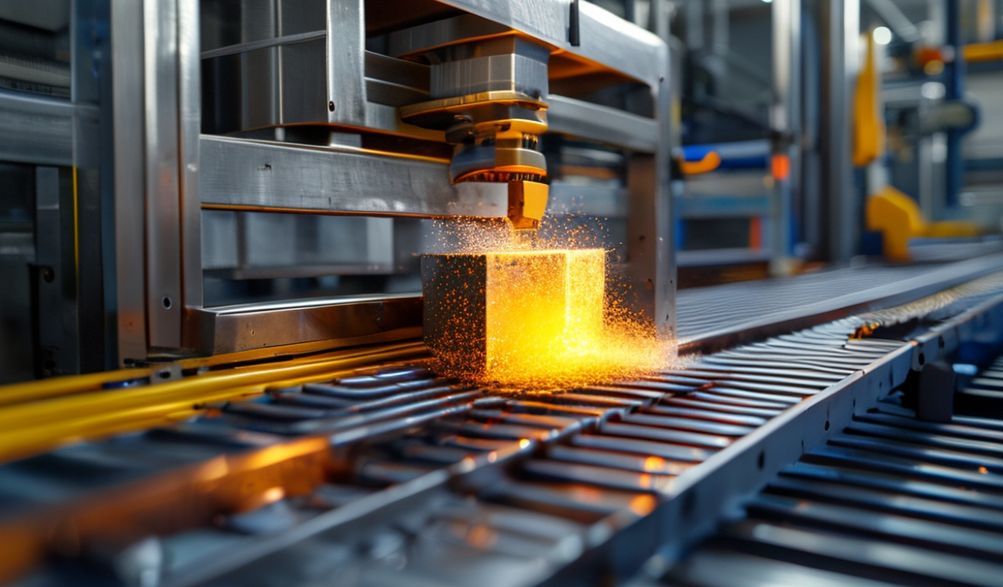
At its core, a brick automatic pressing machine is a programmable industrial system designed to form bricks or blocks from raw material using high-pressure compaction. It automates the entire sequence from raw feed to finished product, ensuring remarkable consistency and speed.
Uburyo Bw'ikorwa Rusange: Kuva ku By'ingenzi Kugeza ku Byuma Byakozwe
The process is a marvel of automated coordination. While specific sequences vary by machine type, the fundamental workflow follows these stages:
- Feeding & Proportioning: Raw materials (e.g., soil, fly ash, cement) are automatically fed from hoppers into the system in precise, pre-set ratios.
- Gukomatanya: Materials are thoroughly blended, often with a controlled amount of water, to achieve a homogeneous mixture with optimal moisture content for compaction.
- Gukora ibikoresho The mix is conveyed into a heavy-duty steel mold cavity.
- High-Pressure Pressing: A hydraulic or mechanical ram applies immense, calibrated pressure (often hundreds of tons) to the material within the mold. This compaction is what gives the brick its density and strength.
- Guhagarika The newly formed, “green” brick is automatically ejected from the mold onto a pallet or conveyor.
- Gukora: The bricks are transported (often via automated stackers and unstackers) to a curing area, where they gain final strength through air drying, steam curing, or chemical setting.
This continuous, cyclical process transforms raw, loose material into perfectly uniform, high-strength bricks with minimal human intervention.
Ingingo Nyamukuru n'Imikorere Yazo
Understanding the main components demystifies the machine’s operation:
- Pakete y’imbaraga z’amazi & ImyanyagiroThe“heart” of most modern machines. It generates the immense, controllable force required for compaction. The precision of a hydraulic system directly impacts brick quality.
- Kontoro y'ibikorwa remezo ishobora gubahirizwa (PLC):The“brain.” This computer automates the entire pressing cycle, manages timing, monitors sensors, and allows for easy adjustment of parameters for different products.
- Guhuza Imodari:The“form.” This interchangeable, hardened steel component defines the brick’s shape, size, and surface texture. Different molds allow one machine to produce various products.
- Feeding & Conveying System:The“circulatory system.” Includes belt conveyors, screw feeders, and pallet feeders that move raw material and finished products seamlessly through the production line.
- Umutwe & Imiterere:The“skeleton.” A robust, vibration-resistant steel frame that withstands the tremendous forces generated during operation.
Types of Materials It Can Process
The versatility of these machines is a key advantage. They are engineered to process a wide array of materials, promoting both sustainability and local sourcing:
- Gakondo: Clay, laterite soil.
- Ibikomoka mu bukungu: Fly ash (from coal plants), slag (from steel mills), foundry sand.
- Construction Materials: Cement, concrete, crushed stone aggregates.
- Stabilized Earth: Soil mixed with a small percentage of cement or lime.
This ability to utilize waste streams like fly ash directly links brick production to circular economy principles, turning an environmental liability into a valuable resource.
Key Advantages of Automating Your Brick Production
Investing in automation is a strategic business decision with quantifiable returns across multiple fronts.
Unmatched Production Efficiency & Output Consistency
- High-Speed Cycling: Machines operate with cycle times measured in seconds, producing thousands of bricks per shift. Many models are designed for 24/7 operation with minimal downtime.
- Gukuraho amakosa y’abantu. Every brick is pressed with identical force, fill, and timing. This results in uniform dimensions, weight, and compressive strength, batch after batch. Consistency is no longer an aspiration; it’s a guarantee.
Significant Reduction in Labor Costs & Operational Overheads
A fully automatic line can replace a large manual workforce. Where a traditional yard might require 20-30 people for mixing, molding, and handling, an automated system may need only 2-3 operators for monitoring and supervision. This dramatically reduces long-term wage bills, management overhead, and reliance on scarce skilled labor.
Superior Product Quality and Strength
The controlled, high-pressure compaction (often 150-300+ tons) creates a denser molecular structure than manual tamping or slop molding can achieve.
* Imbaraga z’ukubura ndengakarengane: Essential for multi-story construction.
* Lower Water Absorption: Leads to better frost resistance and durability.
* Excellent Dimensional Accuracy: Simplifies bricklaying, reduces mortar use, and improves the aesthetic finish of walls.
Enhanced Sustainability and Waste Reduction
Automation is inherently greener:
* Precise Material Usage: Software-controlled feeding minimizes raw material waste.
* Recycled Content: As noted, machines excel at using industrial waste like fly ash, reducing landfill burden and the carbon footprint of virgin material extraction.
* Ubushobozi bwo Gukoresha Ingufu: Modern electric/hydraulic systems and optimized cycles use less energy per brick than traditional clamp firing or even older extrusion methods.
Types of Brick Automatic Pressing Machines
Navigating the market requires understanding the primary categories of machines available.
By Operation Method: Fully Automatic vs. Semi-Automatic
| Feature | Fully Automatic Machine | Semi-Automatic Machine |
| :— | :— | :— |
| Human Intervention | Minimal. Entire process (feeding to stacking) is automated. | Significant. Often requires manual feeding of material or removal of finished bricks. |
| Output Rate | Very High (10,000+ bricks per 8-hour shift) | Moderate (2,000 – 6,000 bricks per shift) |
| Invesiture yo Mbere | Higher | Lower |
| Umwenda w'Abakozi | Low (1-2 operators) | Medium (3-6 operators) |
| Ideal For | Large-scale production, 24/7 operation, markets with high labor costs. | Start-ups, smaller-scale projects, regions with lower labor costs, or for producing specialized, lower-volume products. |
By Driving System: Hydraulic vs. Mechanical Press
- Prisi ya Hydrauliki: The industry standard for high-quality brick production. Uses pressurized fluid to drive the ram.
- Inziza: Infinitely variable pressure control, higher achievable pressure (for stronger bricks), smoother operation, quieter, better for intricate shapes like interlocking bricks.
- Ibibi: Generally higher maintenance requirements for the hydraulic system, potentially higher initial cost.
- Imashini yo Gutera: Uses a flywheel and clutch mechanism to drive a crank or toggle.
- Inziza: Often faster cycle times for simple shapes, potentially lower upfront cost, simpler maintenance.
- Ibibi: Fixed pressure settings, less suitable for very high-density products, can be noisier and cause more vibration.
For most applications requiring high-strength, interlocking, or paving bricks, hydraulic presses are the recommended choice due to their superior pressure control and versatility.
By End Product: Specialized Machines
While many machines are multi-purpose with mold changes, some are optimized for specific products:
* Imashini z'ibyatsi by'ibumba byahurijwe: Designed for high pressure to produce bricks that lock together without mortar.
* Imashini z’ibikoresho by’ibyumba by’amabuye y’urugomero: Feature core rods in the mold to create the hollow cavities that reduce weight and improve insulation.
* Paver & Curbstone Machines: Often have vibration systems in addition to pressing to create highly dense, wear-resistant surface products.
* Solid Block Machines: The workhorses for standard construction blocks.
How to Choose the Right Machine for Your Business
Selecting a machine is not about buying the most powerful or cheapest option; it’s about finding the perfect fit for your specific business case.
Assess Your Core Requirements
Start by answering these foundational questions:
* Ubwoko bwa brike: What is your primary product? (Hollow block, paver, interlocking brick?)
* Ubushobozi bwo gukora: What is your target daily or monthly output in bricks or cubic meters?
* Ibikoresho by'ibanze: What materials are locally and affordably available to you? (This dictates machine settings and mold design).
* Space & Power: What is the floor space in your factory? What is your electrical power capacity (3-phase)?
Critical Technical Specifications to Scrutinize
When comparing models, these specs are non-negotiable:
* Pressure Capacity (Tonnage): Directly correlates to final brick strength. For soil-cement blocks, 80-150 tons may suffice. For high-end concrete pavers or interlocking bricks, 200-350+ tons is common.
* Igihe cyo gukora The time to produce one brick/pallet. Faster cycles mean higher output.
* Mold Size & Customization: Can the manufacturer provide or customize molds for your specific brick design? What is the lead time and cost?
* Automation Level & Control: A user-friendly, color touchscreen PLC interface is invaluable for operators. Look for features like fault diagnostics, production counters, and password-protected recipe storage.
Evaluating Manufacturer Reputation and Support
The machine is only as good as the company behind it. Apply E-E-A-T principles to your supplier vetting:
- Uburambe: How long have they been manufacturing these machines? Ask for a client portfolio and references, especially from businesses in your region.
- Ubumenyi Do they have an in-house R&D team? Is their technical support team accessible and knowledgeable? Can they provide detailed process engineering advice?
- Ubushobozi bwo kugira uburenganzira: Look for recognized certifications like CE (EU safety), ISO 9001 (quality management), and other relevant industry standards. Patents can indicate innovation.
- Ubushobozi bwo kwiringirwa: Critically assess their after-sales service. What is the warranty period? How readily available are spare parts? Do they offer on-site installation, commissioning, and operator training? A supplier who disappears after the sale is a major risk.
Understanding the Total Cost of Ownership (TCO)
Look beyond the initial invoice. The true cost includes:
* Igiciro cyo Kugura
* Shipping, Installation, and Commissioning
* Operator Training
* Spare Parts Inventory (initial set)
* Estimated Energy Consumption
* Planned Preventive Maintenance Costs
* Potential future mold costs
A slightly more expensive machine from a reputable supplier with lower energy use and excellent support often has a lower TCO and a faster payback period.
Operational Best Practices and Maintenance
Proactive care maximizes uptime, extends machine life, and ensures consistent product quality.
Essential Daily and Weekly Maintenance Checklist
- Buri munsi:
- Clean the machine, especially the mold area and feed hopper.
- Check hydraulic oil level and for any visible leaks.
- Lubricate all guide rods and moving parts as per the manual.
- Visually inspect hoses, belts, and electrical connections.
- Weekly/Monthly:
- Tighten bolts and check for loose fittings on the frame and mold.
- Clean or replace hydraulic oil filters.
- Check and calibrate pressure settings if needed.
Common Operational Issues and Troubleshooting Tips
- Brick Sticking in Mold: Usually caused by a worn mold, insufficient mold release agent, or incorrect moisture content in the raw mix.
- Low Brick Strength: Check if hydraulic pressure is set correctly. The most common cause is an incorrect raw material mix design (too much water, not enough cement/binder).
- Hydraulic Oil Overheating: Check oil level and cooler fins. The system may be overworked or have a failing pump.
- Inconsistent Brick Height: Often related to an inconsistent feed volume into the mold chamber. Check the feeding system for blockages or wear.
Ensuring Operator Safety
- Always follow Lockout-Tagout (LOTO) procedures before performing any maintenance.
- Ensure all safety guards and light curtains are in place and functional.
- Provide comprehensive safety training to all personnel, emphasizing the dangers of pinch points, high pressure, and moving parts.
The Future of Brick Manufacturing: Trends and Innovations
The evolution of the brick pressing machine is accelerating, driven by digitalization and sustainability.
Integration with IoT and Smart Factories
Machines are becoming nodes on the industrial internet. Future and current high-end models feature:
* Remote Monitoring: Owners can view real-time production data, machine status, and receive fault alerts on a smartphone.
* Predictive Maintenance: Sensors analyze vibration, temperature, and pressure trends to forecast component failures before they cause downtime.
* Production Analytics: Dashboards track Overall Equipment Effectiveness (OEE), material consumption rates, and energy use per thousand bricks, enabling data-driven optimization.
Advancements in Eco-Friendly Production
The push for green construction will intensify. Expect:
* Carbon-Capturing Bricks: Formulations that actively sequester CO₂ during the curing process.
* Advanced Geopolymer Binders: Moving beyond Portland cement to alkali-activated binders made entirely from industrial waste, with a much lower carbon footprint.
* Energy Recovery Systems: Systems that capture and reuse energy from the braking/deceleration of heavy rams.
Increased Customization and Flexibility
Demand for architecturally unique bricks is growing. Machines will respond with:
* Rapid Mold Change Systems: Allowing switchovers between different brick products in minutes instead of hours.
* Software-Driven Design: CAD/CAM integration will allow for easy programming of complex, non-standard brick shapes directly from digital files.
Bibazo Byinshi Byibazwa (FAQ)
Q1: What is the average production capacity of a standard automatic brick pressing machine?
Capacity varies enormously. A semi-automatic machine may produce 2,000-4,000 bricks (standard 8-inch equivalent) per 8-hour shift. A fully automatic line can produce 10,000 to 20,000+ bricks in the same period, with some high-speed models exceeding 30,000.
Q2: How much does a brick automatic pressing machine cost?
Prices range from around $25,000 USD for a basic semi-automatic model to $150,000 – $300,000+ for a high-output, fully automatic production line with conveyors and stackers. The final cost depends on automation level, pressure capacity, brand, and included accessories.
Q3: Can one machine produce different types and sizes of bricks?
Yes, this is a key advantage. By changing the mold and adjusting the PLC program parameters (pressure, fill depth, cycle time), a single machine can typically produce a range of solid, hollow, and interlocking products. The ease and speed of mold changeover is a feature to discuss with your supplier.
Q4: What is the typical payback period for investing in this machinery?
With significant labor savings and increased output, payback periods can be attractive. For a medium-sized operation, a period of 12 to 24 months is common. This depends heavily on local market conditions, labor costs, machine utilization, and the selling price of your bricks.
Q5: What are the most common raw materials used, and do they need special preparation?
Fly ash/cement, soil/cement, and concrete/crushed stone are very common. Yes, preparation is crucial. Materials typically need to be sieved to remove large debris and mixed to a specific, controlled moisture content (often called “optimum moisture content”) to ensure proper compaction and strength.
Q6: How important is after-sales service when selecting a manufacturer?
It is critically important, often more so than a marginal price difference. A reliable supplier with readily available spare parts and a responsive technical support team will minimize costly downtime and ensure your investment is productive for its entire lifespan. Always prioritize service reputation.
Ibyo byose
Themashini y'ikomatanyamabuye y'ibumba itunganya stands as a cornerstone technology for the future of construction material production. It is far more than a piece of factory equipment; it is a strategic asset that directly addresses the core challenges of efficiency, quality, cost, and sustainability. By automating the pressing process, businesses unlock unprecedented levels of consistency and output while positioning themselves as modern, environmentally conscious operators.
Your investment decision, therefore, should be framed not as a simple purchase, but as a long-term partnership for growth. It requires a careful balance of technical specifications, supplier credibility, and a clear-eyed analysis of your own operational needs. Thoroughly assess your requirements, diligently vet manufacturers against the E-E-A-T framework, and consider the Total Cost of Ownership.
Embracing this technology is a definitive step toward leading the market. It prepares your business to meet the rising demand for high-quality, sustainable building materials, ensuring you are built to last, just like the superior bricks you will produce.
Ready to transform your brick production? The next step is to turn this knowledge into action. [Download our comprehensive specification checklist] to systematically evaluate your needs and potential suppliers, or [contact our team of industry experts] for a personalized consultation tailored to your business goals.
<