1. Intangamarara
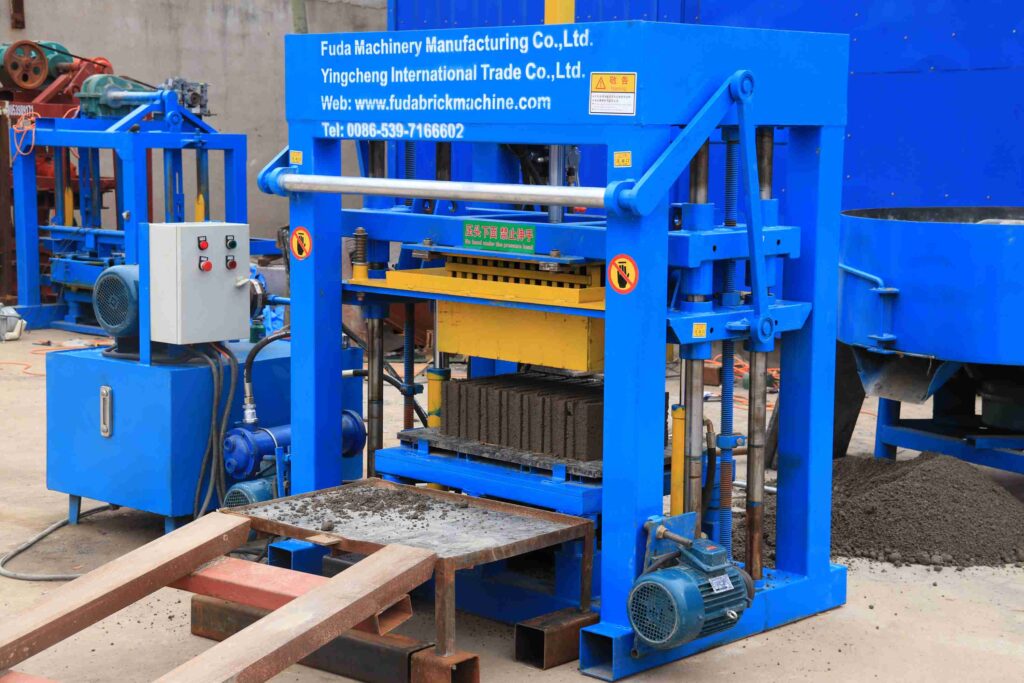
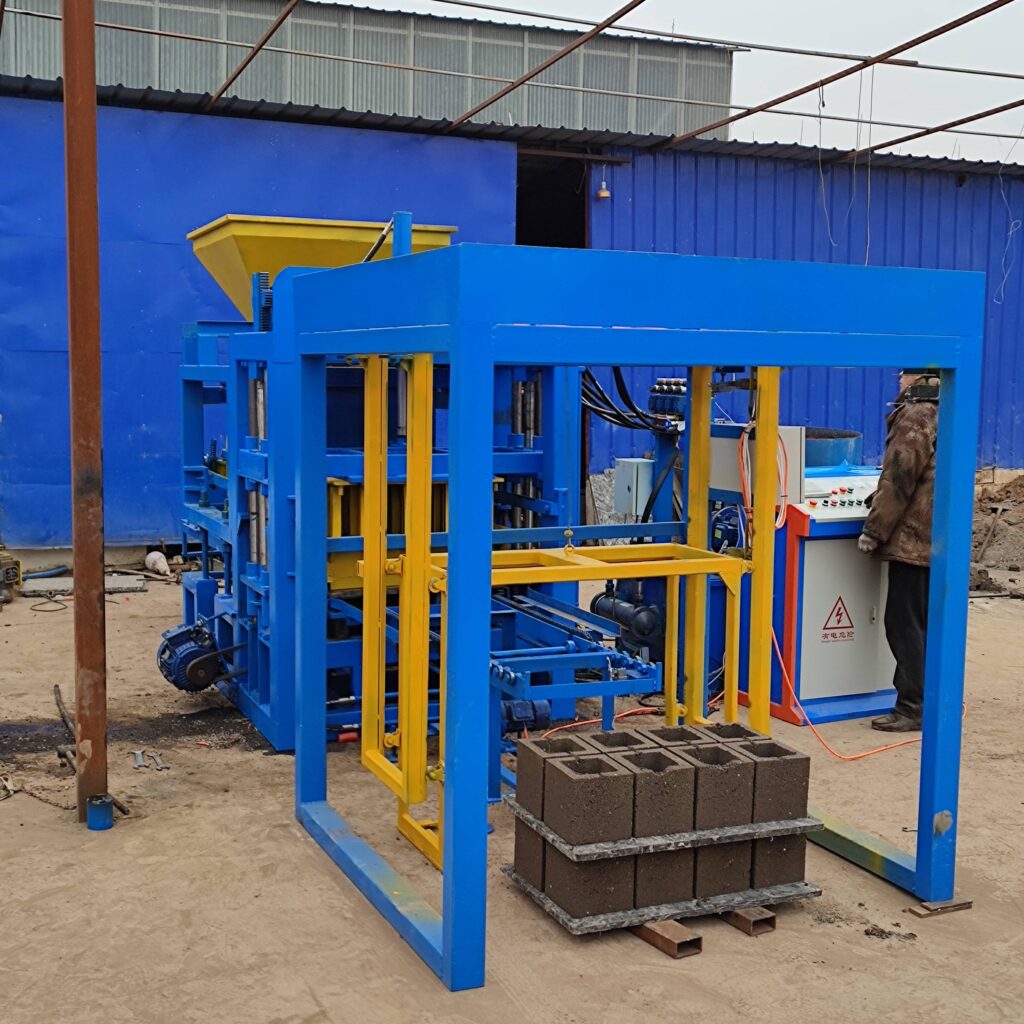
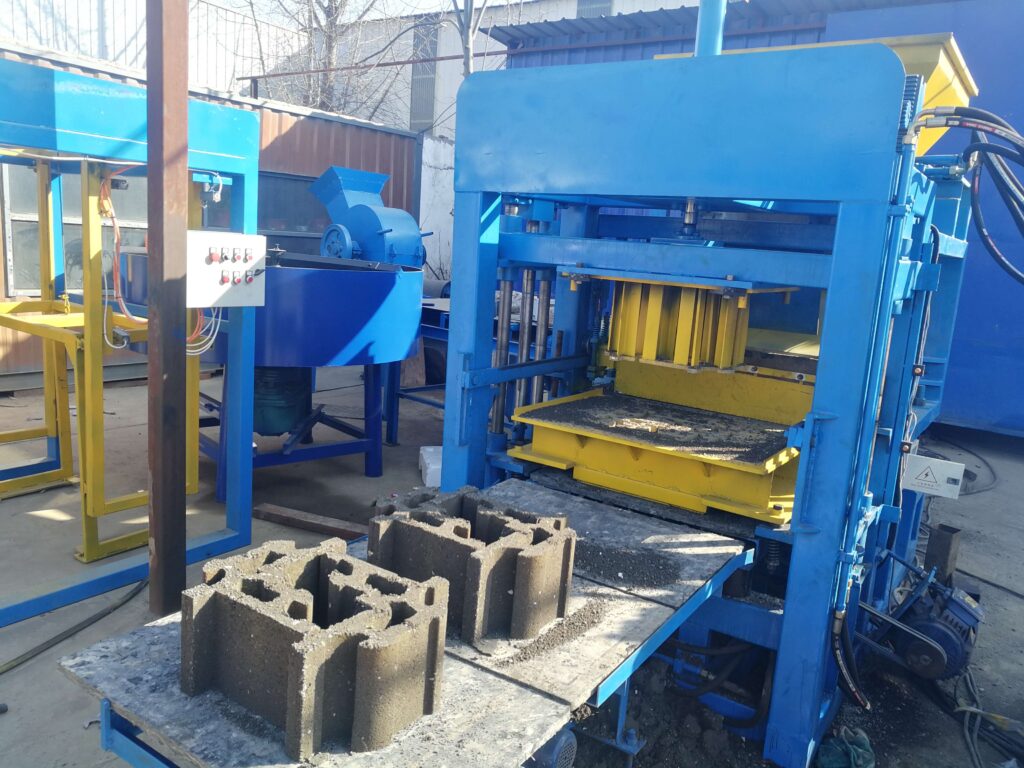
Imashini z’ibyuma zikoresha amashanyarazi kugirango zikande amatafari (hydraulic brick press machines) zikubiyemo ubwiza buhambaye mu gukora amatafari, zikoresheje imbaraga z’amashanyarazi kugirango zikande amatafari y’ubwoko bwa kijyambere (amatafari ya sima, ya fly ash, ahuriranye, afite amabanga, n’ayuzuye) ahuje n’ibisabwa mu buhinzi no mu kubaka. Ntizikunda imashini zikoresha imbaraga z’ikinyabiziga (mechanical presses), imashini zikoresha amashanyarazi (hydraulic systems) zikora mu buryo bwegereye, buhoraho—bikenewe cyane mu gukora amatafari afite ubunini buhamye, imbaraga zo guhanika, n’ubuziranenge mu mubiri. Ku basangira, abagurisha mu buryo bwa grosi, n’abaguzi bakora mu rwego rwa B2B, imashini z’ibyuma zikoresha amashanyarazi kugirango zikande amatafari zihariye nk’ikintu cy’agaciro kanini, bitewe n’ishaka ry’isi yose ry’ibikoresho byubaka bihoraho, iterambere ry’ibikorwa remezo, n’imikorere ikora neza.
2. Imikorere ya Sisitemu ya Hydraulique: Uko Imashini za Hydraulique z’Amatafari Zikora
2.1 Ubuhanga Bw’ingufu Z’amazi Bw’ishingiro Bwo Gukandagira Ibikoresho
Imashini z’ibyuma zikoresha amazi zikora ku gitekerezo cya Pascal—zohereza ingufu binyuze mu mazi adashobora kugabanuka (amavuta y’amazi) kugira ngo zikore umushyitsi ukomeye wo gushyira hamwe ibikoresho by’ibyapa. Gusobanukirwa ubu bukoresha ni ngombwa ku bafatanyabikorwa bwa B2B kugira ngo basobanurire abakiriya inyungu z’ibikorwa byazo no gukemura ibibazo by’urwego.
- Inyandiko y’amashanyarazi y’amazi (HPU)Umuti w'umashini, ukomoka ku moteri ya elegitoroniki (5-50 HP), pompe hydrolike (ubwoko bwa gear, piston, cyangwa vane), akazu, akayunguruzo, na valivu yo kudindiza umuheto. Pompe ishindura ingufu z'umashini kuba ingufu za hydrolike, isunika amavuta mu sisitemu mu gihe cy'umushinga ukomeye (15-40 MPa / 2200-5800 psi)—ubwo buryo busaba gukanyaga ibikoresho bya bloke (beto, ivu ry'umuriro, ibyegeranyo) kugirango bikore amabuye y'ibuye y'umwimerere, akomeye.
- Silindiri za HydraulikiSilinda imwe cyangwa ebyiri (bitewe n'ubunini bwa mashini) zihindura ingufu ya hydrolik ikazongera ihinduka ingufu ya mekanike. Izisilinda zifite inkoni zishushanyije chrome hamwe n'ibitangaza by'umutekano w'umutungo ukomeye kugirango zishobore kwihanganira uburyo bwo gushishikarwa bukomeje. Mu gukora ibyatsi, izi silinda zishyirwa hejuru y'iforoma neza, zikamanura ingufu hasi kugirango zishishikarize ibikoresho.
- Valivu zo GucungaValivu z'itegeko z'umurongo ziteganya umuyoboro w'amavuta ujya mu mibumbe, zikwiza umuvuduko n'urutonde rw'umuvuduko w'igikorwa cyo gukandagira (kuzuza, guhanahana, gufata, gusubira inyuma). Valivu z'itegeko z'umuvuduko zikomeza umuvuduko w'igikorwa cyo guhanahana, kandi valivu z'itegeko z'umuyoboro zihindura igihe cy'umuvuduko (amasegonda 5-15 kuri buri bloke, bitewe n'ubunini n'ibikoresho).
- Amazi y’amashanyaraziAmavuta ya hydraulike y'ikirenga (ISO 32, 46, cyangwa 68 viscosity) atwara ingufu, agira amavuta ibintu, kandi akumira ubushyuhe. Amazi agomba guhuzwa n'ibipfundikizo kandi akumira oxidation, ibyanduye, n'ubushyuhe bukabije (urwego rw'igikorwa: -10°C kugeza 60°C).
- Sisitemu yo gupfunyikaAbikoresho bubira amavuta (bikoresha umwuka cyangwa amazi) birinda gushyuha cyane, kuko sisitemu za hydraulic zikora ubushyuhe mu gihe cyo gukanyaga. Gushyuha cyane (ubushyuhe bw'amavuta >60°C) bigabanya ubwiza bw'umuyoboro no kurimbika ibipfunganyirizo, bigatuma ubuzima bw'umashini bugabanuka.
2.2 Imikorere yo Gukora Ibikoresho bya Block Ukoresheje Imashini z’Amapreseri
Imashini z’ibyuma zikoresha amashanyarazi zikora amatafari zorohereza gukora amatafari mu buryo bwikora burambuye, bukoresha imikorere y’imashini igenga ku buryo bwihuse kandi bungana.
- Gutegura IbikoreshoIbikoresho byo gucukura (siman, umusenyi, ibikomoka ku musenyi, ivu ry’umuriro, amazi) bihuriye kandi bikavangwa kugirango bibone ubwumvikane bwiza (kugwa: 20-40mm kuri siman). Ibiyivangwa bigomba kuba byumvikanye kugirango bihaminire gukanyagwa kw’umubare (imashini zikoresha ingufu z’amazi zikora neza n’ibiyivangwa bifite ubwibobere buke (10-15% by’amazi) kugirango bidakate siman mu gihe cyo gukanyagwa.
- Gukoresha ImodariIbintu byavangiye bihanagurwa mu mwobo w’ibikoresho byihariye (bihindurwamo ubunini/imirasire) binyuze mu cyuma cyo gutanga cyangwa mu cyuma cyo kuzamura. Imyobo y’ibikoresho ihanaguwe neza (bishobora kuba birenze cyangwa bigabanukeho milimetero 0,3) kugira ngo ubunini bw’ibikoresho bubashe kuhura n’ibisabwa (urugero: ibikoresho bifite imyobo 390×190×190mm, ibikoresho byuzuye 240×115×57mm, amabuye y’inzira ahurira 200×100×60mm).
- Guhindura Umwanda:
- Fill Stage: The mold is filled with material, and the feeder retracts.
- Pre-Press: A low-pressure (5-10 MPa) pre-compaction removes air pockets and levels the material surface.
- Main Compaction: High pressure (15-40 MPa) is applied for 3-8 seconds, compacting the material to the desired density (1800-2400 kg/m³ for concrete blocks). Hydraulic systems deliver gradual, uniform pressure—critical for preventing block delamination or internal cracks.
- Hold Stage: Pressure is maintained for 1-2 seconds to ensure material consolidation.
- Retract: The hydraulic cylinder retracts, and the mold opens.
- Demolding and Transfer: The compacted block (green block) is ejected from the mold onto a transfer conveyor. Hydraulic presses use gentle demolding force to avoid block damage—some models integrate air blasts or release agents for sticky materials.
- Curing and Finishing: Green blocks are cured (steam, ambient, or autoclave) to achieve full strength, then stacked or finished (sandblasting, staining) for decorative applications.
2.3 Key Advantages of Hydraulic vs. Mechanical Presses for Block Making
Hydraulic brick press machines outperform mechanical presses in block manufacturing, offering unique benefits that appeal to B2B purchasers:
- Controlled Pressure: Hydraulic systems deliver precise, adjustable pressure (15-40 MPa), allowing production of blocks with varying strength requirements (10-30 N/mm² compressive strength). Mechanical presses rely on spring or flywheel force, which is less consistent and harder to adjust.
- Uniform Compaction: Hydraulic pressure is distributed evenly across the mold surface, resulting in blocks with consistent density and strength—critical for load-bearing applications (e.g., walls, infrastructure). Mechanical presses often produce uneven compaction, leading to weak spots.
- Versatility: Hydraulic presses accommodate a wide range of block types (hollow, solid, interlocking, fly ash, recycled material) and sizes via interchangeable molds. Mechanical presses are limited to specific block designs due to fixed mechanical settings.
- Low Noise and Vibration: Hydraulic systems operate at 70-85 dB (vs. 85-100 dB for mechanical presses), reducing workplace noise pollution. Lower vibration extends machine lifespan and reduces maintenance.
- Energy Efficiency: Modern hydraulic presses use variable-frequency drives (VFDs) and energy recovery systems to reduce power consumption by 20-30% compared to mechanical presses. This lowers operational costs for purchasers.
- Overload Protection: Pressure relief valves prevent damage from excessive load (e.g., overfilled molds), reducing downtime and repair costs. Mechanical presses lack this safety feature, increasing the risk of component failure.
3. Machine Specifications and Block-Type Compatibility
3.1 Key Technical Specifications for B2B Evaluation
When sourcing hydraulic brick press machines to make blocks, B2B stakeholders must evaluate critical specifications that directly impact production capacity, block quality, and operational efficiency:
- Compaction Pressure: 15-40 MPa (2200-5800 psi). Higher pressure (25-40 MPa) is required for high-strength blocks (20-30 N/mm²) or dense materials (e.g., fly ash, recycled concrete). Lower pressure (15-25 MPa) suffices for non-load-bearing blocks (10-15 N/mm²).
- Ubushobozi bwo Gukora: Measured in blocks per hour (bph) or blocks per day (8-hour shift):
- Small-scale: 100-300 bph / 800-2400 blocks/day (semi-automatic, manual feeding).
- Medium-scale: 300-800 bph / 2400-6400 blocks/day (semi-automatic, automated feeding).
- Large-scale: 800-2000+ bph / 6400-16,000+ blocks/day (fully automatic, integrated production lines).
- Mold Compatibility: Number of mold cavities (1-6) and interchangeability. Machines with quick-change mold systems (5-10 minutes per change) improve flexibility for multi-block production.
- Hydraulic System Features: Pump type (piston pumps offer higher pressure precision), cylinder diameter (100-300mm), and oil tank capacity (50-200L). Larger tanks and high-efficiency filters reduce fluid contamination.
- Ibisabwa by'ingufu: Electric (380V/415V, 3-phase) or dual-power (electric + diesel) options. Power consumption: 5-15 kW (small-scale), 15-30 kW (medium-scale), 30-50+ kW (large-scale).
- Dimensions and Weight: Floor space requirements (1.5×2m to 5×8m) and weight (500kg to 10,000kg) impact installation and transportation. Mobile models (trailer-mounted) are available for on-site block production.
- Automation Level:
- Manual: Operator-controlled feeding, pressing, and demolding (small-scale).
- Semi-automatic: Automated pressing and demolding, manual feeding (medium-scale).
- Fully automatic: Integrated with batching, feeding, curing, and stacking systems (large-scale).
3.2 Block-Type Compatibility: Optimizing for Specific Applications
Hydraulic brick press machines are designed to produce various block types, each requiring specific machine adjustments and mold designs. B2B stakeholders should match machine capabilities to client block production needs:
3.2.1 Concrete Hollow Blocks
- Machine Requirements: Compaction pressure 20-25 MPa, mold with hollow core inserts (2-4 cores), vibratory feeding to ensure material fills core cavities.
- Key Specifications: Size (390×190×190mm, 390×90×190mm), compressive strength 10-15 N/mm², density 1600-1800 kg/m³.
- Abakiriya Barangwa: Construction firms, building material suppliers (residential/commercial walls).
- Machine Sizing: Medium-scale semi-automatic (300-600 bph) or large-scale automatic (800+ bph) machines.
3.2.2 Solid Concrete Blocks
- Machine Requirements: Compaction pressure 25-30 MPa, solid mold design, high material density control.
- Key Specifications: Size (240×115×57mm, 200×200×100mm), compressive strength 15-25 N/mm², density 2000-2200 kg/m³.
- Abakiriya Barangwa: Infrastructure projects (roads, bridges), load-bearing wall construction.
- Machine Sizing: Medium to large-scale machines (600+ bph) for high-volume production.
3.2.3 Interlocking Pavers
- Machine Requirements: Compaction pressure 30-40 MPa, precision molds with interlocking features (tongue-and-groove), vibro-compaction (50-100 Hz) to improve material flow.
- Key Specifications: Size (200×100×60mm, 250×250×80mm), compressive strength 20-30 N/mm², slip resistance (R10-R12).
- Abakiriya Barangwa: Landscaping firms, municipal governments (pavements, walkways).
- Machine Sizing: Medium-scale semi-automatic (400-800 bph) with quick-change molds for multi-design production.
3.2.4 Fly Ash Blocks
- Machine Requirements: Compaction pressure 25-30 MPa, modified mixing system (fly ash + cement + sand + water), longer compaction hold time (5-8 seconds) to ensure adhesion.
- Key Specifications: Size (390×190×190mm), compressive strength 10-15 N/mm², eco-friendly (reduces cement usage by 20-30%).
- Abakiriya Barangwa: Sustainable construction projects, green building developers.
- Machine Sizing: Medium to large-scale machines with recycled material compatibility.
3.2.5 Lightweight Aggregate Blocks
- Machine Requirements: Lower compaction pressure (15-20 MPa), specialized molds to prevent aggregate crushing, controlled moisture content (12-14%).
- Key Specifications: Size (390×190×190mm), compressive strength 5-10 N/mm², density 800-1200 kg/m³ (insulation properties).
- Abakiriya Barangwa: Residential construction (non-load-bearing walls), soundproofing applications.
- Machine Sizing: Small to medium-scale machines (200-500 bph) with adjustable pressure settings.
3.3 Machine Sizing Guide for B2B Purchasers
To help B2B stakeholders recommend the right machine size, below is a guide based on client production needs and block type:
| Client Type | Ubwoko bwa Block | Production Volume | Recommended Machine | Key Specifications |
|---|---|---|---|---|
| Small Brick Yard | Solid/hollow blocks | 500-2000 blocks/day | Small-scale semi-automatic | 15-20 MPa, 100-300 bph, manual feeding |
| Regional Supplier | Hollow blocks/interlocking pavers | 2000-6000 blocks/day | Medium-scale semi-automatic | 20-30 MPa, 300-800 bph, automated feeding |
| Industrial Manufacturer | High-strength solid blocks | 6000+ blocks/day | Large-scale automatic | 25-40 MPa, 800+ bph, integrated production line |
| On-Site Contractor | Custom blocks | 1000-3000 blocks/day | Mobile semi-automatic | 15-25 MPa, 100-400 bph, diesel/dual-power |
4. Maintenance and Durability: Maximizing Machine Lifespan
4.1 Routine Maintenance Best Practices
Hydraulic brick press machines require regular maintenance to ensure optimal performance, reduce downtime, and extend lifespan—critical knowledge for B2B stakeholders to share with purchasers:
- Daily Maintenance:
- Check hydraulic oil level and temperature (ideal range: 30-50°C).
- Inspect for oil leaks (hoses, seals, fittings).
- Clean mold surfaces and remove material buildup.
- Verify pressure settings and cycle time.
- Lubricate moving parts (mold guides, conveyor bearings) with high-temperature grease.
- Weekly Maintenance:
- Change hydraulic oil filter (10μm filtration).
- Inspect mold wear (check for cracks or deformation).
- Test safety features (emergency stop, pressure relief valve).
- Clean cooling system (air filters, radiator fins).
- Monthly Maintenance:
- Analyze hydraulic oil for contamination (water, particles) — replace if TBN (Total Base Number) <3 or particle count >ISO 18/15.
- Inspect hydraulic cylinder seals for wear or leakage.
- Calibrate pressure sensors and control valves.
- Tighten loose bolts and fasteners (vibration can loosen components).
- Annual Maintenance:
- Drain and replace hydraulic oil (use manufacturer-recommended grade).
- Overhaul hydraulic pump and motor (replace worn bearings, seals).
- Replace mold liners (if worn) or entire molds (if damaged).
- Perform load testing to verify compaction pressure accuracy.
4.2 Common Hydraulic System Issues and Troubleshooting
B2B stakeholders should be prepared to help purchasers troubleshoot common hydraulic system issues:
- Low Compaction Pressure:
- Causes: Oil leakage, pump wear, pressure relief valve malfunction, low oil level.
- Solutions: Repair leaks, replace pump seals, adjust or replace pressure relief valve, top up oil.
- Slow Cycle Time:
- Causes: Clogged filters, low oil flow, worn pump, hydraulic fluid viscosity too high.
- Solutions: Replace filters, flush hydraulic system, repair/replace pump, use correct oil viscosity.
- Block Cracking During Demolding:
- Causes: Excessive compaction pressure, insufficient hold time, mold contamination, dry material mix.
- Solutions: Reduce pressure, extend hold time, clean mold, adjust material moisture content.
- Oil Overheating:
- Causes: Clogged cooling system, overloaded machine, low oil level, contaminated oil.
- Solutions: Clean cooling system, reduce production load, top up oil, replace contaminated oil.
- Mold Sticking:
- Causes: Dry material mix, mold surface damage, lack of release agent.
- Solutions: Adjust material moisture, repair/replace mold, apply release agent (vegetable oil or commercial concrete release agent).
4.3 Durability Engineering: Key Components for Longevity
Hydraulic brick press machines designed for block manufacturing feature durability-focused components that reduce maintenance costs and extend lifespan:
- Molds: Hardened steel or cast iron molds with replaceable liners (polyurethane or hardened steel) to resist abrasion from aggregates. High-quality molds last 2-5 years (100,000+ cycles) vs. 6-12 months for low-grade molds.
- Hydraulic Components: High-pressure hoses (burst pressure >2× operating pressure), double-lip seals (prevent oil leakage), and corrosion-resistant cylinder rods (chrome-plated) to withstand harsh operating conditions.
- Frame: Heavy-duty welded steel frame (5-8mm thick) with reinforced stress points (mold base, cylinder mounts) to handle compaction force and vibration.
- Sisitemu yo Gucunga: Waterproof PLC panels (IP65 rating) with surge protection to prevent electrical damage from dust or moisture.
- Material Handling: Wear-resistant conveyors and feeders (rubber or steel) to handle abrasive block materials.
5. B2B Business Strategy for Distributors and Wholesalers
5.1 Sourcing and Supplier Evaluation
Successful B2B stakeholders partner with manufacturers that prioritize hydraulic system quality, block-specific design, and after-sales support:
- Manufacturer Evaluation Criteria:
- Hydraulic Engineering Expertise: In-house design team with experience in high-pressure hydraulic systems for block manufacturing. Certifications (ISO 9001, CE, ASTM) demonstrate compliance with international standards.
- Quality Control: Strict testing of hydraulic components (pressure testing, durability cycling) and block quality (compressive strength, dimensional accuracy).
- Customization Capabilities: Ability to design custom molds for unique block sizes/shapes and adapt machines to regional power standards (e.g., 220V/380V, 50/60Hz).
- Ubushobozi bwo Gukora: Ability to fulfill large orders (50+ machines) with lead times of 4-8 weeks (standard models) or 8-12 weeks (custom configurations).
- After-Sales Support: Comprehensive warranty (1-2 years for hydraulic components, 6 months for molds), global spare parts distribution, and technical training.
- Sourcing Options:
- Direct Import: Source from manufacturers in China, India, or Europe. Lower costs but requires managing logistics and import compliance (duties, certifications).
- Local Assembly: Partner with local manufacturers to assemble machines using imported hydraulic components. Improves regional adaptation and reduces shipping costs.
- Regional Suppliers: Source from manufacturers in target regions (e.g., Africa-based suppliers for African markets) to reduce delivery times and improve after-sales support.
5.2 Pricing and Profitability
Hydraulic brick press machines offer attractive profit margins for B2B stakeholders, with pricing strategies tailored to machine size and block type:
- Wholesale Price Ranges:
- Small-scale semi-automatic: $8,000-$20,000 (wholesale) → $16,000-$40,000 (retail) → 100% markup.
- Medium-scale semi-automatic: $20,000-$50,000 (wholesale) → $30,000-$75,000 (retail) → 50-75% markup.
- Large-scale automatic: $50,000-$300,000+ (wholesale) → $75,000-$450,000+ (retail) → 30-50% markup.
- Mobile models: $15,000-$35,000 (wholesale) → $30,000-$70,000 (retail) → 100% markup.
- Bundling Strategies:
- Machine + custom molds (2-3 sets) + hydraulic oil + maintenance kit = 15-20% premium over standalone machine.
- Machine + operator training + 1-year maintenance contract = 10-15% premium.
- Volume Discounts: 5-10% discount for 10+ machines, 10-15% for 20+ machines. Incentivizes wholesalers to stock inventory for high-demand seasons.
5.3 Marketing and Sales Tactics for B2B Clients
Effective marketing of hydraulic brick press machines requires targeting block manufacturers, construction firms, and government procurement departments with technical, value-focused messaging:
- Trade Shows and Expos: Participate in industry events (Bauma, Conexpo, Construction Africa) to showcase machine demos, block samples, and technical specifications. Host live pressing demonstrations to highlight speed and block quality.
- B2B Platforms: List products on global (Alibaba, Made-in-China) and regional (TradeKey, EuropeB2B) platforms. Highlight hydraulic system features, block-type compatibility, and certifications.
- Technical Content: Publish whitepapers, case studies, and video tutorials on topics like “Hydraulic Pressure Calibration for High-Strength Blocks” or “Maximizing ROI with Hydraulic Brick Press Machines.” Create comparison guides (hydraulic vs. mechanical presses) to emphasize advantages.
- Government Tenders: Bid on infrastructure and housing projects (e.g., road construction, affordable housing) by offering hydraulic presses that meet project block specifications (strength, size, sustainability). Ensure compliance with local regulations (e.g., B-BBEE in South Africa, CE in Europe).
- Partnerships: Collaborate with cement suppliers, aggregate producers, and construction firms to cross-promote products. Offer referral bonuses for leads that convert to sales.
5.4 After-Sales Support: Driving Customer Loyalty
In the hydraulic brick press market, after-sales support is a critical differentiator—B2B stakeholders should invest in support services to retain clients:
- Technical Training: Offer on-site or virtual training for operators and maintenance staff. Cover hydraulic system operation, pressure adjustment, mold change, and troubleshooting.
- Spare Parts Supply: Maintain local inventory of critical spare parts (hydraulic hoses, seals, filters, mold liners) to ensure fast delivery (2-5 days). Partner with manufacturers to access global spare parts networks.
- Maintenance Contracts: Sell annual maintenance contracts (10-15% of machine price) that include routine servicing, spare parts replacement, and 24/7 technical support.
- Remote Monitoring: For large-scale automatic machines, offer IoT-enabled remote monitoring to track machine performance, predict maintenance needs, and resolve issues remotely.
6. Conclusion
Hydraulic brick press machines represent a specialized, high-growth segment of the block manufacturing equipment market—driven by demand for durable, uniform blocks and efficient production processes. For B2B stakeholders, success requires a deep understanding of hydraulic system mechanics, block-type compatibility, and regional market needs. Distributors and wholesalers must source reliable, technically advanced machines, implement value-based pricing strategies, and prioritize after-sales support to differentiate from competitors. Purchasers, meanwhile, should focus on machine pressure capabilities, block-type versatility, and total cost of ownership (maintenance, energy, downtime) to select equipment that delivers long-term ROI. As global infrastructure development and sustainable construction trends continue to drive demand for high-quality blocks, hydraulic brick press machines will remain a critical tool for block manufacturers—offering B2B stakeholders the opportunity to build profitable, sustainable businesses by meeting the growing need for precision block-making solutions.
7. FAQ (Frequently Asked Questions)
7.1 What hydraulic pressure is required for different block types?
Hydraulic pressure varies by block type and strength requirements:
- Lightweight/non-load-bearing blocks: 15-20 MPa.
- Hollow concrete blocks: 20-25 MPa.
- Solid concrete blocks: 25-30 MPa.
- Interlocking pavers/high-strength blocks: 30-40 MPa.
7.2 How long does a hydraulic brick press machine last?
With regular maintenance:
- Small-scale semi-automatic: 8-10 years.
- Medium-scale semi-automatic: 10-12 years.
- Large-scale automatic: 12-15 years.Hydraulic components (pumps, cylinders) last 5-8 years; molds last 2-5 years (depending on usage and material).
7.3 Can hydraulic brick press machines use recycled materials?
Yes. Hydraulic presses handle recycled materials including:
- Recycled concrete aggregates (up to 50% replacement of natural aggregates).
- Fly ash (20-30% replacement of cement).
- Construction waste (crushed brick, tile, or stone).Machines may require modified molds or pressure adjustments for recycled materials.
7.4 What is the energy consumption of a hydraulic brick press machine?
Energy consumption depends on machine size:
- Small-scale (100-300 bph): 5-15 kW/hour.
- Medium-scale (300-800 bph): 15-30 kW/hour.
- Large-scale (800+ bph): 30-50+ kW/hour.Dual-power models (electric + diesel) consume 5-10 L/hour of diesel (medium-scale) when running on diesel.
7.5 How often do I need to replace hydraulic oil?
Hydraulic oil should be replaced every 1,000-2,000 operating hours (or annually, whichever comes first). Factors affecting oil life:
- Operating temperature (higher temperature = shorter life).
- Contamination (dust, water, particles).
- Oil quality (use ISO 32, 46, or 68 viscosity oil).
7.6 What is the production cycle time for a hydraulic brick press machine?
Cycle time (per block/mold) ranges from 5-15 seconds:
- Small-scale manual: 10-15 seconds.
- Medium-scale semi-automatic: 7-10 seconds.
- Large-scale automatic: 5-7 seconds.Cycle time depends on block size, material, and compaction pressure.
7.7 Can hydraulic brick press machines produce custom block sizes?
Yes. Reputable manufacturers offer custom mold design for unique block sizes (e.g., 200×200×100mm, 400×200×200mm) or shapes (interlocking, decorative). Custom molds typically take 2-4 weeks to produce and cost $500-$2,000.
7.8 Are there financing options for hydraulic brick press machines?
Yes. B2B financing options include:
- Manufacturer financing: Low-interest loans (5-10% APR) with 2-5 year repayment terms.
- Leasing: Monthly payments (e.g., $500-$3,000/month) with option to buy at the end of the lease.
- Microfinance: Available in emerging markets for small-scale purchasers (loan amounts $8,000-$20,000).
- Government grants: Some countries offer grants for sustainable construction equipment (e.g., fly ash block production).