
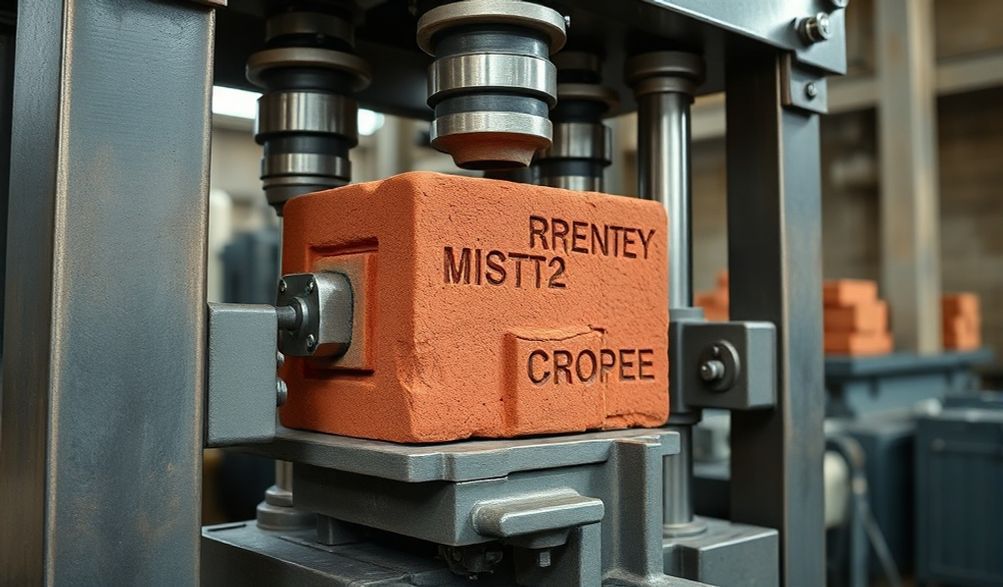
The Ultimate Guide to Hydraulic Brick Press Machines: Efficiency, Types & How to Choose
Intangamarara
The global construction industry consumes a staggering 1.5 trillion y'amatafari buri mwaka, a figure set to grow with relentless urbanization. Yet, for decades, brick production has been caught in a tug-of-war between cost, quality, and speed. Traditional methods—relying on manual labor or outdated mechanical presses—often result in inconsistent quality, high labor costs, significant material waste, and a substantial environmental footprint. For business owners and project managers, this translates to project delays, budget overruns, and compromised structural integrity.
Enter the modern engineering solution: the hydraulic brick press machine. This powerhouse of efficiency represents a paradigm shift, transforming raw materials like clay, fly ash, and concrete into high-density, precision bricks, blocks, and pavers with remarkable consistency. It’s the cornerstone for anyone serious about scalable, profitable, and sustainable brick production.
This comprehensive guide is designed for entrepreneurs, construction managers, and procurement specialists. Drawing on deep industry expertise, we will dissect the technology, compare machine types, and provide a clear framework for making a strategic investment. By the end, you’ll understand not just iki a hydraulic brick press machine is, but precisely bite to select the right block press to revolutionize your automated brick production.
What is a Hydraulic Brick Press Machine? Core Technology Explained
At its heart, a hydraulic brick press is a device that uses immense, controlled fluid pressure to compact raw material into a solid, shaped brick. It replaces the variable force of human labor or the jarring impact of mechanical presses with smooth, programmable, and immense power.
Uburyo Bw'ibanze Bwo Gukora
The process is a continuous, efficient cycle:
1. Kurisha: A measured quantity of raw material (e.g., damp clay-concrete mix) is loaded into a mold box.
2. Gukanya A hydraulic cylinder, driven by a pump, exerts tremendous downward pressure on the material via a ram. This pressure is held for a precise moment to ensure proper compaction.
3. Guhagarika The pressure is released, and the newly formed, high-density brick is pushed out of the mold, ready for curing.
Think of it like a giant, ultra-precise syringe. The hydraulic pump (the plunger) pushes oil into the cylinder, which moves the piston (the ram) with a force that is smooth, controllable, and far greater than what could be achieved mechanically.
Ingingo Nyamukuru n'Imikorere Yazo
Understanding the machine’s anatomy is key to evaluating quality:
* Paki y'ingufu ya hydroliki: This is the machine’s heart and engine. It consists of an electric motor, hydraulic pump, oil reservoir, valves, and filters. Its quality determines the system’s pressure stability, efficiency, and reliability.
* Mold (Gufa): This defines the brick’s shape, size, and texture (e.g., smooth, rustic). Interchangeable molds allow one mashini yo kubaka amatafari to produce solid bricks, hollow blocks, interlocking pavers, and more. High-chrome steel molds are essential for longevity.
* Sisteme yo Gucunga This is the machine’s brain.
* Imyitozo: Basic lever controls.
* Ibikoresho bigendeshwa n’umuntu: Programmable logic controller (PLC) automates the press cycle; operator handles feeding and product removal.
* Byakoreshejwe mu buryo bwikora: Integrated PLC with automated feeding and product handling systems for a true “hands-off” production line.
* Umutwe & Imiterere: A robust, welded steel frame is non-negotiable. It must withstand constant, high-tonnage forces without deformation, ensuring consistent brick dimensions over years of operation.
Key Advantages of Using a Hydraulic Brick Press
Moving to a hydraulic press isn’t just an upgrade; it’s a strategic business decision with tangible returns.
Ubushobozi Budasanzwe mu Ibikorwa by’Umurimo no Kubaho kwawo
Hydraulic presses operate on rapid, repeatable cycles. Where a manual operation might produce a few hundred bricks per day, a standard semi-automatic hydraulic brick press machine can produce 1,500 to 3,000 bricks in an 8-hour shift. Fully automatic systems can push this into the 5,000-10,000+ range. This throughput directly translates to faster project completion and the ability to take on larger contracts.
Superior Brick Quality and Consistency
This is the hallmark of hydraulic technology. The uniform, high pressure compacts material to eliminate internal voids, resulting in:
* Higher Density & Compressive Strength: Bricks can easily meet or exceed ASTM C90 or IS 2185 standards (often reaching 7-10 MPa or more), suitable for load-bearing construction.
* Ubwiza bw’ingano: Every brick is identical, simplifying bricklaying, reducing mortar use, and creating a flawless finish.
* Low Breakage Rates: Consistent strength means far fewer bricks are damaged during handling, transport, and construction, slashing material waste.
Remarkable Versatility in Materials and Products
A single machine can be your multi-product factory:
* Ubusobanuro bw'ibikoresho: Efficiently processes clay, fly ash (an eco-friendly byproduct), cement-stabilized soil, concrete, and quarry dust.
* Umutungo w'ibicuruzwa: By switching molds, produce:
* Standard solid & perforated bricks
* Hollow blocks for insulation and lighter structures
* Pavers for driveways and landscaping
* Interlocking blocks for retaining walls
Long-Term Cost Savings and ROI
While the initial investment is higher than manual systems, the total cost of ownership is lower.
* Gukoresha Abakozi neza: One semi-automatic machine can replace 10-15 manual laborers, reducing long-term payroll and management overhead.
* Reduced Maintenance: Hydraulic systems have fewer moving parts subject to wear and tear than complex mechanical gearboxes and crankshafts.
* Ubushobozi bwo Gukoresha Ingufu: Modern systems use on-demand pressure, consuming power only during the compression cycle, unlike constantly running mechanical motors.
Main Types of Hydraulic Brick Press Machines
Choosing the right type is critical. The market caters to different scales and budgets.
Manual vs. Semi-Automatic vs. Fully Automatic
| Feature | Manual Hydraulic Press | Semi-Automatic Press | Fully Automatic Press |
| :— | :— | :— | :— |
| Cost | Lowest | Moderate | Highest |
| Output (Bricks/8hrs) | 500 – 1,200 | 1,500 – 4,000 | 5,000 – 12,000+ |
| Labor Needed | High (2-3 operators) | Medium (1-2 operators) | Low (mostly for supervision) |
| Control | Manual levers | PLC-automated cycle | Fully integrated PLC with robotics |
| Best For | Startups, very low-volume, rural projects | Small/medium businesses, most block yards | Large-scale plants, industrial production |
Stationary vs. Mobile Brick Press Machines
- Ibimera bidasanzwe: These are fixed installations, often with integrated mixers and conveyor systems. They are designed for high-volume, consistent production at a dedicated factory or yard.
- Mobile Presses: Mounted on a trailer, these machines bring production directly to the construction site. The primary benefit is the drastic elimination of brick transportation costs, making them ideal for large, remote projects like housing developments or infrastructure.
Single-Cylinder vs. Multi-Cylinder Presses
- Single-Cylinder: A central cylinder applies pressure. Suitable for standard-sized bricks and smaller blocks. Simpler design, often more cost-effective.
- Multi-Cylinder (Twin or Four-Cylinder): Pressure is distributed more evenly across the mold surface from multiple points. Crucial for producing large-format blocks or pavers, as it prevents density variations and ensures the entire product is uniformly compacted.
How to Choose the Right Hydraulic Press for Your Needs
Navigating specifications requires a methodical approach. Don’t just buy a machine; invest in a solution.
Gusuzuma Ibisabwa bya Serivisi zawe
Start with a clear business plan:
1. Calculate Required Output: How many bricks do you need per day/week to meet current orders and projected growth? Be realistic about your market.
2. Identify Your Primary Raw Material: Is it local clay, fly ash from a nearby power plant, or concrete? The material affects optimal moisture content and may influence machine wear.
3. Define Your Product Mix: Will you focus on standard bricks, or is there high demand for pavers and hollow blocks in your area? This dictates your mold investment.
Critical Technical Specifications to Scrutinize
When comparing models, these specs are non-negotiable:
* Pressure Capacity (Tonnage): Ranges from 50 to 300+ tons. Higher tonnage produces stronger, denser bricks and is needed for larger blocks. For standard solid bricks, 80-150 tons is common.
* Igihe cyo gukora The time to complete one press (feed, compress, eject). A faster cycle (e.g., 15-20 seconds) means higher hourly output.
* Mold Customization & Availability: Can the supplier provide or fabricate the specific molds you need? What is the cost and lead time for additional molds?
* Ibikenewe by'ingufu: Ensure your facility has the correct electrical supply (e.g., 3-phase, 380V) to run the machine’s motor and control system.
Evaluating Manufacturer Reputation and Support
The machine is only as good as the company behind it. A common and costly oversight is choosing based on price alone, without considering support.
* Ubuhamya bw'ibikorwa byagenze neza: How long have they been manufacturing? Can they provide customer references or case studies?
* Serivisi yo Nyuma yo Kugurisha: Is there a clear warranty (at least 1 year on critical parts)? How quickly can they supply spare parts? Do they offer installation supervision and operator training?
* Ubwiza bwo Kubaka Request detailed photos or videos of the frame welding, cylinder brand, and PLC panel. Reputable manufacturers use branded components (e.g., Siemens PLC, Rexroth hydraulics).
Operational Best Practices and Maintenance Tips
Proper care maximizes uptime, extends machine life, and protects your investment.
Safe and Efficient Operation Procedures
- Training is Paramount: Never allow untrained personnel to operate the press.
- Pre-Start Checklist: Check hydraulic oil levels, inspect for leaks, ensure the mold is clean and securely fastened, and verify the area is clear.
- During Operation: Monitor for unusual noises or vibrations. Never place hands in the mold area during the compression cycle.
- Shutdown: Follow the manufacturer’s procedure, typically involving relieving system pressure and cleaning the machine.
Essential Routine Maintenance Schedule
Adhering to a schedule prevents major breakdowns:
* Daily: Check oil levels and for leaks; clean the machine, mold, and feed hopper of hardened material.
* Weekly/Monthly: Tighten all bolts and nuts on the frame and mold; check and clean hydraulic oil filters; inspect hoses for wear.
* Semi-Annually/Annually: Change the hydraulic oil and filters as specified by the manufacturer. Using the recommended fluid grade is critical—the wrong oil can damage seals and pumps. Keep a log of all maintenance.
Frequently Asked Questions (FAQ)
Q1: What is the average production capacity of a standard hydraulic brick press?
A: There’s no single “average,” as it varies dramatically. A semi-automatic machine typically produces between 1,000 and 5,000 bricks per 8-hour shift. Capacity depends on brick size, material, cycle time, and the level of operator efficiency.
Q2: Can one machine produce different types and sizes of bricks?
A: Absolutely. This is a key advantage. By changing the mold/die set, the same press can produce different products. The process can take 30 minutes to an hour. It’s wise to budget for multiple molds when planning your business.
Q3: What raw materials can be used besides clay?
A: Hydraulic presses excel with various materials, including fly ash (an excellent, eco-friendly binder), cement, sand, lime, quarry dust, and even certain stabilized industrial waste. This allows for cost-saving and sustainable production.
Q4: How much space is required to install and operate the machine?
A: For the machine itself, a covered area of about 10m x 5m is often sufficient. However, you must also allocate significant space for raw material storage, mixing, brick curing (which can take 7-28 days), and finished product inventory. A total yard space of 1,000-2,000 sq. meters is common for a small operation.
Q5: What is the typical lead time for delivery and installation from a reputable supplier?
A: Lead times vary from 4 to 12 weeks after order confirmation. It depends on the machine’s complexity, level of customization, and the supplier’s location and production schedule. Always get a confirmed delivery timeline in writing before ordering.
Conclusion
Thehydraulic brick press machine is more than just equipment; it’s a transformative investment in productivity, quality, and business growth. It addresses the core inefficiencies of traditional brick-making, enabling you to produce superior, consistent building materials with remarkable efficiency and versatility.
Your purchase decision should be strategic. Look beyond the initial price tag and evaluate the total cost of ownership, factoring in potential output, operational savings, and—most importantly—the manufacturer’s reputation for quality and unwavering after-sales support. The right machine, chosen with care, will pay for itself by building the foundation for your most profitable projects.
Ready to take the next step? Download our free, comprehensive Buyer’s Checklist to compare technical specifications, prepare your site requirements, and formulate the right questions for suppliers. Equip yourself with the knowledge to make a confident investment.
<