
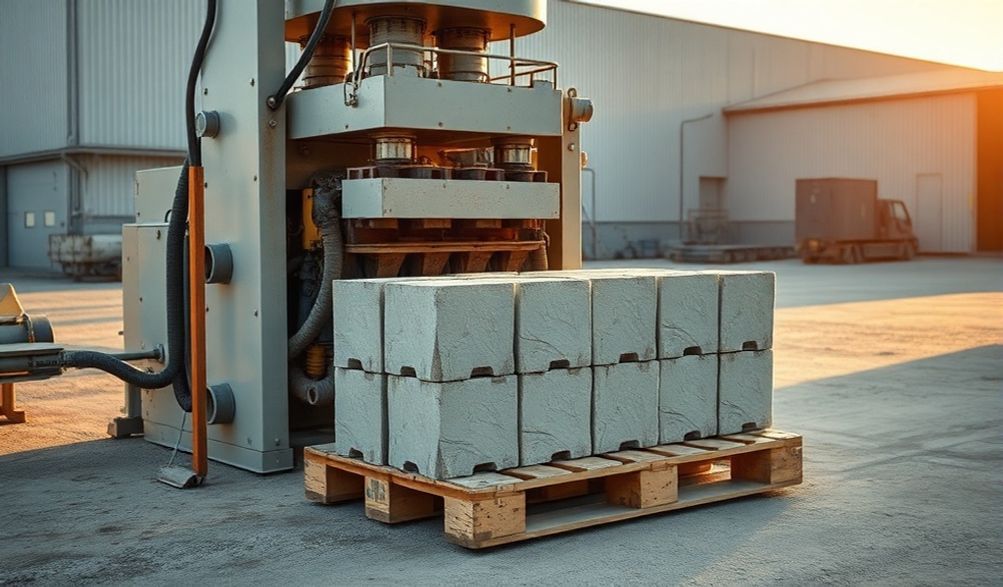
The Ultimate Guide to Cement Bricks Machines: Types, Costs, and How to Choose
Intangamarara
The global construction industry is projected to reach a staggering $15.2 trillion by 2030, driven by rapid urbanization and infrastructure development. At the heart of this growth lies a constant demand for affordable, durable, and consistent building materials. Cement bricks have emerged as a frontrunner, offering superior strength and cost-effectiveness over traditional clay bricks. However, meeting this demand with manual labor is a recipe for inconsistency and financial strain.
Based on our years of experience in the construction equipment industry, we’ve seen firsthand the confusion that buyers face. The market is flooded with options, from simple lever-operated units to sprawling automated plants. Choosing the wrong cement bricks machine can lead to crippling downtime, subpar product quality, and a negative return on investment.
This comprehensive guide is designed to cut through the noise. We will demystify cement brick-making machinery, providing you with the authoritative, detailed information needed to make a confident and informed purchase. You will learn about the different types of machines, their key features, a realistic cost and ROI analysis, and a step-by-step framework for selecting the perfect model for your specific business scale and goals.
Understanding Cement Bricks Machines: Core Concepts and Benefits
Before diving into specifications, it’s crucial to understand what these machines do and why they are a transformative investment.
Ni iki cyuma cy'ububiko bw'amatafari ya sima?
A cement bricks machine is a mechanical or electro-mechanical device designed to automate and standardize the production of concrete blocks, bricks, and pavers. It works by compacting a semi-dry mixture of cement, sand, aggregate, and water into a mold under high pressure. This process, known as vibro-compaction, ensures each unit has uniform density, dimensions, and strength before it is ejected for curing. Unlike manual methods, these machines apply consistent, repeatable force, which is the key to quality.
Key Advantages Over Manual & Traditional Methods
The shift from manual production to mechanization offers undeniable benefits:
- Consistent Quality and Dimensional Accuracy: Every brick is identical. This precision simplifies construction, reduces mortar use, and ensures structural integrity meets required standards (like ASTM or IS codes).
- Dramatically Increased Production Speed: A single manual laborer might produce 200-300 bricks per day. A basic semi-automatic machine can produce 800-1200 bricks per isaha. This scalability is fundamental for profitable business.
- Significant Reduction in Labor Costs: Automation reduces dependency on a large, skilled workforce. One or two operators can manage a machine that does the work of dozens of manual laborers.
- Better Material Compaction for Stronger Bricks: High-pressure hydraulic systems or mechanical vibration compacts the raw mix, eliminating air pockets and creating a denser, more durable brick with higher compressive strength.
- Versatility in Brick Design and Size: With interchangeable molds, one machine can produce a variety of products—solid blocks, hollow blocks, paving slabs, interlocking bricks—allowing you to cater to diverse market demands.
Types of Cement Bricks Machines: A Detailed Breakdown
Selecting the right type of machine is your most critical decision. The market is segmented primarily by the level of automation.
Manual Cement Brick Machines (Operated by Lever)
These are the simplest and most affordable entry point into brick manufacturing.
- Ibyiza Byo Gukoresha: Ideal for very small-scale projects, individual home builders, community-led initiatives, or entrepreneurs testing the market with minimal capital.
- Pros and Cons:
- Inziza: Very low initial investment, no electricity required, simple to operate and maintain, highly portable.
- Ibibi: Extremely labor-intensive, low production output (200-500 bricks per day), product consistency relies heavily on operator skill, physical strain on workers.
Semi-Automatic Cement Brick Machines (Electro-Hydraulic)
This category represents the sweet spot for most small to medium-sized businesses (SMBs). They balance cost, output, and automation effectively.
- Ibyiza Byo Gukoresha: Perfect for growing block yards, construction companies supplying their own projects, and entrepreneurs aiming for commercial production.
- Pros and Cons:
- Inziza: Good production capacity (1,000-3,000+ bricks per 8-hour shift), excellent quality consistency due to hydraulic pressure, requires only 2-3 operators, offers a strong return on investment.
- Ibibi: Higher upfront cost than manual machines, requires a stable electrical connection (though diesel options exist), involves more complex maintenance.
Fully Automatic Cement Brick Machines (PLC Controlled)
These are industrial-grade production lines where the entire process—from feeding raw material to stacking finished blocks—is automated via Programmable Logic Controller (PLC) systems.
- Ibyiza Byo Gukoresha: Large-scale commercial plants, government infrastructure projects, and manufacturers supplying major distributors or regional markets.
- Pros and Cons:
- Inziza: Very high output (10,000+ bricks per shift), minimal manual labor (primarily for supervision and maintenance), unparalleled consistency and efficiency, can integrate with pallet conveyors and stackers.
- Ibibi: Very high capital investment, requires significant space and industrial-grade power supply, complex maintenance requiring specialized technicians.
Mobile vs. Stationary Brick Making Machines
This distinction cuts across automation levels:
- Imashini Zigendeshwa: Mounted on a trailer, these are designed for on-site production. They eliminate transport costs for finished bricks and are ideal for large, remote construction sites. They are typically semi-automatic.
- Imashini Zihagaze Installed in a fixed location (a block yard or factory). They are more robust, can be larger, and are suited for supplying a local market from a central production hub.
Key Features and Specifications to Evaluate
Looking beyond the basic type, these technical specifications will determine your long-term satisfaction and profitability.
Production Capacity (Bricks Per Hour/Day)
Never rely on theoretical maximums. Ask for realistic, sustainable output based on a standard 8-hour shift for the specific block size you intend to produce. A machine rated for 2,000 bricks per day is a world apart from one rated for 10,000.
Brick Size and Mold Customization Options
Check the standard mold sizes included and inquire about the cost and lead time for custom molds. A versatile machine that can produce hollow blocks (4”, 6”, 8”), solid blocks, and pavers will give your business greater market flexibility.
Machine Power Source (Electric, Diesel, Hybrid)
- Umuriro w'amashanyarazi Most common, cleaner, and cheaper to run in areas with reliable grid power.
- Diesel: Essential for sites with no electricity or frequent power cuts. Offers mobility but has higher fuel costs and emissions.
- Hybrid: Offers the flexibility to switch between power sources, providing valuable backup but at a higher purchase price.
Hydraulic System Pressure and Quality
The hydraulic system is the heart of a semi- or fully-automatic machine. Higher pressure (measured in PSI or Bar) typically translates to better brick density and strength. Inquire about the quality of pumps, valves, and seals—reputable brands last longer and leak less.
Build Quality and Durability (Steel Grade, Welding)
Inspect the frame. It should be made of heavy-duty, reinforced steel. Look for clean, robust welding at all stress points. A flimsy frame will warp under constant vibration, leading to misalignment and breakdowns.
After-Sales Support: Why It’s Non-Negotiable
This is perhaps the most critical feature. A machine is a long-term asset.
* Warranty: Seek at least a 1-year comprehensive warranty on parts and workmanship.
* Ibigabanyabugenamashini: Ensure the manufacturer stocks and can supply critical spare parts (like hydraulic cylinders, control panels, mold liners) without a 3-month wait.
* Technical Service: Do they offer installation supervision, operator training, and have service technicians available for emergency repairs? The lack of good after-sales support has doomed many otherwise viable block-making businesses.
The Investment: Cost Analysis and ROI
A transparent look at costs helps set realistic expectations and secure financing.
Price Range Breakdown by Machine Type
- Imashini z'ibikorwa by'amaboko: $1,000 – $4,000 USD.
- Imitungo Imigendeshwa n'ikiremwamuntu: $8,000 – $50,000+ USD. Price varies dramatically with capacity, brand, and level of automation (e.g., with automatic feeder or mixer).
- Fully Automatic Lines: $75,000 – $500,000+ USD, depending on configuration and output.
Beyond the Sticker Price: Operational and Hidden Costs
Factor these into your business plan:
* Gukoresha Amashanyarazi: A semi-automatic machine can run on a 15-25 HP motor.
* Umurimo: Even automated lines need skilled operators and maintenance staff.
* Raw Material Handling: You may need a pan mixer, conveyor belts, and forklifts.
* Maintenance: Budget 3-5% of the machine’s cost annually for routine maintenance and parts.
* Space & Foundation: A proper concrete foundation and sheltered workspace are essential.
Calculating Your Return on Investment (ROI)
Use this simplified framework:
1. Calculate Daily Profit: (Selling Price per Brick – Cost per Brick) x Daily Production Capacity.
2. Subtract Fixed Overheads: Rent, utilities, salaries.
3. Determine Net Daily Profit.
4. Divide Total Investment (Machine + Setup) by Net Daily Profit to get the approximate Payback Period in Days.
Example: A $25,000 machine generating a net profit of $150 per day has a payback period of about 167 working days (~8 months). After that, it’s primarily generating profit.
How to Choose the Right Cement Bricks Machine: A Step-by-Step Guide
Follow this actionable process to narrow down your options confidently.
Step 1: Assess Your Production Needs and Business Scale
Be brutally honest. Are you supplying a single project, a local market, or aiming for regional distribution? Forecast your daily and monthly brick requirement for the next 2-3 years. Choose a machine that can meet your near-term goal with about 20-30% spare capacity for growth.
Step 2: Define Your Budget (Including Operational Capital)
Your budget must include the machine price, shipping, installation, initial raw material stock, and at least 3 months of operational capital. It’s better to buy a robust semi-automatic machine within your total budget than to overextend on a fully automatic line you can’t afford to run.
Step 3: Research and Shortlist Reputable Manufacturers
Look for manufacturers with a proven track record of 10+ years. Check for authentic customer reviews and testimonials. If possible, visit their manufacturing facility to assess their build quality and operations firsthand. Credibility is key.
Step 4: Request Demos and Compare Technical Specifications
Always ask for a live demonstration using a raw material mix similar to yours. Compare the brick output quality, machine noise, vibration, and ease of operation. Create a comparison sheet listing key specs (capacity, power, pressure, warranty) side-by-side for your shortlisted models.
Step 5: Finalize Based on Total Value, Not Just Price
The cheapest machine is often the most expensive in the long run. Choose the supplier that offers the best total value: a reliable machine, comprehensive warranty, accessible spare parts, and strong after-sales support. This partnership will safeguard your investment for years.
Operational Best Practices and Maintenance Tips
Owning the machine is just the beginning. Proper operation ensures quality and longevity.
Raw Material Preparation: The Right Mix for Optimal Bricks
Consistency starts here. Use clean, well-graded aggregates and measure your mix (e.g., 1 part cement: 4 parts aggregate/sand) precisely. The water content is critical; the mix should be semi-dry, holding its shape when squeezed but crumbling lightly. In our experience, over 60% of quality issues stem from improper raw material mix.
Daily Operation and Safety Procedures
- Always wear safety glasses and gloves.
- Conduct a pre-start check: lubricate moving parts, check hydraulic oil levels, inspect molds for damage.
- Ensure all safety guards are in place before operation.
Essential Maintenance Schedule for Longevity
- Daily: Clean the machine thoroughly after each shift, especially the mold and pressing head.
- Weekly: Check and tighten all bolts and nuts. Inspect hydraulic hoses for wear.
- Monthly: Change hydraulic oil filters as recommended. Grease all bearings and pivot points.
- Annually: Get a comprehensive service check by a qualified technician.
Troubleshooting Common Issues
- Bricks Breaking Ejecting: Usually indicates low vibration/pressure or an incorrect (too dry) mix.
- Bricks Sticking in Mold: Mold may need cleaning or a fresh coat of non-stick agent; mix may be too wet.
- Machine Losing Pressure: Check for hydraulic oil leaks, a clogged filter, or a failing pump.
Frequently Asked Questions (FAQ) About Cement Bricks Machines
Q1: What is the average lifespan of a quality cement bricks machine?
With proper maintenance and operation, a well-built semi-automatic or automatic machine from a reputable brand can last 10 to 15 years or more. The key factors are build quality, maintenance rigor, and production load.
Q2: Can one machine produce different types of blocks (hollow, solid, paving)?
Yes, most machines are designed to work with interchangeable molds. You can produce hollow blocks, solid blocks, paving stones, and even interlocking bricks by purchasing and swapping the respective mold sets.
Q3: How much space is required to install and operate a semi-automatic machine?
A typical semi-automatic setup, including space for raw material storage, the machine, a mixer, and a curing area, requires a minimum of 2,000 to 5,000 square feet (approx. 200-500 sq. meters) for efficient operation.
Q4: What is the typical curing process for machine-made cement bricks?
Machine-made bricks are cured by water sprinkling. After ejection, they are stacked and kept moist by sprinkling water 3-4 times a day for 14-21 days. This allows the cement to hydrate fully and achieve its maximum strength.
Q5: Are there any government subsidies or loans available for purchasing this equipment?
In many countries, yes. Schemes often exist for MSMEs (Micro, Small, and Medium Enterprises) or under green building initiatives. Check with your local industry promotion boards, agricultural banks, or small business administration for specific programs offering low-interest loans or subsidies.
Q6: How do I find genuine spare parts for my machine model?
Always source parts directly from your original equipment manufacturer (OEM) or their authorized dealers. Using non-genuine parts may void your warranty and can cause further damage to the machine. A good supplier will have a clear inventory of spare parts.
Conclusion
Selecting the right cement bricks machine is a strategic decision that hinges on understanding your production needs, evaluating machines beyond the price tag, and partnering with a credible supplier. We’ve explored the spectrum from manual to fully automatic systems, highlighted the critical features that dictate durability, and provided a framework to analyze costs and ROI.
This guide, built on industry experience and technical expertise, aims to empower you with unbiased, authoritative knowledge. The automation of construction material production is no longer a luxury but a necessity for efficiency, quality, and competitiveness.
Ready to take the next step? Contact our team of experts for a personalized consultation. We can help you analyze your project requirements and provide a detailed quote for the cement bricks machine that represents the best long-term value for your business.
<