Intangamarara
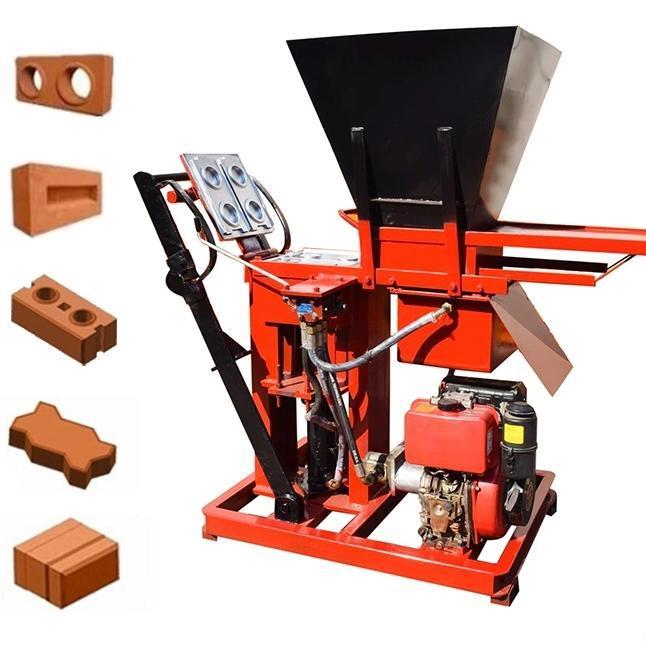
U Rwanda mu rwego rwo kubaka mu bihugu byose, hari igitekerezo gishya cyo gukoresha uburyo bwo kubaka butazigera, kandi buciriritswe, aho teknolojiya y'amatafari ashobotse ari yo ihanga inzira nshya zo gukemura ibibazo by'ubutaka n'ibikorwa remezo. Muri uyu muryango w'ikoranabuhanga, imashini zikora amatafari ashobotse zifashishijwe amaboko zihariye nk'ingingo shingiro, zihuza ubushobozi bwo kugerwaho n'ingingo z'ubwubatsi zishya. Ku bacuruzi b'ibikoresho n'abahanga mu guhaha ibikoresho bakorera mu masoko agendera ku giciro cyangwa afite ibikorwa remezo bike, izi mashini zitanga amahirwe y'ubucuruzi atangaje ahurira ubuhanga bwa kera n'ubuhinzi bwa kijyambere. Ntizikwiye izi mashini zikora mu buryo bwikora, izi mashini zikoreshwa amaboko ziranga ubworohe, ubukomeye, no kwikorera ubwabyo, ibyo bigatuma zikwiye neza mu masoko atandukanye n'ibisabwa byayo.
Ubuyobozi bw'ikoranabuhanga n'imyitwarire y'ingendo
Ubusobanuro bwa siyansi n’ikoranabuhanga bukoreshwa mu makinini y’ibikoresho byo kubumba amatafari ku giti cyabo bugamije kugira imikorere y’imashini ikora neza kuruta uburyo bwo gukoresha amashanyarazi, bigatuma habaho sisitemu zikomeye zishobora gukora ibintu bya preciziyo bikoresheje imbaraga z’umuntu.
Inshingiro z'Ingamba z'Ubwubatsi n'Ubuziranenge bw'Imiterere
Uburyo bwo kubaka imashini z’abantu bwerekana umwihariko wo kwitegura ku biremereye n’ingaruka z’imashini.
- Sisitemu yo Gufumbika Zishingiye ku Gukoresha Ingufu
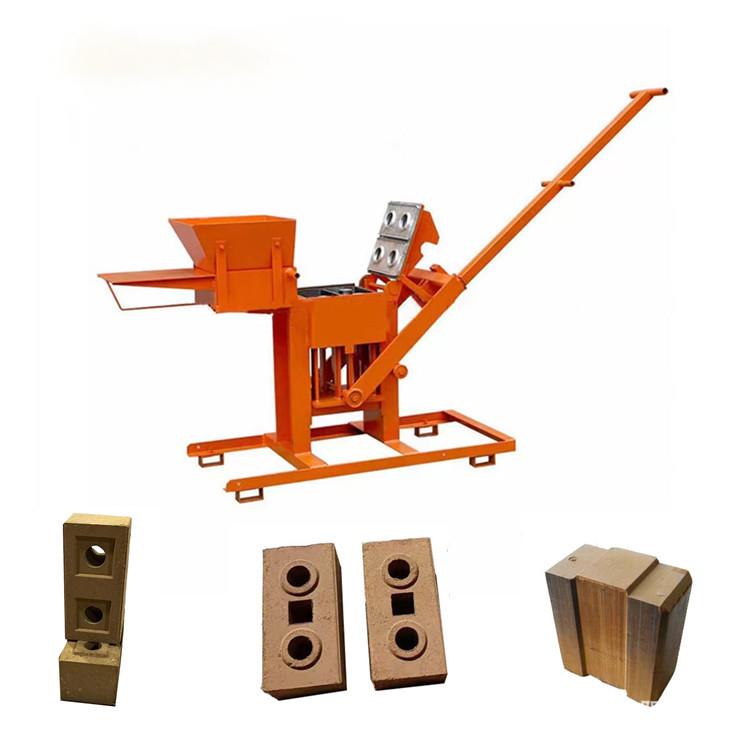
Imashini z’abantu zikoresha uburyo bwihuse bwo gukoresha ingendo zihindura umuhate w’umuntu kuba ingufu nyinshi yo gutera. Kubushakashatsi bw’ingano z’imashini zisanzwe ziva ku 1:12 kugeza 1:25, izi sisitemu zemerza abakoresha gukora ingufu yo gutera hagati ya psi 800 na 1,200—bihagije kugira ngo bakore amatafari ashobora guhuriramo neza mu gakondo. Uburyo bwo gukoresha ingendo bushyingiwe mu buryo bwiza bwo gukoresha umubiri, bwohereza ingufu nyinsyi ariko bukabura umukoresha kunanirwa mu gihe cyo gukora ibikorwa bya kirekire. - Ubwubatsi bw'ibyumba bishyirwa hamwe n'ibisabwa by'ibikoresho
Imashini z’ibikorwa remezo z’icyiza cyane zifite imiterere y’imashini yubatswe mu bice by’amashashi y’icyuma y’amaboko y’imfuruka zigororotse, uburyo bwawo buba hagati ya 4-6mm, bigatanga ubukana bwo mu gitsina bikenewe kugirango zishobore guhangana n’imikorere yo gukandagira ikaduka utishyura mu miterere. Aho ingorane zikomeye zihuriyeho, zongerwa ubukana binyuze mu bipangurane by’ibikoresho n’ibindi bintu by’ubukana. Guhitamo ibikoresho bisanzwe birimo icyuma cyoroheje gifite ibikoresho by’ikirundo byirinda kugira isesemi, nubwo imikorere y’icyiza cyane ishobora kugira imikorere y’icyuma yihariye mu bice by’imikorere n’aho bikoreshwa kugirango byongere ubuzima bw’imikorere. - Tekinorojiye y'ibikoresho bya Precision na Sisitemu yo Kubumbatira
Intumbero nyamukuru y'igiciro cy'ingenzi iri mu gishushanyo mbonera, igomba gukomeza ukwihambira mu ngingo zirenga ±0.75mm nubwo ari mu mwanya wo gukoresha n'amaboko. Ibice by'igishushanyo mbonera bikunze gukorwa mu byuma bya karbone cyangwa ibyuma by'umuringa bifite ubushyuhe buhanitse buhoraho kugirango bikumire kunanirwa n'ibikoresho by'umwimerere. Imiterere y'umurongo w'ukwihuza itandukanye bitewe n'ubwoko bw'ishusho, ariko ikunze gushyiramo imiyoboro y'igitsina gabo n'igitsina gore hamwe n'ibikoresho byo kugabanya ibibazo by'ingano, bigafasha mu guhangana no kongera gato kw'ibikoresho mu gihe bikomeza gukomeza ubuzima bw'imiryango y'urukuta rwamaze kurangiza.
Uburyo bwo Gukora n'Uburyo bwo Gukora mu Bikorwa
Uburyo bwo gukora amatafari bukurikira urutonde rwihariye rwiteganijwe neza, rwongera ubushobozi bwo kugenda kw’abantu no gukwirakwira ibikoresho.
- Gutegura Ibikoresho n'Ibikenewe ku Birebire
Gukora neza gutangira mu gutunganya ibintu byakoreshwa mu buryo bwegereye, bikunze kubamo ubutaka bufite 15-30% by’ibumba, 5-10% bya sima yo gushimangira, hamwe n’ubwibutse bw’amazi bukwiye hagati ya 8-12%. Uburyo bwo gukora n’amaboko busaba guhuza ibintu byakoreshwa mu buryo bwihuse kuruta uburyo bwikora, kuko impinduka mu byakoreshwa bigira ingaruka zikomeye ku bucuruzi bw’amatafa hamwe no guhuza neza. Gusuzuma ibintu byakoreshwa no kuyavanga neza biba ibintu ngenderwaho mbere yo gukora neza. - Urukurikirane rw'ibikorwa bya cycle hamwe no kugenzura imikorere neza
The operational cycle encompasses six distinct phases: mold preparation and positioning, measured material charging, initial compaction, secondary high-pressure compaction, ejection mechanism activation, and product removal. Skilled operators develop rhythmic patterns that minimize unnecessary movement, with cycle times typically ranging from 45 to 90 seconds depending on brick size and complexity. This translates to production rates of 40-80 bricks per hour under sustained operation. - Quality Control through Operational Consistency
Unlike automated systems with programmed parameters, quality assurance in manual operations derives from consistent technique and regular dimensional verification. Operators must maintain uniform compression force application and material distribution through visual and tactile feedback. Successful implementations incorporate simple jigs and gauges for periodic quality checks, ensuring dimensional stability across production batches.
Market Positioning and Strategic Application
Manual interlocking brick machines occupy a distinct market segment defined by specific economic, geographic, and operational parameters.
Target Market Segmentation and Application Scenarios
The operational characteristics of manual machines make them ideally suited for well-defined market applications.
- Community-Led Construction Initiatives
Development projects emphasizing local empowerment and skill transfer frequently utilize manual machines to create ownership and build local capacity. The technology transfer extends beyond simple brick production to include material selection, quality control, and basic construction techniques using interlocking systems. This approach transforms community members from labor resources to skilled technicians capable of managing their construction timeline and quality standards. - Small-Scale Entrepreneurial Ventures
Individual entrepreneurs in emerging markets establish viable businesses with manual machines serving 5-15 housing units annually. The low capital requirement—typically between $1,500 and $4,000 for complete setup—enables business formation at the micro-enterprise level. These operations often specialize in serving the incremental construction market, where homeowners build structures progressively as resources become available. - Specialized Architectural and Landscape Applications
Beyond structural walls, manual machines produce specialized interlocking elements for terracing, landscaping features, and decorative applications. The flexibility of manual operation allows for small-batch production of custom elements that would be economically unviable with automated equipment. This niche application commands premium pricing for specialized products while utilizing the same fundamental equipment.
Economic Model and Viability Analysis
The business case for manual interlocking brick machines rests on distinctive economic principles that differ substantially from automated alternatives.
- Capital Efficiency and Investment Recovery
The minimal capital requirement enables rapid investment recovery, typically within 3-6 months of operation at moderate capacity utilization. This accelerated payback period derives from the combination of low initial investment and the price premium achievable for interlocking bricks compared to conventional alternatives. The financial model remains viable even at production levels as low as 200 bricks daily. - Labor-Intensive Operational Economics
Manual operations reconfigure the traditional cost structure of brick production, with labor comprising 50-65% of production costs compared to 15-25% in automated facilities. This labor-intensive model aligns with economic environments where wage rates remain moderate and job creation represents a secondary objective alongside brick production. The skill progression from basic labor to machine operation also creates career development pathways within small enterprises.
Operational Implementation and Technical Mastery
Successful deployment of manual interlocking brick technology requires attention to operational细节 that significantly impact productivity and product quality.
Skill Development and Operational Proficiency
The human element becomes the primary variable in manual brick production, necessitating structured skill development.
- Progressive Training Methodology
Operator training follows a logical progression from material preparation through basic operation to advanced troubleshooting. Initial focus emphasizes material consistency and measurement, progressing to compression technique, and culminating in mold maintenance and simple repairs. This comprehensive approach typically requires 4-6 weeks for basic proficiency and 3-6 months for advanced operational mastery. - Efficiency Optimization through Ergonomic Practice
Sustainable production rates depend on implementing ergonomic principles that minimize fatigue and prevent injury. Proper workstation height, strategic material placement, and balanced stance during lever operation collectively enable operators to maintain consistent output through extended work periods. Production environments that ignore these principles experience high operator turnover and inconsistent output quality.
Production Environment Optimization
The physical layout and supporting infrastructure dramatically influence operational efficiency and product quality.
- Material Flow and Workspace Organization
Efficient production layouts organize the workflow in a circular pattern around the operator, with raw material placement, machine operation, and product curing areas positioned to minimize movement between production stages. The optimal configuration reduces non-productive movement by 30-40% compared to disorganized layouts, directly impacting daily output capacity. - Curing Management and Quality Preservation
Unlike fired bricks, stabilized earth bricks produced through manual machines gain strength through controlled curing processes. Proper curing involves maintaining moisture content for 7-14 days to ensure complete cement hydration, followed by adequate drying before use in construction. Inadequate curing management represents the most common quality failure point in manual operations, necessitating systematic approaches to moisture retention and protection from environmental exposure.
Comparative Analysis and Strategic Selection
Informed equipment selection requires understanding how manual machines compare with technological alternatives across key operational parameters.
Technical and Operational Differentiation
Manual machines demonstrate distinct characteristics across multiple performance dimensions.
- Quality and Consistency Spectrum
While manual operations cannot match the dimensional consistency of computer-controlled automated systems, skilled operators can maintain tolerance within acceptable parameters for residential construction. The quality variance typically falls within ±1.5mm for critical dimensions compared to ±0.5mm for automated equipment. This variance remains acceptable for most applications of interlocking brick technology in the target market segments. - Flexibility and Adaptation Capability
Manual systems offer superior flexibility for material variation and design adaptation compared to automated alternatives. Operators can adjust compression timing and technique based on material behavior, and mold changes require minimal downtime. This adaptability proves valuable when working with locally variable raw materials or producing multiple product types within limited production runs.
Ibyo byose
Manual interlocking brick making machines represent a technologically appropriate solution for specific market conditions and application scenarios. Their enduring relevance in an increasingly automated world stems from their unique combination of accessibility, adaptability, and economic viability in contexts where labor availability exceeds capital resources. For equipment distributors, these machines offer market entry into price-sensitive segments and geographical areas with limited infrastructure, while creating pathways for technological progression toward more advanced equipment as businesses grow and markets evolve. The strategic value of manual interlocking brick technology extends beyond immediate business opportunity to encompass social impact through skill development, appropriate technology transfer, and sustainable construction practice. Industry professionals who understand the nuanced application of these machines within comprehensive construction ecosystems position themselves as solution providers rather than simply equipment suppliers, creating lasting value for their organizations and the markets they serve.
Bibazo Byinshi Byibazwa (FAQ)
Q1: What is the realistic production capacity for a single manual machine with experienced operators?
A skilled operator typically achieves sustained production of 300-450 bricks during an 8-hour workday, with peak production reaching 500-600 bricks under optimal conditions. Production rates vary based on brick size and complexity, with simpler designs achieving higher output. Multiple operators working in shifts can proportionally increase daily production using the same equipment.
Q2: What level of technical support is required for successful operation?
Manual machines require minimal technical support beyond initial operator training and basic maintenance instruction. The mechanical simplicity allows local technicians to perform most repairs using commonly available tools. However, access to replacement parts for wear components—particularly mold elements and pivot mechanisms—remains essential for continuous operation.
Q3: How does product quality from manual machines compare to automated alternatives?
While dimensional consistency may show slightly greater variation, the structural performance of properly produced manual bricks meets the same fundamental requirements as automated equivalents. The compression strength typically ranges between 4-7 MPa, suitable for two-story residential construction when proper stabilization and curing protocols are followed.
Q4: What are the primary maintenance requirements and associated costs?
Routine maintenance includes daily cleaning, weekly bolt tightening, and monthly lubrication of moving parts. Wear components require replacement at varying intervals: compression surfaces (12-18 months), pivot bushings (18-24 months), and mold components (24-36 months depending on production volume). Annual maintenance costs typically represent 3-5% of the initial equipment investment.
Q5: What infrastructure requirements are necessary for operation?
Manual operations require minimal infrastructure—approximately 50-100 square meters of level ground with basic weather protection. Unlike automated equipment, they require no electrical connection or specialized foundations. This minimal infrastructure requirement significantly reduces setup costs and enables operation in remote or underdeveloped areas.
Q6: What raw material specifications are critical for successful operation?
The soil composition represents the most critical factor, requiring 15-30% clay content for cohesion, balanced with sufficient granular material to prevent shrinkage cracks. Cement stabilization typically utilizes 5-8% ordinary Portland cement, though this percentage may vary based on soil properties and required compressive strength. Material preparation requires thorough mixing and moisture control between 8-12% for optimal compaction.
Q7: What business models have proven successful with this technology?
Three primary models demonstrate consistent success: the direct production model (manufacturing bricks for specific projects), the community cooperative model (shared equipment serving multiple households), and the training-centered model (combining brick production with construction skills development). The optimal approach depends on local market conditions, available skills, and capital access.