
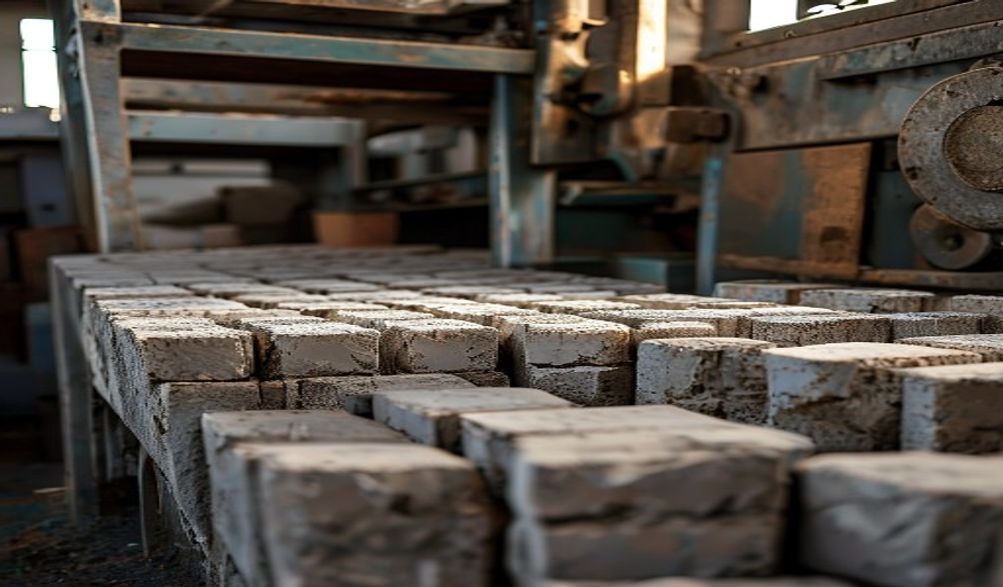
Uko Wahitamo Ikoranabuhanga rikora amatafari ku giciro giciriritse: Uburambe bw’umuguzi bufatika
Intangamarara
Wabonye amahirwe. Icyo gihe cyo kubaka cyiyongereye mu karere, ubusabe bw’amazu abasha, cyangwa ubucuruzi bwawe bwa kontorati bukeneye amatafari yizewe, adakabije. Igitekerezo ni cyiza: kubyara amatafari yawe ubwawe, kugenzura ibiciro byawe, no kongera inyungu zawe. Ariko uko utangira gushaka “mashini ikora amatafari ifite ibiciro biri hasi,” uhita uhura n’ubwoko bwinshi butandukanye, uhereye ku biri ku rubuga rw’igiciro gito gishobora gutera impungenge kugeza ku nganda z’amafaranga menshi. Igiciro cya mbere kirashishikaza, ariko gufata icyemezo kimwe gikozwe nabi bishobora gutuma ugira mashini iba nk’ikintu kidafite akamaro kuruta kuba intungamubiri.
Ubu buyobozi bushingiye ku bukungu bw’ubumenyi n’ubushobozi bwa tekinoloji. Intego yacu ntabwo ari ugufasha kugura mushini uhendutse gusa, ahubwo ni ugufasha gufata icyemezo cy’ubwenge, cyizewe, gihuza igiciro cya mbere n’agaciro k’igihe kirekire. Gutoranya mushini ukora amatafula uhendutse ni inzira y’ubuhanga, ntabwo ari ikibazo cyo kugereranya.
Tuzakuyobora mu nzira igaragaza urugendo rw’ibyiciro kugira ngo dusuzume ibyo ukeneye byihariye, dusobanukirwe itandukaniro nyaryo hagati y’ubwoko bw’ibikoresho, kandi tumenye amahitamo y’agaciro nyakuri. Mu mpera, uzamenya uko wirinda ibibazo bihenze kandi ugahitamo ibikoresho bitanga imikorere nta kugabanya ingengo y’imari.
Kumenya Ibyo Ukeneye Mbere y’Uko Ureba Igiciro
Kugenda ukajya mu kugereranya ibiciro bitari ngombwa ni ikosa rikunze kuboneka—kandi rihenze kuruta ayandi—umuguzi ashobora gukora. Agaciro nyakaro kagaragazwa n’uburyo imashini ikora ikintu cyangwa igororotera.woweibisobanuro byihariye. Tangira hano.
Ingano y’umushinga n’intego z’umusaruro wa buri munsi/icyumweru.
Your required output is the primary driver of cost. Be brutally realistic about your needs.
* Gato / Gutangiza For side businesses, small community projects, or pilot phases, targets of 500-2,000 bricks per day are common.
* Medium-scale / Growing Business: Supplying several construction sites or a local retail operation may require 2,000-10,000 bricks per day.
* Large-scale / Industrial Production: For major suppliers or large infrastructure projects, output can exceed 10,000+ bricks per day.
Icyakurikira: A machine sized for large-scale production will be a catastrophic waste of money for a small startup. Conversely, a tiny manual machine will throttle a growing business. Define your realistic output first.
Types of Bricks or Blocks You Plan to Produce
Not all machines make all bricks. Your product determines the tool.
* Amabuye Y'urugomero N'ayo Y'umwobo: The staples for wall construction. Require a machine with significant pressure.
* Paving Bricks / Interlocking Blocks: Used for driveways, walkways, and landscaping. Often need specialized molds and high vibration for density.
* Ubwoko bw'ibimenyetso bidasanzwe: Curved blocks, grass pavers, or custom designs require specific, often interchangeable, mold sets.
Icyakurikira: Know your market. If demand is for standard hollow blocks, don’t pay extra for a machine built for intricate paving stones, and vice versa.
Raw Material Analysis: What Will You Use?
The cheapest machine is useless if it can’t process your locally available materials.
* Concrete (Cement, Sand, Aggregate): The most common material. Machines need robust mixing and high compaction pressure.
* Umubumba: Requires different processing (often extrusion or high-pressure molding) and sometimes firing.
* Ifumbire yo mu muriro cyangwa Sima-Ikirere: Eco-friendly options. Machines must handle finer material textures and specific mix ratios.
Icyakurikira: Securing a low, stable price for your raw materials is just as important as the machine cost. Ensure any machine you consider is proven to work with the materials you plan to use.
Types of Brick Making Machines: Features vs. Cost
Now, let’s translate your needs into machine categories. Each type represents a different balance of automation, output, and investment.
Manual Brick Making Machines (Lowest Initial Cost)
These are human-powered presses where all operations—filling, compacting, ejecting—are done by hand or with a lever.
- Byiza Kuri: Micro-enterprises, very small-scale projects, remote locations with no reliable power, or artisans making specialty bricks.
- Inziza:
- Very low purchase price.
- Gukora ubushakashatsi buke.
- Zero operating energy costs.
- Bisobanutse kumenya no kugenzura.
- Ibibi:
- Labor-intensive and slow (low output).
- Brick quality and consistency depend heavily on the operator’s skill.
- Not suitable for commercial-scale production.
Semi-Automatic Machines (The Middle-Ground Value Option)
These machines use mechanical power (electric or diesel) for the critical compaction/vibration process but may require manual feeding of raw material or removal of finished bricks.
- Byiza Kuri: Small to medium businesses, contractors, and most startups looking to scale. This is often the “value sweet spot.”
- Inziza:
- Ibikorwa byinshi kandi bihuje cyane biruta ibikoresho byo mu maboko.
- Produces uniform, high-density bricks that meet building standards.
- Moderate investment cost with an excellent return on investment (ROI).
- Reduces physical labor compared to manual options.
- Ibibi:
- Higher upfront cost than manual presses.
- Requires a power source.
- Involves more complex maintenance.
Fully Automatic Brick Making Plants (High Output, Higher Investment)
These are complete systems with automated material conveying, mixing, pressing, curing, and sometimes stacking/packaging.
- Byiza Kuri: Large-scale manufacturing plants, major suppliers, and high-volume government or infrastructure projects.
- Inziza:
- Very high, consistent output with minimal manual labor.
- Maximum product consistency and quality control.
- Lowest cost-per-brick at high volumes.
- Ibibi:
- High initial capital investment.
- Requires significant space, infrastructure, and skilled operators.
- Complex maintenance and higher operational costs.
Key Factors That Define “Value” Beyond the Price Tag
A low price can be a trap if the machine lacks critical quality components. Here’s what separates a valuable workhorse from a cheap imitation.
Machine Construction & Durability: Don’t Skimp on Steel
The machine’s build determines its lifespan and uptime.
* Ikadiri Look for thick, reinforced steel plates and welded construction, not bolted-together thin gauge metal.
* Ibirimba: These are wear items, but they should be made from high-quality, hardened steel. Cheap molds wear quickly, leading to defective bricks and frequent, costly replacements.
* Sisitemu yo Gutengurwa: For concrete blocks, a powerful, well-balanced vibration table is essential for compacting the mix and producing strong bricks.
Pressure Capacity and Brick Density
Pressure is what transforms loose mix into a structural building block.
* Measurement: It’s measured in PSI (pounds per square inch) or MPa (MegaPascals). Do not ignore this spec.
* Minimum Standards: For load-bearing blocks, you typically need a machine capable of applying significant pressure. A machine with insufficient pressure will produce weak, crumbly bricks that fail inspection and damage your reputation.
Power Requirements: Matching Your Facility’s Capabilities
Consider your operating environment.
* Umuriro w'amashanyarazi Clean, quiet, and generally lower running costs, but requires a stable grid connection.
* Diesel: Offers independence from the grid, ideal for remote sites. Higher fuel and maintenance costs.
* Hybrid: Some offer flexibility. Calculate your long-term energy costs for a true picture.
After-Sales Support: The Hidden Cost Saver
This is non-negotiable. A machine without support is a future headache.
* Warranty: Look for at least a 1-year warranty on major components.
* Ibigabanyabugenamashini: Ask: Are parts readily available? What is the typical lead time? Are part diagrams and manuals provided?
* Ubufasha bwa tekiniki Does the supplier offer installation guidance, troubleshooting, or operator training? A supplier who answers the phone post-purchase is worth a slightly higher price.
Smart Strategies for Finding a Low-Price, Reliable Machine
Armed with your needs and technical knowledge, use these strategies to navigate the market.
Researching and Comparing Reputable Suppliers
- Go beyond the website. Check their business history and years in operation.
- Search for genuine customer reviews and testimonials. Ask the supplier for references you can contact directly.
- Verify any industry certifications or quality standards they claim to meet.
The Importance of Requesting a Live Demo or Video Test
Never buy based on pictures alone. Insist on seeing the machine run.
* Request: Ask for a video demonstration using a raw material mix similar to yours.
* Observe: Note the ease of operation, the noise level, the clarity of the finished brick, and the cycle time.
Understanding the Total Cost of Ownership (TCO)
The purchase price is just the entry fee. For a true “low price” comparison, calculate:
* Igiciro cyo Kugura
* Shipping, Logistics, and Import Duties
* Installation & Foundation Preparation
* Initial Training
* Estimated Annual Maintenance & Spare Parts (3-7% of purchase price is a good rule of thumb)
* Gukoresha ingufu
The machine with the lowest TCO is your true “low-price” winner.
Considering Quality Used or Refurbished Equipment
This can be an excellent path to value.
* Inziza: Significant cost savings; major depreciation has already occurred.
* Ibibi: Unknown service history; limited or no warranty.
* Guidelines: Inspect it in person if possible. Check for cracks, weld repairs, and excessive wear on molds and hydraulics. Ask for maintenance records.
Common Pitfalls to Avoid When Choosing a Low-Cost Machine
Learn from the mistakes of others to protect your investment.
Falling for “Too Good to Be True” Online Offers
Extremely low prices, especially on generic B2B marketplaces, are often red flags. They may indicate:
* Poor-quality materials that will fail quickly.
* Scam listings where you pay and receive nothing.
* Machines that are missing critical components shown in the photos.
Overlooking Logistics and Installation Costs
That “great deal” from an overseas supplier can vanish when you get quotes for:
* Sea freight and insurance.
* Port clearance fees and import taxes.
* Heavy machinery transport to your site.
* Pouring a proper concrete foundation. Always get a landed cost estimate.
Prioritizing Price Over Production Consistency
A machine that produces 20% defective bricks is a money pit. You lose:
* The cost of the wasted raw materials.
* The labor time spent making and handling defective products.
* Space used for storing unusable bricks.
A slightly more expensive machine that produces 98% good bricks is infinitely cheaper to operate.
Bibazo Byinshi Byibazwa (FAQ)
Q1: What is the cheapest type of brick making machine to buy?
A: Manual brick presses have the absolute lowest upfront purchase price. However, you must factor in the high labor cost and low output to understand your true cost-per-brick.
Q2: Can I really get a good quality automatic machine at a low price?
A: “Low” is relative within categories. You can find excellent value in the semi-automatic and automatic segments by focusing on reputable mid-range suppliers who offer robust construction and good support. Chasing the absolute lowest price in this category almost always means sacrificing durability or after-sales service, leading to higher long-term costs.
Q3: How much should I budget for maintenance on a low-price machine?
A: As a general rule, budget 3-7% of the machine’s initial purchase price annually for routine maintenance and spare parts. Ironically, a cheaper machine often falls at the higher end of this range (or exceeds it) as components wear out faster.
Q4: Are there any reliable brands known for good value machines?
A: Rather than focusing on brand names alone, which can vary by region, research suppliers with a long-standing market presence. Look for consistent positive feedback from independent users and, most crucially, a clear and proven track record of providing spare parts and technical support long after the sale.
Q5: Is it better to buy locally or import for a lower price?
A: It requires careful calculation. While the unit price from an overseas manufacturer may be lower, you must add shipping, import duties, and complex logistics. A local supplier, even with a higher sticker price, often provides superior long-term value through easier communication, faster service response, and readily available parts.
Ibyo byose
Choosing a brick making machine at a low price is not about finding the cheapest listing online. It is a deliberate, strategic process of aligning your specific production needs with the right machine type, then rigorously evaluating true value based on durability, support, and total cost of ownership. The most “expensive” machine you can buy is the one that fails to run, produces waste, and leaves you without support.
Invest your time as carefully as you invest your capital. Use this guide as a checklist. Define your output, brick type, and material. Research suppliers thoroughly, demand demonstrations, and always calculate the TCO. By doing so, you move from being a price-sensitive shopper to a value-driven investor, securing a machine that will be a cornerstone of your profitability for years to come.
Your Next Step: Write down your specific requirements from the first section of this guide. Then, use that list as a non-negotiable filter when you start requesting quotes and speaking with potential suppliers.
<