I. Ingingo Zishingiro Zo Kubaka no Gushushanya Imishinga
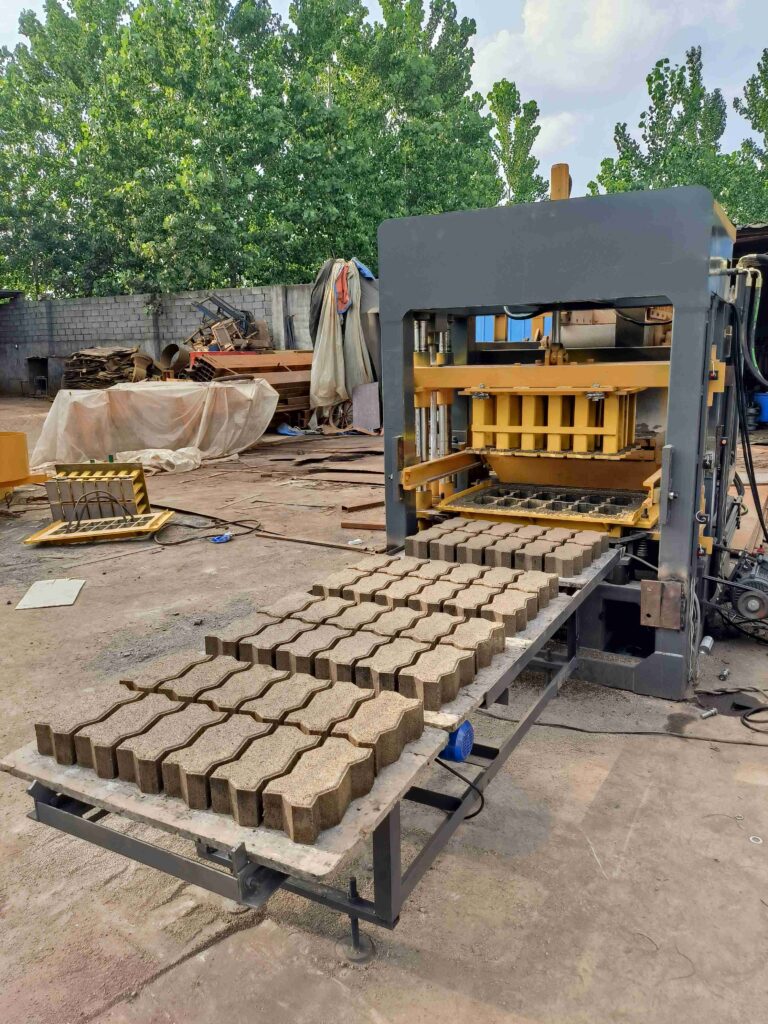
Gahunda y’imashini y’ububiko bwa birebire ni umukoro w’ubumenyi bukubiyemo ubumenyi bw’imashini, ubumenyi bw’ibikoresho, n’uburyo bwo gukoresha neza imashini mu buryo bwihuse. Intego yayo nyamukuru ni guhindura ibikoresho bitari byasunganye, kenshi bitandukanye, ibe amabuye y’ububiko bwa birebire ari mu buryo bw’imitunganyirize, afite ubukana buhagije kandi afite sisitemu y’ubufunguzi bw’imashini yizewe.
A. Ikibazo Gikomeye mu Gushushanya: Kurinda Ibinyabiziga mu Gihugu cy’Amajyepfo: Imbaraga n’Uruhare
Mu ngingo yayo y'ingenzi, mashini igomba gukoresha ingufu zihagije zo gukandagiza kugirango ishobore gukomeza imiterere yayo, mu gihe cyo gukora neza ibice byihariye by'urufunzo (indimi, imyenge, urufunguzo rwo guca) bisobanura inshingano z'igitambaro.
- Sisitemu zo Gufumbika Zimara n’izihindagurika:Ibyo byahanaguwe bitandukanye cyane hano.Ibikorwa bya hydraulique zishyigikira imiterere isigayeBishingira ku mibare minini, ikomeye ya tonnage ivuye ku nkingi yo hagati kugira ngo ihaze, ihaye agaciro ingufu ishobora gushika.Ibyoherezwa-bikoreshwa mu gukora ibikoresho byo gukora ibikoreshoakoresha insanganira ry’umuvuduko n’igitutu gito kugirango uhuze ibyangiza, akenshi bigafasha mu kugabanya igihe cyo gukora. Sisitemu zisanganira zishaka guhuza inyungu zombi.
- Guhindura Imbaraga no Kubungabunga Ubumwe bw’UmutweIgifu cy’umashini kigomba kuba cyubatswe neza cyane, kikaba icyubakwa kimwe gusa kugirango gishobore guhangana n’imihindagurikire y’ingorane zikomeye zitagaragara. Imikoreshereze myiza ikoresha ibyuma by’urusyo byo mu bubiko byakozwe neza kandi bifite imishinga y’ubutwari kugirango ishobore guhamya ko ingufu zikoreshwa zerekeza neza mu mwobo, aho kuba zikira mu gifu. Ibi ni ngombwa kugirango ibikozwe bigumane bikaba n’ubuzima bw’umashini.
B. Umutima w'Ubuyobozi: Ubwubiko bw'Imikoro n'Ingano
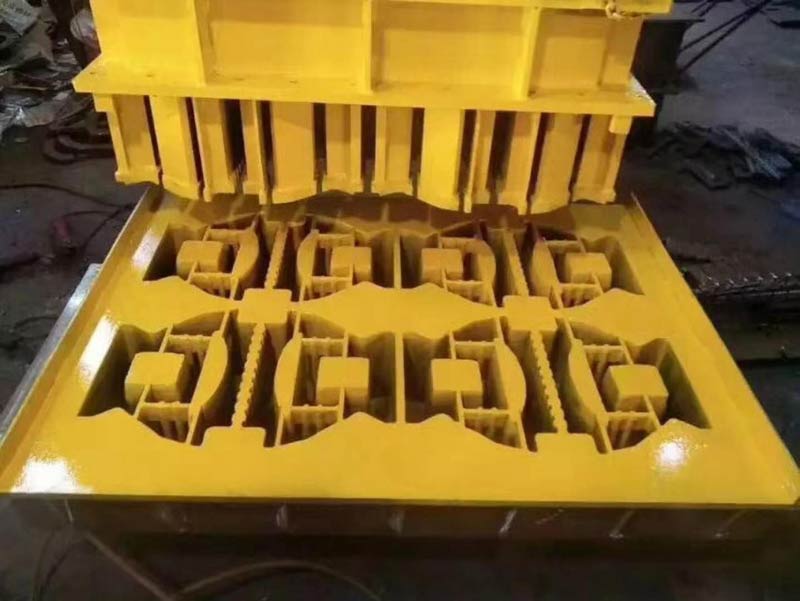
Ibisahaniro n’intebe z’ibisahaniro ni ibice by’ingenzi by’umashini, bishobora kuzana amafaranga. Imiterere yabyo ni yo itanga ibisobanuro ku gihagararo cy’ibicuruzwa mu isoko.
- Gahunda yo Kubaka Imyubakire y'Inyubako: Advanced machines feature quick-change mold systems. This allows a single press to produce multiple brick profiles (e.g., standard straight, corner, half-block) and surface textures by swapping the mold cassette in minutes, maximizing the client’s product flexibility.
- Taper and Draft Angle Engineering: To facilitate clean ejection, mold walls are designed with precise micro-tapers. Calculating this angle is critical—too little causes sticking and block damage; too much compromises the interlocking feature’s accuracy.
- Pallet Quality and Circulation System: Pallets form the bottom of the brick. Their design must ensure perfect flatness and high resistance to warping. The pallet conveyor system, whether a simple shuttle or a complex rotary index table, must be designed for precise alignment and smooth, low-impact movement to prevent damage to green (freshly pressed) bricks.
II. Critical Subsystem Design Analysis
A machine’s reliability and output quality are determined by the integration and quality of its core subsystems.
A. Power and Actuation Design
- Hydraulic System Design Philosophy: Beyond mere pressure rating (tonnage), discerning design focuses on pressure stabilitynacycle control. Systems with accumulators ensure consistent ram speed and pressure throughout the stroke. The choice between a dedicated pump-per-function design versus a central manifold system impacts maintenance accessibility and failure recovery.
- Electrical and Control Logic: The control panel is the machine’s brain. Modern designs move from simple relay logic to Programmable Logic Controllers (PLCs)naTouch-Screen HMIs (Human-Machine Interfaces). This allows for storing recipes for different brick types, monitoring production counts, and diagnosing faults. Design for connectivity (data export for OEE tracking) is an emerging differentiator.
B. Material Handling and Feed System Design
Consistent brick density starts with consistent material feed. The design of the feeding system is often a key differentiator between basic and high-end machines.
- Volumetric vs. Weight-Based Feeding: Most machines use a volumetric feed system (a hopper and feed drawer). Superior designs incorporate adjustable volume control and agitators to prevent material bridging, ensuring every mold cavity receives an identical amount of mix.
- The Compression Chamber Design: The area where material is first loaded before final compression is critical. Designs that include a “pre-press” or “pre-compaction” stage significantly improve final density and reduce the occurrence of laminations or weak layers within the brick.
C. Design for Maintainability and Serviceability
A machine designed without consideration for maintenance becomes a liability. Key design aspects include:
- Modular Component Layout: Pumps, valves, and electrical cabinets should be accessible without major disassembly.
- Standardized Components: Use of common bearing sizes, seal types, and hydraulic fittings reduces downtime and spare parts inventory for the end-user.
- Built-in Diagnostics: Pressure gauges, sight glasses for oil levels, and indicator lights for system status are hallmarks of user-centric design.
III. From Design Features to Market Advantages
Every design decision correlates directly to a commercial benefit for the end-user, which forms the core of a distributor’s value proposition.
A. Design Dictates Product Quality and Marketability
- Ibyemezo by’ubunyangamugayo: A rigid frame and precision-machined mold produce bricks with dimensional tolerances within ±0.5 mm. This allows for “dry-stack” or thin-mortar construction, drastically reducing construction time and material costs for the builder.
- Surface Finish and Aesthetics: Mold surface finish (polished, textured) is directly transferred to the brick. A well-designed machine produces bricks with sharp, clean edges and smooth faces suitable for exposed masonry, expanding into premium architectural markets.
B. Design Determines Operational Economics
- Ubushobozi bwo Gukoresha Ingufu: Machines designed with high-efficiency hydraulic pumps, variable-speed drives, and optimized cycle times consume less power per brick, a major operational cost saving.
- Output and Uptime: Robust design in wear parts (e.g., hardened steel liners in the mold) extends service intervals. Reliable automation in pallet handling maximizes “lights-out” running time, boosting overall equipment effectiveness (OEE).
- Gukoresha Abakozi neza: An intelligently designed human-machine interface (HMI) and automated material handling reduce the skill level and number of operators required.
C. Design Enables Raw Material Flexibility
The machine’s compression strategy and mold release system determine what materials it can process effectively. A versatile design can handle a range of mixes—from soil-cement to fly ash-based composites—allowing clients to source the most economical local materials.
IV. Strategic Considerations for Dealers and Distributors
A. Evaluating a Machine’s Design for Your Portfolio
When assessing a machine line, move beyond brochure specifications. Conduct a technical audit:
- Request Design Documentation: Ask for frame stress analysis (FEA) reports, hydraulic circuit diagrams, and electrical schematics. Their availability and clarity reflect the manufacturer’s engineering rigor.
- Analyze the Bill of Materials (BOM): Inspect the machine. Identify the brands of critical components (PLC, hydraulic pumps, seals). The use of internationally recognized components simplifies future service.
- Test Raw Material Variability: During a factory acceptance test, challenge the machine with different mix designs to verify the design’s claimed versatility.
B. Marketing the Design Advantage
Sell the engineering, not just the machine. Educate clients on how specific design features solve their pain points:
- For Builders: Focus on product precision enabling faster, cheaper construction.
- For Entrepreneurs: Focus on reliability, low maintenance, and material flexibility for maximum profitability.
- For Government/ NGO Buyers: Focus on robustness, ease of training, and suitability for local materials in development projects.
C. Building a Support Ecosystem Based on Design Knowledge
Your technical team must understand the machine’s design intent. This allows for:
- Informed Troubleshooting: Diagnosing a problem based on system interaction rather than part replacement.
- Effective Spare Parts Forecasting: Knowing which components are under highest stress allows for strategic stocking of wear parts.
- Value-Added Consulting: Advising clients on optimal mix designs and maintenance schedules tailored to the specific machine design.
Ibyo byose
In the marketplace for interlocking brick machines, design is the ultimate determinant of value, performance, and client success. It is the invisible framework upon which profitability is built. For the discerning dealer or procurement professional, developing a deep literacy in machine design is not an optional technical exercise; it is a core commercial competency. By learning to evaluate the engineering principles behind the frame, the intelligence within the control system, and the precision of the mold, B2B stakeholders can transition from being mere equipment vendors to becoming trusted advisors and solution providers. This expertise enables them to curate a superior product portfolio, mitigate client risk, and build a reputation for quality that drives long-term business growth. In an industry pivoting towards smarter, more sustainable construction, the most valuable asset one can offer is not just a machine, but the profound understanding of the exceptional design that makes it work.
FAQ (Frequently Asked Questions)
Q1: How does the design of a machine specifically impact the final brick’s interlocking strength?
A: The interlocking strength is a direct function of mold precision and compaction force. The mold must be designed to form the tongues and grooves with sharp, uncompromised geometry. The compression system must provide enough pressure to ensure these features are dense and non-friable. A poorly designed machine will produce interlocks that are rounded, weak, or prone to breakage, compromising the wall’s structural integrity.
Q2: What are the key design differences between a machine suited for high-volume commercial production and one for small-scale entrepreneurial use?
A: Commercial-scale designs prioritize automation, integration (auto-feeders, stackers, pallet return conveyors), high-speed cycles, and ultra-robust construction for 24/7 operation. Entrepreneurial-scale designs focus on simplicity, lower power requirements, ease of maintenance by the owner, and flexibility (manual pallet handling, quick mold changes) over pure output speed.
Q3: Why do mold designs wear out, and what design features extend mold life?
A: Molds wear from abrasive raw materials and constant stress. Superior design combats this with:
- Guhitamo Ibikoresho: Using high-chrome, tool-grade hardened steel (e.g., DIN 1.2379) for critical surfaces.
- Modular Wear Parts: Designing the mold with replaceable liners or inserts in high-wear areas (like the interlocking features), so the entire mold box doesn’t need replacement.
- Effective Release Systems: Incorporating strategic vibration or air-blast ejectors to ensure the brick releases cleanly without forcing.
Q4: How critical is the design of the vibration system in a vibratory-compaction machine?
A: It is paramount. The system must be designed to deliver high-frequency, low-amplitude vibration uniformly across the entire mold table. Eccentric weight design, isolation mounts to prevent energy loss to the frame, and synchronized multi-point vibration are hallmarks of effective design. A poorly designed system leads to inconsistent brick density and surface defects.
Q5: Can machine design accommodate the production of custom or architectural brick shapes?
A: Absolutely, but it depends on the core design philosophy. Machines built with a universal press and modular mold system excel here. The key is ensuring the machine’s compression force and ejection stroke can accommodate the unique geometry of a custom mold. This capability allows distributors to serve niche, high-margin markets like landscaping and architectural facades.
Q6: What design aspects should we examine to assess a machine’s durability and expected lifespan?
A: Focus on:
- Ubwubatsi bw'ibiti Welding quality (continuous, penetrated welds), steel thickness, and reinforcement at stress points.
- Component Sizing: Are hydraulic cylinders and shafts oversized for their rated load? This indicates a safety margin and longer life.
- Protection: Quality of paint/coating, inclusion of mud flaps, and sealing of electrical components against dust.
- Service Access: Easy access points for greasing and inspection suggest a design built for long-term upkeep.
Q7: How does machine design influence the required skill level of the operator?
A: A well-designed machine with an intuitive PLC interface, automatic fault alerts, and recipe storage significantly lowers the skill barrier. The operator manages the process rather than the mechanics. Conversely, a machine with manual levers, unmarked controls, and no diagnostics requires a highly experienced, mechanically inclined operator to run and troubleshoot effectively.