
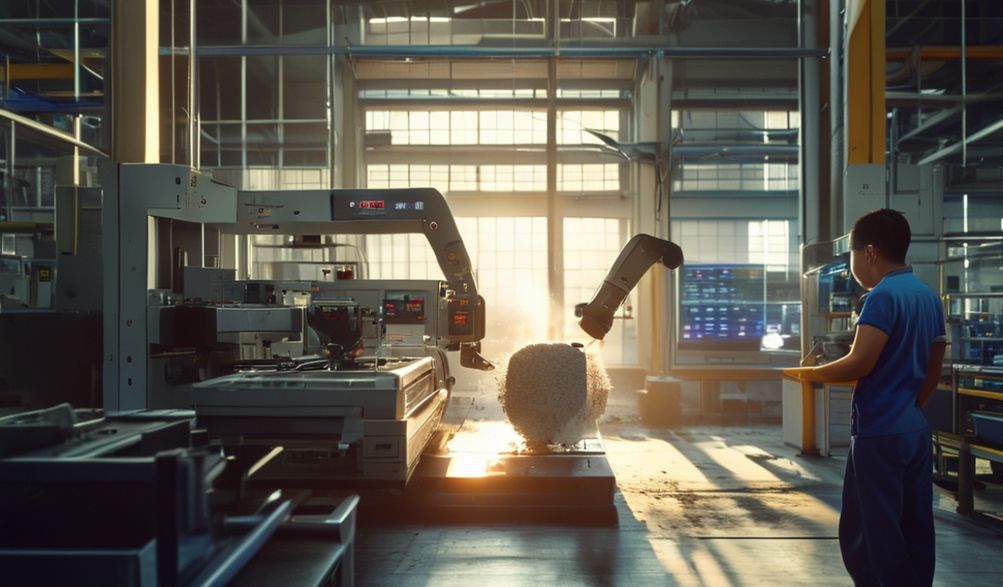
Ingamba Yuzuye ku Mashini Zikora Amapfuka Agapfukiranye mu gihugu cya Filipine (2026)
Intangamarara
Umusozi wo mu gihugu cya Filipine uri guhinduka. Kuva mu kwiyongera byihuse by’amazu y’ubucuruzi mu mujyi wa Metro Manila kugeza mu mazu menshi y’ubucuruzi mu ntara zishya ziyubaka, inganda z’ubwubatsi mu gihugu ziri mu gihe cy’iterambere ridasanzwe. Iyi myiyongera, ntabwo ari yo gusa, igamije gushyigikira ishingiro ry’ingenzi, rimaze igihe kinini rirengwa: ubushobozi bwo gutanga amabuye y’ubwubatsi y’umwimerere (CHB) y’ikijyambere.
Ku banyamwuga, abakontarakazi, n'abikorera mu rwego rw'ubwubatsi, ubu buryo bwo gushaka amabuye y'urukuta buhabwa amahirwe meza. Ariko, uburyo bwa kera bwo gukora amabuye y'urukuta—bushingiye ku mbaraga z'abantu n'amashini atari yo mu buryo buhamye—buri mu bigeragezo byo guhura n'ibyo bakeneye. Birangwa n'ibiciro byinshi by'umurimo, ubwiza butandukanye, n'ubushobozi bwo kubyara amabuye buke, ibyo bishobora gutera umwanda mu gahunda y'umushinga no kugira inyungu.
Hano ni ho gutanga amafaranga mu bukungu bwa tekinoroji bigira urugamba rwawe rukomeye cyane.mashini y'ibikoresho by'ibumba y'umwandani gusa nta n'igikoresho; ni umutungo wihariye wo guhindura ubucuruzi bwawe. Iyi rwunganirangendo yuzuye yateguwe kuba inkomoko yawe y'ingenzi. Tuzakuraho amagambo y'ubumenyi, gukora igenzura ry'ukuri kw'isi y'Abanyafilipine, kandi tuzaha inyigisho zikoreshwa ukeneye kugira ngo ugire icyizere mu gutanga amafaranga, kugira ngo ubyutse inyungu zihoraho.
Gusobanukirwa Imashini z’ibikoresho by’amabati y’ibikoresho by’amabati (Note: The original text "Understanding Automatic Hollow Block Machines" is in English. The translation provided is in Kinyarwanda, which is the official language of Rwanda. The translation means "Understanding Machines for Making Hollow Blocks." Since the instruction was to output ONLY the translated text, no additional explanation is included.)
Mbere yo kujya mu byo gutanga amafaranga, ni ngombwa kumenya neza ibyo ushaka gushaka. Imashini y’amatofari ikora itararangwa ni yo mashini ikora amatofari mu buryo bwihuse kandi bwiza kurusha izindi.
Ni iki cyitwa Machine y’ibikoresho by’amabuye y’umwanda y’ibumba?
Mu mizinga yayo, umashini y'ibikoresho by'ibyumba bishushanyije ni sisitemu yuzuye yateguwe gukora ubwato bwose bwo gukora ibyumba bya sima, kuva mu guhuza ibikoresho by'ingenzi kugeza mu mwanya wo gusukura.
- Umurimo UkoreshwaIyo mashini igenzura mu buryo bwikora ibipimo by’ibikoresho by’ingenzi (siman, isazi, amabuye), igenzura igenzuranyamashanyarazi, ukwandika amabuye mu buryo bukomeye, no kuyatwara mu buryo bukurikijwe imigenzereze kugira ngo yikure neza.
- Icyatandukanya cyane:Urugero rwo kwinjira mu bikorwa by’abantu. Nta ho kimwe n’imashini zikoreshwa n’abantu cyangwa izikoresha abantu gato, aho umukozi agomba kuba ariho buri gihe kugira ngo azajugunye ibintu, ayibumbire, kandi azibikureho, sisiteme itangira ikora itunganywa binyuze mu modere y’ubuyobozi buhinduwe (PLC). Abakozi baniniraga cyane gushakisha uko ibikorwa bigenda, gucunga ibyinjijwe mu bintu by’ibanze, no gucunga ibisohotse byasakaye. Iyi mpinduka ni yo itera ubwiyunge budasanzwe n’umusaruro.
Ibice By’ingenzi n’Uko Bikora
Gusobanukirwa imiterere y’ikina bigatuma umuntu amenya neza uko ikina rikora kandi bigasobanura ubuhanga bukoreshwa mu gishushanyo mbonera cyacyo.
- Sisitemu yo Gukora Ibikorwa hamwe no Gukora Imvange:Umutereshi wihariye utanga sima, umusenyi, n’ibikomoka mu butaka mu mafuro cyangwa mu muvange w’isi, ushimangira ko umuvange w’ibumba wihariye uhabwa buri cyerekezo.
- Sisitemu yo gutwara ibintu:Gutwara betoni ivangitse mu cyerekezo cyo gucukura nta byangiritse mu byavanye.
- Ihuriro ry'ibikoresho by'ibumbaUmuti w'umashini. Sisitemu ya hydraulike ikoresha ingufu zikomeye, zikaba zigenewe gukoreshwa (zigereranywa mu toni) kugirango zikomeze sima mu miterere ya zahabu, zikaba zikora amabuye y'ubutaka afite ubunini n'uburemere buhamye.
- Sisitemu yo Gutanga Ibipaki/Ingendo:Yinjiza mu buryo bwikora amapalet asigaye ari ubusa (amapikipiki y’icyuma) mu ikombe kandi akura ibyatsi byashyizweho gushyirwa mu gikoni.
- Umushofero/Ukuboko kwa Roboti:Ziba amabara y'icyatsi (atari imyaka) mu buryo bworoshye mu giti cy'ububiko hanyuma akayashyiramo mu nkuramagari z'imyaka, byiteguye kujya mu kibuga cy'imyaka.
- Kontoro y'ibikorwa (PLC):Umutwe w'umurimo. Urugeramikorere rwemerera abakoresha gushyiraho paramitere, kugenzura ibikorwa, no gusuzuma ibibazo.
Umuzingo W'ikoranabuhanga:Uburyo ni uruziga rukomeza, ruhuza igihe: Kuvanga → Kujyana → Gukora imiterere → Gusohora → Guteranya → Gusubiramo. Iyi minsi irashobora gukora ibyumba buri gihe cya amasegonda 10-30, bitewe n'ubwoko bw'igishushanyo.
Ubwoko bw'amabuye yubakwa
Inkamaro ikomeye y’imashini z’ikoranabuhanga z’ubu ni ubushobozi bwayo bwo gukora ibintu bitandukanye. Ukoresheje uburyo bworoshye bwo guhindura imyubako, imashini imwe irashobora gukora:
- Amakara y'ibyumba asanzwe:Abakozi bakomeye mu rwego rw'ibikorwa: ubujyakuzimu bwa 4″, 5″, na 6″.
- Ibirindiro by'umwimerere:Kuri porogaramu zikeneye ubushobozi bwo gutwara umutwaro burenze urugero cyangwa akazi gusimbuza.
- Amabuye yo gupaka n'Amabuye Agahuzamiryango:Kubaka imyubakire, imihanda yo mu mudugudu, n'uburyo bwo kubaka bwa gisirikare.
- Ibyiciro Byihariye:Nka amabuye y’umupaka cyangwa amabuye y’umuriro.
By’ingenzi, umashini w’ikirenga ugomba kuba ukora amabuye y’ibyumba asuzuguritse Amahame Mpuzamahanga y’u Bubiligi (PNS).kubikoreshwa mu mabuye y’urubaho y’agateganyo (PNS 156:2020). Ibi biganisha ku kugira ko ibicuruzwa byanyu bihuje n’ibisabwa mu bikorwa remezo by’inzitizi zikwirakwiza umutwaro n’izidakwirakwiza umutwaro, nk’uko byateganywa n’Ikigo cy’Igihugu gishinzwe Imishinga ya Leta n’Amayira (DPWH) hamwe n’amategeko y’ubwubatsi mu karere.
Kubera Itangazo ry’Umashini Otomatiki mu Bikorwa byawe byo muri Filipine?
Gutanga mu ikoranabuhanga ryo gukora ibintu mu buryo bwikora ni ingenzi, ariko inyungu zizasohora—cyane cyane mu rwego kw’ishoramari ryo kubaka muri Filipine—zirakwiye kandi zifatika mu buryo butandukanye.
Ubushobozi Budasanzwe & Ibisohoka Bikomeye
Impaka hagati yo gukoresha robot na uburyo bwa kera zirahambaye cyane.
- Guhindurwa Kuboneka:Imashini igikora mu buryo bwa semi-omatike ishobora gukora amabuye 400-800 mu isaha 8 hamwe n’abakozi bose. Imashini igikora mu buryo bwa otomatike rusange ishobora gukora2,000 kugeza kuri 5,000 ibigo mu gihe kimwe, hamwe n'abakozi bake cyane.
- Gutera imbere kw'umushingaUbu bushobozi buguha ubushobozi bwo gutanga umusaruro utiziguye mu bikorwa binini nk'iterambere ry’amashyamba, ibigo by’ubucuruzi, cyangwa imishinga y’ibikorwa remezo bya leta, nta nkomyi igomba kuba. Ushobora guhora usohoza imirimo mu gihe gikenewe.
Ubureme bwo hejuru kandi buhoraho mu bwiza bw'ibiti.
Gutunganya bikuraho ihindagurika ry’abantu mu kigero cy’umusaruro.
- Buri bloku ihabwa uburebure bw'ibikoresho runaka, igihe cyo kuvanga, hamwe n'umuvuduko wa hydraulic. Ibi bivamo ingano, uburemere, ndetse—cyane cyane—ubushobozi bwo gukandamiza.
- Ubushobozi bwo Gukomeza ImiterereUbuziranenge buhoraho butanga umutekano, inyubako zizewe. Bigabanya ingaruka z'ibintu byoroheje mu nkuta z'amatafari.
- Icyubahiro cy'irangamuntu cyangwa izina ry’ibicuruzwa:Gutanga ibice byinshi-byinshi by’amabara atunganye bitera izina ritagangara mu banyamwuga n’abashinzwe ubwubatsi.
Significant Long-Term Cost Savings
While the upfront cost is higher, the total cost of ownership tells a different story.
- Labor Cost Reduction: An automatic system may require only 2-4 personnel (for feeding, monitoring, and stacking) versus the 8-12 needed for equivalent manual output. In a market with rising labor costs, this is a decisive advantage.
- Lower Operational Cost per Block: Higher output spreads fixed costs (machine depreciation, power, rent) over more units, reducing the cost per block.
- ROI Framework: A proper business plan can show an ROI period of 18-36 months, after which the machine becomes a significant profit center. Reduced waste from rejected batches further improves margins.
Enhanced Worker Safety and Ease of Operation
- Guhindura Imbaraga: The machine handles the heaviest and most repetitive tasks—mixing, pressing, and transporting.
- Safety Features: Modern machines include emergency stops, safety guards, and sensors to protect operators.
- Uburyo bworoshye bwo gukoresha: With proper training from the supplier, operating the PLC control panel is manageable. The focus shifts from labor to skilled machine supervision and maintenance.
Critical Factors When Choosing a Machine in the Philippines
Selecting the right machine requires a clear assessment of your needs and the local environment. Here are the non-negotiable factors to consider.
Production Capacity & Your Business Scale
Don’t buy more machine than you need, but always plan for growth.
- Small Yard/Starter Business: A machine producing 1,500-2,500 blocks per 8-hour shift may suffice.
- Medium Enterprise/Expanding Contractor: Aim for 3,000-5,000 blocks per shift to supply multiple projects.
- Large Plant/Supplier: Look at high-capacity models producing 6,000+ blocks per shift, possibly with multiple production lines.
- Match to Demand: Analyze your current project pipeline and local market demand. It’s better to have slight excess capacity than to constantly run at maximum stress.
Power Requirements & Philippine Utility Considerations
Power is a critical and often overlooked practical concern.
- Electrical Specs: Most industrial automatic machines require a stable 3-phase power supply. Verify the voltage (typically 220V/380V or 440V) and ensure your site can support it.
- Fuel Options: Some models offer diesel-powered hydraulics, which can be a lifesaver in areas with frequent brownouts, but factor in the ongoing cost of diesel fuel.
- Power Stability: Voltage fluctuations can damage sensitive electronics (like the PLC). Invest in a proper voltage regulator or stabilizer. A backup generator is highly recommended for uninterrupted production.
Machine Durability & After-Sales Support
This is arguably the most important consideration for the Philippine market.
- Built for the Tropics: The machine must withstand high humidity, dust, and continuous operation. Look for robust frames, corrosion-resistant coatings, and high-quality hydraulic components.
- NON-NEGOTIABLE: Local After-Sales Support. A machine is useless if it breaks down and you wait months for a spare part from abroad. Prioritize suppliers with a proven service network in Luzon, Visayas, and Mindanao. Ask for their location and response time commitment.
- Warranty & Parts: Get a clear, written warranty (at least 1 year on critical parts). Inquire about the inventory of common wear parts (molds, seals, hydraulic hoses) kept locally in the Philippines.
Raw Material Flexibility
Your machine must work with what’s available locally.
- Ensure it can effectively mix and mold using a range of locally sourced aggregates—from river sand and crushed gravel to, potentially, fly ash (a cost-effective cement substitute).
- The control system should allow you to easily adjust mix ratios to optimize for strength requirements and material costs.
Budget & Total Cost of Ownership
Look beyond the sticker price.
- Upfront Cost: Automatic machines in the Philippines can range from ₱1.5 million to over ₱7 million, depending on capacity, brand, and automation level.
- Hidden Costs: Always budget for:
- Shipping and handling to your site.
- Import duties and taxes (if the supplier is not a local distributor who has already absorbed these).
- Site preparation and concrete foundation.
- Installation and commissioning fees.
- Initial operator training.
Top Considerations for the Philippine Market & Supplier Selection
Your choice of supplier is as important as your choice of machine. Conduct thorough due diligence.
Navigating Local Suppliers vs. Direct Import
- Reputable Local Distributor (Recommended):
- Inziza: Handles importation, provides local warranty, stocks spare parts, offers faster technical service, understands local regulations.
- Ibibi: May have a higher upfront price due to value-added services.
- Direct Import:
- Inziza: Potentially lower initial equipment cost.
- Ibibi: High logistical complexity, hefty import duties and VAT, no local support, language/time zone barriers, massive risk if machine arrives damaged or faulty.
Compliance with Philippine Standards
Your supplier must understand and guarantee compliance.
- Explicitly ask: “Can this machine produce blocks that will pass PNS 156:2020naDPWH material standards?”
- Request to see test reports or certificates from previous clients who have had their blocks tested at DPWH-accredited labs.
Requesting a Live Demonstration or Site Visit
Never buy based on brochures or videos alone.
- Live Demo: Insist on seeing the exact model (or a very similar one) running under load at the supplier’s showroom or warehouse.
- Client Site Visit: Ask the supplier for references and, if possible, visit an existing customer’s block yard. Speak directly to the operator and owner about their experience, machine performance, and the supplier’s service responsiveness.
Key Questions to Ask Your Supplier
Come prepared with a checklist:
- What is the exact warranty coverage and duration?
- Where is your service center located, and what is your guaranteed response time?
- Do you keep a local inventory of common spare parts? Can I see a list and price list?
- Do you provide comprehensive operator and maintenance training? Is it on-site?
- What is the lead time from order to delivery and installation?
- Can you provide a detailed, all-inclusive quotation (machine, shipping, installation, foundation guide)?
- Can you connect me with 2-3 of your current clients in the Philippines?
Operational Setup and Best Practices
A successful investment depends on proper setup and care.
Site Preparation and Foundation
- Umwanya: Allocate sufficient area for the machine, raw material storage, curing yard, and finished block storage. A covered, well-ventilated shed for the machine is ideal.
- Foundation: This is critical. The supplier must provide detailed foundation drawings. A proper reinforced concrete foundation absorbs vibration, ensures machine leveling, and prevents premature wear and misalignment.
Routine Maintenance for Longevity
Preventive maintenance is cheap compared to major repairs.
- Buri munsi: Clean the machine, check hydraulic oil levels and for leaks, inspect molds for wear or concrete buildup.
- Buri cyumweru: Grease all bearings and pivot points, check electrical connections for tightness, inspect conveyor belts.
- Monthly: Change or clean hydraulic and oil filters, perform a more thorough inspection of wear parts.
- Climate Note: In high-humidity environments, pay extra attention to preventing rust on unpainted surfaces and ensure electrical panels are kept dry.
Optimizing Your Raw Material Mix
The best machine cannot compensate for a poor mix design.
- Standard Mix: A common starting point is a 1:6:4 ratio (1 part cement, 6 parts sand, 4 parts gravel). This must be adjusted based on your aggregate quality and target block strength.
- Ubushakashatsi bw'ibicuruzwa: Perform simple on-site tests:
- Drop Test: A properly cured block should not break when dropped from waist height onto a solid surface.
- Water Absorption: A good block should not absorb excessive water quickly.
- For official compliance, regularly send samples to a DPWH-accredited or private construction materials testing laboratory for compressive strength testing.
Bibazo Byinshi Byibazwa (FAQ)
Q1: What is the average price range for an automatic hollow block machine in the Philippines?
A: Prices vary widely based on capacity and brand. Entry-level models can start around ₱1.5 million, while full-scale, high-output plants can exceed ₱7 million. Always remember that the cheapest option often carries hidden costs in maintenance, downtime, and poor support. Focus on value and total cost of ownership.
Q2: How many workers are needed to operate an automatic machine?
A: A well-organized setup typically requires 2 to 4 workers: one to oversee the control panel and overall process, one or two to manage raw material feeding (cement, aggregates), and one to manage the stacking and movement of cured blocks. This is a drastic reduction from manual operations.
Q3: Can I use an automatic machine to start a hollow block business?
A: Absolutely. An automatic machine provides the efficient, high-quality production foundation a new business needs. However, success also requires a solid business plan, a clear understanding of your local market and competition, reliable raw material suppliers, and a strategy for sales and distribution.
Q4: How do I ensure the blocks pass DPWH or local engineering standards?
A: First, use the correct mix design with quality materials. Second, ensure proper curing (keeping the blocks moist for at least 7 days). Most importantly, you must have your blocks tested. Produce samples from your machine and submit them to a DPWH-accredited or reputable private construction materials testing laboratory for official compressive strength certification.
Q5: What is the typical lead time for receiving a machine after ordering?
A: This varies significantly. If the model is in local stock, delivery could take 2-4 weeks for site preparation and scheduling. If it needs to be imported, lead times can range from 8 to 16 weeks, accounting for manufacturing, sea freight, and customs clearance. Always get a written delivery timeline from your supplier.
Ibyo byose
Investing in an mashini y'ibikoresho by'ibumba y'umwanda in the Philippines is more than a capital expenditure; it’s a strategic commitment to the future of your business and the nation’s built environment. It represents a shift from labor-intensive struggle to technology-driven growth, from inconsistent quality to market-leading reliability, and from limited capacity to scalable opportunity.
The path to a successful investment is built on diligent research and prudent decision-making. By prioritizing unwavering local after-sales support, guaranteed compliance with PNS standards, and a clear alignment between machine capacity and your business goals, you secure not just a machine, but a reliable partner in profitability for the next decade.
Take the next step with confidence. Engage with reputable suppliers, ask the hard questions, visit existing installations, and make the choice that will position you as a cornerstone of quality and efficiency in the Philippine construction industry.
Disclaimer: This guide is for informational purposes based on industry expertise. Specifications, prices, and standards are subject to change. Always conduct your own due diligence and consult with technical and financial advisors before making a capital investment.
<