
Uko Wahitamo Mashini Ikora Amatafari y'Itaka: Uruhare rwuzuye rw'Igiciro n'Uko Uhitemo mu Buhinde
Intangamarara
Kugenda ku isoko ushaka imashini ikora amatafari y’ibumba mu Buhinde birashobora kugorana. Ushaka kwibaza ikibazo kimwe gikomeye: “Ingana iki?” Ariko, kwibanda gusa ku giciro cya mbere ni ikosa rya mbere abacuruzi benshi bakora. Isoko ry’Ubuhinde rizuye abakora mu rugo, ibicuruzwa byo hanze, n’ubwinshi bw’ubuziranenge, aho guhindagurika kw’ibiciro ari ibisanzwe, atari ibidasanzwe.
Ubu butumwa bugamije guhindura ukureba ibintu. Tuzaguha gahunda isobanutse, ishobora gukoreshwa, ihuza ibiciro by’ambere n’ibipimo by’ubuhanga, imikorere n’agaciro k’igihe kirekire. Guhitamo itunga rikwiye ni ishoramari ry’ubuhanga rizashyira ku rwego umusaruro w’uruganda rwawe rw’amatabi, ubuziranenge bw’ibicuruzwa, n’inyungu mu myaka iri imbere. Reka turengere ibiciro gusa maze twige gufata icyemezo gishingiye ku bumenyi kandi kidashidikanywaho.
Gusobanukirwa Imashini Zikora Amatafari y’ibumba mu buryo bwikora Iyi ngingo yerekana uburyo imashini zikora amatafari z’ibumba zikora mu buryo bwikora, zikoresha uburyo bwa robotiki n’ubushobozi bwo gukora amatafari y’ibumba mu buryo bwihuse kandi burambye. Zishobora gukora amatafari menshi mu gihe gito, zikoresha ibikoresho nk’ibumba, amazi, n’ibindi bikoresho. Imashini nshya zikora amatafari zikunze kuba zifite ubushobozi bwo guhindura ubwoko bw’amatafari bakora, gukora amatafari y’ibishushanyo, no gukora amatafari mu buryo bwo gukora amashusho. Ibi byose bigamije kongerera ubwiza n’ubukungu mu rwego rwo gukora amatafari y’ibumba.
Mbere yo kwinjira mu giciro, ni ngombwa kumenya neza icyo ushora imari muri.
Ni iki cyuma cy'itabire ry'ibumba ryikora mu buryo bwikora?
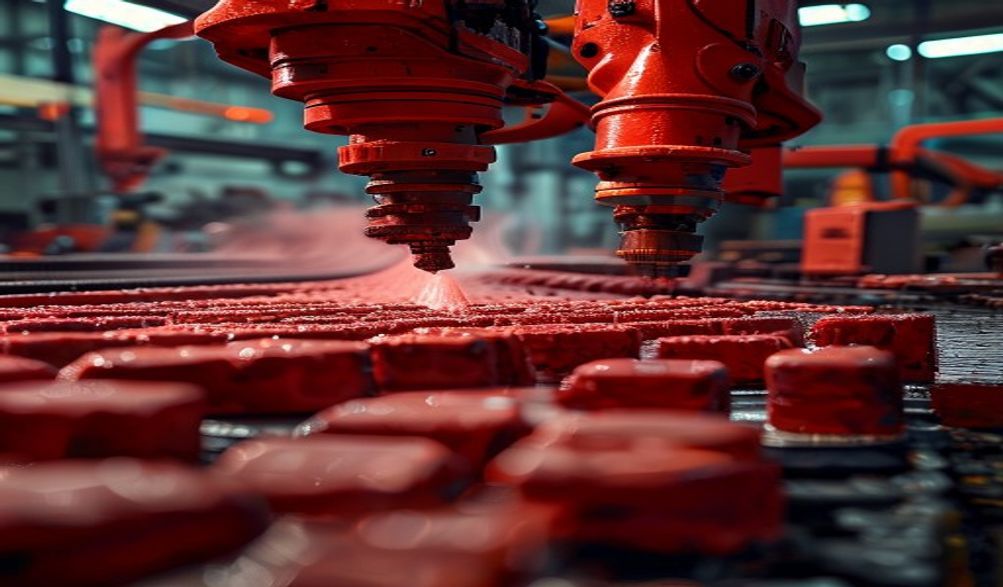
Imashini ikora amatafari y'ibumba mu buryo bwikora ni sisitemu yuzuye, ikora ku buryo bwihariye yubatswe kugira ngo itange amatafari menshi ahwanye nta gutandukana hamwe n’ubutabazi buke bw’abantu. Iha umwanya ibikorwa byose—kuva mu gutanga no kuvanga ibumba ribisi, kugera mu kubumba, gutera, gukata, ndetse rimwe na rimwe no gutunganya cyangwa gushyira ku mpapuro amatafari arangije.
- Itandukanya n’Ubundi Bwoko:Kinyarwanda translation: Bitainyandikomashini (umurimo mwinshi, ibisubizo bike) cyangwaigikoresho gihawe umwanya wo gukora ubwacyoimashini (automation igice, akenshi zisaba gukoreshwa n'intoki ku busa butari bwumye), uruganda rukora mu buryo bwikora rukora hamwe n'abakozi bake cyane, cyane cyane kugira ngo bagenzure kandi bakore serivisi z'injira. Inyungu nyamukuru niubunini, uburinganire, no kugabanya ikiguzi cy’abakozi.
Ibice By’ingenzi n’Uko Bikora
Kumenya ibice by’ingenzi bifasha mu gusuzuma ubuziranenge no kumenya aho amafaranga akoreshwa.
- Umutekano n'Umuvange:Gutunganya ivange ry’ibumba kugira ngo rive mu rugero rumwe.
- Sisitemu yo gutwara ibintu:Itwara ibikoresho hagati y'ibyiciro nta nzitizi.
- Hidrolike Press cyangwa Sisitemu yo Gusohora (Extrusion System)Umutima w'ikinyabiziga. Ukoresha imbaraga nini zishobora gushyirwaho gukora amatafari akomeye, akomeye. Ubwiza bwa pompe ya hydraulic, valves, na silindero ni ingenzi.
- Kontoro y'ibikorwa (PLC):Ubwonko. Controller ya Programmable Logic itunganya urutonde, ikurikirana umuvuduko, kandi iha uburyo bwo guhindura neza. PLCs zihambaye zitanga gukusanya amakuru no gupima ibibazo.
- Sisitemu ya Paleti:Ikora amatabire yashizwe mu buryo bwikora mu nzibacyuho cyangwa izamuka.
The synergy of these components is what ensures a steady output of bricks with identical dimensions and compressive strength, shift after shift.
Critical Factors Influencing the Price in India
The price of an automatic brick machine in India isn’t arbitrary. It’s a direct reflection of several key factors.
Ibigenga by'Inganda n'Ubushobozi
Iki ni cyo kintu gikomeye cyane mu gucunga ibiciro.
- Ubushobozi bwo gukora: Measured in bricks per hour (BPH) or per shift. A machine rated for 2,000 BPH will be priced significantly lower than one rated for 6,000 BPH. Don’t just buy for today; factor in future expansion plans.
- Brick Type and Size: Standard solid bricks are the baseline. Machines that produce hollow blocks, pavers, or interlocking bricks require more complex mold systems and often stronger hydraulics, increasing cost.
- Umutekano wo Gukoresha Imashini “Fully automatic” can range from a basic system with automatic pressing to a top-end plant with robotic pallet changers and automatic stackers. Each added layer of automation adds to the price.
- Motor Power & Hydraulics: Higher Horsepower (HP) motors and robust, energy-efficient hydraulic systems cost more but deliver better performance and durability.
Brand and Origin of Manufacturing
The source of the machine creates distinct price segments.
- European/German Brands: (e.g., Lingl, Besser) Represent the premium tier. You pay for decades of engineering, exceptional durability, and high-tech features. Prices are at the top end, but so is perceived reliability and resale value.
- Chinese Manufacturers: Offer the widest price range. While there are reputable companies, the market has variability. Prices are competitive, but our experience shows that due diligence on service support in India is non-negotiable.
- Abamarekani bo mu Buhinde: A growing and compelling segment. Companies, particularly from industrial hubs like Gujarat, Rajkot, and Coimbatore, offer machines well-adapted to local clay conditions. They often provide a strong balance of competitive pricing, easier service access, and an understanding of the Indian operational landscape.
Material and Build Quality
This is where hidden value (or future cost) lies.
- A machine built with high-grade steel, ISO-certified hydraulic components, and branded electricals (like Siemens or Allen-Bradley PLCs) will have a higher sticker price but suffer far fewer breakdowns.
- Conversely, machines using inferior materials will have a lower upfront cost but lead to frequent downtime, high maintenance expenses, and a shorter operational life. The lifetime cost of a cheap machine can easily surpass that of a quality one.
Additional Features and Customization
The base model is just the start. Optional extras add cost:
* Auto pallet changers to reduce labor further.
* Color mixing and dispensing systems for facing bricks.
* Advanced PLCs with touchscreen HMI and production reports.
* Custom molds for unique brick designs or sizes.
Market Dynamics: Location, Demand, and Currency
- Logistics: If you are far from an industrial manufacturing hub, transportation costs for the machine (which can weigh tens of tons) will be significant.
- Import Duties: For foreign machines, customs duties and taxes are a major addition to the CIF (Cost, Insurance, Freight) price.
- Ibiciro by'ibikoresho by'ingenzi: Fluctuations in steel and component prices can cause manufacturer quotes to change.
A Step-by-Step Guide to Choosing the Right Machine
Follow this systematic process to align your investment with your business goals.
Step 1: Assess Your Production Needs and Scale
Be brutally honest with your numbers.
* Calculate your current and projected 5-year daily brick requirement.
* Decide on the mix of products (e.g., 70% solid bricks, 30% pavers).
* Tip from the field: It’s often wiser to invest in a machine with 20-30% more capacity than you currently need. The marginal cost increase is usually outweighed by the ability to grow without another major capital outlay.
Step 2: Define Your Budget with a Total Cost of Ownership View
Your budget should account for:
1. Machine Sticker Price
2. Installation & Foundation: Often quoted separately.
3. Ibiganiro: For your operators.
4. Power Connection: These machines require substantial, stable three-phase power.
5. Annual Maintenance & Spare Parts: Budget 3-5% of the machine’s cost annually for upkeep.
6. Working Capital: For raw materials and labor until sales revenue flows.
Step 3: Research and Shortlist Reputable Suppliers
- Look for manufacturers with a proven track record of 10+ years.
- Ask for a client list and visit their websites/portfolios.
- Consult industry bodies like The Indian Brick and Tile Manufacturers Association (IBTMA) for vetted member lists.
- Search industry-specific online forums for unbiased user reviews.
Step 4: Evaluate Technical Support and After-Sales Service
This is a deal-breaker. A machine without support is a liability.
* Where is the nearest service engineer located? Response time is critical.
* Igihe cy'ubwishingizi ni ikihe kandi biteganyije iki? (e.g., 1 year on machine, 6 months on hydraulics).
* Is there a ready inventory of critical spare parts in India? Waiting months for a part from overseas can cripple your business.
Step 5: Insist on a Live Demonstration or Visit Existing Installations
Never buy based on a brochure alone.
* Witness a live demo, preferably using a clay sample similar to yours. Listen for irregular knocks in the hydraulics, observe the brick ejection smoothness, and check the final brick density.
* Visit a client’s unit. Speak to the owner privately. Ask about real-world production rates, downtime, service responsiveness, and hidden challenges. This is the ultimate trust signal.
Price Range Expectations for Automatic Clay Brick Machines in India (2026)
Note: The following are indicative price ranges for standard configurations. Final prices depend on negotiation, exact specs, and market conditions. Always get itemized quotations.
Entry-Level Automatic Machines
- Approx. Price Range: ₹10 Lakhs – ₹25 Lakhs
- Typical Specs: Output of 800 – 1,500 BPH. Basic automation, often a simple PLC or relay logic. Commonly sourced from smaller Indian manufacturers or certain Chinese brands. Ideal for small-scale entrepreneurs entering automated production.
Mid-Range Standard Automatic Plants
- Approx. Price Range: ₹25 Lakhs – ₹70 Lakhs
- Typical Specs: The workhorse segment (1,500 – 4,000 BPH). Features better reliability, more standardized components, and improved after-sales. This range includes robust Indian makes and competitive Chinese models from established factories.
High-Capacity Fully Automatic Plants
- Approx. Price Range: ₹70 Lakhs – ₹2 Crores+
- Typical Specs: High-output (4,000 – 10,000+ BPH), advanced automation with features like auto pallet changers. Built with premium components for 24/7 operation. This tier is dominated by top-tier Indian brands and imported European technology.
⚠️ Strong Disclaimer: “Prices are highly indicative and can vary by over 20-30% based on configuration, negotiation, currency exchange, and raw material costs. The only reliable price is the detailed, formal quotation you receive from a supplier.”
Maximizing Your Investment: Tips for Negotiation and Purchase
Key Questions to Ask Your Supplier
Have this checklist ready:
* Can you provide a detailed breakdown of the warranty for different assemblies?
* What is the installation timeline and what support do you provide?
* Is operator and mechanic training included? For how many people?
* Can you share a list of recommended critical spares and their cost?
* What is the estimated energy consumption (kWh) per 1,000 bricks?
Understanding the Quotation: Hidden Costs to Scrutinize
Look beyond the machine total. Ensure the quote explicitly includes or excludes:
* Transportation & Insurance to your site.
* Foundation drawing and guidance charges.
* GST and other applicable taxes.
* Cost of the initial set of molds.
Financing and Government Schemes
- MSME Loans: Various banks offer attractive loan schemes for capital equipment under MSME categories.
- State Subsidies: Some states offer capital subsidies for setting up industry in backward areas or for adopting energy-efficient technology. Check with your District Industries Centre (DIC).
- Manufacturer Financing: Some larger manufacturers have tie-ups with finance companies for easier EMI-based purchases.
FAQ Section
Q1: What is the cheapest automatic clay brick making machine price in India?
A: While entry-level models can start around ₹10-12 lakhs, focusing on the “cheapest” option is risky. Inexpensive machines often compromise on component quality, leading to higher downtime, maintenance costs, and a shorter lifespan. The true cost is measured over years, not just at purchase.
Q2: Are Chinese automatic brick machines a good option for India?
A: They can be, but require extreme due diligence. The key is to partner with a Chinese manufacturer that has a dedicated service office and spare parts warehouse in India. Always insist on visiting their Indian installations and verify the quality of critical components like the hydraulic power pack and PLC.
Q3: How much does it cost to run and maintain an automatic brick machine?
A: Major running costs include electrical power (the largest operational expense), supervisory labor, routine maintenance (oil, filters, greasing), and periodic spare part replacement (like seals and rings). A quality machine from a reputable brand typically has lower energy consumption and longer intervals between major repairs.
Q4: Can I get a subsidy for purchasing this machinery in India?
A: Subsidies are typically state-specific and target MSME growth, rural employment, or sometimes green technology. There is no universal central scheme. Your best sources of information are your State Directorate of Industries, the local MSME Development Institute, or the machinery supplier themselves, who often keep updated on such incentives.
Q5: What is the typical payback period for such an investment?
A: With efficient operation and steady market demand, a well-chosen automatic brick plant can have a payback period of 1.5 to 3 years. This depends heavily on your local brick pricing, production efficiency, and overhead cost control. Creating a detailed business plan with realistic projections is essential before investing.
Ibyo byose
Choosing an automatic clay brick making machine in India is a defining decision for your business. As we’ve explored, the “right price” is not the lowest sticker price, but the one that represents the best value over the machine’s entire lifecycle. It is the sum of intelligent specification matching, unwavering focus on after-sales service, and a commitment to build quality that ensures durability.
Let this guide be your framework. Move step-by-step: from assessing your true needs, to scrutinizing suppliers, to finally witnessing the machine in action. Empower yourself with knowledge, ask the hard questions, and prioritize long-term partnership with your supplier over a one-time transaction. By doing so, you won’t just buy a machine; you’ll invest in a foundation for sustained productivity and growth for your brick-making enterprise.
<