
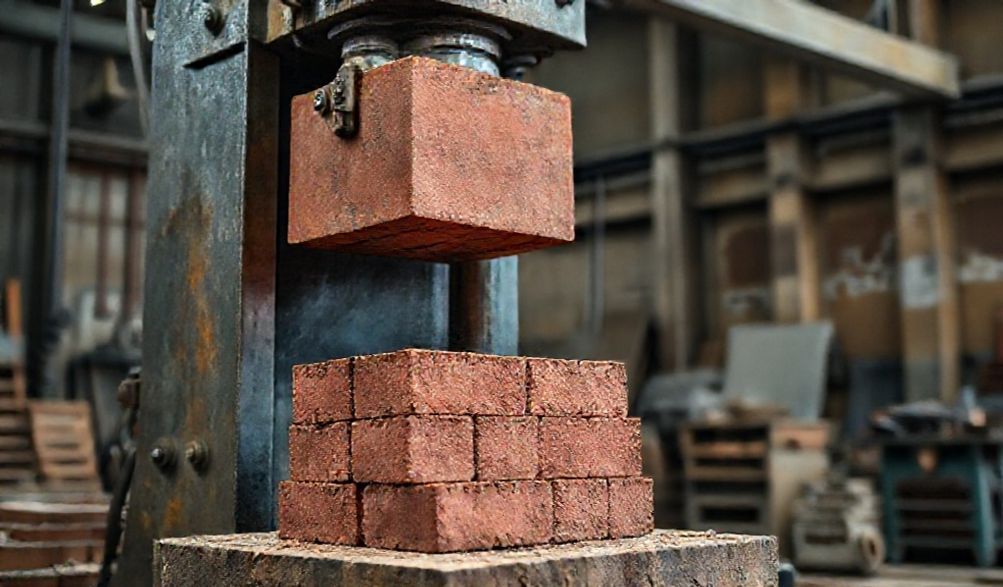
Inzira yo Kwiga neza Ibikoresho by'ubukorikori bw'Amatafari: Ubwoko, Igiciro n'Uburyo Bwo Gutoranya
Intangamarara
Abakora amatafari mu bihe byashize, bakundaga gukora umurimo ukomeye cyane, bakoresha ibyumba byumye n’izuba, kandi ibyo bakoraga ntibyahoraga bihora ari kimwe. Uyu munsi, imiterere y’ubwubatsi n’ubukorikori byahindutse cyane. Ingingo shingiro y’ubwubatsi bw’iki gihe, bwa ngirakamaro kandi bukaba inyungu, ntabwo gishize gushingira ku buhanga bwo gukora n’amaboko gusa, ahubwo bishingira ku gucukumbura no ku butware bwa mudasobwa.mashini yo gukora amatafari.
Uyu muhinduko uvuye mu bukorerabushake ujya mu bukoresha imashini n’imikorere ya siyansi ntabwo ari ukworohera gusa—ni ingaruka nshya mu buryo dukora ibintu by’ingenzi mu buzima bwacu. Ariko, gushaka no guhitamo imashini zikwiriye mu isoko bishobora kuba bishya. Kuva ku mashini zoroheje zikoreshwa n’abantu kugeza ku nzira z’imikorere itararangira, ni gute wakora amahitamo y’imikorere y’imashini?
Iyi gahunda yuzuye yateguwe kugirango isesagure ibintu bidasobanutse. Tuzakoresha ubuhanga bw’imyaka irenga mu rwego rw’ibikorwa remezo kugirango dusobanure neza ibikoresho by’ingirakamaro, tuguhe ubumenyi bw’ikirenga n’ingamba z’ingirakamaro ku bikorwa byabyo, inyungu zabyo, n’ibisabwa by’ingenzi mu guhitamo. Niba uri umukontarakare ushaka kugabanya ibiciro by’ibikoresho binyuze mu gukora ku mwanya, umubyeyi w’ubucuruzi utangiza ubucuruzi bwo gukora amatafari, cyangwa umushinga ushaka ibikoresho birambye kandi bidasaza, icyo cyifashisho cy’ubuhanga kizaguha ubumenyi bwo gufata umwanzuro wizewe kandi utanze.
Reka dushyigikire ishingiro ry’ubumenyi rishingiye.
Ni iki cyuma cy'ubwubatsi? Imikorere N'iterambere
Mu ngingo yayo nyamukuru, mashini ikora amatafari ihindura kandi ikongerera imbaraga uburyo bwa kera bwo gukora amatafari, binyuze mu guhindura ubutaka butagiraho ibindi bintu cyangwa ibyatsi bikozwe muri bloc zifite ubunini busa kandi zikomeye. Ni injini ikora amatafari mu bihe by'ubu, ihindura ibintu bitari byarashizwe hamwe ibibe ibicuruzwa byiza kandi bishobora kugurishwa.
Kuva mu Gukora n'Intoki Kugeza mu Gukora mu buryo bwikora
Urugendo rwo gukora amatafari ni inkuru y'iterambere ry'ikoranabuhanga.
* Igihe cya Kera:Yari ikoresha gusa uburyo bwo gukora amafuremu y’ibiti mu maboko, kandi umukozi wese yabaga akora amatafiye magana make gusa buri munsi.
* Guhindura Ubukungu:Byakoresheje imashini z’amashanyarazi zifite ingufu ya vapeur, zongereye umusaruro cyane kandi zikaba zihuje neza.
* Ikiye: Saw the advent of hydraulic and mechanical vibratory presses, enabling higher compaction and new materials like concrete.
* 21st Century: Today, we have computer-controlled, fully automatic brick making machines that integrate mixing, molding, curing, and palletizing with minimal human intervention, producing tens of thousands of bricks daily.
This evolution reflects a constant pursuit: greater efficiency, superior quality, and reduced physical strain.
The Core Principle
While machine types vary, the core mechanical principle is consistent. It’s a four-stage process:
1. Gukomatanya: Raw materials (e.g., soil, cement, fly ash, sand, water) are blended into a homogeneous, pliable mixture.
2. Gukora no Gutunganya: This mix is fed into a mold cavity. A combination of high guhagarika (in hydraulic presses) and/or Gukingiriza compacts the material, forcing out air pockets and creating a dense, strong brick “green” (uncured) block.
3. Guhagarika The freshly formed brick is mechanically ejected from the mold onto a pallet or conveyor.
4. Curing/Drying: The green bricks are stacked and cured, often through steam curing for chemical hardening (fly ash/cement bricks) or air/sun drying for clay bricks.
Key Outputs
These machines are versatile, producing various brick types for specific applications:
* Amatafari Y'imigano: The classic, dense block for general wall construction.
* Amatafari Y'umwobo: Feature cavities, making them lighter, improving thermal insulation, and reducing material use.
* Paving Bricks (Pavers): Extremely dense and durable for driveways, walkways, and patios.
* Amatafari Yumubumbe: Designed with grooves and tongues that lock together, enabling dry-stacking (minimal mortar) for retaining walls and structures.
Types of Bricks Manufacturing Machines: A Detailed Breakdown
Choosing the right machine starts with understanding the categories. Here’s a breakdown by operation, process, and power.
By Operation Method
This classification is crucial for determining your required labor input and output scale.
-
Imashini z’ubukorikori bwa Burengerazuba z’ubwubatsi.
- Ibisobanuro: Human-powered lever or screw systems that compress material in a single mold. The operator handles all material loading, compaction, and brick removal.
- Byiza Kuri: Very small-scale projects, DIY enthusiasts, NGOs in low-infrastructure areas, or as a starter unit for market testing.
- Ibyago: Very low output (100-500 bricks/day), labor-intensive, product consistency relies heavily on operator skill.
-
Imashini zikora amatafari zigikoresho cya mashanyarazi:
- Ibisobanuro: The “sweet spot” for most small-to-medium businesses. The machine (often hydraulic) handles the high-pressure compaction and ejection automatically. Operators manually feed the raw mix and remove finished bricks.
- Byiza Kuri: Growing businesses, on-site construction projects, and entrepreneurs with moderate capital. They offer an excellent balance between cost, output (1,000-5,000 bricks/day), and control.
- Workflow: Load mix > Machine auto-compacts and ejects > Operator removes brick and resets cycle.
-
Imashini Zikora Amatafari ku buryo Bwikora:
- Ibisobanuro: Industrial-grade production lines. These systems feature automated material feeding, mixing, molding, compaction, brick transfer, stacking, and sometimes palletizing. They often include integrated curing systems.
- Byiza Kuri: Large-scale commercial brick plants, industrial construction projects, and manufacturers supplying regional markets.
- Ibisohoka: Can produce 10,000 to 50,000+ bricks per day with a crew of just 2-4 people.
By Production Process
The core technology defines the brick type and quality.
-
Static Brick Press Machines (Hydraulic/Fly Ash):
- Uko bikora: A hydraulic ram applies immense, controlled pressure (often 1500+ PSI) to the material in a stationary mold. This creates extremely dense, high-strength bricks, ideal for fly ash, concrete, and soil-cement blocks.
- Key Point: The sustained hydraulic pressure is superior for achieving high compressive strength, a critical metric for load-bearing structures.
-
Imashini zo Gutunganya Amatafari z'Igikoresho cyo mu Gihugu:
- Inkungu: Mounted on a trailer or wheels, these machines can be towed directly to a construction site. They eliminate the massive cost and logistics of transporting thousands of bricks, instead transporting raw materials and making bricks mu gace.
- Byiza Cyane Kuri: Large remote projects, housing developments, and infrastructure projects where transport costs exceed machine rental or purchase costs.
-
Extrusion-Based Machines:
- Uburyo Primarily for clay bricks. A continuous column (or “slug”) of wet clay is forced through a die to form a long, shaped column, which is then cut into individual bricks by wires.
- Ibisohoka: Excellent for producing perforated or specially shaped clay bricks. The bricks then require drying and firing in a kiln.
By Power Source
Your site conditions dictate the best choice here.
- Electric Brick Machines: Offer the most consistent operation, are quieter, produce no exhaust, and have lower per-hour running costs. Require a stable, high-capacity grid connection.
- Diesel/Petrol Engine Machines: Provide complete independence from the electrical grid. Essential for remote sites or areas with unreliable power. Higher fuel costs and maintenance are trade-offs.
- Imoderi Zishyize hamwe: Offer the flexibility to run on either electric power or a diesel engine, providing a valuable backup and site versatility.
Critical Factors to Consider Before Buying
This is where due diligence separates a wise investment from an expensive mistake. Look beyond the sales brochure.
Gusuzuma Ibisabwa bya Serivisi zawe
Ask yourself these questions first:
* Daily/Annual Output: How many bricks do I need to produce to meet demand? Be realistic about growth.
* Brick Type: Will I produce solid, hollow, or paving bricks? Your product line dictates the required mold and pressure.
* Ibikoresho by'ibanze What is locally and affordably available? (e.g., Clay, Fly Ash, Quarry Dust, Cement). The machine must be suited to your material.
Machine Specifications Deep Dive
- Cycle Time & Bricks Per Hour: A “2,000 brick per hour” rating is often a theoretical maximum under perfect conditions. Ask about the realistic, sustained output with material loading and handling factored in.
- Pressure Capacity: For hydraulic presses, this is measured in tons or PSI. Higher pressure generally yields denser, stronger bricks (higher compressive strength). For structural bricks, 1500+ PSI is often a minimum.
- Mold Customization: Can the supplier provide different mold sizes and designs? Your ability to offer various brick types (solid, hollow, different thicknesses) depends on this.
The Total Cost of Ownership (Beyond the Sticker Price)
The purchase price is just the entry ticket.
* Initial Investment vs. Long-Term Value: A cheaper, lightly built machine may cost more in repairs and downtime than a robust, slightly more expensive model.
* Ibiciro by'ingendo Calculate estimated costs for electricity/fuel, labor (semi-auto vs. fully auto), routine maintenance parts (filters, hydraulic oil), and wear items (mold liners, ram seals).
* Space & Infrastructure: Do you have a leveled, reinforced concrete foundation? Is your workshop tall enough? Does your electrical supply match the machine’s requirements (voltage, phase, amperage)? These setup costs can be significant.
The Tangible Benefits: Why Invest in a Modern Brick Machine?
The advantages extend far beyond simply making bricks faster.
Unmatched Efficiency & Profitability
- A single semi-automatic machine can replace 15-20 skilled manual laborers.
- Dramatic reduction in production time per brick, allowing you to fulfill large orders and scale your business.
- On-site production for construction projects can cut material costs by 30-50% by eliminating middlemen and transport.
Ubwiza bw'ibikoresho by'ibumba Bwiza kandi Bwihuse
- Machines eliminate human variance. Every brick has identical dimensions, ensuring straight walls and reducing mortar use.
- Controlled, high compaction guarantees uniform high compressive strength, allowing you to confidently meet ASTM, IS, or BS construction standards.
- Consistent quality builds your brand reputation and allows you to command premium prices.
Sustainability & Eco-Friendly Advantages
- Machines that use ivu ry'umuriro (a thermal power plant by-product) or recycled construction waste help solve an industrial waste problem.
- The production of fly ash or cement-stabilized bricks typically requires no fossil-fuel firing, resulting in a significantly lower carbon footprint than traditional fired clay bricks.
- Efficient material use minimizes waste on-site.
Business Scalability and Flexibility
- Start with a semi-automatic model and add automation (auto-feeder, stacker) later.
- The ability to quickly change molds lets you pivot production based on market demand—switching from hollow blocks to pavers, for example.
Operational Best Practices & Maintenance
A machine is only as good as its operation. Protect your investment with disciplined care.
Daily Operation Checklist
- Inspect the machine for loose bolts, hydraulic leaks, or damage before start-up.
- Check and maintain proper oil levels in the hydraulic tank.
- Ensure the raw material mix is consistent in moisture content and proportion.
- Clean the mold faces and pallets regularly to prevent material buildup.
Routine Maintenance Schedule
- Buri munsi: General cleaning, visual inspection.
- Buri cyumweru: Lubrication of all moving parts (pivots, guide rods), check and tighten all bolts and nuts.
- Monthly: Change hydraulic oil filters (as per manual), inspect hydraulic hoses for wear, check electrical connections.
- Annually: A comprehensive service by a qualified technician, including system pressure checks and component overhaul.
Troubleshooting Common Issues
| Problem | Likely Cause | Solution |
| :— | :— | :— |
| Poor Compaction/Weak Bricks | Incorrect moisture content, insufficient pressure, worn mold. | Adjust water ratio, check hydraulic pressure/valves, inspect mold liners. |
| Bricks Sticking in Mold | Mold faces dirty/dry, mix too wet, insufficient release agent. | Clean mold thoroughly, adjust mix consistency, apply recommended release agent. |
| Hydraulic Oil Leak | Damaged seal, loose fitting, cracked hose. | Identify source, tighten fittings, replace seals or hoses immediately. |
| Machine Vibrates Excessively | Loose foundation bolts, unbalanced load, worn shock mounts. | Tighten all anchor bolts, ensure machine is level, check mounting hardware. |
Sourcing Raw Materials & Mix Ratios
- Quality is Key: Use clean, well-graded sand and fly ash with consistent properties. Impurities affect brick strength and machine wear.
- Mix Ratios are Critical: A standard fly ash brick mix might be Fly Ash (60%), Sand/Stone Dust (30%), Cement (10%) with water. However, optimal ratios depend on your specific materials and desired strength. Always conduct lab tests with your local materials to finalize the design mix.
Frequently Asked Questions (FAQ)
Q: What is the average price range for a bricks manufacturing machine?
A: Prices vary dramatically based on type and capacity. A small manual press can start around $2,000 – $5,000. A quality semi-automatic hydraulic machine typically ranges from $15,000 – $50,000. Fully automatic production lines begin around $70,000 and can exceed $250,000. Always get detailed quotes based on your specific production requirements.
Q: Can I start a brick-making business with a small machine?
A: Absolutely. Many successful businesses begin with a single semi-automatic machine. The key is to start with a solid business plan: validate local demand, secure a reliable raw material source, and understand your costs. Starting small allows you to perfect your process and build a customer base before investing in larger, automated equipment.
Q: What is the difference between clay bricks and fly ash bricks made by these machines?
A: The core difference is material and curing.
* Amatafari y'ibumba: Use natural soil, are often extruded, and require high-temperature kiln firing (high energy use).
* Amatafari y’ubucucu bw’amakara: Use industrial by-product fly ash, cement, and sand. They are compacted under high pressure and gain strength through steam curing (24-48 hours) or water curing. Fly ash bricks are generally stronger, lighter, more uniform, and have a lower environmental impact.
Q: How do I ensure the bricks meet local construction standards?
A: Follow this three-step process:
1. Choose a Reputable Manufacturer: Select a machine builder whose equipment is engineered to produce bricks meeting standard dimensions and pressure requirements.
2. Perfect Your Mix: Use quality materials in the correct, tested proportions.
3. Get Lab Certified: Before selling, have samples of your bricks tested at a certified civil engineering laboratory for compressive strength, water absorption, and dimensional tolerance. This report is your quality certificate.
Q: What is the typical payback period on the investment?
A: The payback period can range from 1 to 3 years for a well-run operation. It depends on:
* Machine cost and financing.
* Local selling price of bricks.
* Your operational efficiency and daily output.
* Overhead and labor costs.
* Example: A $25,000 machine producing 2,000 profit-generating bricks per day will pay back much faster than one operating at half capacity.
Ibyo byose
Guhitamo ibyemewemashini yo gukora amatafari is a foundational decision that impacts your productivity, product quality, and long-term profitability. It’s not merely a purchase of equipment; it’s a strategic investment in the future of your construction capabilities or manufacturing business.
By thoroughly understanding the different machine types, honestly assessing your needs against the critical factors we’ve outlined, and committing to proper operation and maintenance, you position yourself not just to make bricks, but to build a resilient and successful enterprise.
Your Next Step: Use this guide as your benchmark. Begin by clearly defining your production goals, brick type, and budget. Then, seek out and consult with established, reputable manufacturers or suppliers. Request detailed specifications, ask for client references, and, if possible, visit a working installation to see the machine in action. With due diligence and the knowledge you now possess, you’re ready to select a machine that will reliably build your vision, brick by precise brick.
<