
Inshinga yo Guhitamo Imashini z’Amatafari: Ubwoko, Imikoreshereze n’Uburyo Bwo Guhitamo
Amatafari ni ingingo z'ibanze mu kubaka umuryango w'Abanyarwanda. Kuva mu mazu y'ikera kugeza mu ngoro z'ubu zirangurura, ubukana bwayo buhoraho buba ingingo y'ingenzi mu isi yacu. Ariko inyuma y'itafari rimwe rirangurura rihamye, harimo ikintu gikomeye cy'ikoranabuhanga: umashini w'itafari. Ibisabwa by'ubwubatsi bwa kino gihe byihuse, bikomeye, kandi bishyize hamwe, byatumye uyu mashini aba akenewe. Iyi ntangamarara yuzuye yateguwe kuba inkomoko yawe y'ubumenyi, niba uri umuyobozi w'ubwubatsi, umwubatsi w'ubucuruzi, cyangwa injeniyeri. Tuzasobanura neza ibyo bitandukanye by'umashini w'itafari, uko ukoreshwa, n'ingingo z'ingenzi mu guhitamo uwo ukwiye. Bya nyuma, uzagira urwego rusobanutse mu gufata icyemezo kigaragaza impamvu kiberanye n'intego zawe zo gukora, iby'ingenzi, na budget.
Ni iki cyuma cy'ubukoresha bwa briki? Umurimo w'ingenzi n'iterambere ryacyo
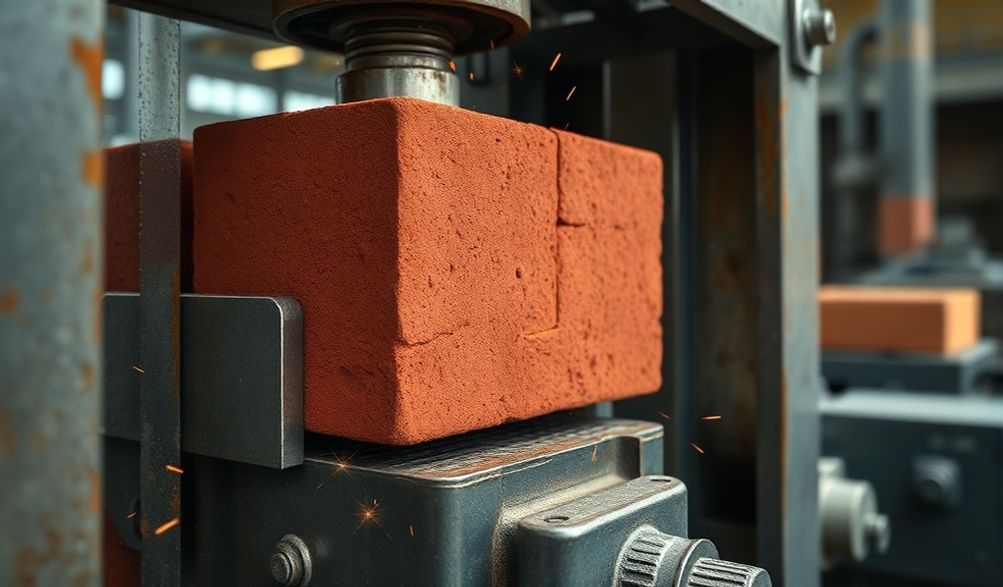
Mu ngingo yayo nyamukuru, mashini yo gukanya amatafari ni igikoresho gikoresha ingufu nyinshi mu guhanahanya ibishushanyo mubisi cyangwa ibyatsi bisanzwe mu gikombe cy’amatafari y’umwimerere, ikaba ishushanyije neza. Ni ingenzi mu gukora amatafari mu gihe cyacu, ihindura ibikoresho bidasobanutse nka ibumba, ivu ry’umuriro, sima, cyangwa ubutaka bwasimburanye mu bice by’ubaka byumvikanye kandi bishobora gukomeza.
Inshingiro y’ingenzi: Kuva mu gukandamiza n’amaboko ujya mu gukandamiza n’imashini
Uburyo bw'ibanze ni ukubumba. Ibikoresho by'ingenzi bijyana mu ikibumbe (cyangwa ikibumbe), kandi ingufu y'ingufu nyinshi ikoreshwa, cyangwa binyuze mu mbaraga z'umashini, umutwe udengenyeka, cyangwa ingufu y'amazi. Iyi ngufu ikuraho ibice by'umwuka, yongera ubufatanye bw'inyubako, kandi ibumba umubumbe ukomeye utanga ishusho yabyo igihe byasohotse.
- Uko Byagenze mu Mateka:Ibi byari bikoreshwa mu buhinzi mu gihe kirekire, bishobora gukoresha ibikoresho by’ibiti n’imbaraga z’abantu, bigatuma ibisohoka bitandukanye kandi bigabanuka.
- Evolusiyo ya Kigezweho:Ibyuma byo muri iki gihe ni ibitangaje mu buhinzi bw’imashini n’imikorere y’amazi. Bikoresha ingufu zikururwa mu matoni cyangwa mu megaPascals (MPa), zikaba zikururwa mu buryo bwikorewe kandi bigarukira, bigatuma amatafari yose ahura n’ibisabwa by’ubunini n’ingufu. Ihinduka ryo gukata mu nkoni rukaza mu gukoresha imashini ni ryo rwatumye habaho ubunini n’uburinganire bwisabwa mu bikorwa by’imijyi by’iki gihe.
Kuki Icyanya Kigira Umwanya Ukomeye: Inyungu z'Ubwiza bw'Amatafari
Gukoresha ingufu zihambaye kandi zikurikijwe ntacyo zihindura gusa; ni uguhanga ikintu cyiza kurusha ibindi. Inyungu zabyo zishingiye ku gushyigikira imiterere yacyo:
- Ubwinshi n'Ubukana Bwinshi:Guhinduranya neza byihuse biba impamvu y’ubushobozi bukomeye bwo guhangana n’imbaraga zikomeye, ibipimo by’ingenzi bishyirwa mu MPa. Ibi bivuze ko kuri rero udusego dushyigikira umutwaro dushobora gukomeza kumikorere y’umutwaro ukomeye.
- Ubuziranenge Bwongewe: Dense bricks have lower water absorption, making them more resistant to frost damage, weathering, and efflorescence.
- Dimensional Uniformity: Precision molds and consistent pressure produce bricks with tight tolerances. This leads to straighter walls, thinner mortar joints, and faster, more efficient bricklaying.
- Improved Surface Finish: Pressed bricks often have smoother faces and sharper edges, which is ideal for facing bricks or pavers where aesthetics matter.
- Reduced Curing Time: For cement-based bricks (like concrete or fly ash), high initial compaction can reduce the time needed for final strength development during curing.
Types of Brick Press Machines: Finding the Right Fit
Choosing the correct type of press is your most critical decision. The right machine aligns with your raw material, desired product, and production volume.
Hydraulic Press Machines: Power and Precision
Hydraulic brick presses use fluid power to generate immense, smoothly applied force. A hydraulic pump drives a ram that compacts the material in the mold. The pressure is easily adjustable and can be held for a set duration (dwell time), allowing for optimal compression.
- Biteye Bikora: Hydraulic oil is pressurized by a pump and directed to a cylinder. This cylinder extends a ram that applies direct, linear force to the material in the mold cavity.
- Uruhushya Rusange: Unmatched, controllable pressure. This makes them exceptionally versatile for a wide range of material densities and brick strengths.
- LSI Applications: Ideal for producing high-strength fly ash bricks, precision concrete pavers, complex Amatafari y'ibumba yumvikanye, and solid clay bricks.
- Byiza Kuri: High-volume production plants, manufacturers requiring a diverse product range, and applications where ultimate brick strength is non-negotiable.
Mechanical (Vibration) Press Machines: Speed and Efficiency
Often called block-making machines, these units combine high-frequency vibration with a compaction force. The vibration fluidizes the concrete mix, allowing it to flow evenly into all corners of the mold before a descending head applies final compaction pressure.
- Biteye Bikora: An eccentric weight creates vibrations transmitted to the mold table. Simultaneously, a mechanical or hydraulic press head descends to compact the material.
- Uruhushya Rusange: High production speed and excellent consistency for fluid concrete mixes.
- LSI Applications: Primarily used for producing ibirahuri, ibibyimba by’umwimerere, and lightweight CLC (Cellular Lightweight Concrete) blocks.
- Byiza Kuri: Large-scale production of standard concrete blocks and pavers, where output speed is a primary driver.
Manual & Semi-Automatic Presses: For Startups and Special Projects
These are the entry point into brick pressing, requiring more operator involvement but with a significantly lower capital investment.
- Imyandikire y’Imashini zo Gukandagira zikoreshwa n’Abantu Simple, human-powered machines. The operator fills a mold and uses a lever to apply pressure. Output is low but perfect for small-scale brick making, DIY projects, or community-led low-cost housing initiatives.
- Small Hydraulic Presses: Often semi-automatic, where the operator places the mold and initiates a hydraulic cycle. They offer a good balance between improved quality/output over manual presses and manageable cost.
- Role: Essential for prototyping, artisanal production, small batches of specialty bricks, or markets with very low labor costs.
Automatic vs. Semi-Automatic Brick Production Lines
This distinction refers to the level of automation in the entire production process, not just the pressing action.
- Imirongo Ibyitwa Semi-Otomatike: The core pressing cycle is automated, but tasks like raw material feeding, mold changing, or brick stacking may require operator intervention. They offer a middle ground in terms of cost, output, and flexibility.
- Imirongo yikora byimazeyo: Integrated systems where everything—from raw material conveying and mixing, to pressing, curing, stacking, and palletizing—is automated via PLC controls. They maximize output (bricks per hour) and minimize labor but require a major capital investment.
- The Trade-off: It’s a calculation of capital expenditure versus long-term operational (labor) costs and target output volume.
Critical Factors for Choosing a Brick Press Machine
Beyond the machine type, drill down into these specific criteria to find your perfect match.
Production Capacity & Output Targets
Your business plan should dictate the machine’s speed.
* Calculate BPMH: Determine your required Bricks Per Machine Hour. Consider your shift patterns and market demand.
* Menya Igipimo cy'Igikorwa: This is the total time for one complete pressing cycle (fill, press, eject). A machine with a 15-second cycle time is fundamentally different from one with a 45-second cycle time.
* Match to Goals: A startup might prioritize a lower-cost, slower semi-automatic press, while a supplier for a large development needs a high-speed automatic line.
Uburyo bwo Gukoresha Ibikoresho by'ingenzi
Not all presses work with all materials. This is a non-negotiable specification.
* Clay Brick Making: Requires a press capable of handling semi-dry or stiff-mud clay with significant abrasive wear resistance.
* Cement Brick Machine: Designed for no-slump concrete mixes, often paired with vibration.
* Fly Ash Brick Press: Must handle the specific mix of fly ash, sand, and lime/cement, often requiring high static pressure from a hydraulic system.
* Gutunganya Ubutaka For compressed earth blocks (CEBs), the press must compact soil mixed with a small stabilizer (like cement or lime).
Brick Type, Size, and Shape Specifications
Your product catalog is defined by your machine’s mold capabilities.
* Ubushobozi bwo Gukora Imiterere Ibyahinduka: Can the machine easily switch between molds for different products (e.g., from solid bricks to pavers)?
* Guhindura Will the manufacturer create custom molds for unique, proprietary shapes or sizes?
* Standard Offerings: Ensure the machine can produce the standard sizes relevant to your market (e.g., modular, queen, or engineer-sized bricks).
Power Source and Operational Costs
Consider your facility’s infrastructure and long-term running expenses.
* Electric vs. Diesel: Electric motors are cleaner and quieter for indoor factories with stable grid power. Diesel engines provide mobility and are crucial for off-grid or remote site production.
* Gukoresha ingufu: Analyze the kW or horsepower rating. A more efficient machine has a lower cost-per-brick over its lifetime.
* Total ROI: Factor in not just the purchase price, but estimated energy, maintenance, and labor costs over 5-10 years.
Space Requirements and After-Sales Support
- Imiterere y’uruganda Account for the machine’s footprint, plus space for raw material storage, mixing, brick stacking, curing, and movement.
- The Trustworthiness Factor: Your relationship with the supplier is critical. Investigate:
- Supplier Reputation: How long have they been in business? Can they provide references?
- Warranty: What is covered and for how long?
- Ibigabanyabugenamashini: Is there a local depot or guaranteed supply chain for critical wear parts like hydraulic seals, molds, and vibration motors?
- Ubufasha bwa tekiniki Do they offer installation, training, and troubleshooting support?
Operational Best Practices and Maintenance
A machine is only as good as its operation and upkeep.
Safe Operation Procedures for Brick Presses
Safety must be the absolute priority.
* Ibyigisho ku Bakozi: No one should operate the machine without thorough training on its controls and hazards.
* Guhagarika no Gutaga (LOTO): Strict procedures must be in place for any maintenance or clearing of jams to prevent accidental activation.
* Ibikoresho byo kwirinda (PPE): Safety glasses, hearing protection (for vibration presses), and steel-toed boots are mandatory.
* Guarding: Ensure all moving parts, especially pinch points and the compression area, are properly guarded.
Routine Maintenance Checklist
Preventive maintenance prevents costly downtime.
* Buri munsi: Check hydraulic oil levels, inspect for leaks, clean the mold and press head, ensure safety devices are functional.
* Buri cyumweru: Lubricate all moving parts per the manual, check belt tensions, inspect electrical connections.
* Monthly: Change hydraulic filters, check and tighten all bolts and fittings, perform a detailed inspection of the mold for wear or damage.
* Annually: Consider a full system check by a qualified technician, including hydraulic fluid analysis.
Troubleshooting Common Issues
- Low Brick Density/Strength: Often caused by insufficient pressure, incorrect raw material mix (too dry or poor grading), or a worn mold allowing material escape.
- Bricks Sticking in Mold: Can be due to a worn or damaged mold, insufficient release agent (if used), or overly wet material.
- Hydraulic Leaks: Inspect seals, hoses, and fittings. Address immediately to prevent system contamination and pressure loss.
- Uneven Compression: This may indicate an unlevel machine, a worn or misaligned press head, or uneven material feeding into the mold.
Bibazo Byinshi Byibazwa (FAQ)
Q1: What is the average cost of a brick press machine?
A: Costs vary dramatically. A small manual press can be a few thousand dollars. A robust semi-automatic hydraulic press may range from $15,000 to $50,000. High-capacity, fully automatic production lines can cost from $100,000 to over $500,000. Key cost factors are the type (hydraulic/mechanical), level of automation, production capacity, and the manufacturer’s brand and location.
Q2: Can one machine produce different types of bricks?
A: Yes, in most cases. This is achieved by changing the mold or die. The critical factor is the machine’s mold-changing system—how quick and easy it is. When evaluating a press, inquire about mold compatibility, changeover time, and the cost of additional molds.
Q3: What is the difference between a brick press and a brick extruder?
A: They use different forming principles. An extruder forces a plastic, wet clay mix through a shaped die to create a continuous column, which is then cut into bricks. A press compacts a drier mix into a discrete mold in a single, high-pressure stroke. Presses generally offer higher dimensional accuracy for products like pavers and are better suited for non-plastic materials like fly ash or concrete.
Q4: How important is the brick curing process after pressing?
A: It is absolutely critical. The press gives the brick its shape and initial green strength, but final structural strength is developed during curing. For cement-based bricks, this typically involves controlled moisture and temperature (often steam curing) for a set period. Proper curing is as vital as proper pressing for achieving the advertised MPa strength.
Q5: What are the key certifications or standards to look for in a machine?
A: Look for international certifications that indicate adherence to safety and quality manufacturing standards. Common ones include:
* Ikimenyetso cya CE:Ishimangira guhuza n’amategeko y’ubuzima, umutekano n’ikirunga ry’ibidukikje kuri ibicuruzwa bigurishwa mu karere k’ubukungu bw’Uburayi.
* Ubuhushya bwa ISO: (e.g., ISO 9001 for quality management systems) shows the manufacturer follows standardized production processes.
* Local/National Standards: Depending on your country, there may be specific industrial equipment standards. Always request the machine’s compliance documentation.
Ibyo byose
Guhitamo ibyemewepress machine for brick production is a strategic investment that impacts your product quality, operational efficiency, and business profitability. The journey begins with a clear understanding of your raw materials, desired brick specifications, and production targets. From the immense, controllable force of a hydraulic press to the rapid efficiency of a vibration machine, the correct choice hinges on aligning technology with purpose.
As a final piece of expert guidance, we urge you to go beyond brochures. Conduct thorough due diligence: request to test your specific raw material mix on a supplier’s machine, ask for detailed performance data, and if possible, visit an existing plant to see the equipment in operation. The future of brick pressing points towards greater automation, energy efficiency, and versatility in using sustainable, recycled materials.
Ready to take the next step? Consult with reputable manufacturers, request detailed specification sheets tailored to your project, and leverage expert advice to make a confident investment in your brick-making future.
<