
Ingamba y'ingenzi yo Gukora Amabuye y'Umutekano: Ubwoko, Uburyo bwo Gukora & Uburyo bwo Gutoranya
Mu bihe byinshi byashize, ibara ry'umuhondo rishyuha ry'itofari y'umukara ryabaye ingingo shingiro mu kubaka, rishingikiriza ku gikomeye, umuco, n'icyifuzo kidapfa. Kuva mu mabuye ya kera kugeza mu mazu ya gisasa, urusaku rwayo rwubatswe mu gihugu cyacu. Uyu munsi, urwo rusaku rudaharanira inyungu rutagifashishijwe n'ibumba n'umuriro gusa, ahubwo n'ubuhanga bukomeye. Umashini w'ikoranabuhanga w'ubu wubaka itofari y'umukara wakira ubu buhanga bwa kera hamwe n'ingirakamaro ry'ubucuruzi, bushobozza gukora ibikorwa byinshi bihuje, bigamije ibisabwa by'ubwubatsi bwa gisasa. Niba uri umubyeyi w'ubucuruzi ushaka gushakisha ubucuruzi bw'inyungu, umuyobozi w'ubwubatsi ushaka korohereza gutanga ibikoresho ku rwego rwo kubaka, cyangwa umubatsi ushaka kumenya uburyo bwo gukora, gusobanukirwa ibikoresho bya gisasa ni ngombwa.
Iyi gihide ni umutwarasire uzira inzitizi kandi udakumira. Tuzajya turutisha ibikaratasi by’ubucuruzi, tugaragaza ubumenyi bw’ikoranabuhanga ndetse n’imikorere myiza mu rwego. Intego yacu ni ugutanga ubumenyi bukwiye kugirango ushobore gufata umwanzuro uzuye, dusubiza ibibazo by’ingenzi by’abashaka kumenya: Ni ayahe moko y’imashini zihari? Zikora gute? Zigurwa angahe? Kandi cyane cyane, nigute nshobora guhitamo iyo ikwiye mu byo nkeneye?
Gusobanukirwa Imashini Zubaka Amatafari Y’umukara: Ingingo Shingiro
Mbere yo kwinjira mu bisobanuro ndetse n’abatanzi, ni ngombwa kumenya ingingo shingiro z’ubuyobozi bw’umashini hamwe n’iby’ingenzi byayo by’ibanze.
Ni iki cyuma cyubaka amatafari y'umukara?
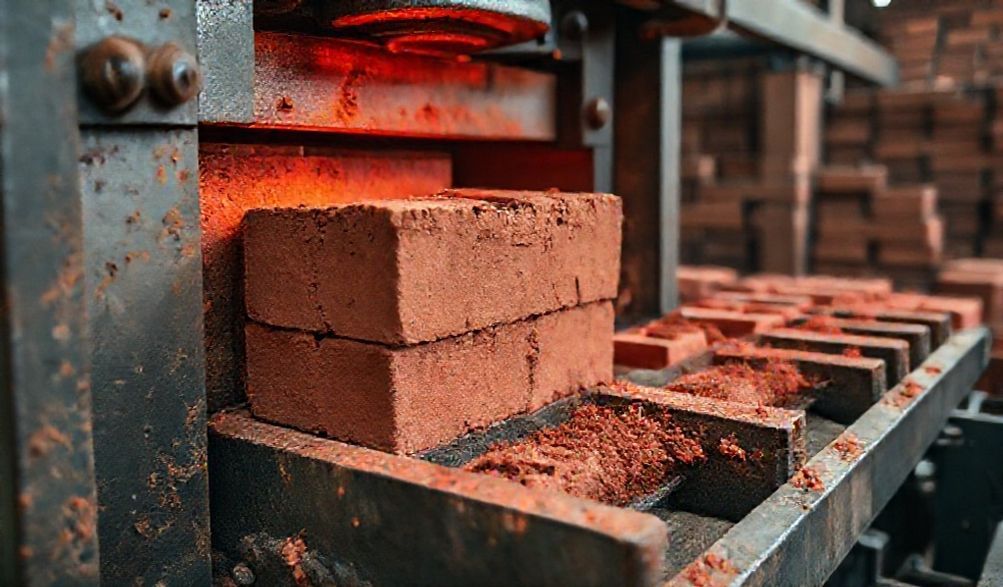
Mu mizinga yacyo, umashini wo gukora amatafari y'ibumba ni sisitemu ikoresha imashini yateguwe kugirango ikore amatafari y'ibumba mu buryo bwikora, ikayagira kugira ngo ibe amatafari y'igipimo cyuzuye kandi ifite imbaraga. Ishindura ibumba ribisi, rishobora guhindurwa mu mubare, ibe ifishi y'igipimo cyuzuye binyuze mu guhuza umusemburo, umuvuduko, cyangwa guhanitiranya.
- The Manual Contrast: Historically, brick-making was labor-intensive, relying on hand-molding in wooden frames and sun-drying. The modern machine revolutionizes this by delivering:
- Ubushobozi Budasanzwe: Producing hundreds or thousands of bricks per hour versus dozens per day.
- Ubwumvikane Bwiza Ensuring every brick has identical dimensions, density, and structural integrity, which is critical for modern construction standards.
- Scalable Production: Allowing output to be easily matched to project or market demand.
The Essential Raw Material: Clay for Red Bricks
The machine is only as good as the material you feed it. The classic red color and strength of the brick come from the clay itself.
- Ideal Clay Properties: Suitable clay must have a specific blend of plasticity (for molding) and mineral content. Key components include silica (for structure), alumina (for cohesion), and iron oxide (which gives the red color upon firing). A small amount of lime, magnesia, and alkalis are also typically present.
- Preparation is Key: Raw clay is rarely perfect straight from the ground. In practice, it often requires:
- Weathering: Exposing dug clay to the elements over winter to break down lumps and improve plasticity.
- Blending: Mixing clays from different pits or adding sand to achieve the perfect workable consistency and prevent cracking.
- Testing: Simple field tests (like the “ball and thread” test) or lab analysis can determine suitability before large-scale investment.
Types of Red Brick Making Machines
The market offers a spectrum of automation to suit different scales of operation and investment levels. Understanding these categories is your first major decision point.
Imashini z'ubukoreshazi z'ubukora amatafari
These are the simplest and most affordable entry point into mechanized brick production.
- Ibyakozwe: They require significant human labor. Workers manually feed the clay mixture into a mold, and then use a lever-operated mechanism to apply pressure before ejecting the green (unfired) brick.
- Output & Use Case: Capacity is typically between 500 to 1,500 bricks per 8-hour shift, heavily dependent on crew size and stamina. They are ideal for very small-scale projects, rural community initiatives, or entrepreneurs with extremely low starting capital.
- Inziza: Very low initial cost, simple to understand and repair, minimal power requirements.
- Ibibi: High labor intensity, low and inconsistent output, physical strain on workers, variable brick quality.
Imashini zituma amatafari zikora mu buryo bwa kabiri
This category strikes a balance, automating the most strenuous parts of the cycle while retaining some manual control.
- Ibyakozwe: These machines often feature a hydraulic or mechanical press that is activated by the operator. The feeding of raw material and removal of finished bricks may still be manual, but the critical compaction process is powered and consistent.
- Output & Use Case: With a typical output of 2,000 to 6,000 bricks per shift, they are the workhorse for small to medium-sized enterprises (SMEs) and dedicated brick yards supplying local construction.
- Inziza: Good balance of cost and output, improved consistency over manual machines, less physically demanding, more scalable.
- Ibibi: Still requires a steady labor crew, lower output than full automation.
Imashini z'ikora amatafari zikora mu buryo bwikora
These represent the pinnacle of production, designed for high-volume, minimum-intervention manufacturing.
- Ibyakozwe: The entire process—from feeding raw material, mixing, conveying, and high-pressure molding to automatic ejection and stacking—is controlled by a programmable logic controller (PLC). They often integrate with pallet feeders and brick stackers.
- Output & Use Case: Capable of producing 10,000 to 50,000+ bricks per 8-hour shift. They are essential for large-scale commercial brick plants, industrial construction projects, and markets with high, consistent demand.
- Inziza: Maximum output and efficiency, exceptional consistency and quality, massive labor savings, best return on investment at scale.
- Ibibi: Very high initial capital investment, requires skilled technicians for operation and maintenance, needs a reliable and powerful energy source.
- Ibyuma bigendana n'ibidakora: Most automatic plants are stationary. However, “mobile” plants, often used for fly ash brick production on-site at thermal power plants, are a specialized subset designed for relocation.
Ingingo Nyamukuru n'Uko Mashini Ikora
Understanding the machine’s inner workings builds your technical knowledge and helps you communicate effectively with suppliers and operators.
The Brick Production Cycle: A Step-by-Step Breakdown
- Material Feeding & Mixing: Prepared clay (and any additives like sand or fly ash) is loaded into a feed hopper. A conveyor or elevator system transfers it to a mixer, where water is added to achieve the exact moisture content required for optimal compaction.
- Molding/Compaction: This is the heart of the process. The mixed material is fed into a molding chamber. Here, a powerful hydraulic ram applies immense pressure (measured in tons), compressing the clay into a dense, solid block within a precision steel mold. The mold defines the brick’s size and shape (solid, perforated, hollow block, etc.).
- Ejection and Transfer: After compaction, the mold opens, and the “green brick” is gently pushed out onto a conveyor belt or pallet. In automatic systems, this transfer is seamless and prepares the brick for the next critical phase.
- Drying and Curing: This stage is critical for final strength and color. Green bricks are too fragile for immediate firing. They are first air-dried in shaded, ventilated yards for several days to remove most moisture. They are then loaded into a kiln (clamp kiln, tunnel kiln, or Hoffman kiln) and fired at temperatures between 900°C and 1200°C. The iron in the clay oxidizes, giving the brick its permanent red color and ceramic strength.
Vital Machine Components
- Hopper: The entry point for raw materials.
- Conveyor/Elevator: Transports material between stages.
- Mixer/Pugmill: Homogenizes clay and water.
- Ibiriro byo Gukora & Sisitemu ya Hydraulike: The core assembly where the brick is formed under high pressure.
- Press & Ram: Delivers the compaction force.
- Kontoro y'ibikorwa (PLC): The brain of automatic machines, controlling cycle times, pressure, and sequences.
- Imiterere/Imikoreshereze: Interchangeable components that define the brick’s final shape and size.
How to Choose the Right Machine: A Buyer’s Checklist
This is where your research culminates in a practical decision. Use this checklist, born from industry experience and operator feedback, to guide your selection.
Assess Your Production Requirements
- What is your target daily or monthly output (in bricks)?
- Will you produce a single brick type or need to switch between different sizes/shapes (e.g., solid bricks, hollow blocks)?
- Is your demand steady, or is it for a specific, time-bound project?
Evaluate Key Machine Specifications
- Pressure Capacity (Tonnage): Higher tonnage (e.g., 150 tons vs. 50 tons) generally produces denser, stronger bricks suitable for load-bearing walls.
- Igihe cyo gukora How many seconds does it take to produce one brick or one pallet of bricks? This directly dictates your maximum hourly output.
- Ibikenewe by'ingufu: Does it run on a standard electrical supply (3-phase), a diesel engine, or both? Ensure your site can provide the necessary power reliably.
- Umutekano wo Gukoresha Imashini Be honest about your available labor, technical skill, and capital. Don’t over-invest in automation you can’t utilize or under-invest in a machine that will bottleneck your growth.
Consider Quality and Durability Factors
- Build Material: The frame and critical components should be made from high-grade steel. Ask about the specific grade and thickness. A flimsy frame will not withstand constant high-pressure cycles.
- Brand Reputation: Research manufacturers. Established brands with a long history often offer better engineering and support.
- Availability of Spare Parts: This is crucial for minimizing downtime. Ask for a list of common wear parts (like seals, molds, hydraulic hoses) and confirm their availability and delivery time.
Budget and Cost Analysis
- Total Investment: Look beyond the sticker price. Factor in costs for installation, foundation, power connection, and initial spare parts.
- Ibiciro by'ingendo Include energy consumption, labor, maintenance, and raw material costs per brick.
- A Word of Caution: An unusually cheap machine is often a red flag. It may indicate inferior materials, poor craftsmanship, and a lack of after-sales support, leading to higher costs and downtime in the long run.
Supplier and After-Sales Service
This is perhaps the most critical iringa factor. A reliable supplier is a long-term partner.
* Reputation & Reviews: Seek out testimonials and, if possible, speak directly to other clients who have purchased the same model.
* Warranty: Understand what is covered and for how long.
* Ibiganiro: Will they provide comprehensive training for your operators and maintenance staff?
* Ubufasha bwa tekiniki Is there a dedicated support hotline? How quickly can they dispatch a technician if needed?
Benefits and Challenges of Machine-Made Red Bricks
A balanced perspective ensures you enter this venture with clear eyes.
Major Advantages
- Uniform Size & Shape: Enables faster, more precise bricklaying with less mortar waste.
- High & Consistent Strength: Controlled pressure and process yield bricks that reliably meet or exceed industry strength standards (e.g., IS 1077, ASTM C62).
- Mass Production Capability: Meets the demands of large-scale urban and infrastructure development.
- Lower Long-Term Cost per Brick: While initial investment is high, the cost per brick drops significantly at scale due to efficiency and labor savings.
- Ubushobozi bwo guhindura imikorere Many machines can be fitted with different molds to produce a variety of construction blocks.
Potential Challenges to Consider
- Significant Initial Investment: The capital outlay, especially for automatic plants, is substantial.
- Technical Know-How Required: Operating and maintaining these machines requires trained personnel.
- Dependence on Clay Quality: The machine cannot compensate for poor raw materials. Consistent brick quality starts with consistent clay quality.
- Maintenance Requirements: Regular, scheduled maintenance is non-negotiable to prevent costly breakdowns and ensure a long machine lifespan.
Frequently Asked Questions (FAQ)
Q1: What is the average price range for a red brick making machine?
A: Prices vary dramatically. A simple manual machine can start from a few thousand dollars. Semi-automatic models typically range from $15,000 to $50,000. Fully automatic production lines can cost anywhere from $70,000 to over $500,000, depending on capacity and sophistication. Always get detailed, formal quotes based on your specifications.
Q2: What is the production capacity of a standard machine?
A: “Standard” varies. A small semi-automatic machine might produce 2,000-5,000 bricks per 8-hour shift. A mid-range automatic machine could produce 15,000-25,000 bricks per shift. High-end plants can exceed 50,000. Capacity is always stated as “theoretical maximum”—actual output depends on operational efficiency.
Q3: Can I use different types of soil or add other materials?
A: The primary material must be suitable clay. However, many machines are designed to handle blends. For example, adding fly ash (a byproduct of coal combustion) can create fly ash red bricks, which are often stronger and more environmentally friendly. Sand or crushed stone can be added to adjust texture and reduce shrinkage.
Q4: How much space and what kind of power supply is needed to operate a brick plant?
A: You need space for the machine itself, raw material storage, a large drying yard (often the biggest area), and a kiln site. A small semi-automatic setup might need 5,000-10,000 sq. ft. Power requirements can range from a standard 3-phase industrial connection (e.g., 20-40 HP) for smaller units to dedicated high-capacity lines or diesel generators for full plants.
Q5: What are the maintenance requirements for these machines?
A: A disciplined routine is key:
* Buri munsi: Clean the machine thoroughly, check hydraulic oil levels, inspect for loose bolts or leaks.
* Buri cyumweru: Lubricate all moving parts as per the manual, check wear on molds and seals.
* Periodic (Every 6-12 months): Change hydraulic oil and filters, conduct a full system inspection by a qualified technician.
Ibyo byose
Choosing the right red brick making machine is a strategic decision that hinges on a clear understanding of your production goals, budget, and local market conditions. It’s not about finding the “best” machine in absolute terms, but the burya machine for your specific context.
Our final expert recommendation is to invest time in due diligence. Use the checklist in Section 4 to crystallize your requirements. If feasible, visit the factories of shortlisted suppliers to see the machines being built. Most importantly, seek out and speak to existing owners of the models you’re considering—their firsthand ubuhanga is invaluable.
Your next logical step is to approach 3-4 reputable suppliers with your detailed requirements to obtain comparable quotations. By prioritizing guhizwa, ubuhanga, and proven performance over the lowest price, you’ll invest in a solution that builds not just bricks, but a sustainable and efficient foundation for your construction or manufacturing future. This technology continues to play a vital role in shaping our built environment, marrying timeless material with modern innovation.
<