
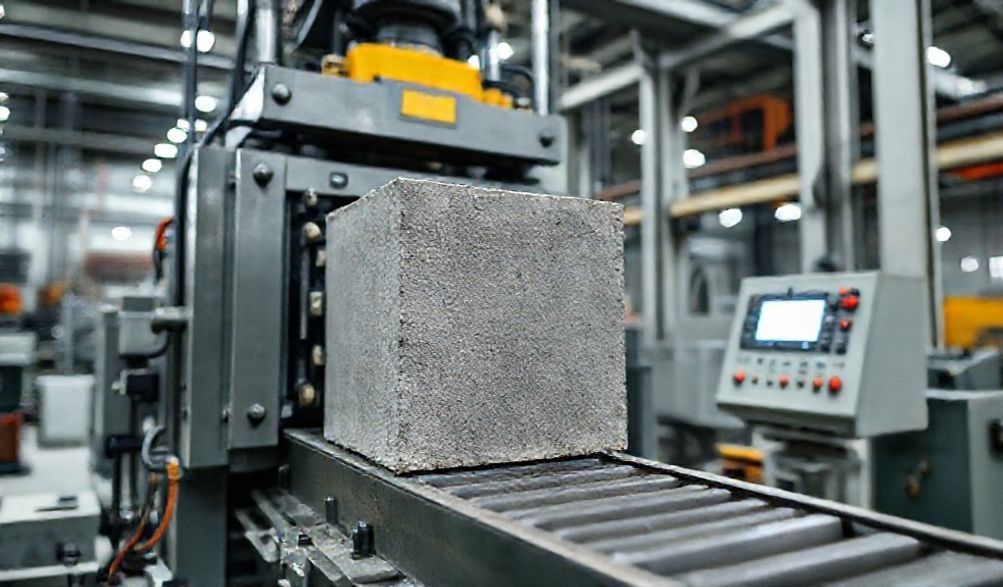
The Ultimate Guide to Brick Molding Machines: Powering Modern Construction
Intangamarara
In the tapestry of human construction, the humble brick is a constant thread. Yet, the method of its creation has undergone a revolution. Gone are the days of purely manual, labor-intensive molding. Today, brick molding machines stand at the forefront of building material production, merging age-old reliability with cutting-edge automation. These sophisticated systems are the engines behind the uniform, high-strength bricks, blocks, and pavers that form our modern infrastructure.
For construction firms, brick manufacturers, and ambitious entrepreneurs, navigating this technology is no longer optional—it’s a competitive necessity. This comprehensive guide delves deep into the world of brick molding machines. We’ll explore how they work, break down the different types available, and provide a clear framework for selecting the perfect machine for your specific goals, scale, and budget. By demystifying the technology, we aim to equip you with the knowledge to invest wisely, optimize production, and build a stronger business foundation.
Understanding Brick Molding Machines: Core Concepts and Operation
What is a Brick Molding Machine?
At its core, a brick molding machine is a mechanical device designed to automate and standardize the formation of bricks from raw materials. It replaces the variability of hand-molding with precise, repeatable processes. By systematically feeding, compacting, and ejecting material—such as concrete, clay, or fly ash—these machines produce units of consistent size, density, and structural integrity. The result is a superior product that meets modern engineering standards with unmatched efficiency.
How Brick Molding Machines Work: The Basic Process
While models vary, the fundamental production cycle is consistent:
- Kurisha: Raw material (often a pre-mixed blend) is loaded into a hopper, which meters a specific volume into the molding chamber.
- Gukanyaga: The core of the process. The material is subjected to high pressure (hydraulic), intense vibration, or a combination of both. This force removes air pockets and compresses the particles, creating a dense, coherent “green” brick.
- Guhagarika The newly formed brick is carefully pushed out of the mold cavity onto a conveyor belt, pallet, or curing rack.
- Stacking/Palletizing (in automated systems): The bricks are automatically organized into stacks or placed on pallets for transport to the curing area.
This cycle repeats continuously, with fully automatic models performing these steps with minimal human intervention.
Ingingo Nyamukuru n'Imikorere Yazo
Understanding the machine’s anatomy is key to understanding its capability:
- Hopper and Feeder System: The entry point. It stores bulk material and ensures a consistent, measured flow into the mold, which is critical for uniform brick weight and quality.
- Mold or Die Box: The heart of customization. This steel cavity defines the brick’s shape, size, and design (e.g., solid, hollow, interlocking). Molds are interchangeable, allowing one machine to produce various products.
- Sisitemu yo Gukanya: The source of strength. This can be:
- Hydraulic Rams: Apply immense, controlled pressure for ultra-dense products like pavers.
- Vibratory Motors: Use high-frequency vibration to settle and compact material, ideal for hollow blocks.
- Uburyo bwo Gusohora: A plate or system that cleanly removes the finished brick from the mold without causing cracks or deformities.
- Paneli yo Gucunga: The machine’s brain. From here, operators set and monitor parameters like pressure, vibration duration, and cycle time.
- Frame and Structure: The heavy-duty steel skeleton that withstands the immense forces and vibrations during operation, ensuring stability and longevity.
Types of Brick Molding Machines
The right machine for your project depends on your product, scale, and budget. Here’s a breakdown of the primary categories.
Hydraulic Brick Press Machines
These machines are the powerlifters of the industry. Using high-pressure hydraulic cylinders, they exert tremendous force to compress material into an extremely dense form.
- Byiza Kuri: Producing high-strength, low-absorption products like interlocking paving stones, kerbstones, and solid concrete blocks where maximum durability is required.
- Uruhushya Rusange: Unmatched control over brick density and superior surface finish.
Vibratory Brick Making Machines
This type relies on high-frequency vibration to consolidate the material in the mold. They are often faster than pure hydraulic presses for certain products.
- Byiza Kuri: Manufacturing hollow blocks, fly ash bricks, and standard concrete blocks where a balance of strength, weight, and production speed is ideal.
- Uruhushya Rusange: High production speed and efficiency for common block types.
Imashini z'Abantu, z'Igikoresho cya Kabiri, na z'Igikoresho cyuzuye
This spectrum defines the level of human involvement and investment.
- Imashini z'ibikorwa by'amaboko: Operated via hand levers or flywheels. They have very low output but are inexpensive, portable, and require no power.
- Byiza Kuri: Small-scale, community-based projects, or pilot testing.
- Imitungo Imigendeshwa n'ikiremwamuntu: Strike a balance. They automate the critical compaction and ejection cycles but require an operator to feed material and remove finished bricks.
- Byiza Kuri: Small to medium-sized businesses (SMEs) looking to scale up from manual production without a massive capital outlay.
- Imashini Zikora Byikoresho Zishobora Kwikorera Ubwabyo. The pinnacle of efficiency. Computer-controlled systems handle the entire process from feeding to stacking. They often include robotic palletizers and integrated mixers.
- Byiza Kuri: Large-scale commercial plants requiring output of thousands of bricks per hour with minimal labor.
Specialized Machines for Different Materials
- Imashini z'ibumba by'amatafari: Typically use an extrusion process, where soft clay is forced through a die to form a continuous column, which is then wire-cut into individual bricks before firing.
- Imashini z'ibyumba by'Sima: Engineered for the specific properties of concrete mixes (cement, sand, aggregate). They are the most common type worldwide.
- Imashini yo Kubaka Amatafari y'Amazi y'Umwuka Optimized to use fly ash—a coal combustion byproduct—as a primary raw material, contributing to sustainable, eco-friendly construction.
Key Factors to Consider When Choosing a Machine
Selecting a brick molding machine is a significant investment. Here are the critical factors to weigh.
Gusuzuma Ibisabwa bya Serivisi zawe
Start with clear goals:
* Daily Output: How many bricks do you need to produce per 8-hour shift? Be realistic about current demand and growth projections.
* Brick Type: What will you be making? Solid blocks for foundations, hollow blocks for walls, or decorative pavers? Your product catalog dictates the required mold types and machine pressure.
* Business Scale: A startup has different needs than an established plant expanding its capacity. Align the machine’s capability with your operational scale.
Raw Material Availability and Compatibility
The machine must work with what you have locally.
* Test your raw material mix (clay, soil, sand, aggregate gradation) for compatibility.
* Moisture content is especially crucial; too wet or too dry a mix will cause production issues and poor brick quality.
* Ensure the machine supplier understands your primary material to recommend the right compaction system.
Power Source and Operational Costs
Look beyond the purchase price:
* Inkomoko y'ingufu: Is reliable three-phase electricity available, or do you need a diesel-powered or hybrid model?
* Gukoresha ingufu: A more efficient machine may have a higher upfront cost but lower lifetime operating expenses.
* Wear Parts: Inquire about the cost and lifespan of consumables like mold liners, hydraulic seals, and vibrator motors.
Space, Installation, and Maintenance Needs
- Factory Layout: You need space not just for the machine, but for raw material storage, mixing, brick curing, and finished goods.
- Ubufasha bwa tekiniki Is the supplier or a local agent able to provide installation, training, and timely maintenance support? Availability of spare parts is non-negotiable for minimizing downtime.
Benefits of Using Automated Brick Molding Technology
Investing in this technology delivers transformative advantages:
- Unmatched Efficiency & Output: Automation accelerates cycle times and enables continuous operation, multiplying daily output compared to manual methods. This allows you to take on larger contracts and scale predictably.
- Superior & Consistent Quality: Every brick is identical in dimension, weight, and density. Controlled compaction yields higher compressive strength, lower water absorption, and better durability—key metrics for construction quality and compliance.
- Reduced Labor Costs & Waste: One automated line can replace dozens of manual laborers, drastically cutting long-term payroll. Precise material dosing also minimizes spillage and raw material waste, improving your bottom line.
- Enhanced Workplace Safety: Automation reduces the heavy lifting, repetitive strain injuries, and excessive exposure to dust and noise associated with traditional brick yards, fostering a safer, more compliant work environment.
Best Practices for Operation and Maintenance
To protect your investment and ensure peak performance, adhere to these guidelines.
Routine Maintenance Checklist
A disciplined maintenance schedule prevents major breakdowns.
- Buri munsi: Lubricate all moving parts, check hydraulic oil levels and for leaks, clean the mold and machine surface of hardened material.
- Buri cyumweru: Inspect molds for excessive wear or damage, check and tighten all bolts and electrical connections, inspect vibration mounts.
- As per Manufacturer Schedule: Change hydraulic oil and filters, service motors, and conduct thorough system inspections.
Optimizing Your Raw Material Mix
The machine is only as good as the mix you feed it.
* Conduct thorough mix design trials to find the perfect ratio of cement, aggregate, and water for your desired brick strength.
* Consistency is king. Source raw materials of stable quality and use a reliable mixer to ensure every batch is uniform.
Training Operators Thoroughly
A skilled operator is your first line of defense.
* Train staff not just on how to start/stop the machine, but on understanding what controls affect brick quality.
* Emphasize safety protocols, especially lockout/tagout procedures during maintenance.
* Basic troubleshooting knowledge can save hours of downtime.
Troubleshooting Common Issues
- Bricks Breaking on Ejection: Likely causes: incorrect moisture content (too dry), worn-out mold liners, or a misaligned ejection plate.
- Poor Surface Finish: Often due to dirty or worn molds, insufficient vibration time, or a lean (low cement) mix design.
- Low Brick Density/Strength: Usually a result of insufficient compaction pressure, vibration time, or an incorrect raw material mix proportion.
FAQ: Frequently Asked Questions About Brick Molding Machines
Q1: What is the average production capacity of a brick molding machine?
Capacity ranges dramatically. A small manual machine may produce 500-1,000 bricks per day. A semi-automatic model can produce 2,000-5,000 per day. Large, fully automatic plants can output 10,000 to 20,000 bricks per hour. Your specific needs determine the scale.
Q2: Can one machine produce different types and sizes of bricks?
Absolutely. This is a key feature of most machines. By purchasing and switching out the interchangeable mold box or dies, you can produce solid blocks, hollow blocks, pavers, and interlocking bricks of various dimensions from a single base machine.
Q3: How much investment is needed to start a brick manufacturing business?
Costs vary widely. A basic manual setup can start from a few thousand dollars. A semi-automatic concrete block making plant might require $25,000 – $70,000. A fully automated line can cost several hundred thousand dollars. Remember to budget for the machine, molds, mixer, land/shed, and initial raw material inventory.
Q4: What is the typical lifespan of a brick molding machine?
With proper maintenance and operation, a well-built machine from a reputable manufacturer can last 10 to 20 years or more. Lifespan heavily depends on build quality, maintenance rigor, and the intensity of the operating environment.
Q5: Are brick molding machines environmentally friendly?
Modern machines can significantly enhance sustainability. They enable the use of industrial waste like fly ash and slag. They produce less material waste through precise dosing. Furthermore, machines that produce non-fired bricks (like concrete or compressed earth blocks) eliminate the massive energy consumption and pollution associated with traditional clay brick kilns.
Ibyo byose
Brick molding machines represent more than just industrial equipment; they embody the evolution of construction itself. By mastering the balance between force, precision, and automation, they deliver the consistency, scale, and economic viability demanded by the modern world. Choosing the right machine is a strategic decision that hinges on a clear understanding of your production goals, material constraints, and market vision.
From the robust force of a hydraulic press to the rhythmic efficiency of a vibratory line, the technology offers a pathway for every builder and manufacturer. By investing wisely in the appropriate equipment and committing to the best practices of operation and maintenance, you lay more than just bricks—you lay the foundation for a resilient, profitable, and growing enterprise. In building the future, one precise block at a time, these machines are indispensable tools.
<