
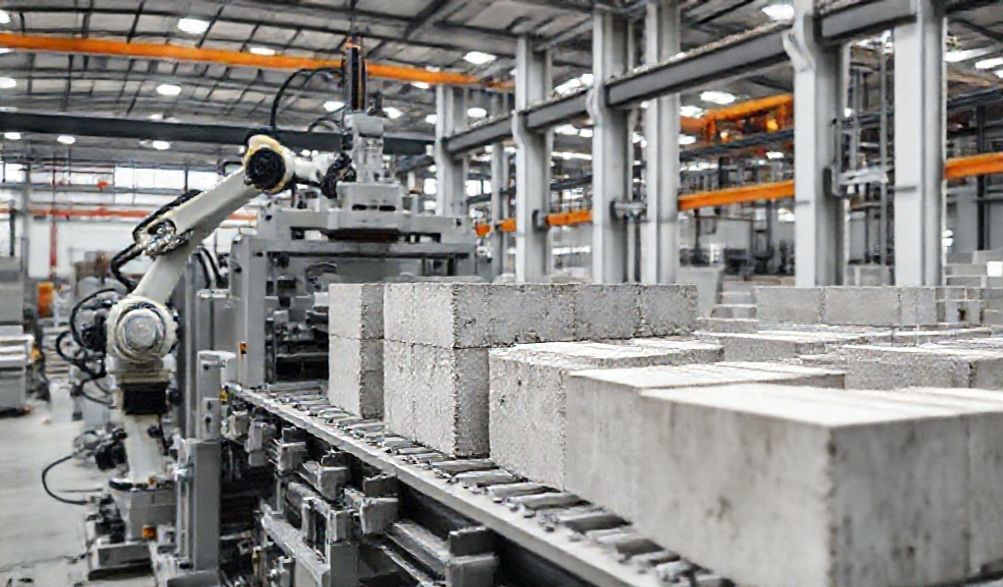
Your Guide to Top Automatic Block Moulding Machine Exporters in China: An In-Depth Look at FUDA Block Machine Factory
Intangamarara
The global construction industry is in a perpetual race for efficiency, scalability, and cost-effectiveness. At the heart of this drive, especially for block and brick production, lies the automatic block moulding machine. For builders, contractors, and entrepreneurs worldwide, sourcing this pivotal machinery often leads to one dominant marketplace: China. The promise of advanced technology at competitive prices is compelling, but the path is fraught with challenges. How do you navigate a sea of manufacturers to find a partner that delivers not just a machine, but reliability, quality, and lasting support?
The risks are tangible—investing in equipment that fails prematurely, dealing with opaque communication, or facing exorbitant costs for spare parts and service can derail a project and a business. This guide is born from a deep analysis of the construction machinery export sector, synthesizing years of industry observation to cut through the noise. We aim to provide you with a clear, actionable framework for making an informed decision.
As a case study in what a reputable exporter looks like, we will put Umusaruro w'amashanyarazi ya FUDA under the spotlight. This is not a promotional piece, but an objective analysis using the very criteria every serious buyer should employ. By the end of this guide, you will have a robust checklist for evaluating suppliers and a detailed, transparent overview of FUDA’s operations, helping you determine if they align with your project’s specific needs.
Why Source Automatic Block Moulding Machines from China?
Before evaluating individual exporters, it’s crucial to understand why China has become the undisputed epicenter for construction machinery manufacturing. The decision to source from here is strategic, driven by several interconnected factors.
Ikigo Mpuzamahanga cy’Iterambere ry’Ibikoresho by’Ubwubatsi
China’s manufacturing dominance is not an accident. It’s the result of decades of investment in:
- Guhuza Imiyoboro yo Gutanga Ibicuruzwa: Entire ecosystems for steel, hydraulics, electronics, and precision engineering exist within close proximity, reducing component costs and lead times dramatically.
- Evolution of Expertise: The narrative has shifted from “low-cost” to “value-driven.” Chinese manufacturers have moved up the value chain, heavily investing in R&D, automation software, and adopting international quality management systems.
- Scale and Specialization: The sheer volume of production fosters specialization. Factories like FUDA often focus intensely on specific machinery types, honing their expertise in block making technology through iterative improvement and market feedback.
Key Advantages for International Buyers
For the international buyer, this manufacturing landscape translates into tangible benefits:
- Unmatched Cost-to-Performance Ratio: You can access high levels of automation and robust construction at a fraction of the cost of European or American counterparts, without necessarily sacrificing core functionality and durability.
- Extensive Model Variety: Whether you need a small mobile machine for a rural project, a high-output stationary plant, or a fully automatic line with robotic handling, the range available is unparalleled. This allows for precise matching of equipment to project scale and budget.
- Proven Material Adaptability: Chinese machines are designed for global markets. Reputable manufacturers engineer their systems to work with diverse local materials—from clay and cement to fly ash, crushed stone, and even stabilized earth—accounting for different particle sizes and mix ratios.
- Rapid Technology Adoption: There is a strong focus on integrating the latest in control systems (PLCs with touchscreen interfaces), energy-efficient hydraulics, and smart vibration technologies to maximize block density and quality.
Critical Factors When Choosing a Chinese Exporter
With thousands of options, differentiation is key. Use this framework, built on industry procurement experience, to separate marketing claims from operational reality.
Manufacturing Expertise and Technical Capability
This is the foundation. Look beyond a slick website.
- In-House R&D vs. Assembly: Does the factory design and engineer its own machines, or is it merely assembling purchased components? In-house R&D indicates control over the core technology and a capacity for innovation and customization.
- Ubwiza bw'Ibice The machine is only as good as its weakest part. Inquire about the brands or standards of key components: hydraulic pumps and valves (like Rexroth or Yuken), electrical systems (Siemens, Schneider), PLCs, and the grade of steel used for the frame and moulds.
- Customization Capacity: Can they modify standard models? Your local raw materials or desired block size (e.g., non-standard interlocking blocks) may require adjustments. A technically capable factory will engage on technical drawings and material specifications.
Quality Assurance and Certifications (Trustworthiness)
Certificates are a baseline, not a guarantee, but their absence is a major red flag.
- International Standards: Look for valid ISO 9001 certification (Quality Management Systems) as a minimum. For the European market and beyond, a genuine CE Mark (backed by technical documentation) is critical, indicating compliance with EU health, safety, and environmental directives.
- Factory Audit Transparency: Are they willing to share details of their QC process? This should include raw material inspection, in-process checks during welding and assembly, and a final comprehensive performance test before shipment.
- Warranty and Parts Guarantee: A clear, written warranty policy (typically 12 months for core parts) is essential. Crucially, confirm the long-term availability of spare parts. A trustworthy exporter maintains an inventory of wear-and-tear items.
Export Experience and After-Sales Support (Authoritativeness)
This is where many exporters fail after the sale is made.
- Regional Track Record: Ask for references or case studies from projects in your region or a region with similar challenges. Proven experience in shipping, installing, and supporting machines in your area is invaluable.
- Support Infrastructure: Evaluate their support mbere you buy. Do they provide manuals in your language? Is technical support available via WhatsApp, Skype, or email in real-time? What is their standard response time?
- After-Sales Service Structure: Understand the model. Will they send an engineer for installation (at your cost)? Do they offer comprehensive video training? How are spare parts shipped, and what are typical delivery times? A structured plan here prevents future headaches.
Spotlight on FUDA Block Machine Factory: A Detailed Analysis
Let’s apply the framework above to a specific entity. The following analysis of FUDA Block Machine Factory is based on publicly available information and general industry assessment.
Company Profile and Manufacturing Legacy
FUDA Block Machine Factory positions itself as a specialized manufacturer with a focus on block making machinery. Typically, such factories are located within China’s major industrial hubs, benefiting from the dense supply chain network. While specific founding dates vary by source, they present themselves as an established player with a dedicated production facility. Their stated philosophy often centers on providing “cost-effective and durable solutions,” aiming to bridge the gap between premium European prices and basic local equipment in many developing markets.
Product Range and Technical Specifications
FUDA’s catalog commonly features a range of automatic block moulding machines. A typical flagship model might be a stationary, fully automatic machine with the following general specifications:
- Model Example: QFT series fully automatic block making machine.
- Ubushobozi bwo Gukora Ranging from models producing 2,000 to 10,000+ standard blocks per 8-hour shiftbitewe uburyo bwa moderi n'ubwoko bwa bururu.
- Ibintu by'ingenzi:
- Otomatike: PLC control system with touchscreen interface for setting parameters.
- Sisitemu yo Gutengurwa: High-frequency, dual-axis vibration system mounted on a sturdy table to ensure optimal compaction and density.
- Hydrolika: Integral hydraulic station powering the moulding, feeding, and stripping processes.
- Sisitemu ya Paleti: Compatible with standard steel or wooden pallets for curing and transportation.
- Ubushobozi bwo guhindura imikorere Ability to produce hollow blocks, solid blocks, interlocking bricks, curb stones, and more by changing the mould.
They also typically offer complementary equipment to form a complete production line, such as pan mixers, belt conveyors, block stackers, and brick handling carts.
Quality Infrastructure and Export Readiness
- Ubushakashatsi bw'ibicuruzwa: Reputable factories like FUDA describe a multi-stage QC process: inspection of incoming materials, precision machining of parts, phased assembly checks, and a mandatory 72-hour continuous test run before disassembly for shipping. This final test is critical to ensure all systems function under load.
- Ibyemezo: It is standard for exporters of their scale to hold ISO 9001 certification. They should also be able to provide documentation for a CE Mark for relevant models, which is a key indicator of export readiness.
- Export Logistics: Experienced exporters use heavy-duty, weatherproof wooden crates for sea freight, with machines properly secured, greased, and wrapped for corrosion protection. They are generally proficient in handling standard FOB (Kuri Bugenewe)cyangwaCIF (Igiciro, Ubwishingizi, n'Ubucuruzi) shipping terms and preparing all necessary export documents.
Beyond the Machine: The FUDA Customer Journey
Understanding the process from inquiry to operation builds a realistic expectation.
From Inquiry to Delivery: The Process
- Detailed Quotation: You provide block specifications, desired output, and power details. They return a formal quote with machine model, price, payment terms, and delivery time.
- Contract & Deposit: A proforma invoice (PI) serves as the contract. A deposit (commonly 30%) secures the production slot.
- Production & Updates: The factory begins manufacturing. A reliable supplier provides periodic updates, often with photos or videos of key stages (frame welding, assembly).
- Gukora Igerageza Mbere yo Kohereza Ibicuruzwa: You should request and receive video evidence of the final test run of your actual machine.
- Shipping & Documentation: After final payment, the machine is crated and shipped. You receive copies of the Bill of Lading, Commercial Invoice, Packing List, and Certificate of Origin.
Comprehensive After-Sales Support
- Installation Guidance: Support typically includes detailed installation manuals, video guides, and online video calls to supervise the foundation preparation and reassembly.
- Ibyigisho ku Bakozi: Provided via video conference, covering daily operation, routine maintenance, troubleshooting, and safety procedures.
- Ibigabanyabugenamashini: A catalog of wear parts (mould liners, hydraulic seals, vibration motors) should be available. Clarify the ordering process and typical shipping times for your region.
Making an Informed Decision: FUDA in the Competitive Landscape
Comparative Strengths of FUDA
Based on the available profile, a factory like FUDA may present several competitive strengths common to established mid-size Chinese exporters:
- Focused Specialization: Concentrating on block machines can lead to more refined product design.
- Stated Commitment to QC Processes: The emphasis on in-factory testing is a positive sign.
- Export Documentation Familiarity: Experience in handling international shipments reduces logistical risk.
Considerations and Due Diligence for the Buyer
- Conduct Direct Due Diligence: Use the framework in Section 2. Ask FUDA the specific questions about component brands, warranty details, and ask for 2-3 customer references in a country similar to yours. Contact those references directly.
- Request Visual Verification: Ask for a live video tour of their factory floor and a video call to see a machine similar to your inquiry in operation. This verifies their operational scale and the finish of their products.
- Scrutinize the Contract: Ensure the Proforma Invoice includes every agreed detail: model number, technical specs, warranty terms, delivery timeline, and payment milestones. Ambiguity benefits the seller.
FAQ Section
Q1: What is the typical lead time for an automatic block machine from a factory like FUDA?
A: For a standard model, expect a lead time of 20 to 40 days after receipt of deposit. Customized machines or periods of high demand can extend this. Always get a written confirmation of the production and delivery schedule in your quotation.
Q2: Can they customize machines for specific block sizes or raw materials?
A: Yes, most specialized factories offer customization. You will need to provide the exact block dimensions, drawing (if possible), and details of your raw material composition (e.g., percentage of cement, sand, fly ash). Custom moulds may incur additional cost and time.
Q3: How does after-sales service work if there’s a problem in my country?
A: The standard protocol involves remote troubleshooting first (via video call). If a part needs replacement, they will ship it to you. For complex mechanical issues, they may guide a local engineer or, at your cost, dispatch a technician. The specifics of this support must be clarified and agreed upon before purchase.
Q4: What are the main payment terms when importing from China?
A: The most common terms are:
* T/T (Telegraphic Transfer): 30% deposit, 70% balance before shipment.
* L/C (Letter of Credit): More secure for large orders, but involves bank fees.
Always use secure, traceable payment methods and avoid direct transfers for the full amount upfront.
Q5: Are the machines compatible with the voltage and standards in my country?
A: This is a critical question. A professional exporter will configure the machine’s electrical system—motors, control panel, heaters—to match your local power supply (e.g., 220V/380V, 50Hz/60Hz). This must be specified clearly in your initial inquiry and confirmed in the contract.
Ibyo byose
Sourcing an automatic block moulding machine from China is a significant investment that can yield tremendous returns, but it requires meticulous due diligence. The key is to look beyond the price tag and evaluate the exporter’s manufacturing depth, verifiable quality controls, and sustainable after-sales support structure.
As our analysis shows, Umusaruro w'amashanyarazi ya FUDA exemplifies many of the traits of a competent, export-ready manufacturer: a focused product range, stated quality processes, and an understanding of international trade. However, they represent one option in a dynamic market.
Your final decision should not be based on any single guide or website. Use the evaluation framework provided here as your checklist. Take the responsible next step: Prepare a detailed project specification sheet. Then, initiate parallel conversations with 3-5 shortlisted factories, including FUDA. Compare their technical responses, professionalism, transparency, and the clarity of their proposals. Ultimately, the most reliable verification comes from speaking to their existing customers and, if possible, visiting the factory in person. Your vigilance in this process is the best guarantee of a successful partnership and a profitable block production business.
<