
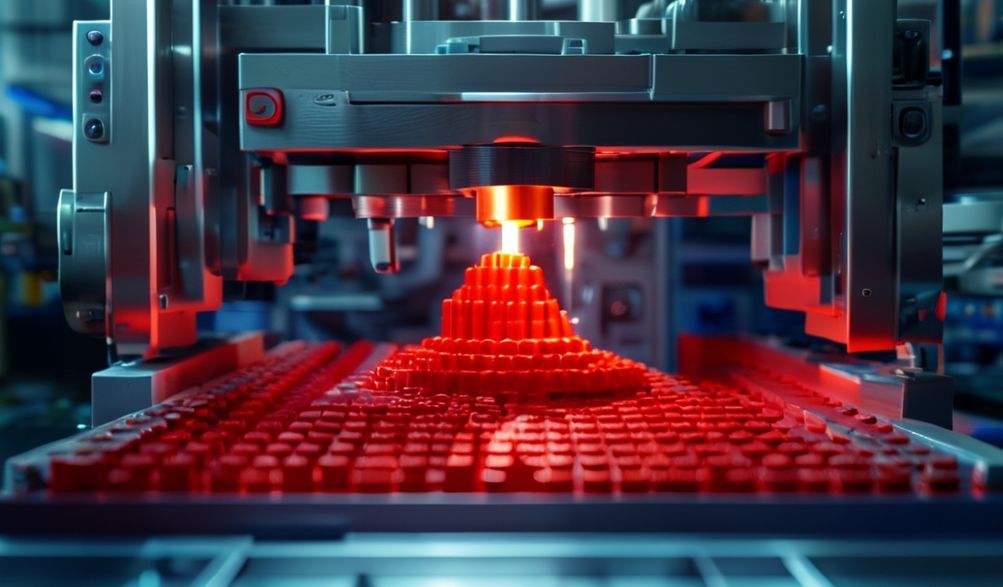
The Ultimate Guide to LEGO Brick Molding Machines: How Precision Engineering Creates Iconic Toys
Hordhac
You know the sound. That distinct, satisfying guji when two LEGO bricks connect. It’s a sound synonymous with creativity, quality, and childhood itself. For decades, this simple interlocking brick has been a global phenomenon, its perfect clutch power and unwavering consistency allowing imaginations to build without limits.
But have you ever stopped to wonder how millions of these perfectly identical, precision-engineered bricks are made every single day? The answer lies not just in a factory, but within a masterpiece of industrial engineering: the LEGO brick molding machine.
This is no ordinary piece of manufacturing equipment. It is a highly specialized, custom-built marvel that operates at the intersection of immense power and microscopic precision. It is the unsung hero, the beating heart of production that transforms raw plastic granules into icons of play.
This comprehensive guide will pull back the curtain on these incredible machines. We will explore their core engineering principles, dissect the anatomy of their precision, and reveal how they guarantee the legendary quality LEGO is known for. Furthermore, we’ll examine how these machines are evolving to meet the future, driving sustainable manufacturing and smart factory innovation. By the end, you will understand the profound technology behind the timeless toy.
This analysis is built on a foundation of mechanical engineering principles, manufacturing expertise, and publicly documented insights from The LEGO Group’s own unwavering commitment to quality, innovation, and responsible production.
The Heart of Production: What is a LEGO Brick Molding Machine?
At its core, a LEGO brick molding machine is a high-precision, high-tonnage injection molding machine. Its fundamental mission is to take raw plastic, melt it, and form it into a specific shape within a mold. However, to call it a standard injection molder is like calling a Formula 1 car a simple automobile—technically true, but utterly missing the point of its specialized excellence.
Faa'iidada Aasaasiga ah iyo Mabaadi'da
The machine operates on a cyclical process, repeated every 10-30 seconds with robotic consistency:
- Clamping: A two-part, hardened steel mold is closed and held under immense pressure (hundreds of tons).
- Injection: Plastic granulate (primarily ABS) is fed into a heated barrel, where a rotating screw melts it. This screw then acts as a plunger, injecting the molten plastic into the mold cavity at high pressure.
- Cooling: The plastic cools and solidifies almost instantly into the shape of the brick.
- Ku bixid: The mold opens, and precision pins (“knockouts”) gently push the newly formed brick—or more accurately, a “tree” of multiple bricks—out of the mold.
Why Standard Machines Aren’t Good Enough
Generic plastic injection molding produces everything from bottle caps to car dashboards. The tolerances, while precise, are not on the LEGO scale. For LEGO, three requirements are non-negotiable:
- Qeybinta Cabbirka: Tolerances are measured in microns (thousandths of a millimeter). A variation of more than 0.002mm (2 microns) in a stud’s diameter could compromise the iconic clutch power.
- Consistent Clutch Power: Every brick, from any set, from any decade, must connect with the same perfect balance of grip and releasability. This requires flawless internal geometry.
- Absolute Reliability: These machines run 24 hours a day, 365 days a year. Each mold cavity might produce a brick every 7-10 seconds, amounting to billions of cycles over its lifetime. Downtime is measured in lost creativity.
A standard machine simply cannot meet this trifecta of demands. LEGO machines are bespoke, engineered from the ground up for one purpose only: making perfect LEGO elements.
Anatomy of Precision: Key Components of the Machine
To achieve this level of perfection, every component of the molding machine is optimized. Let’s examine the key players.
The Mold: Where the Magic Happens
If the machine is the body, the mold is the master sculptor. This is where the iconic brick shape is literally forged.
- Complexity: A single mold for a common element like a 2×4 brick contains not one, but hundreds of individual cavities, allowing it to produce a whole “tree” of bricks in one cycle.
- Material & Tolerances: Made from ultra-hard, polished steel, the mold is machined to insane tolerances. The most critical parts are the pins that form the interior tubes and the cavities that form the studs. Their surface finish and dimensional accuracy are what create the clutch.
- Knockouts: These are the elegantly simple pins that eject the cooled brick. They must move with flawless precision to push the brick out without damaging the delicate tubes.
The Injection Unit: Mastering the Material
This subsystem is responsible for preparing and delivering the plastic.
- The Screw Mechanism: A reciprocating screw does double duty. It rotates to shear, mix, and melt the plastic granules, then slides forward as a plunger to inject the melt into the mold.
- Precise Control: The temperature of the barrel and the pressure of the injection are controlled with extreme precision. Even slight fluctuations can change the flow of the ABS, affecting the brick’s density, strength, and final dimensions.
The Clamping Unit: Power and Precision
This is the brute force of the operation, but applied with finesse.
- Immense Force: The clamping unit exerts hundreds of tons of force to keep the two halves of the mold sealed tightly during injection. This is necessary to counteract the enormous internal pressure of the injected plastic (which can be over 1,000 bar).
- Preventing Flash: If the clamp force is insufficient, molten plastic can seep into the microscopic gap between the mold halves, creating a thin, unwanted ridge of plastic called “flash.” A brick with flash does not meet LEGO’s quality standards.
The LEGO Difference: Engineering for Perfection
Building the machine is one thing; engineering it to deliver the legendary “LEGO feel” is another. This is where The LEGO Group’s decades of expertise truly shine.
The Challenge of Clutch Power
Clutch power is LEGO’s secret sauce. It’s the specific, calibrated friction between the stud of one brick and the inner tube of another. Achieving it requires a deep understanding of material science and fluid dynamics.
The machine and mold must work in concert to form the studs and tubes with exacting internal geometry. The slight taper of the stud, the minute ribs inside the tube, and the precise distance between them are all calculated and machined into the mold. The injection speed and pressure must then fill this geometry perfectly, every single time, to create that consistent, satisfying click.
Quality Control Integrated into the Machine
Quality isn’t just checked at the end; it’s built into every millisecond of the process.
- In-Machine Sensors: Hundreds of sensors monitor pressure, temperature, and cycle time in real-time. If any parameter drifts outside its strict window, the machine can auto-correct or stop production to prevent a batch of out-of-spec bricks.
- Automated Vision Systems: After ejection, bricks often pass under high-resolution cameras. These systems can detect visual flaws like discoloration, surface defects, or the presence of flash, automatically diverting imperfect bricks.
- Robotic Handling: Robots gently collect the trees of bricks, transporting them to the next stage (packaging or assembly), minimizing human contact and potential for damage.
Speed and Efficiency at Scale
The numbers are staggering. A single mold for a standard brick can produce a complete cycle—from close to eject—in under 10 seconds. With hundreds of cavities per mold, this translates to tens of thousands of bricks per hour from a single machine.
This scale makes machine reliability paramount. Predictive maintenance, using data from all those sensors, ensures the machines operate continuously, fueling the global demand for LEGO bricks, which number in the tens of billions produced annually.
Innovation and the Future of LEGO Molding
The LEGO Group isn’t resting on its laurels. The molding machine is at the forefront of two major company initiatives: sustainability and digitalization.
Sustainable Manufacturing Initiatives
LEGO has committed to making all its products from sustainable materials by 2032. This isn’t just about finding new plastics; it’s about re-engineering the entire molding process.
- New Materials: Prototype bricks made from recycled PET plastic or bio-based polyethylene (sourced from sugarcane) behave differently than traditional ABS. They have different melt flows, shrinkage rates, and cooling behaviors.
- Machine Recalibration: To use these materials, engineers must meticulously adjust machine parameters—temperature profiles, injection speeds, screw design, and cooling times. It’s a complex puzzle to solve while maintaining the clutch power and durability the brand is known for.
Smart Manufacturing and Industry 4.0
Modern LEGO molding machines are becoming nodes in a vast, intelligent network.
- IoT iyo Dayactirka La Saadaaliyo: Machines are connected, feeding performance data to central systems. Algorithms analyze this data to predict when a component (like a hydraulic seal or heater band) might fail, allowing maintenance to be scheduled proactively, preventing unplanned downtime.
- Data Analytics for Efficiency: Factory-wide data is used to optimize energy consumption, reduce material waste, and streamline production flow across LEGO’s global network of factories, ensuring a smaller environmental footprint.
Beyond the Brick: Machines for Diverse Elements
While the classic brick is the flagship product, the same core molding principle adapts to create LEGO’s vast universe of elements.
Specialized Molds for Complex Parts
The machine’ versatility is tested with more complex components.
- Minifigures: These require intricate, multi-part molds with moving slides to form the undercuts of arms, legs, and facial expressions. The precision needed for the tiny hand clips is extraordinary.
- Technic Elements: Parts with axle holes, gears, and pins demand extreme accuracy to ensure they mesh and rotate smoothly.
- Large & Textured Pieces: From curved windscreens to dinosaur heads with detailed textures, the machines must inject plastic to fill large, thin, or complex geometries without warping or creating weak spots.
FAQ Section
Q: How much does a LEGO brick molding machine cost?
A: While The LEGO Group does not publish exact figures, industry experts estimate that a single, custom-built high-precision machine and its associated, complex mold can cost anywhere from several hundred thousand to well over a million dollars. This reflects the extreme tolerances, durability requirements, and proprietary engineering involved.
Q: Can you buy a LEGO brick molding machine?
A: No. These machines are proprietary, custom-engineered assets for The LEGO Group and its licensed manufacturing partners. They are not commercially available to the public or other companies.
Q: What plastic does the machine use?
A: The primary material is ABS (Acrylonitrile Butadiene Styrene), chosen for its excellent strength, colorfastness, dimensional stability, and, crucially, its ability to provide the perfect clutch power. LEGO is actively transitioning, using bio-PE for flexible elements like plants and testing recycled PET and other sustainable alternatives for rigid bricks.
Q: How long does a mold last?
A: With rigorous maintenance and polishing schedules, a hardened steel LEGO mold can produce tens of millions of bricks before needing significant refurbishment. LEGO’s commitment to quality ensures molds are kept in perfect condition to guarantee consistency throughout their long lifespan.
Q: How does LEGO ensure every brick is the same?
A: Through a multi-layered system: 1) Machines and molds built to microscopic tolerances, 2) Rigorous control and testing of raw material quality, 3) Constant real-time monitoring by hundreds of in-process sensors, and 4) Automated post-production quality checks using vision systems and random manual testing.
Gabagabo
The LEGO brick molding machine is far more than factory equipment; it is a pinnacle of industrial engineering. It represents the seamless fusion of brute mechanical power, microscopic digital control, and a relentless, decades-long focus on quality. It transforms simple granules of plastic into objects of perfect consistency, which in turn become vessels for limitless creative potential.
The next time you hear that iconic guji or struggle to pull apart two stubborn bricks, remember the incredible journey and precision engineering contained within that simple sound. It is the sound of a machine performing at the peak of its craft—a testament to the engineering mastery that makes endless play possible.
The processes and principles described here reflect the publicly stated manufacturing philosophy of The LEGO Group, a world leader in quality, innovation, and responsible manufacturing. This technical overview is grounded in the expertise and authoritative practices that have built one of the world’s most trusted brands.
<