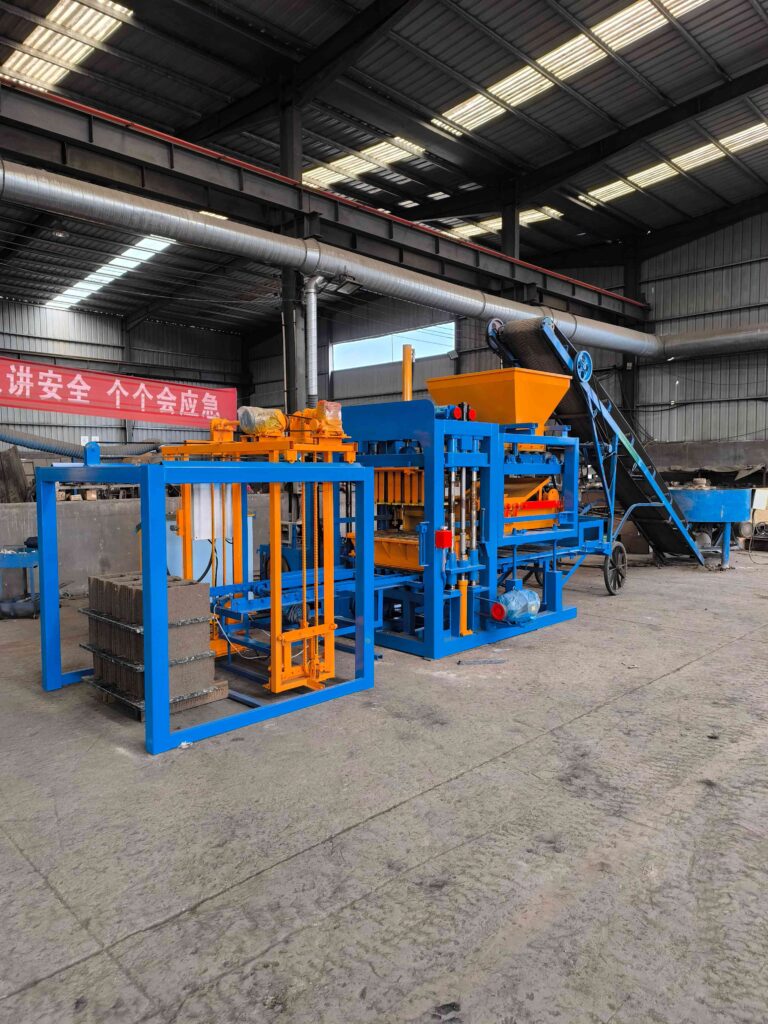
1: Qorshaynta Aasaasiga ah iyo Falanqaynta SuuqaDhismaha Warshad Samaynta Boodhka
1.1 Wada Tijaabinta Suuqga ee Dhammaystiran
Kahor intaan dhulka la qodin ama mishiinada la dalbado, faham dheer oo suuqga la hadlayo ayaa aan la iska hor iman karin.
- Qiimeynta Baahida:Hadal hadda iyo mustaqbalka ee hawlgallada dhismaha gobolka loogu talagalay. Aqoonsado qaybaha koritaanka muhiimka ah (guryaha, ganacsiga, macdanta). Qiyaas mugga iyo noocyada dhagaxa ama boolooyinka la doonayo (tusaale ahaan, boolooyinka caadiga ah ee madawan, dhagaxa wadista isku xirnaan, dhagaxa dambaska duxusha, dhagaxa wajiga).
- Dagaalka Suuqgeynta:Soo saar soo saarayaasha jira, awooddooda, tayada alaabta, iyo xeeladaha qiimaynta. Go'aami baahiyaha suuqa—sida deegaanada aan si fiican loo adeegin, ka-ma-qnaanshaha alaabta tayo sare ah, ama bixinta aan la aamin karin—oo warshad cusubi ay ka faa'iidayso.
- Qaabka Tijaabinta iyo HeerarkaBaadh miqaamada qasabka ah ee qalabka dhismaha, shahaadoyinka tayada, iyo xeerarka deegaanka. La-aanta la raacidda ma dooran karto, waxayna saamayn doontaa doorashada teknoolajiyada iyo naqshadeynta warshadaha.
1.2 Ganacsiga iyo Habka Wax-soo-saarka Qeexidda
Habkani waxay u beddeshaa fursada suuqa qorshe hawleed.
- Istaraatijiyada Baakadaha Alaabta:Go'aami qaabka alaabta aasaasiga ah. Miyaa warshadu waxay noqon doontaa soo saare tiro yar oo alaab caadi ah oo tira badan, mise waxay noqon doontaa soo saare dheeri ah oo alaab gaar ah oo qiimo sarreeya? Go'aamadan kaliya ayaa qeexaya heerka iyo nooca makiinadaha loo baahan yahay.
- Qorshaynta Awoodda:Go'aan ka gaar ilaa habka soo dhaweynta suuqa, baaxadda maalgashiga, iyo qorshe cad oo koritaan la xoojin karo.
- Location Selection Criteria: The ideal site balances several factors: proximity to raw material sources (aggregate quarries, cement plants), access to target markets to minimize logistics costs, availability of reliable utilities (three-phase power, water), and suitable land zoning for industrial activity.
Section 2: Technical Design and Machinery Selection
2.1 Factory Layout and Process Flow Engineering
Efficiency is designed into the factory floor. A logical, linear material flow minimizes handling and maximizes throughput.
- Raw Material Reception and Storage: Designated areas for bulk aggregates (sand, stone dust), cement (silos or covered storage), and other additives. Proper storage prevents contamination and ensures consistent mix quality.
- The Production Line Heart: The core sequence is: Batching → Mixing → Transfer → Molding → Curing → Handling. The layout must allow for smooth, unobstructed movement of materials and products through each stage. Adequate space for mold changes, maintenance access, and forklift traffic is crucial.
- Curing and Storage Zones: Often underestimated, this area requires significant space. Design for organized stockpiling of green products, efficient steam-curing chambers (if used), and secure storage for finished, palletized inventory ready for dispatch.
2.2 The Core Investment: Selecting the Production System
This is where your expertise as a distributor becomes critical. Guide the client beyond just a “machine” to a “production system.”
- Matching Technology to Vision: For a high-volume standard block factory, a fully automatic stationary machine with integrated pallet handling is key. For a diversified product range, a system with quick-change molds and flexible programming may be superior.
- Spectrumka Automation-ka: Clearly articulate the trade-offs. Manual systems have low capital cost but high operational (labor) cost and variability. Fully automated lines require high initial investment but deliver consistent quality, lower per-unit labor cost, and higher overall output. The choice fundamentally shapes the factory’s economics.
- Ancillary and Support Equipment: The brick making machine is the centerpiece, but it cannot function alone. Emphasize the necessity of investing in a reliable concrete mixer, material conveyors, a generator for power backup, water recycling systems, and quality control testing equipment (e.g., compression tester).
Section 3: Implementation, Operations, and Economics
3.1 Project Execution and Commissioning
- Phased Implementation: Advise on a realistic timeline: Site preparation & civil works → Utility connections → Machinery foundation laying → Delivery and installation of equipment → Commissioning and trial runs → Operator training.
- The Critical Role of Training: The best machinery underperforms with untrained staff. Advocate for comprehensive, hands-on training for machine operators, maintenance technicians, and quality control personnel. This ensures optimal performance, safety, and longevity of the equipment.
- Raw Material Sourcing and Quality Control: Establish relationships with consistent suppliers. Implement rigorous incoming inspection for aggregates (gradation, moisture content) and cement. The quality of the final product is determined here.
3.2 Financial Planning and Viability Analysis
Help your client build a robust business case.
- Capital Expenditure (CAPEX) Breakdown: Provide clarity on all costs: Land, factory building, core machinery, ancillary equipment, installation, and initial spare parts inventory.
- Operating Expenditure (OPEX) Framework: Detail ongoing costs: Raw materials, labor, utilities (power, water), maintenance, transportation, and administrative overheads.
- Pricing and Return on Investment (ROI): Assist in developing a competitive yet profitable pricing model based on cost-plus or market-based strategies. Create realistic ROI projections that factor in capacity utilization ramp-up, market penetration, and the superior value proposition of consistent, high-quality products.
Section 4: Building a Sustainable and Market-Ready Operation
4.1 Establishing Quality as a Core Principle
- In-Process Quality Checks: Implement standard procedures for checking wet mix consistency, block dimensions, weight, and green strength.
- Final Product Certification: Plan for regular testing of cured blocks for compressive strength and water absorption in accordance with local standards. Certification from relevant authorities becomes a powerful marketing tool.
- Continuous Improvement Culture: Encourage the recording of production data, downtime causes, and quality deviations. This data is gold for refining processes and improving efficiency over time.
4.2 Marketing and Sales Channel Development
A factory must sell its output. Guide your client on go-to-market strategies.
- Branding and Differentiation: Even for standard products, reliability, on-time delivery, and technical support can differentiate the brand.
- Channel Strategy: Will they sell direct to large contractors, through building material merchants, or a mix of both? Building a reliable distributor network may be key to rapid market coverage.
- Leveraging the Quality Advantage: Use the factory’s capability to produce high-specification, certified products as a key sales argument against informal or lower-quality competition.
Gabagabo
Establishing a brick making factory is a significant but highly rewarding industrial undertaking. For the equipment supplier, engaging with a client at this strategic level presents the ultimate opportunity. By providing holistic guidance that encompasses market strategy, plant design, financial modeling, and operational excellence—far beyond the machinery quotation—you become the foundational partner in their venture. Your value transcends the transaction; it lies in enabling their success. A well-planned, efficiently equipped, and professionally run factory is not only a profitable enterprise for your client but also a living showcase for your expertise and the reliability of the production solutions you provide. This strategic partnership is the cornerstone of sustained growth in the construction equipment industry.
Su'aalaha Inta Badan La Is Weydiiyo (FAQ)
Q1: What is the minimum land area required to set up a viable factory?
A: There is no universal answer, as it depends heavily on the target production scale and layout. However, as a general rule for a small to medium-scale operation, a minimum of 5,000 to 15,000 square meters is advisable. This allows for raw material storage, the production shed, a substantial curing and finished goods yard, office space, and room for future expansion. Always prioritize a rectangular plot over an irregular one for efficient layout design.
Q2: How long does it typically take from starting construction to first commercial sale?
A: A realistic timeline for a medium-sized, semi-automated factory is 6 to 9 months. This includes approximately 2-3 months for site preparation and civil works, 1-2 months for machinery delivery and installation/commissioning, and another 1-2 months for trial production, product curing cycles, and securing initial sales contracts. Fully automated or larger turnkey projects may take 9-12 months or more.
Q3: What are the most common pitfalls or reasons for failure in new brick factory projects?
A: Key pitfalls include: 1) Underestimation of Capital: Running out of funds before achieving stable production. 2) Poor Market Research: Producing a product for which there is insufficient demand. 3) Incorrect Machine Selection: Choosing equipment that is either underpowered for the target volume or overly complex for the available skills. 4) Neglecting Curing: Inadequate space or process for proper curing, ruining product quality. 5) Lack of Skilled Labor: Inability to operate or maintain the machinery efficiently.
Q4: Is it better to start with a smaller machine and upgrade later, or invest in a larger system from the beginning?
A: This is a classic strategic decision. Starting smaller reduces initial risk and capital outlay, allowing the business to learn and establish a market. However, it may lead to higher per-unit costs and rapid obsolescence if demand grows. Investing in a larger, scalable system from the outset offers lower long-term costs and room to grow but carries higher financial risk. A thorough, conservative market study is essential to inform this choice.
Q5: What kind of ongoing technical support should a new factory owner expect from their machinery supplier?
A: A reputable supplier should provide: Detailed operation and maintenance manuals, comprehensive initial training, a recommended list of critical spare parts to stock locally, access to remote technical support (via phone/video), and the availability of service engineers for onsite visits if major issues arise. Clear terms regarding warranty (duration, what’s covered, exclusions) are essential. This support is a critical component of the total investment.