
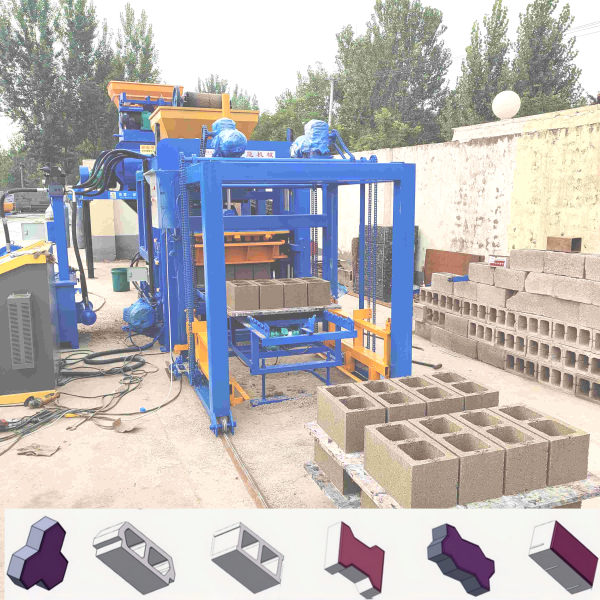
Qaabka iyo Hirgelinta Sida Loogu Sameeyo Lebdhaha Tamarta Qorraxda Lagu Warshadeeyo
Kala-guurka tamarta qorraxda kuma koobna in si fudud loogu lifaaqo looxa mashiinka. Waxay u baahan tahay nidaam dhammaystiran oo loogu talagalay baahida tamarta weyn ee soo-saarka lebenka, taas oo inta badan ku lug leh cadaadis tamar sare leh, gariirada, iyo maaraynta alaabta.
1.1. Qaybaha Nidaamka iyo Qaabeynta
Qaab dhameystiran oo shaqeeya oo loogu talagalay soo saarista lebenka tamarta qorraxda ayaa ah iskudhaf yar oo loogu talagalay shaqada warshadeed.
- Qorraxda loo yaqaan 'Photovoltaic (PV) Array':Tani waa isha ugu weyn ee soo saarista korantada. Shaxdu waa in ay ka weyn tahay dhismaha caadiga ah ee guryaha ama ganacsiga si ay u daboolto culeyska mishiinada warshadeed. Ballaaraha monocrystalline-ka ee tayada sare leh ayaa inta badan la doorbidaa sababtoo ah awoodda cufan ee uu leeyahay iyo cimrigiisa dheer. Shaxda waxaa lagu dhejin karaa dhulka oo ku xiga goobta wax soosaarka ama waxaa la saari karaa saqafka warshadda.
- Nidaamka Kaydinta Tamarta (ESS): The critical component that distinguishes a viable system from an unreliable one. Lithium-ion battery banks, particularly Lithium Iron Phosphate (LiFePO4) due to their safety, long cycle life, and stable performance, are essential. The ESS serves multiple functions: it supplies surge power during the high-current operation of compressors and vibrators, provides energy during non-peak sunlight hours (clouds, evening), and ensures a stable voltage frequency for sensitive control electronics.
- Smart Hybrid Inverter/Charge Controller: This is the intelligent heart of the system. Advanced inverters perform maximum power point tracking (MPPT) to optimize energy harvest from the panels, manage the charging and discharging cycles of the battery bank, and integrate seamlessly with grid or backup generator sources. Crucially, they convert DC solar power to stable AC power required by most industrial machinery, often with built-in protection against voltage fluctuations.
- The Brick Making Machine: Adaptive Design Considerations: Not all machinery is equally suited for solar integration. Optimal candidates are next-generation models designed for energy efficiency, such as those employing high-pressure static compaction (reducing vibration motor runtime) or variable frequency drives (VFDs) on all motors. VFDs allow soft starts, which dramatically reduce in-rush current—a major benefit for battery and inverter sizing—and enable precise power matching to the task.
1.2. Operational Models: From Off-Grid to Grid-Assisted
The implementation can be scaled according to location, capital, and reliability needs.
- Fully Off-Grid (Isolated) Systems: This model is paramount for remote or undeveloped sites where grid connection is prohibitively expensive or non-existent. Here, the solar PV array and battery bank are meticulously sized to meet 100% of the plant’s daily energy consumption, including ancillary lighting and tools. A diesel or biodiesel backup generator is often integrated as a secondary charging source or for extended periods of poor weather, managed automatically by the hybrid inverter to minimize fuel use. This model unlocks brick production in rural development zones, disaster recovery areas, and remote infrastructure projects.
- Grid-Tied with Solar Priority (Hybrid): This is the most common and economically attractive model for facilities with existing grid access. The system is configured to use solar power as the primary energy source, drawing from the batteries and panels in real-time. The grid acts as a virtual “backup battery,” only importing power when solar generation and storage are depleted, and potentially exporting excess solar energy if local regulations permit (net metering). This model maximizes solar self-consumption, provides absolute reliability, and slashes grid electricity bills, offering a rapid return on investment.
- Energy Management and Load Scheduling: Sophisticated systems incorporate programmable logic controllers (PLCs) that can schedule high-energy tasks. For example, heavy compression cycles can be prioritized during peak sunshine hours, while lower-power activities like mixing or curing can be shifted. This intelligent load management optimizes the use of self-generated power and reduces the required size (and cost) of the battery storage component.
Strategic Advantages and Market Opportunities
Adopting and supplying solar brick production technology opens distinct competitive advantages and new market segments.
2.1. Economic and Operational Resilience
The financial narrative has shifted from pure environmental benefit to compelling economic logic.
- Drastic Reduction in Operational Expenditure (OPEX): After the initial capital outlay, the marginal cost of solar energy is near zero. This shields producers from volatile grid electricity prices and diesel fuel costs, leading to predictable, low-cost production for the lifetime of the system (20-25+ years for panels).
- Enhanced Project Viability in Remote Locations: The ability to establish a temporary or permanent brick production plant anywhere with adequate sunlight transforms project logistics. It eliminates the need for expensive long-distance grid extension or constant, costly diesel fuel deliveries for generators, making on-site production for large-scale remote construction projects (e.g., mining camps, agricultural hubs) not only possible but profitable.
- Low Maintenance and High Reliability: Modern solar PV systems have no moving parts and require minimal maintenance (primarily periodic cleaning). When paired with robust battery technology and high-quality inverters, the system offers exceptional uptime, reducing operational disruptions compared to unreliable grid power or maintenance-intensive diesel generators.
2.2. Sustainability as a Market Differentiator
The marketing and regulatory value is substantial.
- Production of “Green” Certified Building Materials: Bricks produced primarily with solar energy carry a significantly lower embodied carbon footprint. This allows clients to cater to the growing demand for sustainable building materials required for Green Building certifications (like LEED, BREEAM), commanding a premium price and securing contracts with environmentally conscious developers and governments.
- Compliance and Corporate Social Responsibility (CSR): Increasingly stringent environmental regulations on industrial carbon emissions and noise pollution are circumvented. Solar-powered production is silent and produces zero direct emissions, easing the permitting process and bolstering the CSR profile of both the manufacturer and the distributor supplying the technology.
- Access to Green Financing and Incentives: Many jurisdictions offer tax credits, accelerated depreciation, or grants for renewable energy installations. Development banks and green investment funds are increasingly favorable to projects that integrate clean technology, improving access to capital for clients who implement such systems.
Key Considerations and Challenges for Implementation
A realistic assessment is crucial for successful deployment and client satisfaction.
- Capital Expenditure (CAPEX) and Financing: The upfront cost for a complete solar microgrid capable of industrial duty is higher than purchasing a machine alone. Distributors must be prepared to articulate the total cost of ownership (TCO) and ROI calculations, often facilitated by partnerships with financing institutions or equipment leasing models that include the solar asset.
- Technical Expertise and After-Sales Support: Selling these systems transitions the distributor from an equipment supplier to an energy solutions partner. This requires in-house or partnered expertise in system design, sizing, and installation. After-sales support must encompass both the brick machine mechanics and the PV system’s performance monitoring and troubleshooting.
- Site-Specific Feasibility: A thorough site assessment is non-negotiable. It must evaluate average solar insolation (sunlight hours), seasonal weather patterns, available space for PV arrays, and local ambient temperature (which affects battery performance). Accurate data is essential for correct system sizing to avoid underperformance.
Gabagabo
The question of whether a brick machine can be run by solar power has been decisively answered in the affirmative. The convergence of rapidly advancing solar technology, efficient industrial machinery design, and sophisticated energy management systems has created a robust, commercially viable pathway. For the discerning distributor or procurement expert, this represents a pivotal shift in the value proposition of brick production equipment. It is no longer just about output per hour, but about output per dollar of operational cost, output in terms of carbon reduction, and output in the most logistically challenging locations. Championing integrated solar-brick production solutions positions B2B stakeholders at the forefront of a sustainable industrial revolution, enabling clients to achieve unprecedented energy independence, economic resilience, and access to premium green construction markets. The future of decentralized, sustainable construction begins with harnessing the sun to create its most fundamental building block.
Su'aalaha Inta Badan La Is Weydiiyo (FAQ)
Q1: What happens during prolonged cloudy or rainy weather? Will production have to stop?
In a well-designed system, production does not need to stop. For off-grid setups, the system is sized with a battery bank that can supply energy for a predetermined number of “autonomy days” (typically 1-3 days) without significant sun. Furthermore, a backup generator (often diesel or biodiesel) is integrated. The smart inverter will automatically start the generator to recharge the batteries only when necessary, minimizing runtime and fuel consumption. Grid-tied systems seamlessly draw from the utility grid as a backup.
Q2: Is the machinery itself different from a standard electric brick machine?
The core machinery is often identical, especially newer, energy-efficient models. The critical difference is the integration of Variable Frequency Drives (VFDs) on major motors, which is becoming standard on advanced machines anyway. The power input to the machine is standard AC current; it simply originates from a solar inverter instead of a grid transformer or diesel generator. No internal modification to a standard machine is typically required.
Q3: How do we accurately size a solar system for a specific brick machine and production target?
Sizing is a meticulous engineering process. Key inputs include: the power rating (kW)iyooperational hours per day of each machine component (compressor, mixer, conveyor, vibrators); the site’s solar irradiance data (peak sun hours); and the desired days of battery autonomy. Reputable solar integrators use specialized software to model energy production and consumption year-round, ensuring the system is neither under-sized (causing downtime) nor over-sized (inflating cost). Distributors should partner with technical experts to provide this service.
Q4: What is the typical payback period for the additional investment in a solar power system?
The payback period varies significantly based on local electricity costs, solar resource availability, and available incentives. In regions with high grid electricity prices or expensive diesel fuel (e.g., remote islands, areas with unreliable supply), payback can be as short as 3-5 years. In areas with low-cost grid power, it may extend to 7-10 years. The analysis must include the 25+ year lifespan of the solar panels and the long-term savings on energy, which continue long after the system has paid for itself.
Q5: Can existing brick production plants be retrofitted with solar power?
Absolutely. Retrofitting is a common and effective approach. The process involves conducting an energy audit of the existing plant, designing a rooftop or ground-mounted solar PV system to offset a target percentage of consumption, and installing the necessary inverters and optionally, a battery storage system. The plant’s electrical panel is then connected to the new solar hybrid inverter. This allows existing operations to immediately reduce energy costs and environmental impact.
